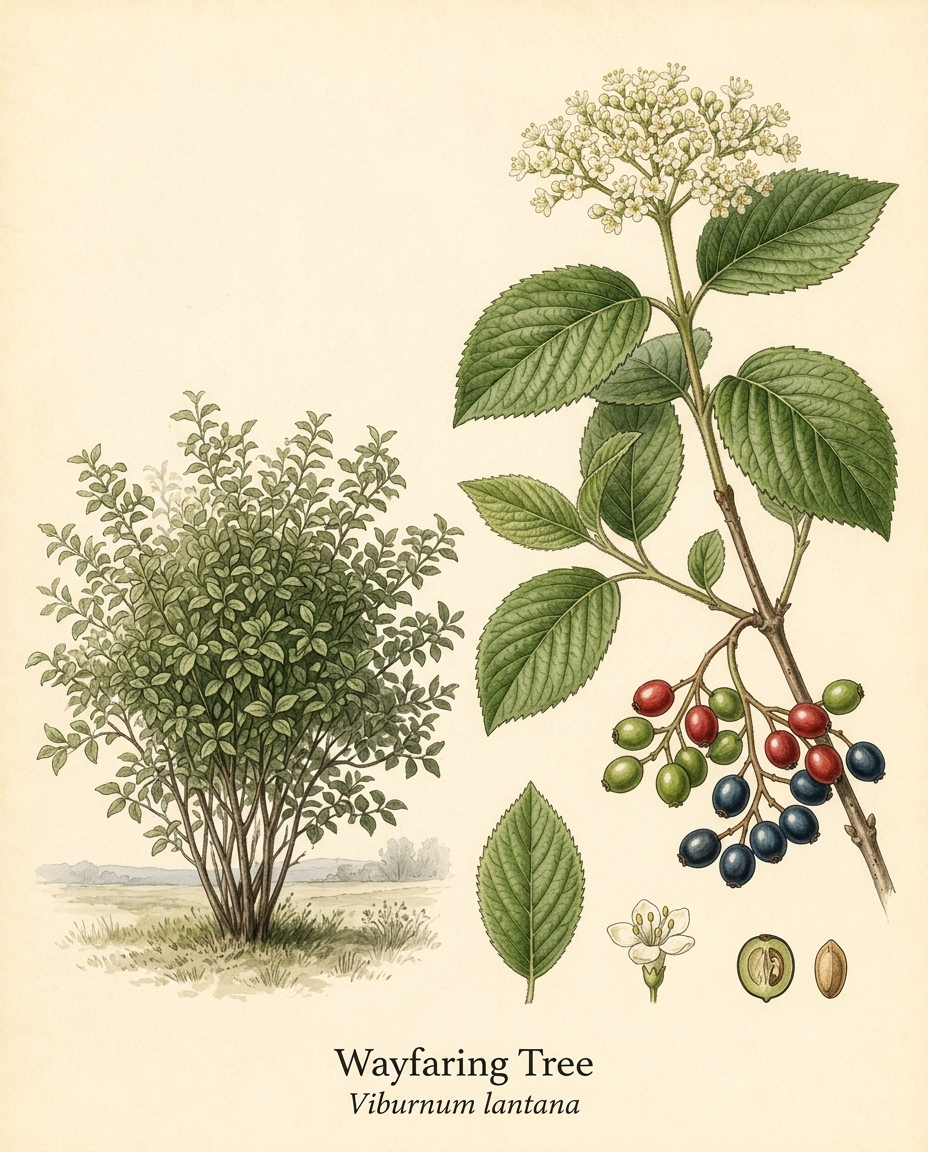
Viburnum lantana
Wayfaring Tree
- Mature size
- 10–15 ft tall
10–15 ft wide - Sun
- Full Sun–Part Shade
- Water use
- Low
- USDA zones
- 4–8
- Bloom
- —
Spring
Notable features
Best companions for Wayfaring Tree
Six water-wise companions matched on water use, sun, USDA zone, and how they layer visually beside Wayfaring Tree.
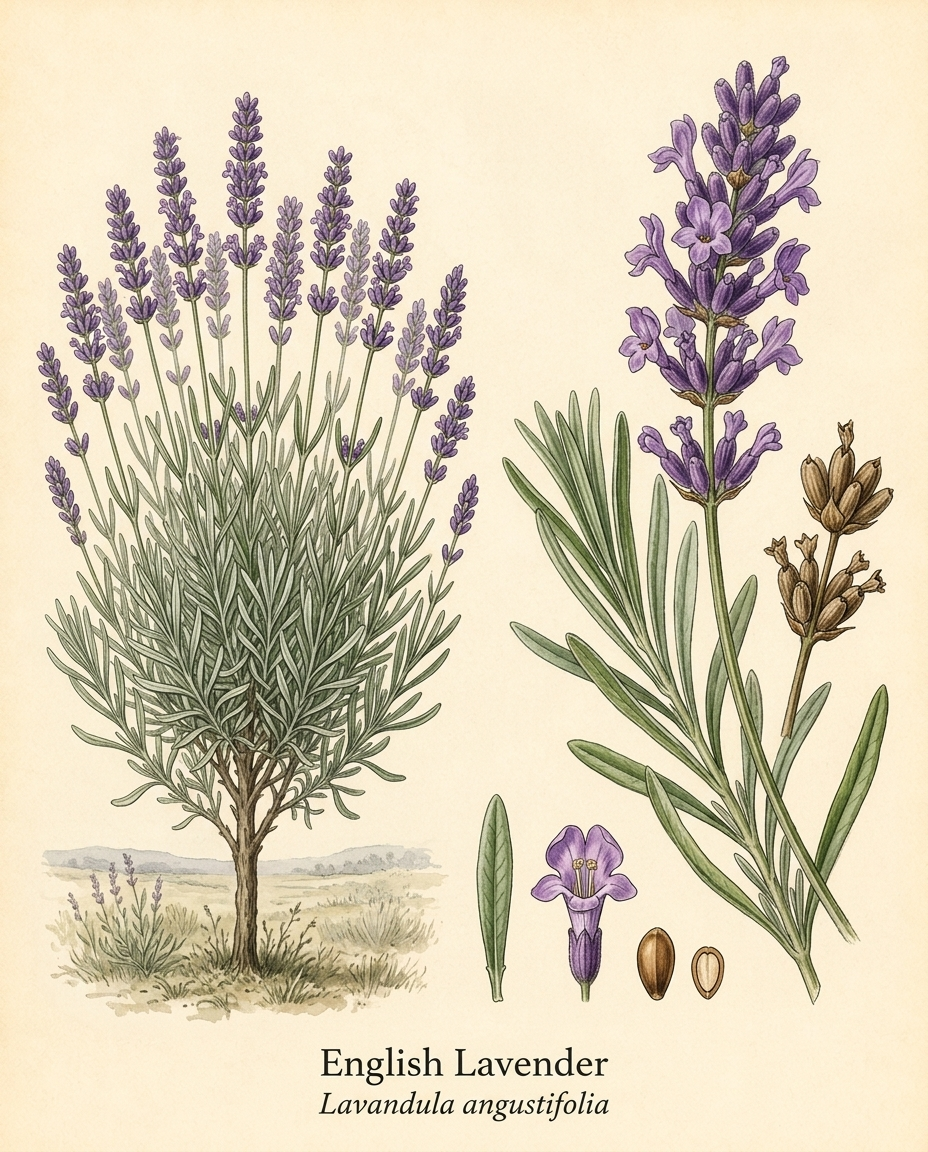
English Lavender
Lavandula angustifolia
Checks nearly every box — a confident pairing.
- Different structural layer than Wayfaring Tree
- Noticeable height difference for a layered look
- Blooms in summer — extends color when Wayfaring Tree isn't flowering
- Silver foliage contrasts with Wayfaring Tree
- Evergreen — holds structure through winter
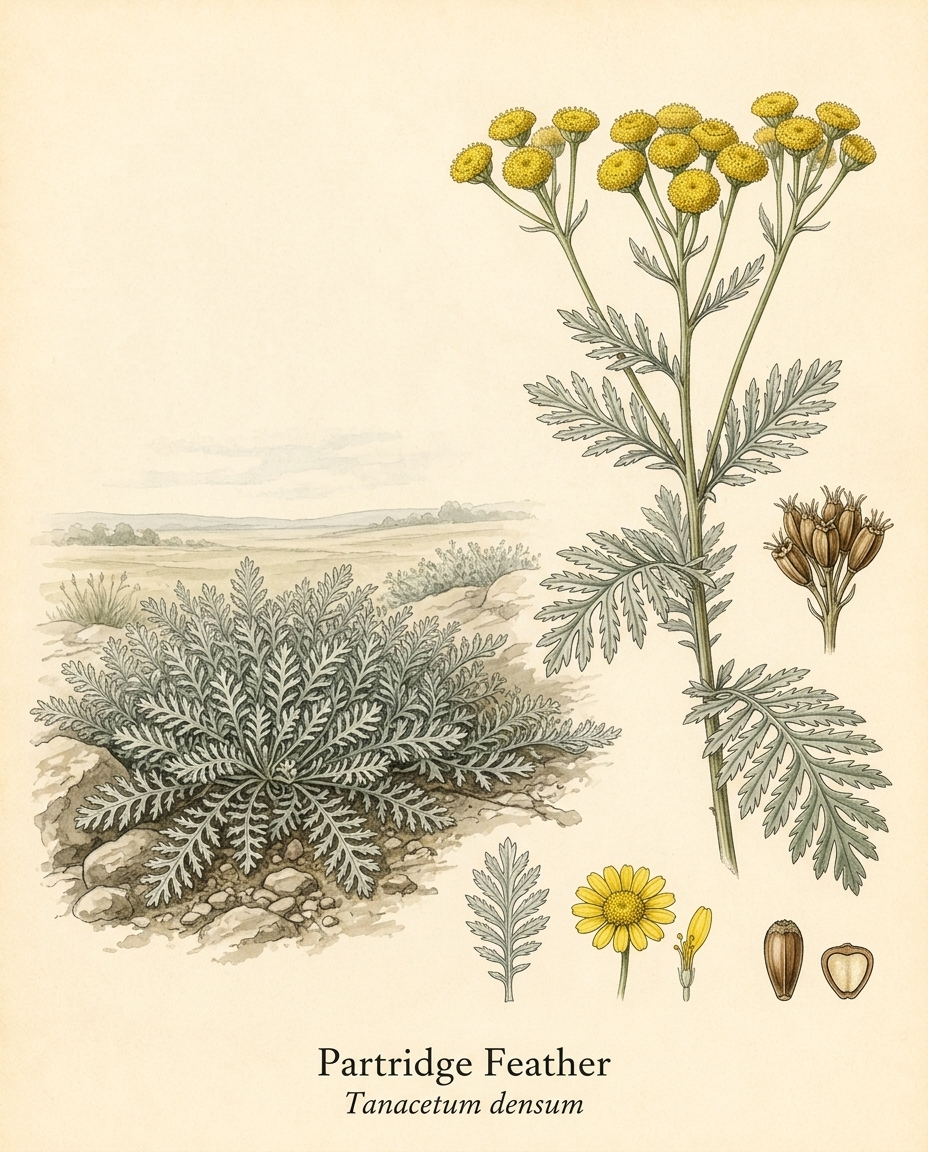
Partridge Feather
Tanacetum densum
A reliable, well-suited combination.
- Different structural layer than Wayfaring Tree
- Noticeable height difference for a layered look
- Blooms in summer — extends color when Wayfaring Tree isn't flowering
- Silver foliage contrasts with Wayfaring Tree
- Evergreen — holds structure through winter
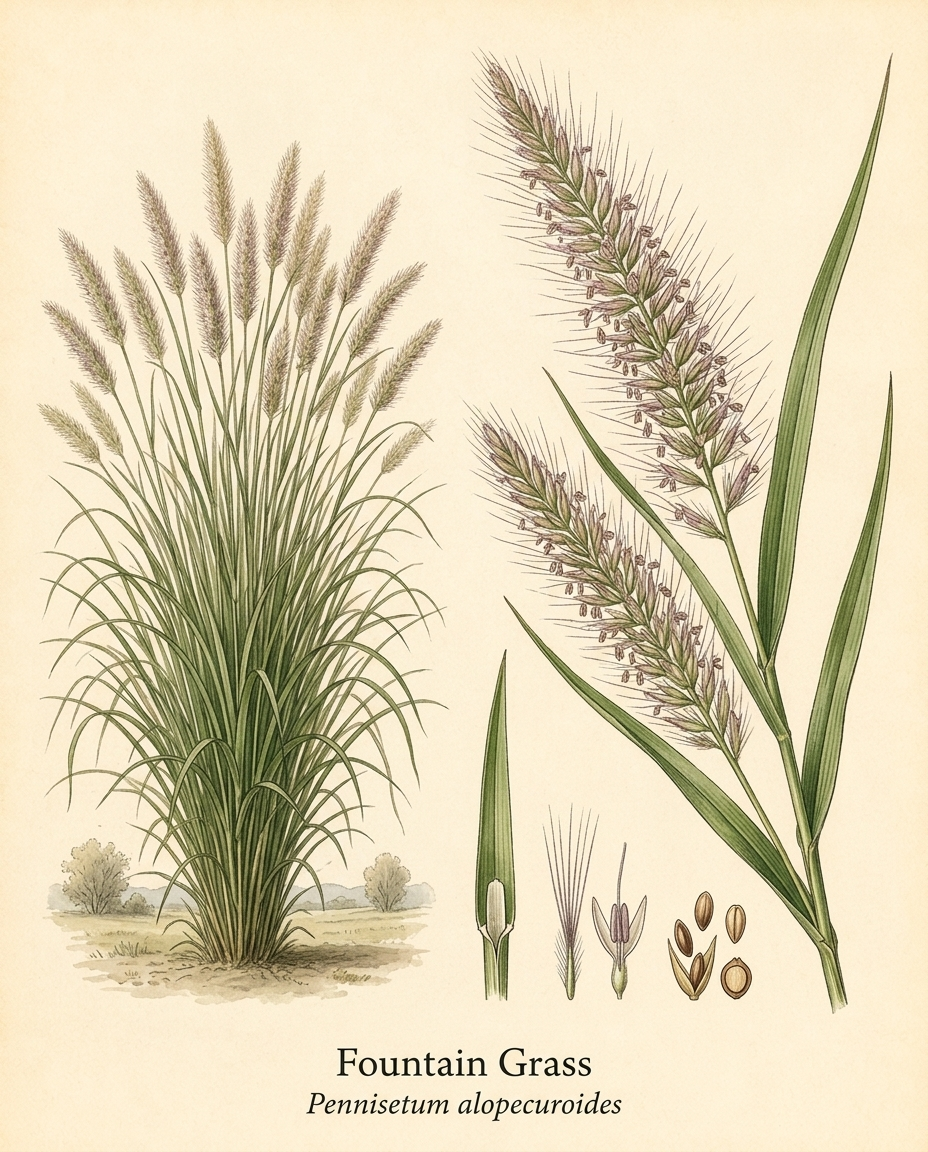
Fountain Grass
Pennisetum alopecuroides
A reliable, well-suited combination.
- Different structural layer than Wayfaring Tree
- Noticeable height difference for a layered look
- Blooms in fall and summer — extends color when Wayfaring Tree isn't flowering
- Fine grass texture contrasts with Wayfaring Tree's form
- Same water needs as Wayfaring Tree — one irrigation zone
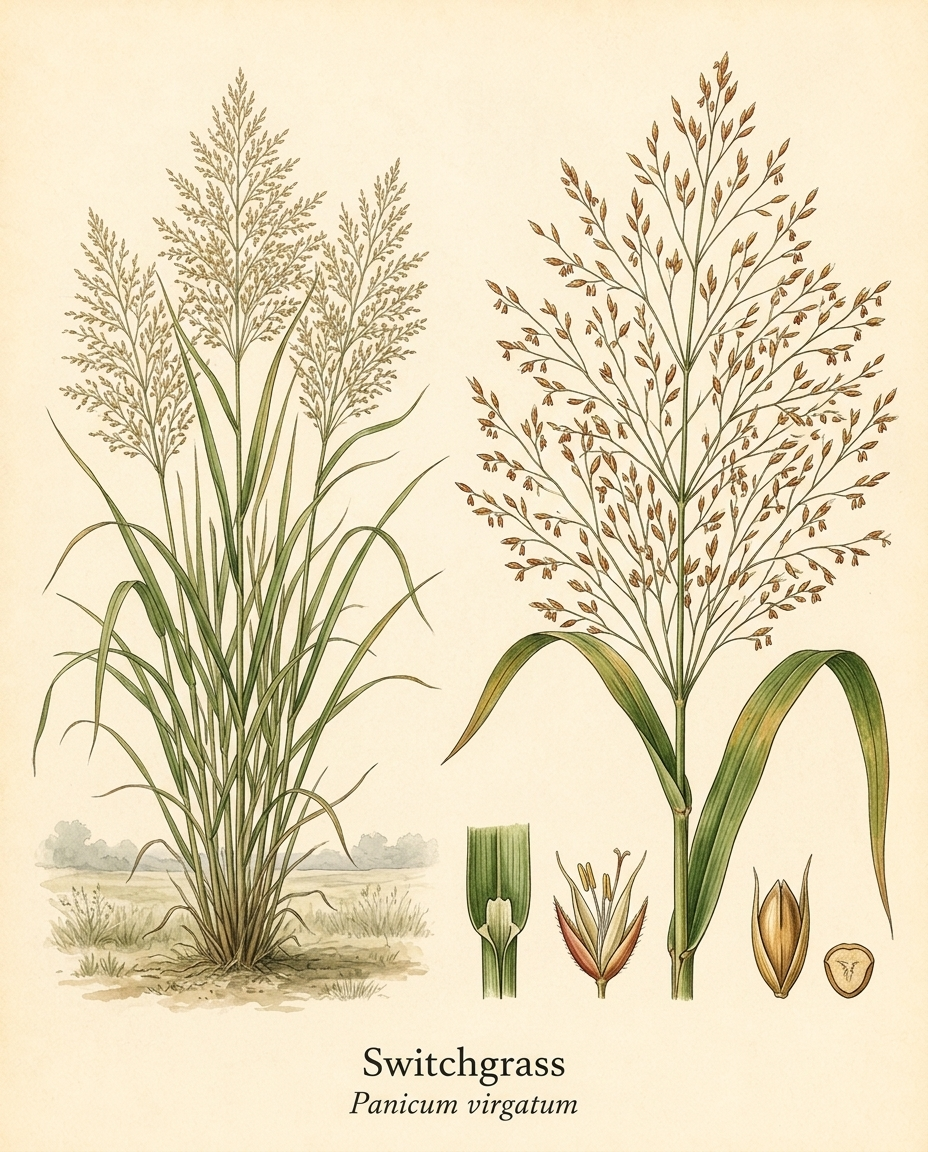
Switchgrass
NativePanicum virgatum
Checks nearly every box — a confident pairing.
- Different structural layer than Wayfaring Tree
- Noticeable height difference for a layered look
- Blooms in fall and summer — extends color when Wayfaring Tree isn't flowering
- Fine grass texture contrasts with Wayfaring Tree's form
- Supports pollinators and wildlife
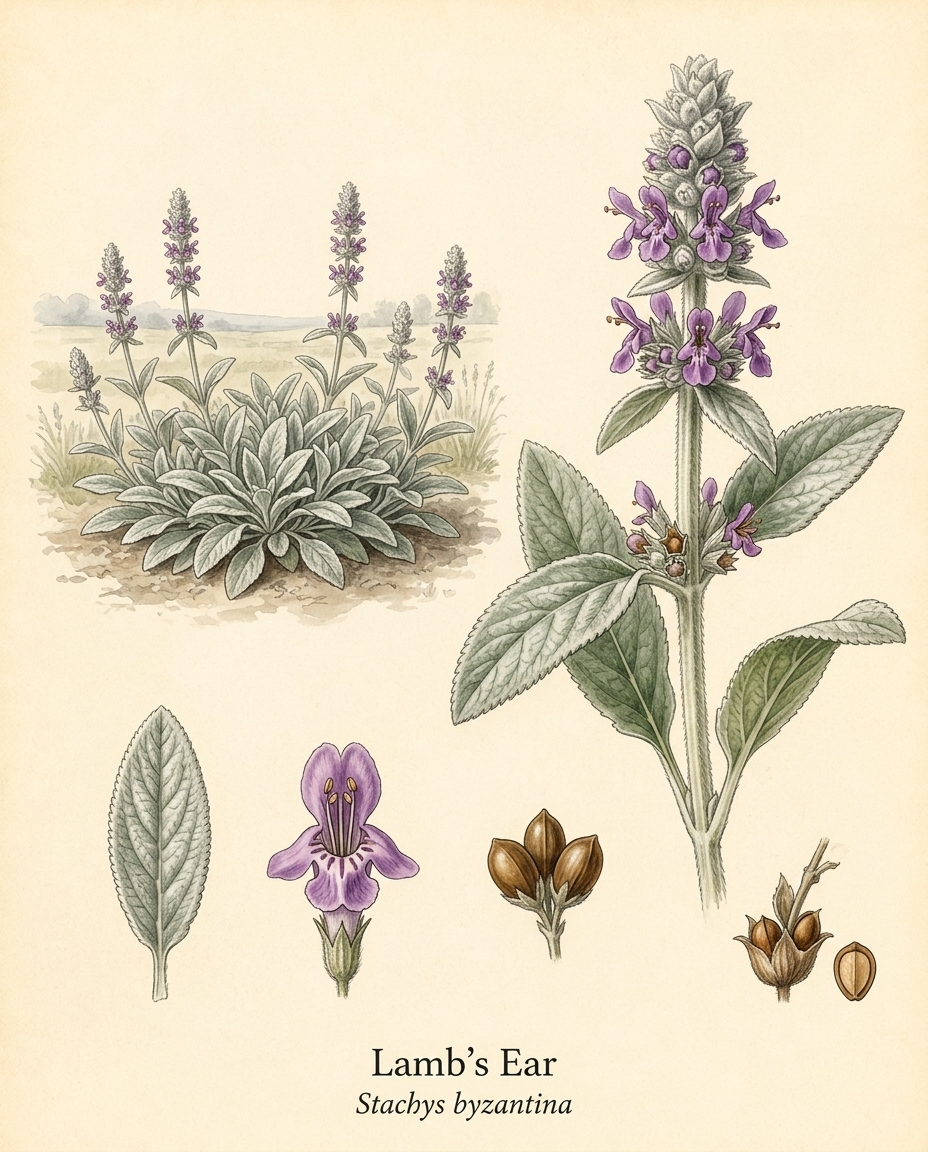
Lamb's Ear
Stachys byzantina
A reliable, well-suited combination.
- Different structural layer than Wayfaring Tree
- Noticeable height difference for a layered look
- Blooms in summer — extends color when Wayfaring Tree isn't flowering
- Silver foliage contrasts with Wayfaring Tree
- Evergreen — holds structure through winter
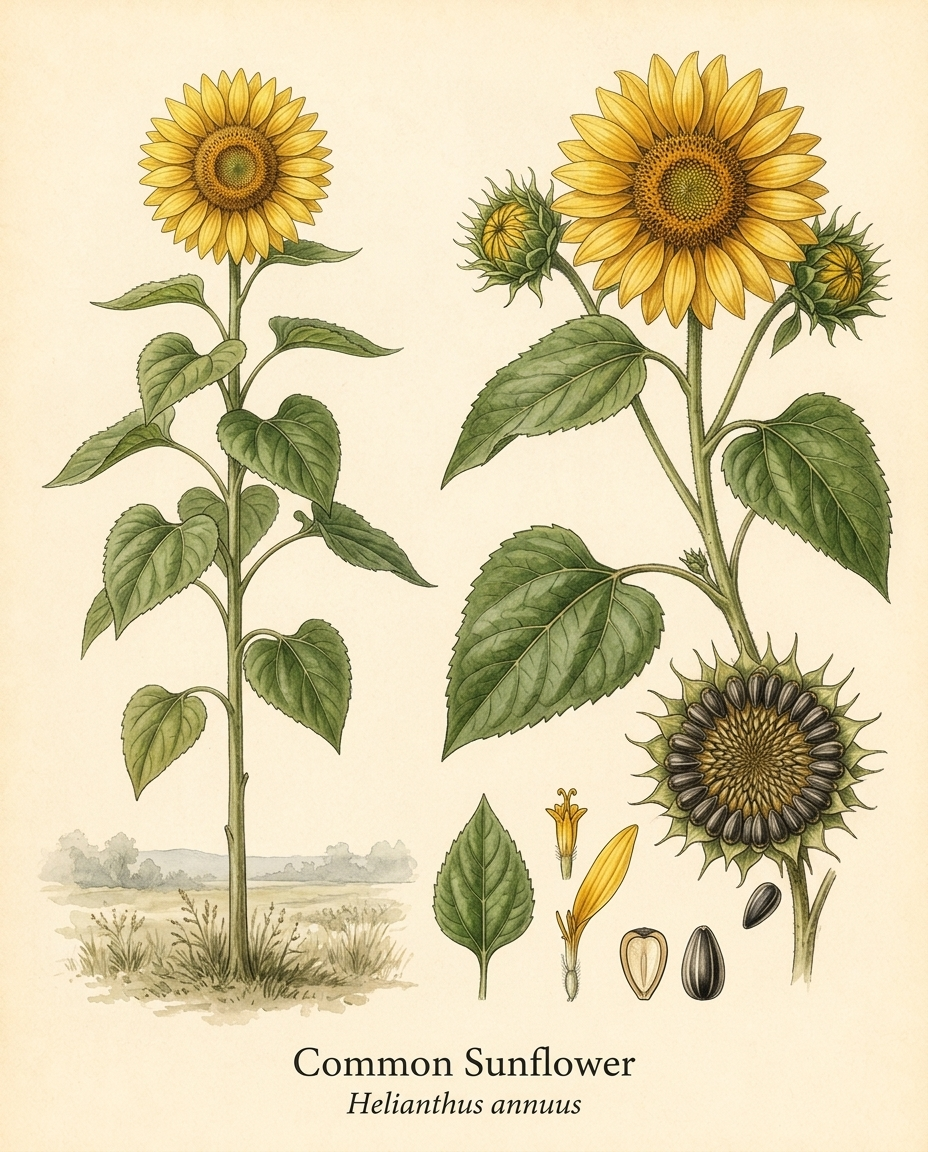
Common Sunflower
NativeHelianthus annuus
A reliable, well-suited combination.
- Different structural layer than Wayfaring Tree
- Noticeable height difference for a layered look
- Blooms in fall and summer — extends color when Wayfaring Tree isn't flowering
- Supports pollinators and wildlife
- Same water needs as Wayfaring Tree — one irrigation zone
More that work
123 more compatible plants that pair well with Wayfaring Tree, grouped by category. Pin any of them to your palette.
Groundcover (16)
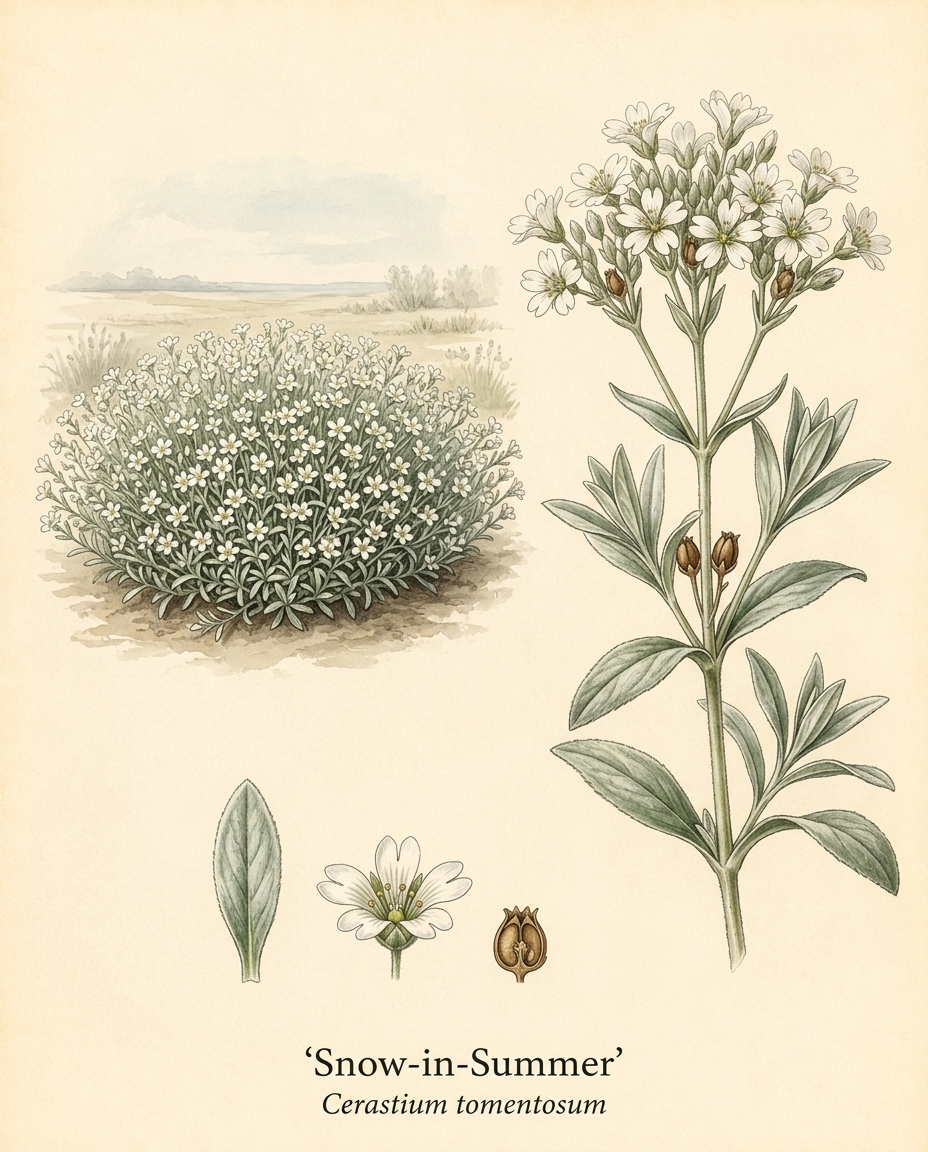
Snow-in-Summer
Cerastium tomentosum
A reliable, well-suited combination.
- Different structural layer than Wayfaring Tree
- Noticeable height difference for a layered look
- Blooms in summer — extends color when Wayfaring Tree isn't flowering
- Silver foliage contrasts with Wayfaring Tree
- Evergreen — holds structure through winter
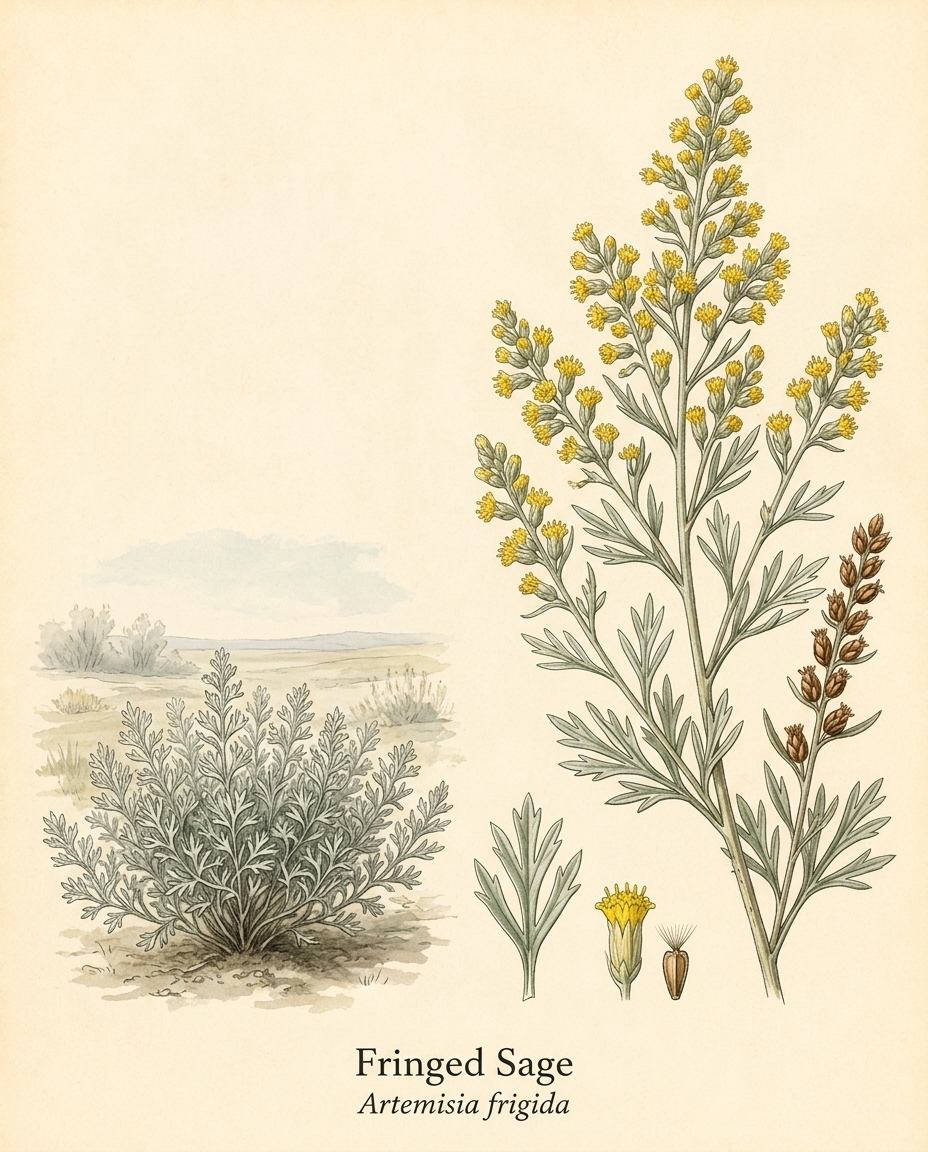
Fringed Sage
NativeArtemisia frigida
Works well together.
- Different structural layer than Wayfaring Tree
- Noticeable height difference for a layered look
- Blooms in summer — extends color when Wayfaring Tree isn't flowering
- Silver foliage contrasts with Wayfaring Tree
- Evergreen — holds structure through winter
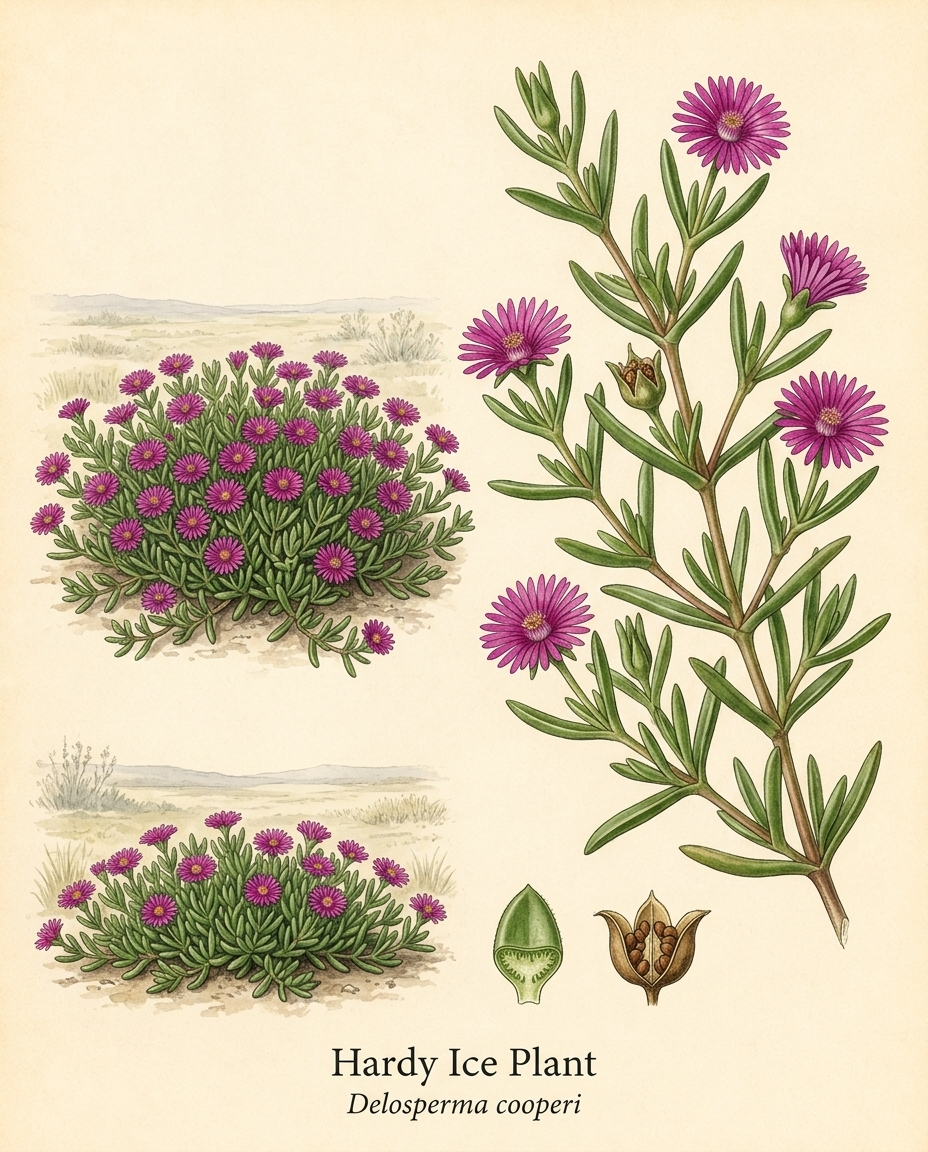
Hardy Ice Plant
Delosperma cooperi
Works well together.
- Different structural layer than Wayfaring Tree
- Noticeable height difference for a layered look
- Blooms in fall and summer — extends color when Wayfaring Tree isn't flowering
- Evergreen — holds structure through winter
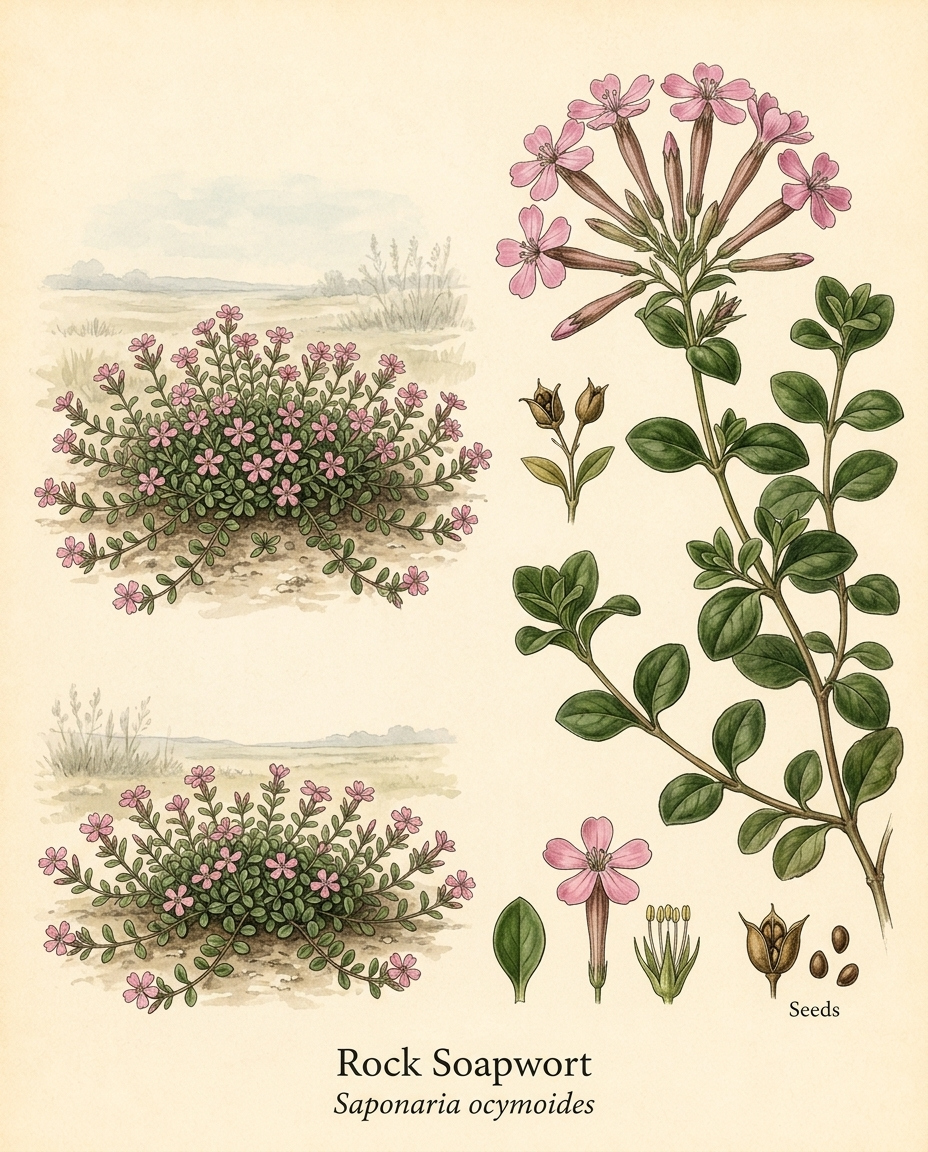
Rock Soapwort
Saponaria ocymoides
Works well together.
- Different structural layer than Wayfaring Tree
- Noticeable height difference for a layered look
- Blooms in summer — extends color when Wayfaring Tree isn't flowering
- Supports pollinators and wildlife
- Fire-resistant — good for defensible space
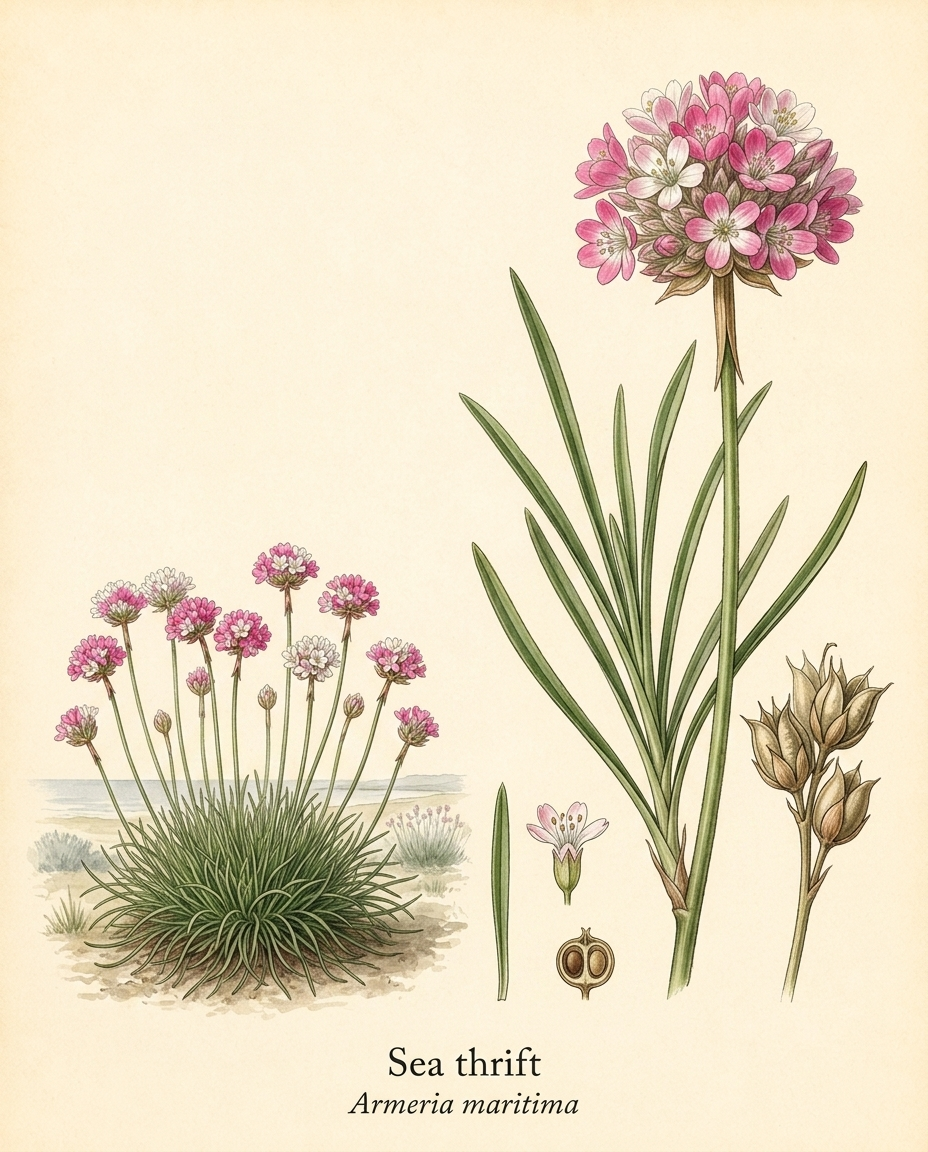
Sea thrift
Armeria maritima
Works well together.
- Different structural layer than Wayfaring Tree
- Noticeable height difference for a layered look
- Blooms in summer — extends color when Wayfaring Tree isn't flowering
- Fire-resistant — good for defensible space
- Same water needs as Wayfaring Tree — one irrigation zone
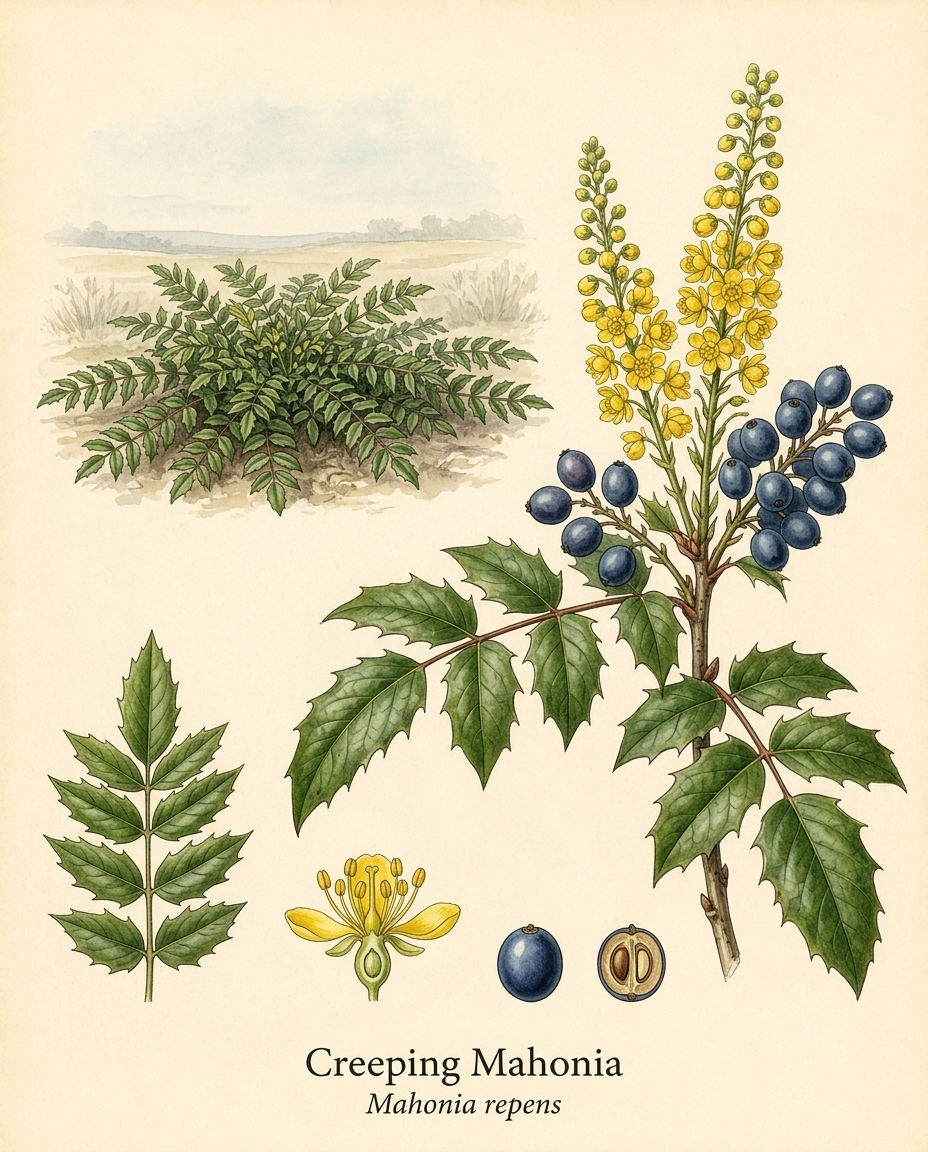
Creeping Mahonia
NativeMahonia repens
Works well together.
- Different structural layer than Wayfaring Tree
- Noticeable height difference for a layered look
- Evergreen — holds structure through winter
- Supports pollinators and wildlife
- Fire-resistant — good for defensible space
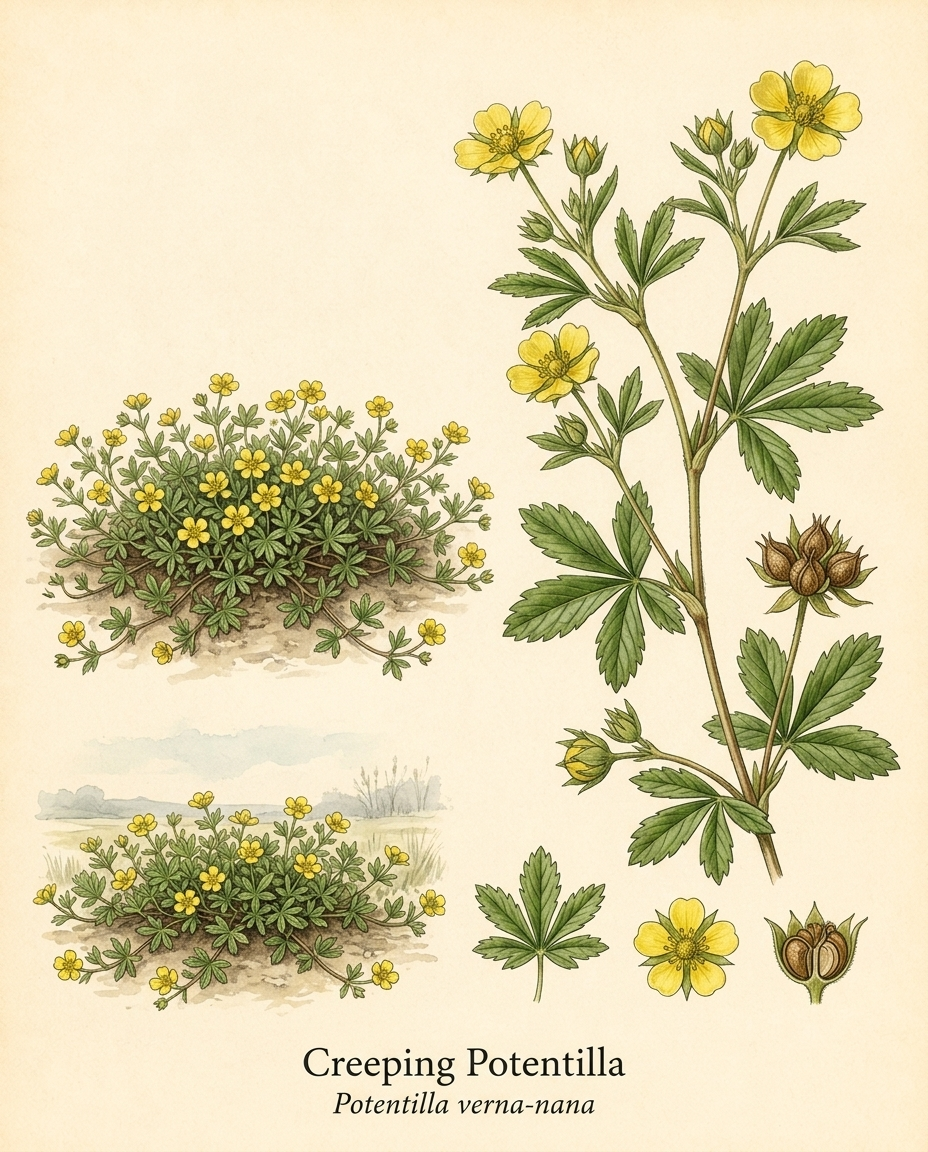
Creeping Potentilla
NativePotentilla verna-nana
Works well together.
- Different structural layer than Wayfaring Tree
- Noticeable height difference for a layered look
- Blooms in summer — extends color when Wayfaring Tree isn't flowering
- Same water needs as Wayfaring Tree — one irrigation zone
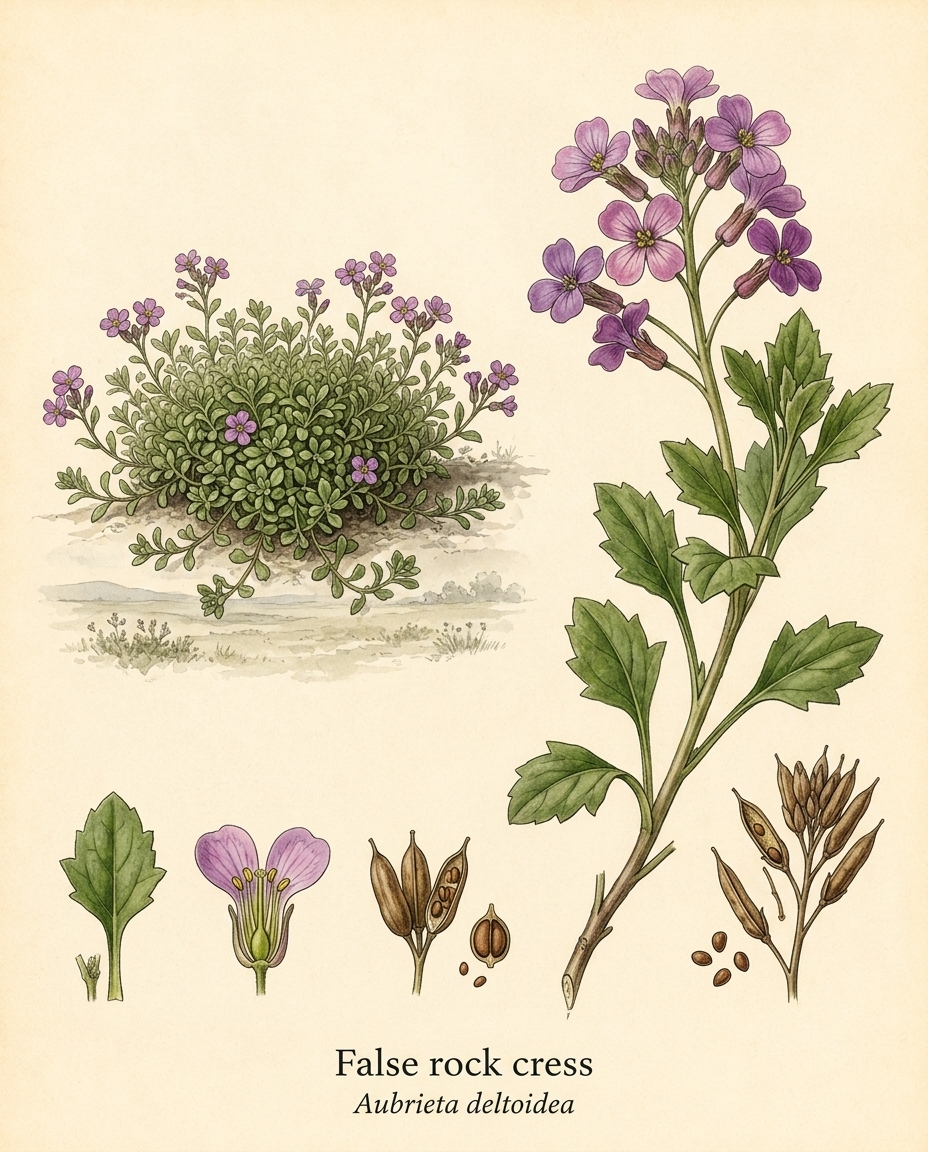
False rock cress
Aubrieta deltoidea
Works well together.
- Different structural layer than Wayfaring Tree
- Noticeable height difference for a layered look
- Supports pollinators and wildlife
- Fire-resistant — good for defensible space
- Same water needs as Wayfaring Tree — one irrigation zone
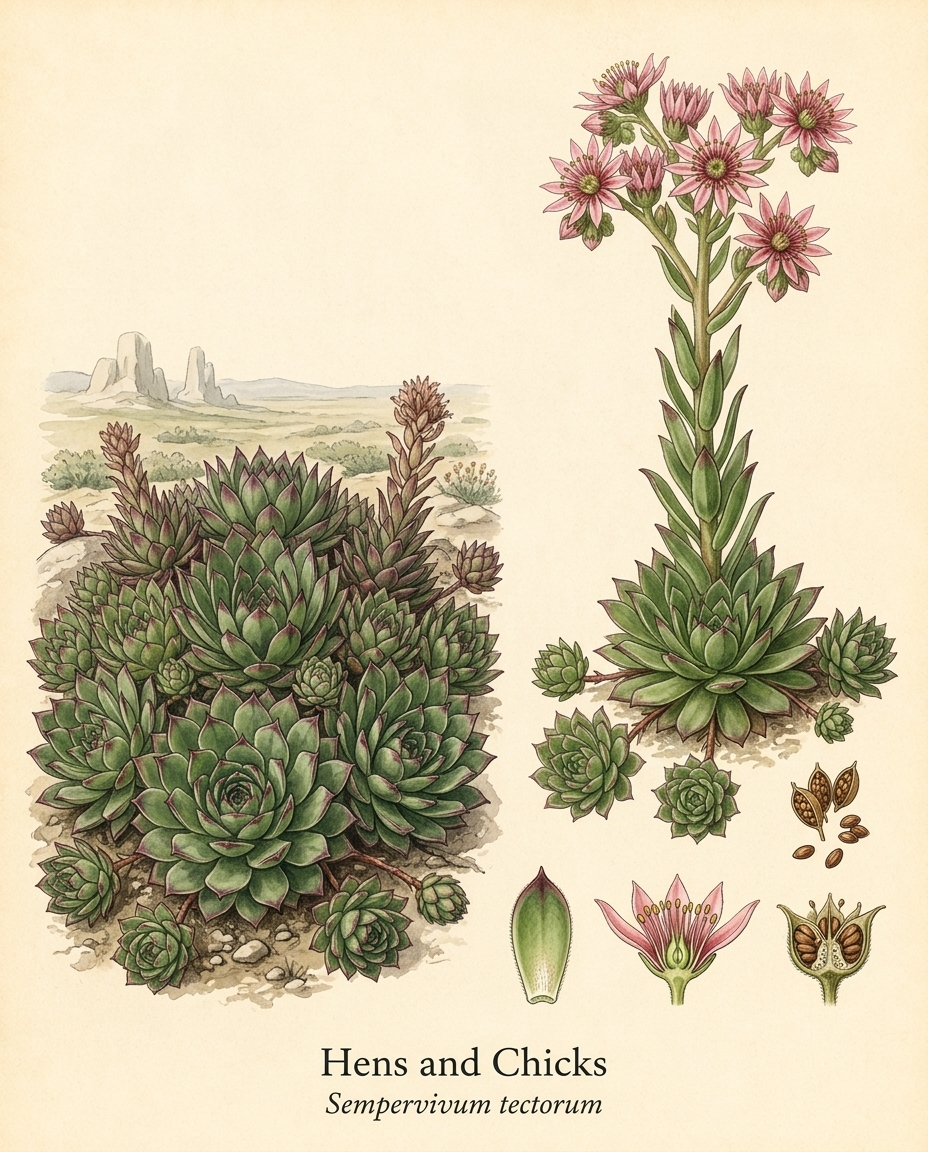
Hens and Chicks
Sempervivum tectorum
Works well together.
- Different structural layer than Wayfaring Tree
- Noticeable height difference for a layered look
- Blooms in summer — extends color when Wayfaring Tree isn't flowering
- Evergreen — holds structure through winter
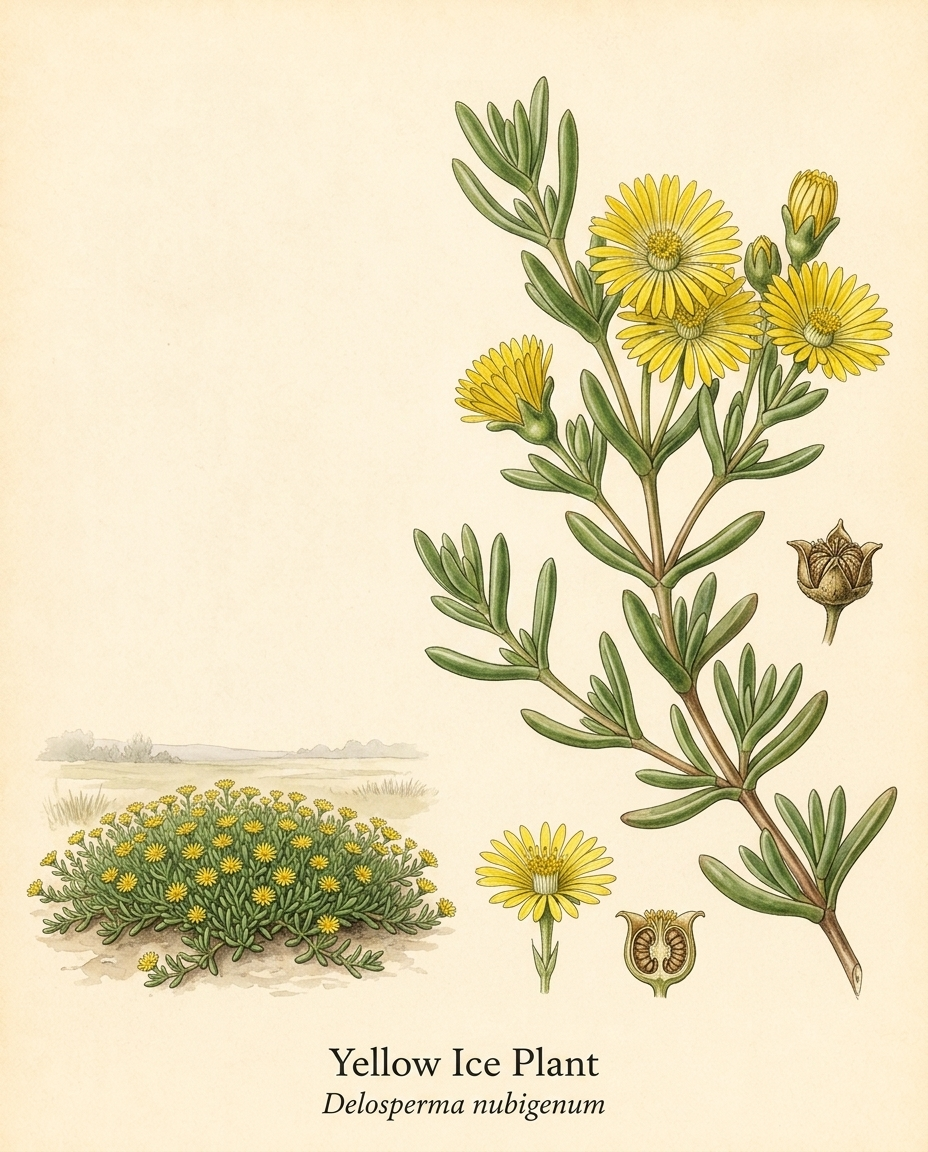
Yellow Ice Plant
Delosperma nubigenum
Works well together.
- Different structural layer than Wayfaring Tree
- Noticeable height difference for a layered look
- Blooms in summer — extends color when Wayfaring Tree isn't flowering
- Evergreen — holds structure through winter
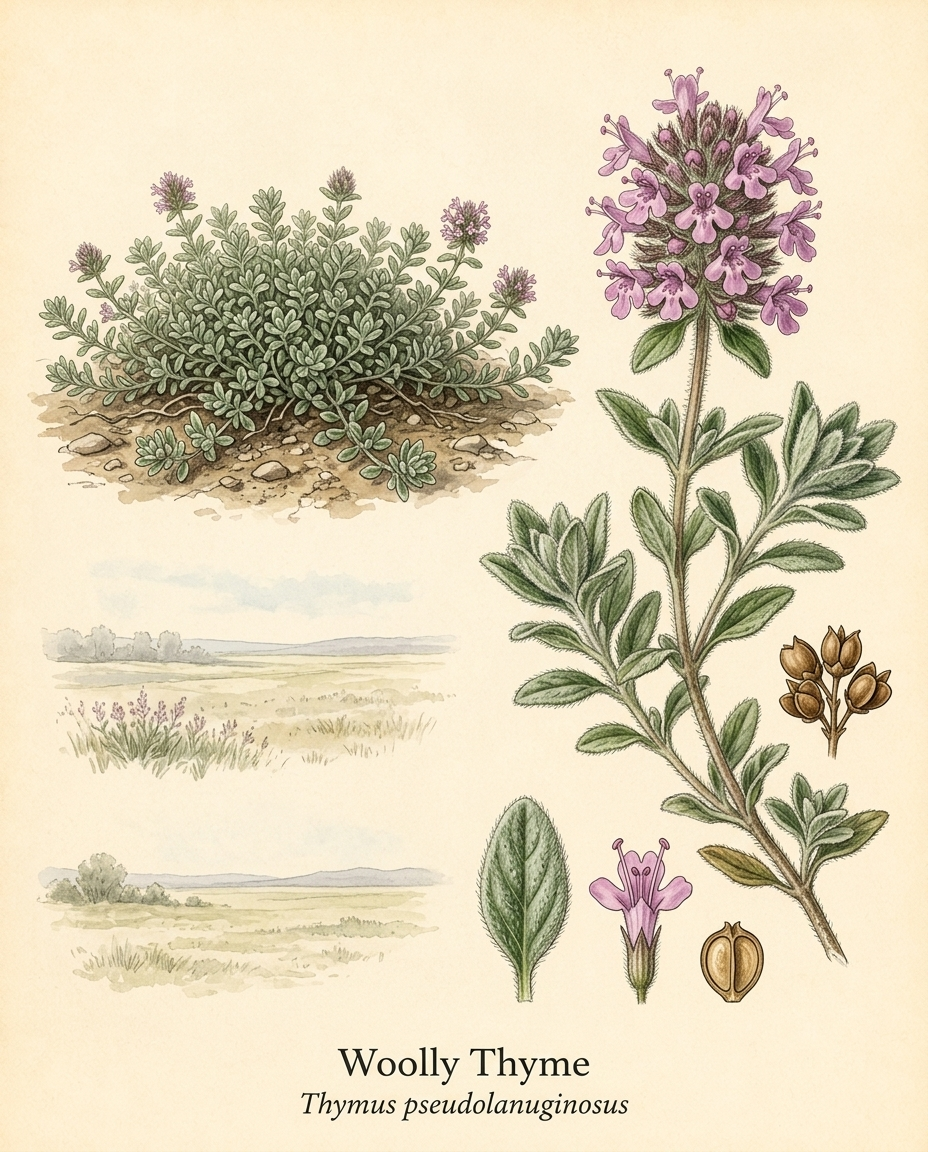
Woolly Thyme
Thymus pseudolanuginosus
Compatible on water, sun, and zone. Whether the combination reads well is your call.
- Different structural layer than Wayfaring Tree
- Noticeable height difference for a layered look
- Blooms in summer — extends color when Wayfaring Tree isn't flowering
- Fire-resistant — good for defensible space
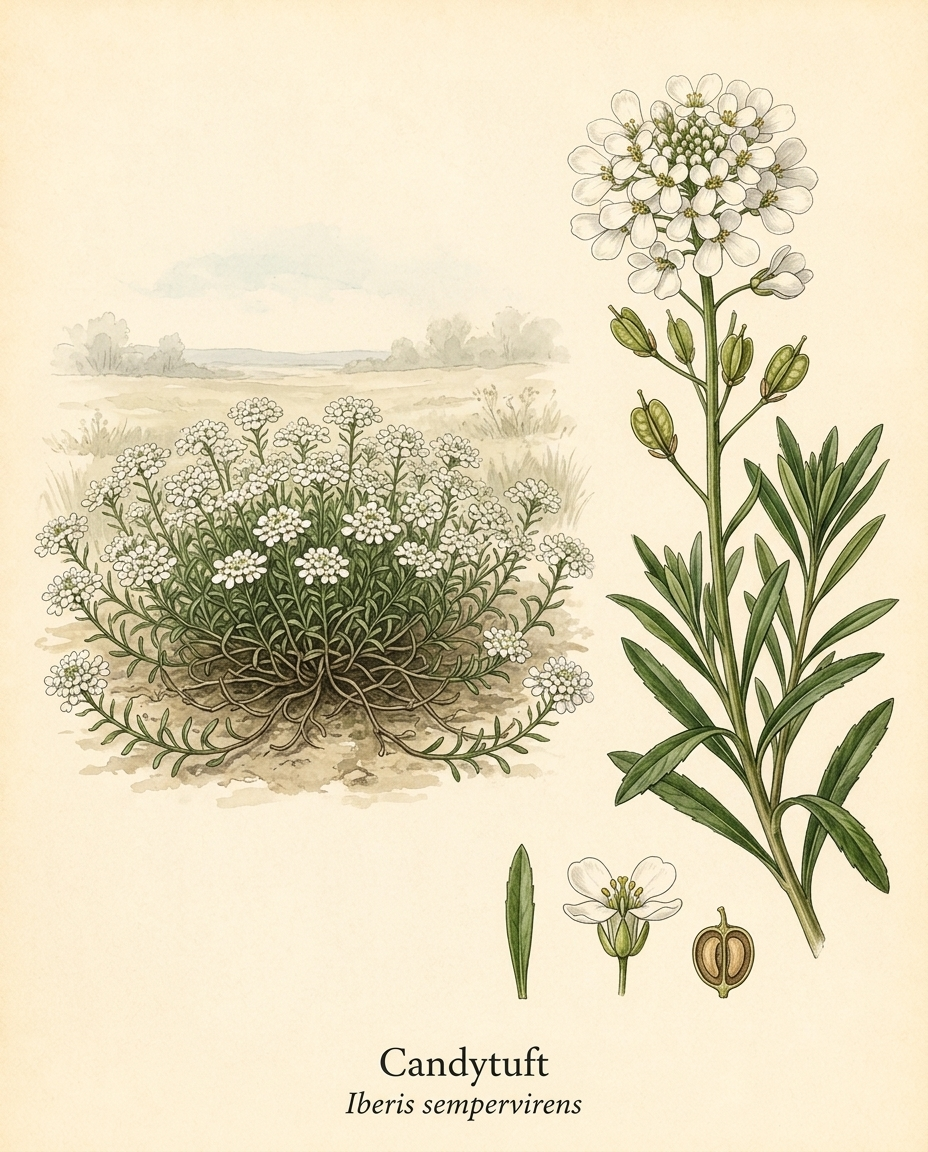
Candytuft
Iberis sempervirens
Compatible on water, sun, and zone. Whether the combination reads well is your call.
- Different structural layer than Wayfaring Tree
- Noticeable height difference for a layered look
- Fire-resistant — good for defensible space
- Same water needs as Wayfaring Tree — one irrigation zone
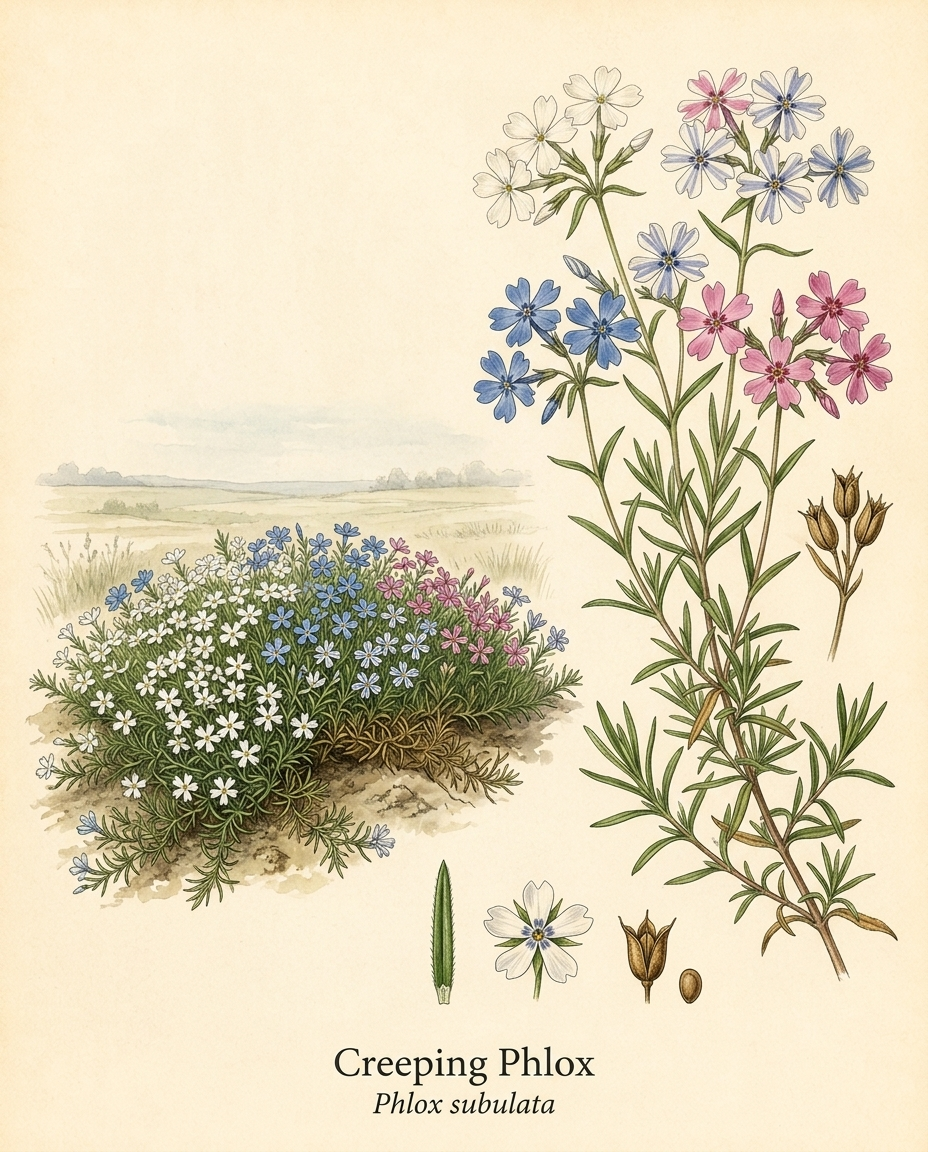
Creeping Phlox
NativePhlox subulata
Compatible on water, sun, and zone. Whether the combination reads well is your call.
- Different structural layer than Wayfaring Tree
- Noticeable height difference for a layered look
- Fire-resistant — good for defensible space
- Same water needs as Wayfaring Tree — one irrigation zone
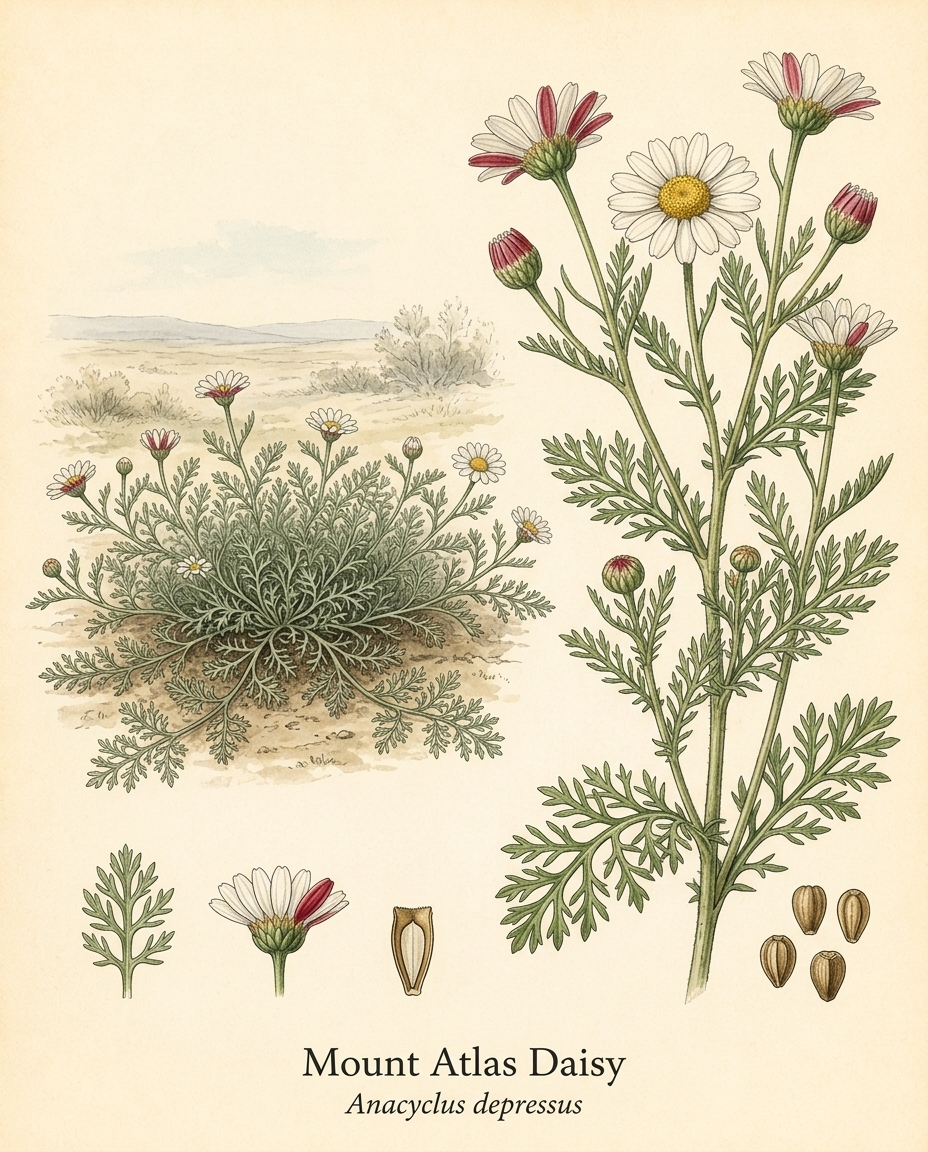
Mount Atlas Daisy
Anacyclus depressus
Compatible on water, sun, and zone. Whether the combination reads well is your call.
- Different structural layer than Wayfaring Tree
- Noticeable height difference for a layered look
- Blooms in summer — extends color when Wayfaring Tree isn't flowering
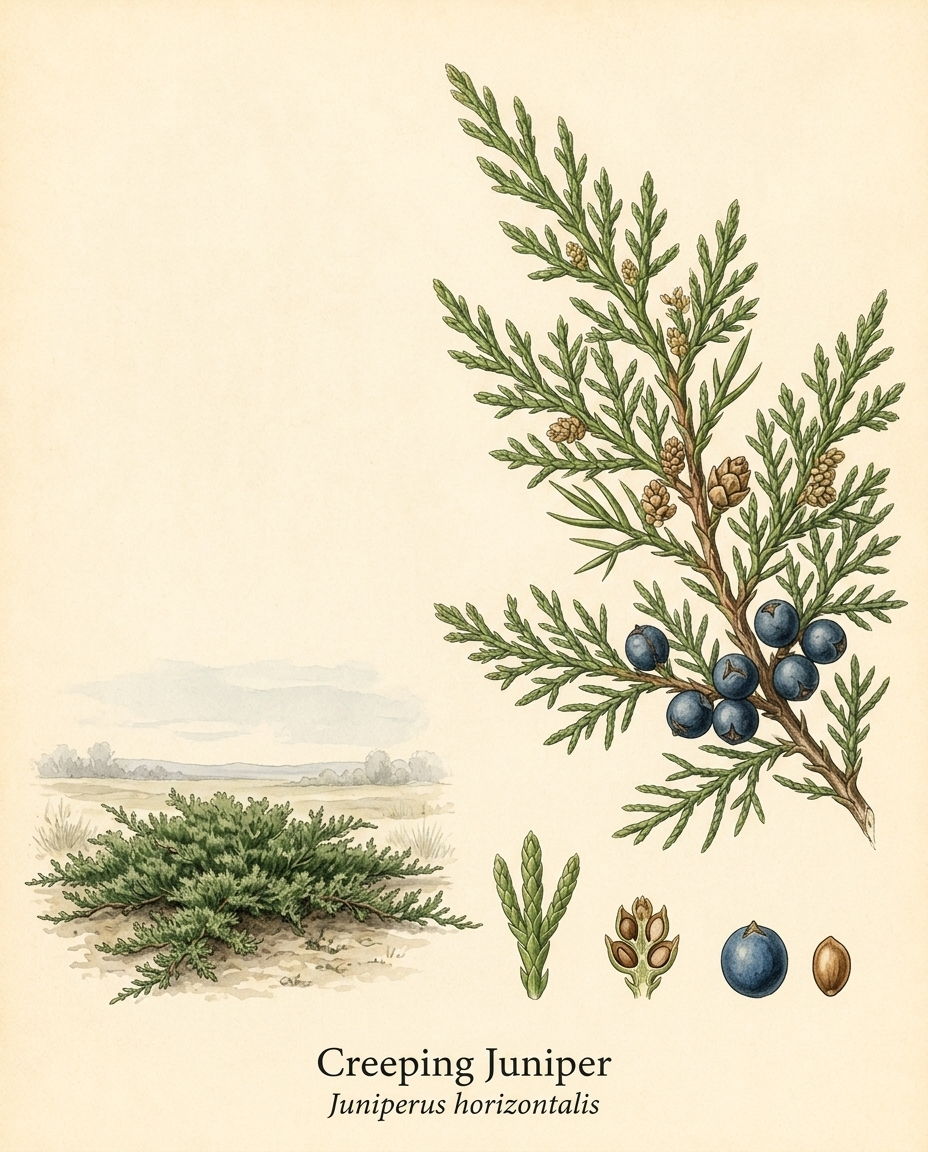
Creeping Juniper
NativeJuniperus horizontalis
Compatible on water, sun, and zone. Whether the combination reads well is your call.
- Different structural layer than Wayfaring Tree
- Noticeable height difference for a layered look
- Evergreen — holds structure through winter
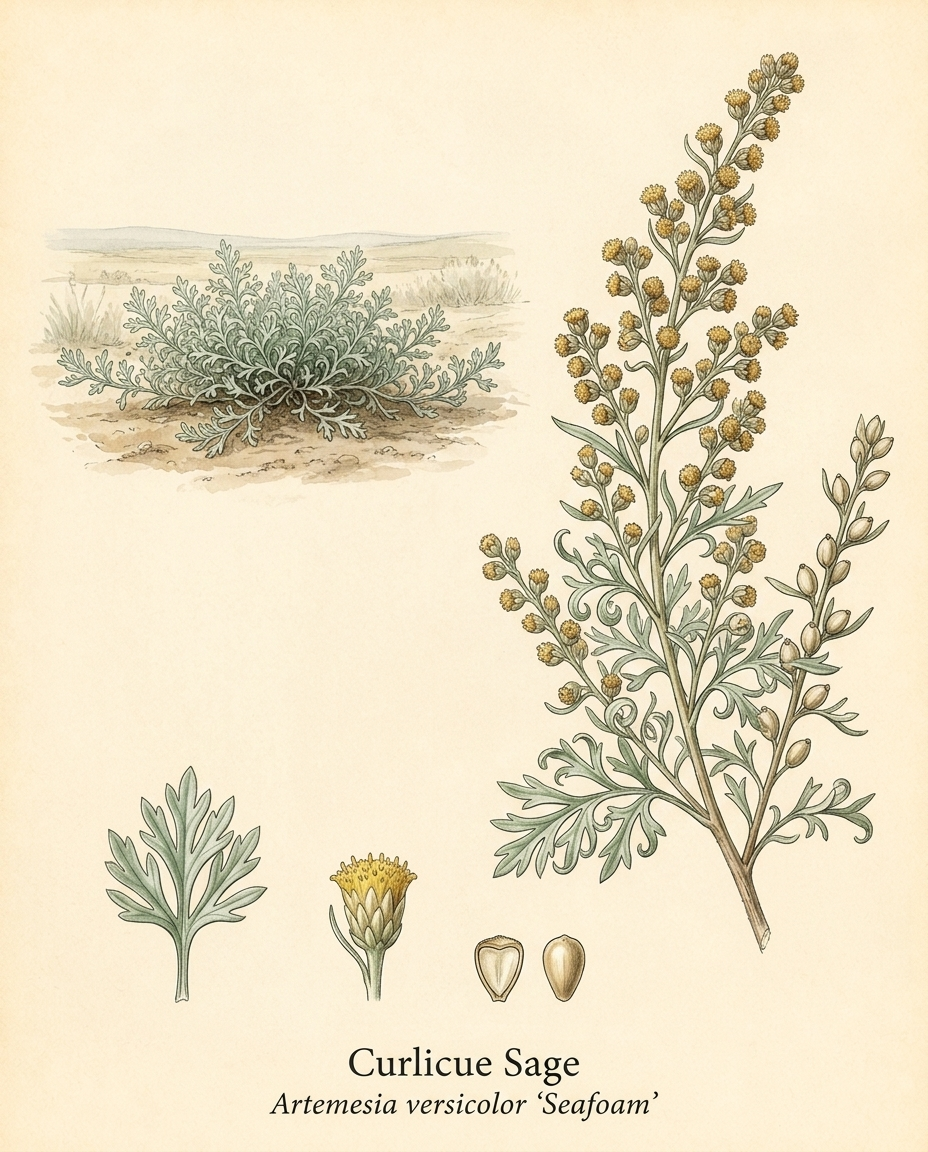
Curlicue Sage
Artemesia versicolor ‘Seafoam’
Compatible on water, sun, and zone. Whether the combination reads well is your call.
- Different structural layer than Wayfaring Tree
- Noticeable height difference for a layered look
- Same water needs as Wayfaring Tree — one irrigation zone
Grass (11)
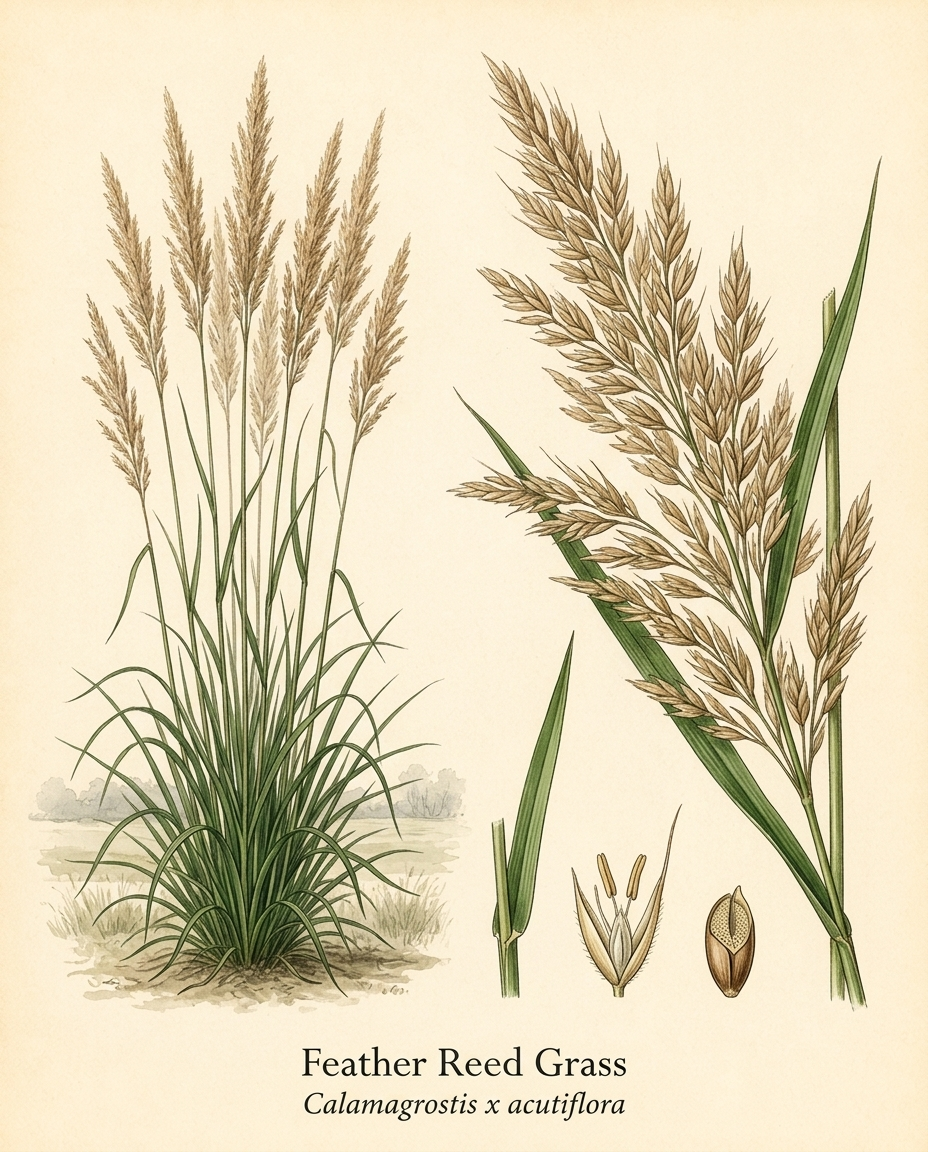
Feather Reed Grass
Calamagrostis x acutiflora
A reliable, well-suited combination.
- Different structural layer than Wayfaring Tree
- Noticeable height difference for a layered look
- Blooms in fall and summer — extends color when Wayfaring Tree isn't flowering
- Fine grass texture contrasts with Wayfaring Tree's form
- Same water needs as Wayfaring Tree — one irrigation zone
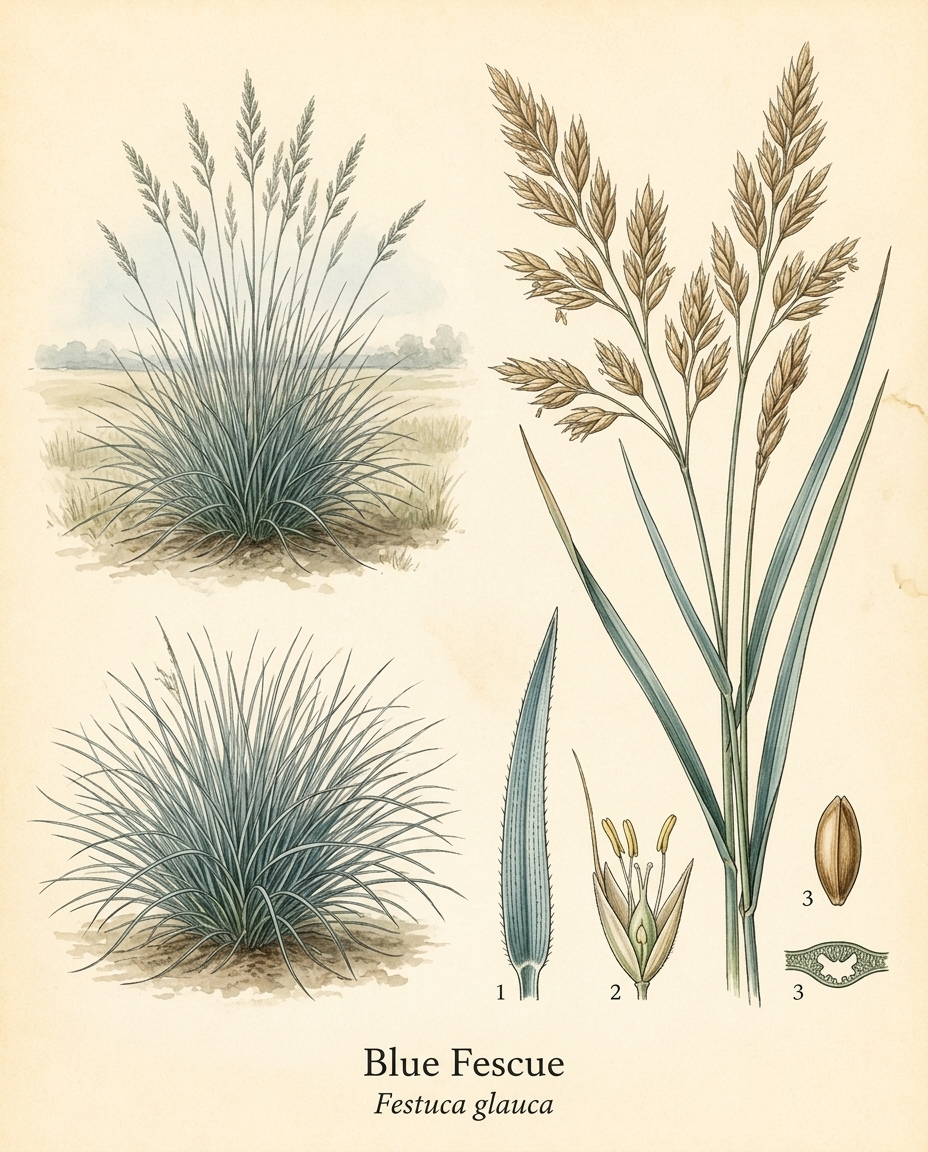
Blue Fescue
Festuca glauca
A reliable, well-suited combination.
- Different structural layer than Wayfaring Tree
- Noticeable height difference for a layered look
- Blooms in summer — extends color when Wayfaring Tree isn't flowering
- Evergreen — holds structure through winter
- Fine grass texture contrasts with Wayfaring Tree's form
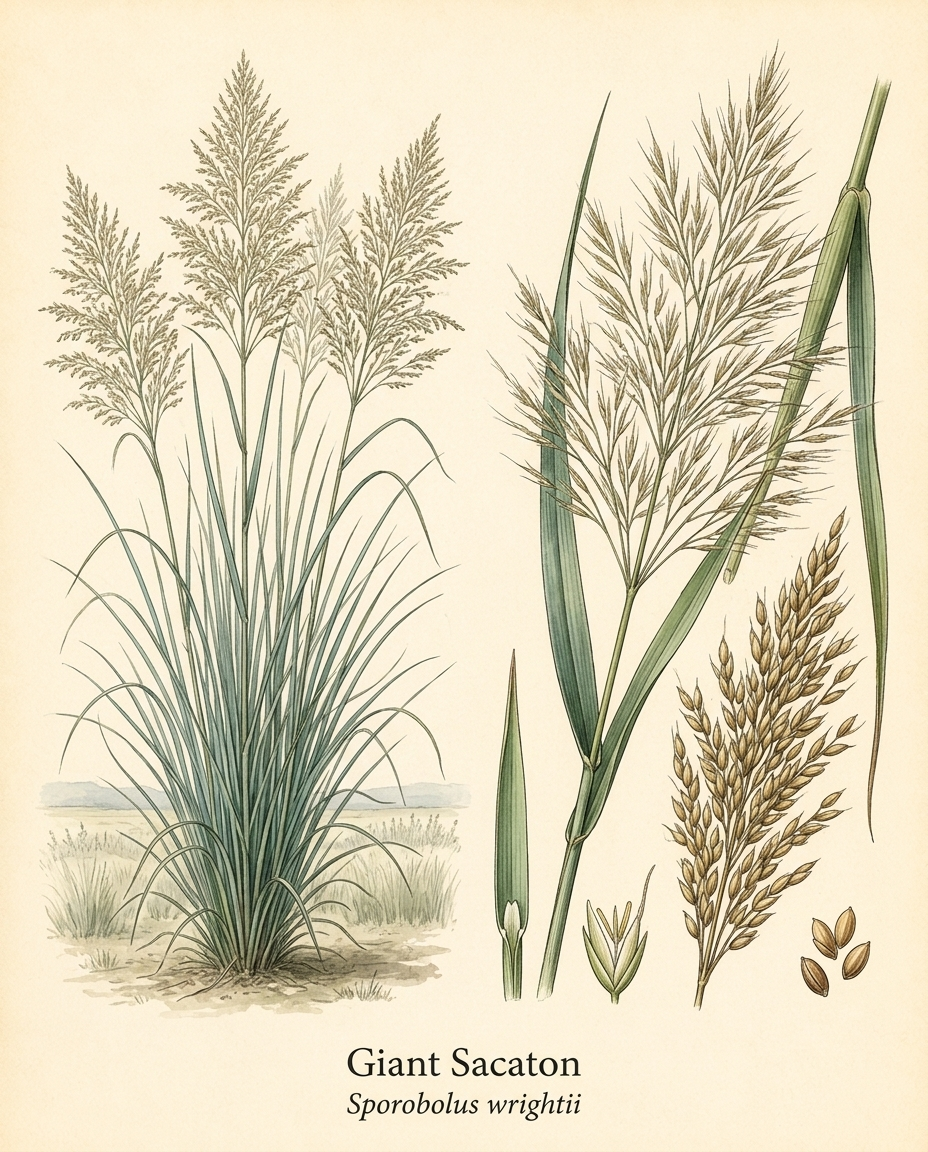
Giant Sacaton
NativeSporobolus wrightii
Works well together.
- Different structural layer than Wayfaring Tree
- Noticeable height difference for a layered look
- Blooms in fall and summer — extends color when Wayfaring Tree isn't flowering
- Fine grass texture contrasts with Wayfaring Tree's form
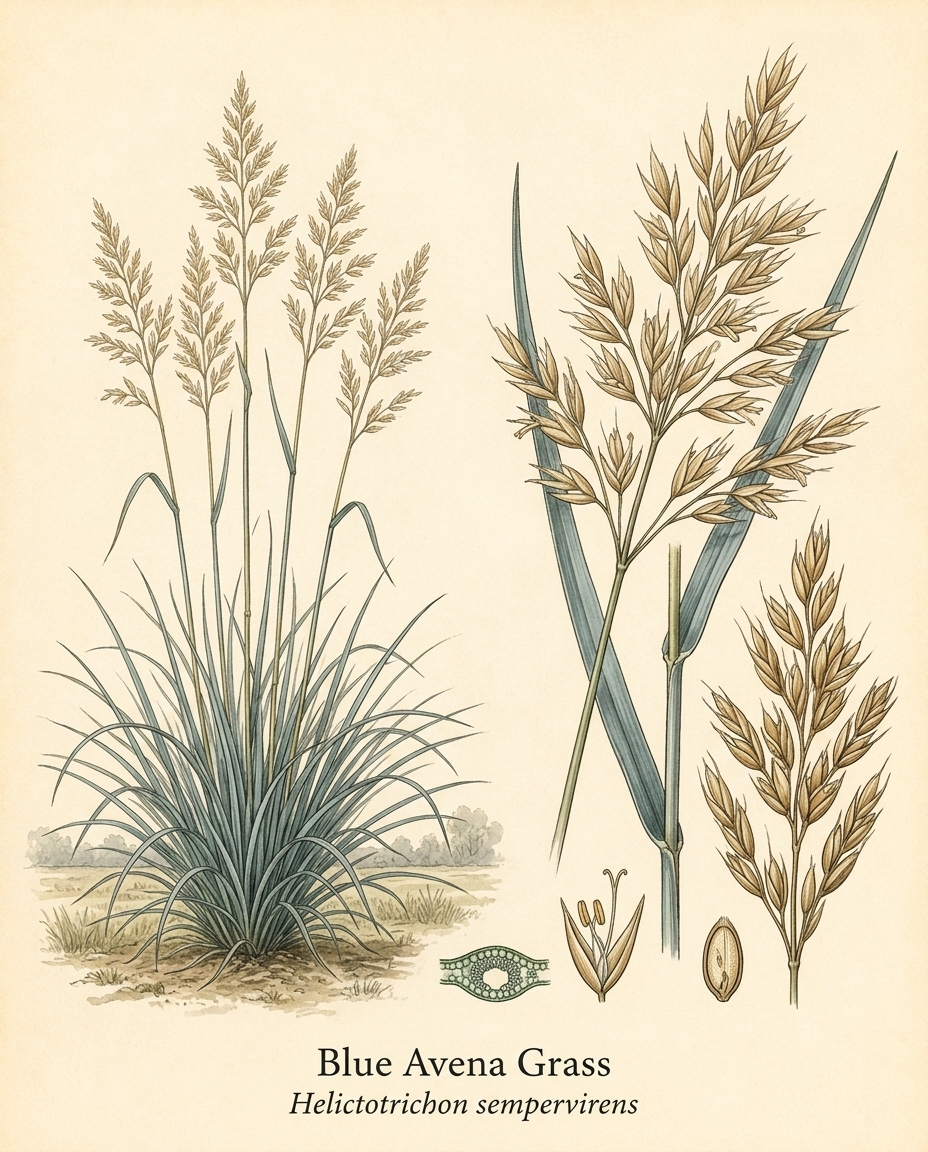
Blue Avena Grass
Helictotrichon sempervirens
Works well together.
- Different structural layer than Wayfaring Tree
- Noticeable height difference for a layered look
- Blooms in summer — extends color when Wayfaring Tree isn't flowering
- Evergreen — holds structure through winter
- Fine grass texture contrasts with Wayfaring Tree's form
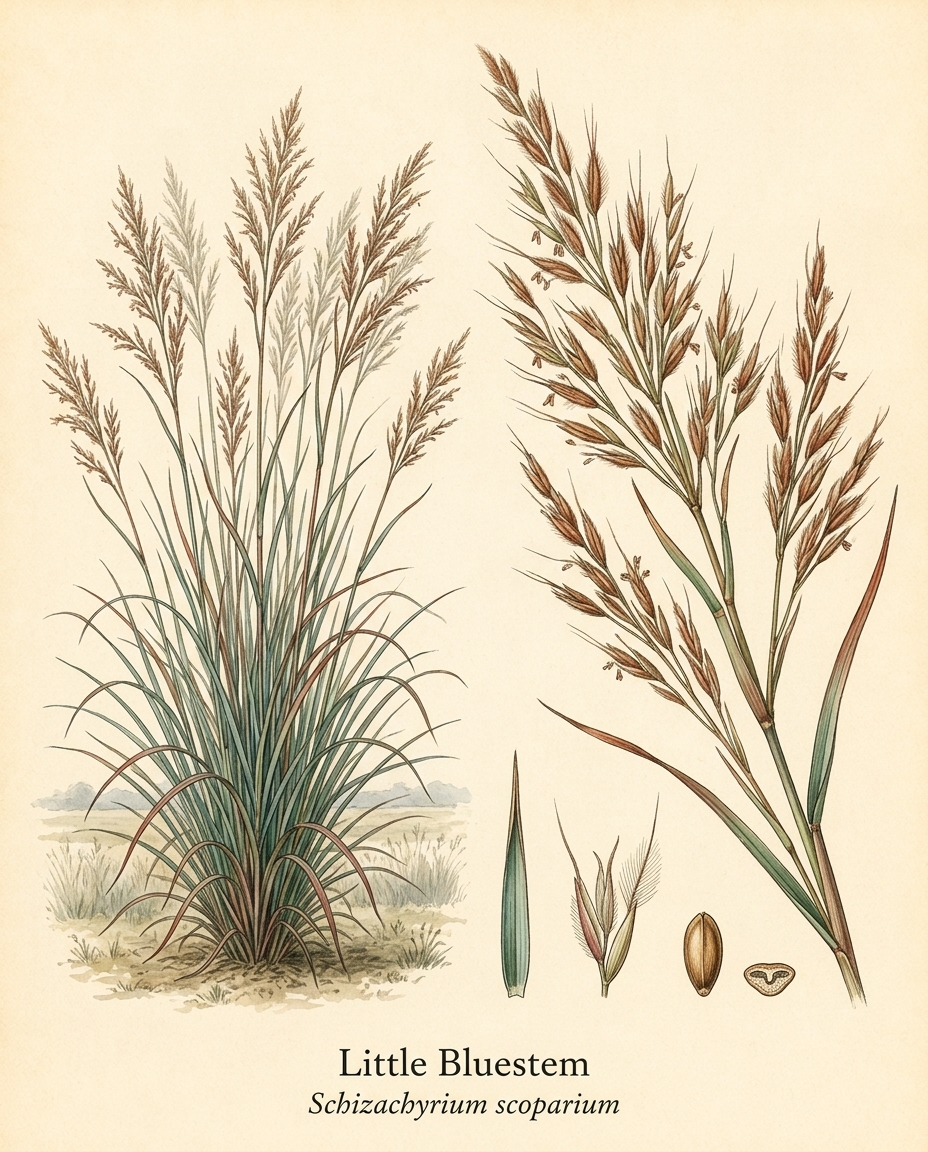
Little Bluestem
NativeSchizachyrium scoparium
Works well together.
- Different structural layer than Wayfaring Tree
- Noticeable height difference for a layered look
- Blooms in fall — extends color when Wayfaring Tree isn't flowering
- Fine grass texture contrasts with Wayfaring Tree's form
- Same water needs as Wayfaring Tree — one irrigation zone
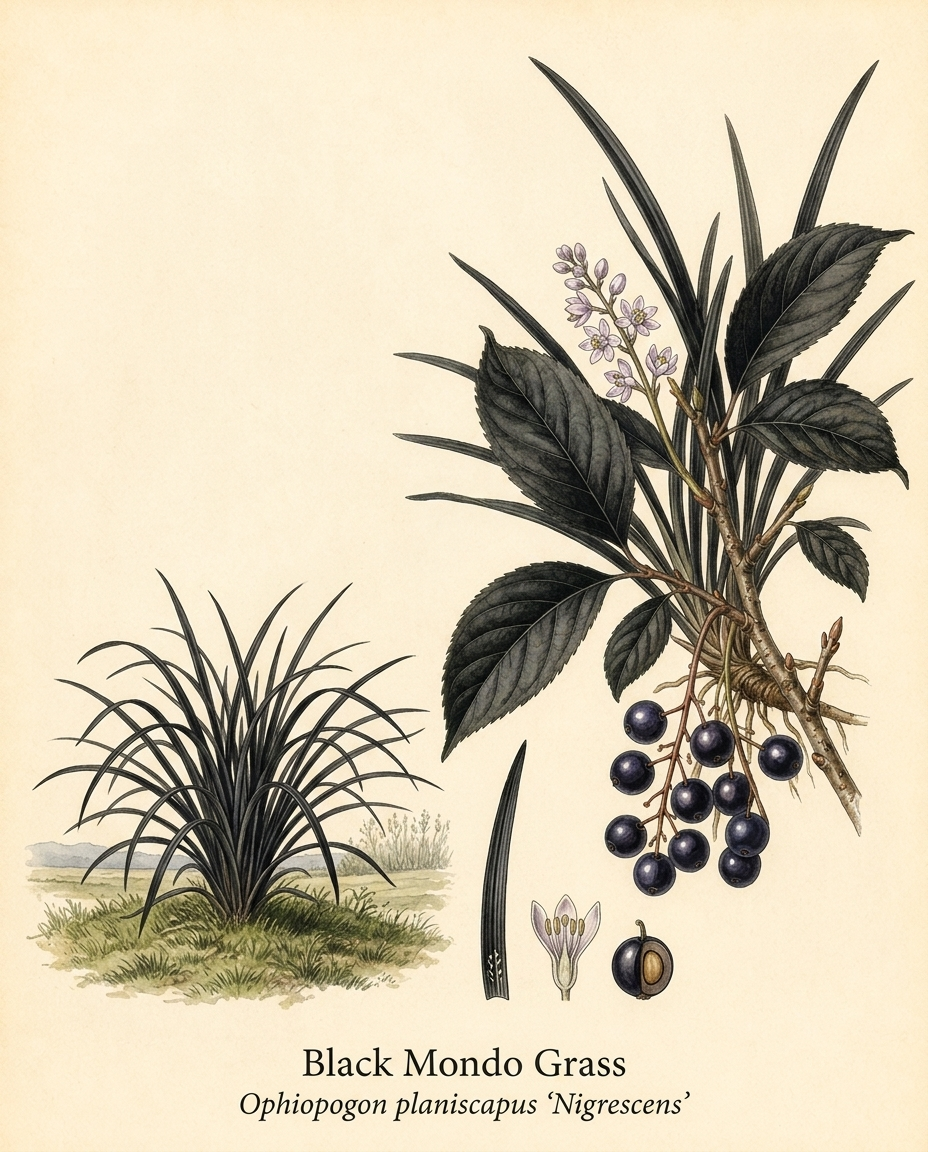
Black Mondo Grass
Ophiopogon planiscapus ‘Nigrescens’
Works well together.
- Different structural layer than Wayfaring Tree
- Noticeable height difference for a layered look
- Blooms in summer — extends color when Wayfaring Tree isn't flowering
- Fine grass texture contrasts with Wayfaring Tree's form
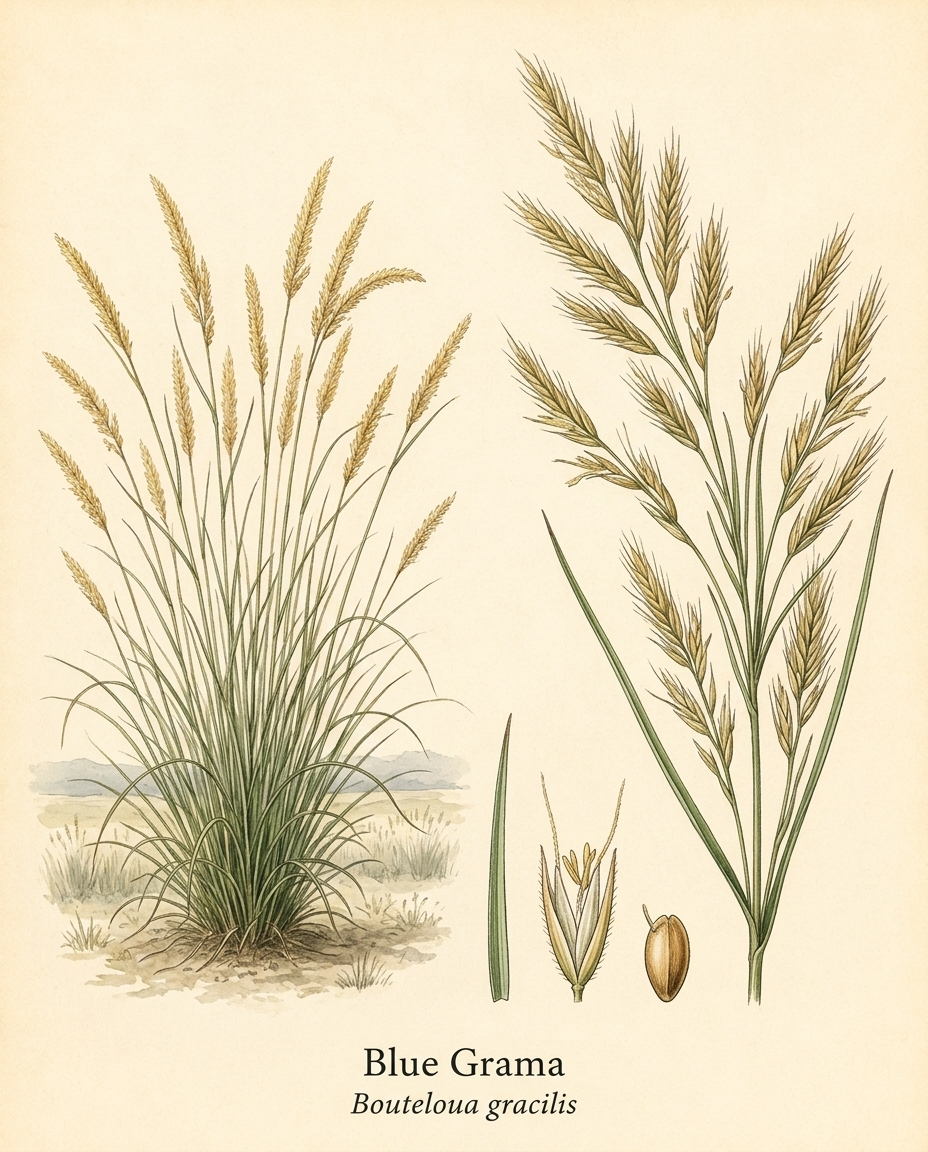
Blue Grama
NativeBouteloua gracilis
Works well together.
- Different structural layer than Wayfaring Tree
- Noticeable height difference for a layered look
- Blooms in summer — extends color when Wayfaring Tree isn't flowering
- Fine grass texture contrasts with Wayfaring Tree's form
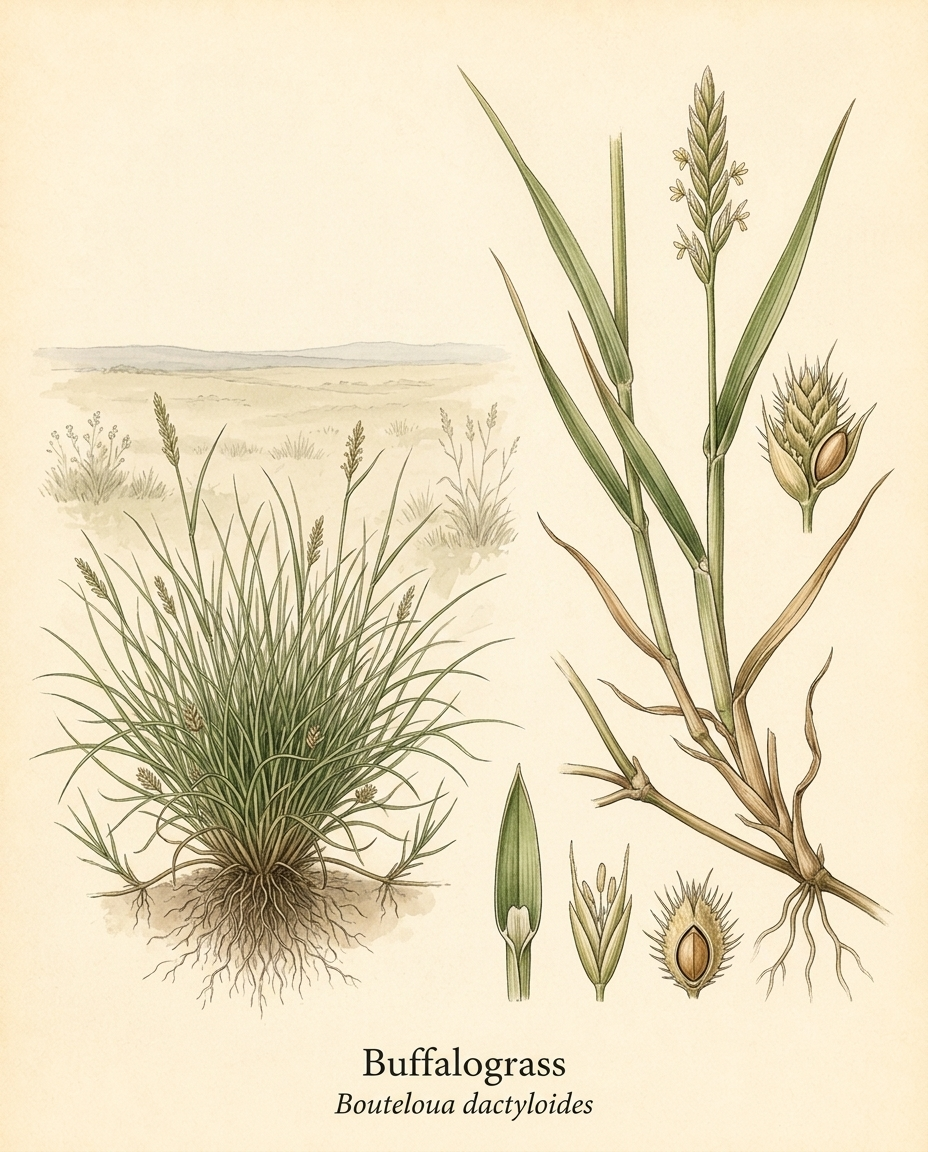
Buffalograss
NativeBouteloua dactyloides
Works well together.
- Different structural layer than Wayfaring Tree
- Noticeable height difference for a layered look
- Blooms in summer — extends color when Wayfaring Tree isn't flowering
- Fine grass texture contrasts with Wayfaring Tree's form
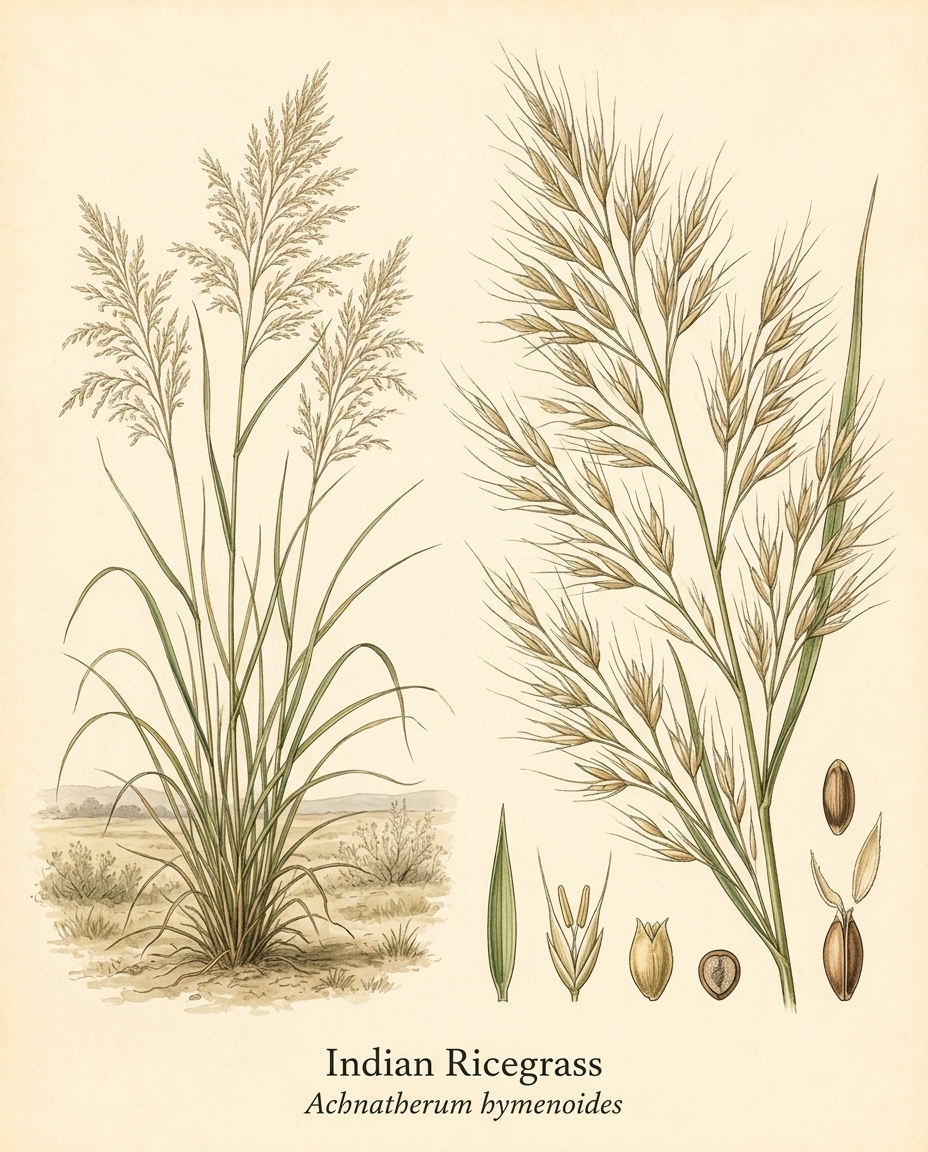
Indian Ricegrass
NativeAchnatherum hymenoides
Works well together.
- Different structural layer than Wayfaring Tree
- Noticeable height difference for a layered look
- Blooms in summer — extends color when Wayfaring Tree isn't flowering
- Fine grass texture contrasts with Wayfaring Tree's form
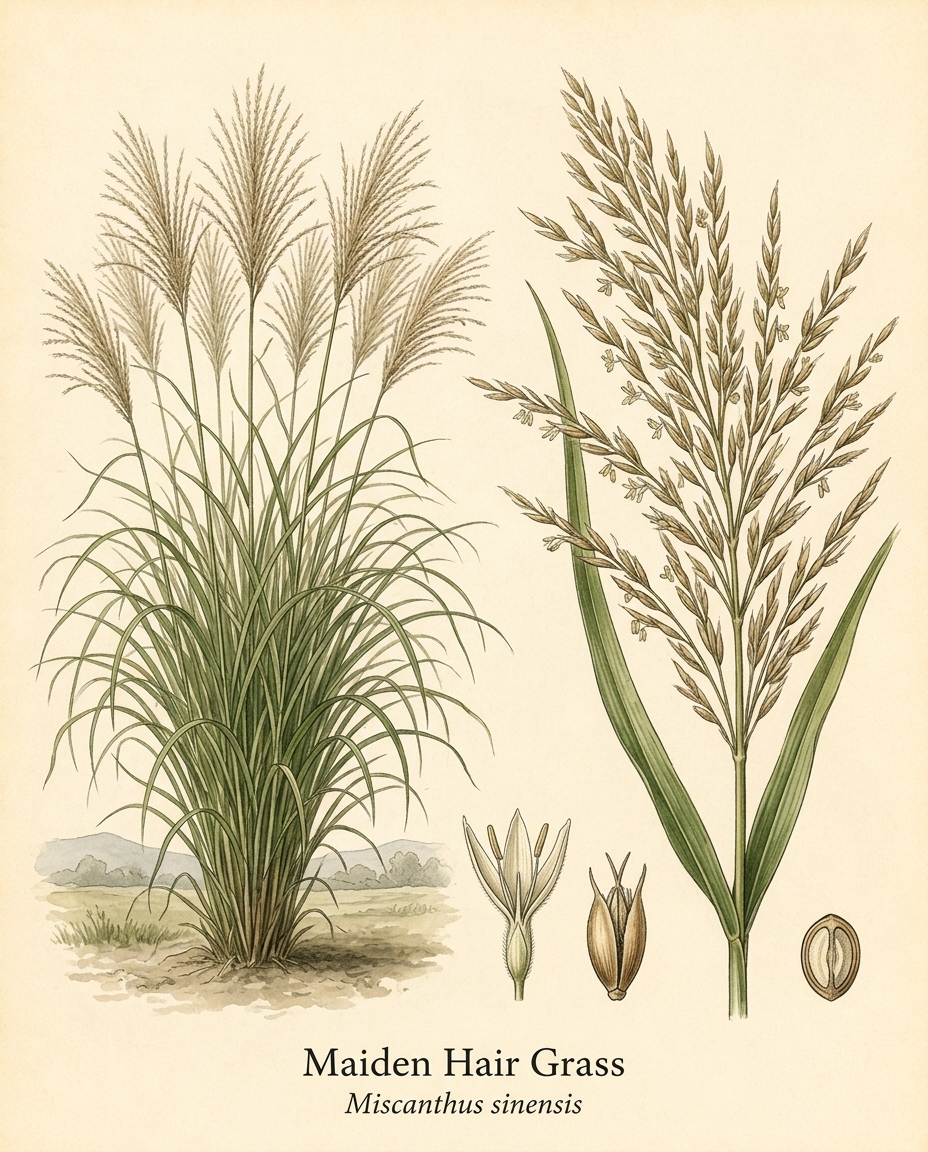
Maiden Hair Grass
Miscanthus sinensis
Works well together.
- Different structural layer than Wayfaring Tree
- Noticeable height difference for a layered look
- Blooms in fall — extends color when Wayfaring Tree isn't flowering
- Fine grass texture contrasts with Wayfaring Tree's form
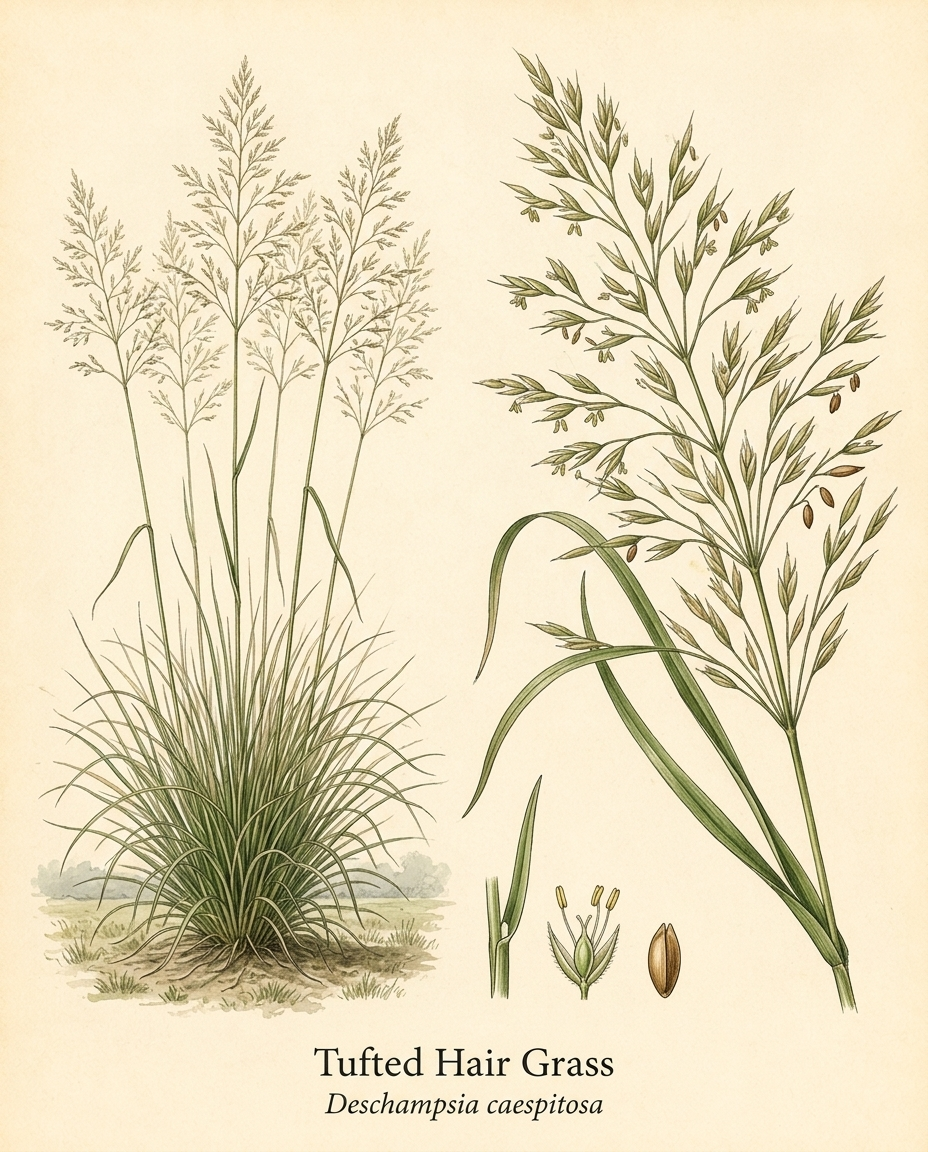
Tufted Hair Grass
Deschampsia caespitosa
Works well together.
- Different structural layer than Wayfaring Tree
- Noticeable height difference for a layered look
- Blooms in summer — extends color when Wayfaring Tree isn't flowering
- Fine grass texture contrasts with Wayfaring Tree's form
Perennial (38)
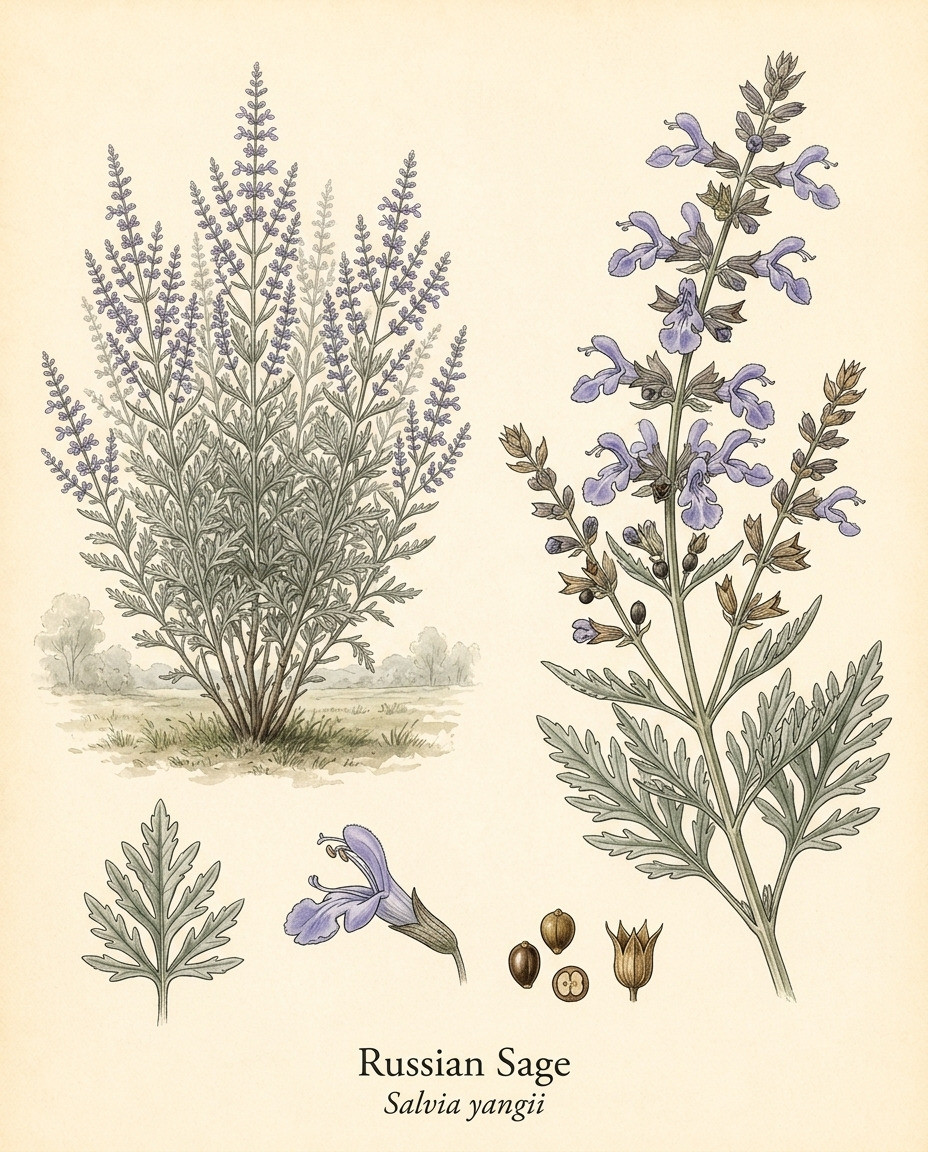
Russian Sage
Salvia yangii
A reliable, well-suited combination.
- Different structural layer than Wayfaring Tree
- Noticeable height difference for a layered look
- Blooms in fall and summer — extends color when Wayfaring Tree isn't flowering
- Silver foliage contrasts with Wayfaring Tree
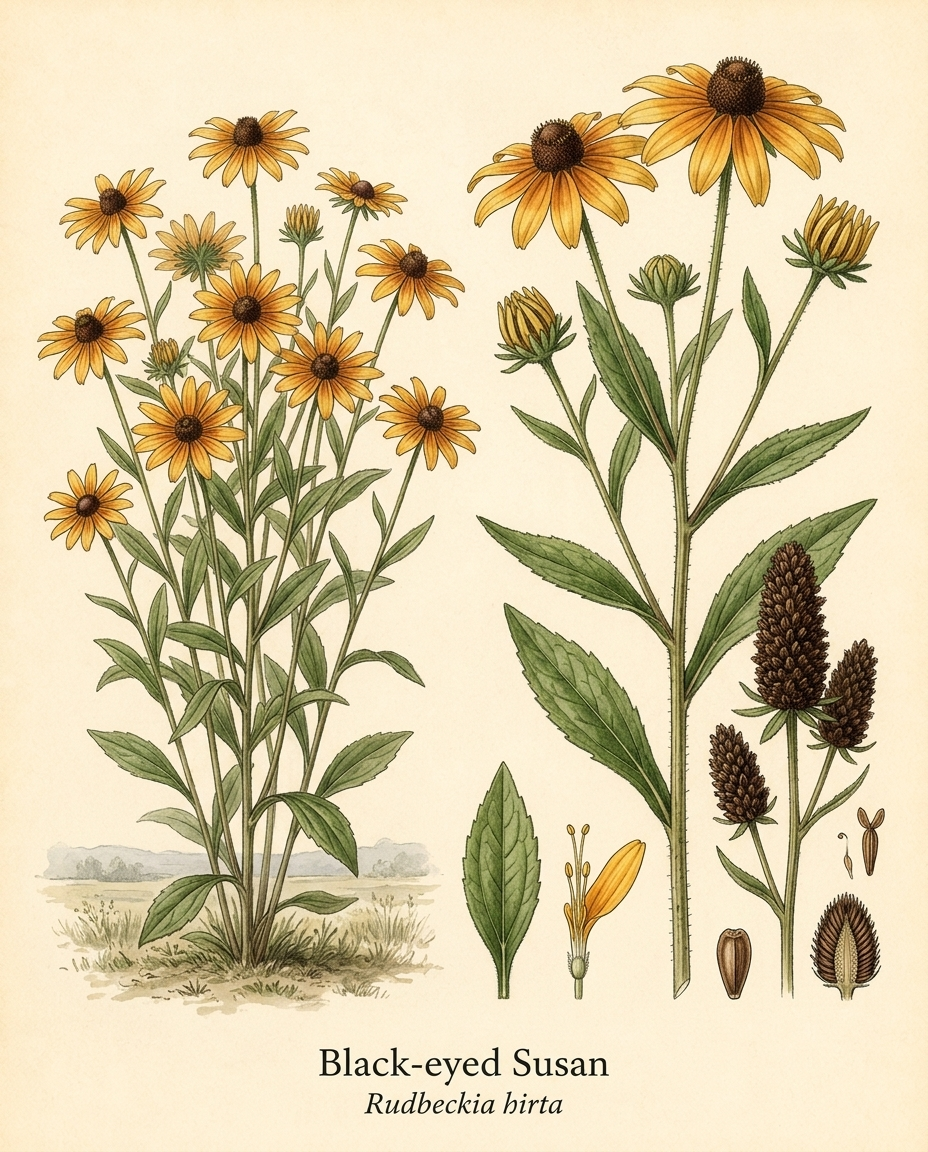
Black-eyed Susan
NativeRudbeckia hirta
Works well together.
- Different structural layer than Wayfaring Tree
- Noticeable height difference for a layered look
- Blooms in fall and summer — extends color when Wayfaring Tree isn't flowering
- Same water needs as Wayfaring Tree — one irrigation zone
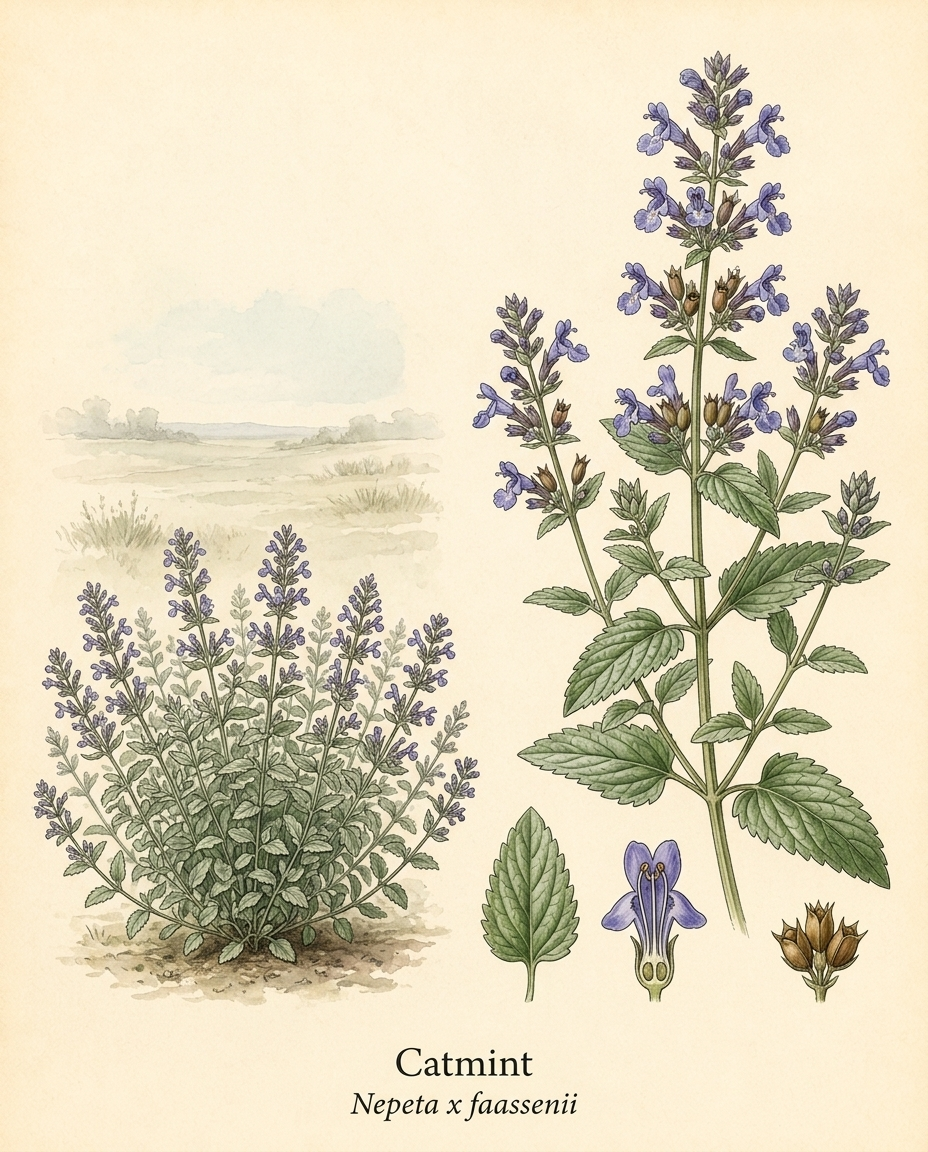
Catmint
Nepeta x faassenii
Works well together.
- Different structural layer than Wayfaring Tree
- Noticeable height difference for a layered look
- Blooms in summer — extends color when Wayfaring Tree isn't flowering
- Silver foliage contrasts with Wayfaring Tree
- Same water needs as Wayfaring Tree — one irrigation zone
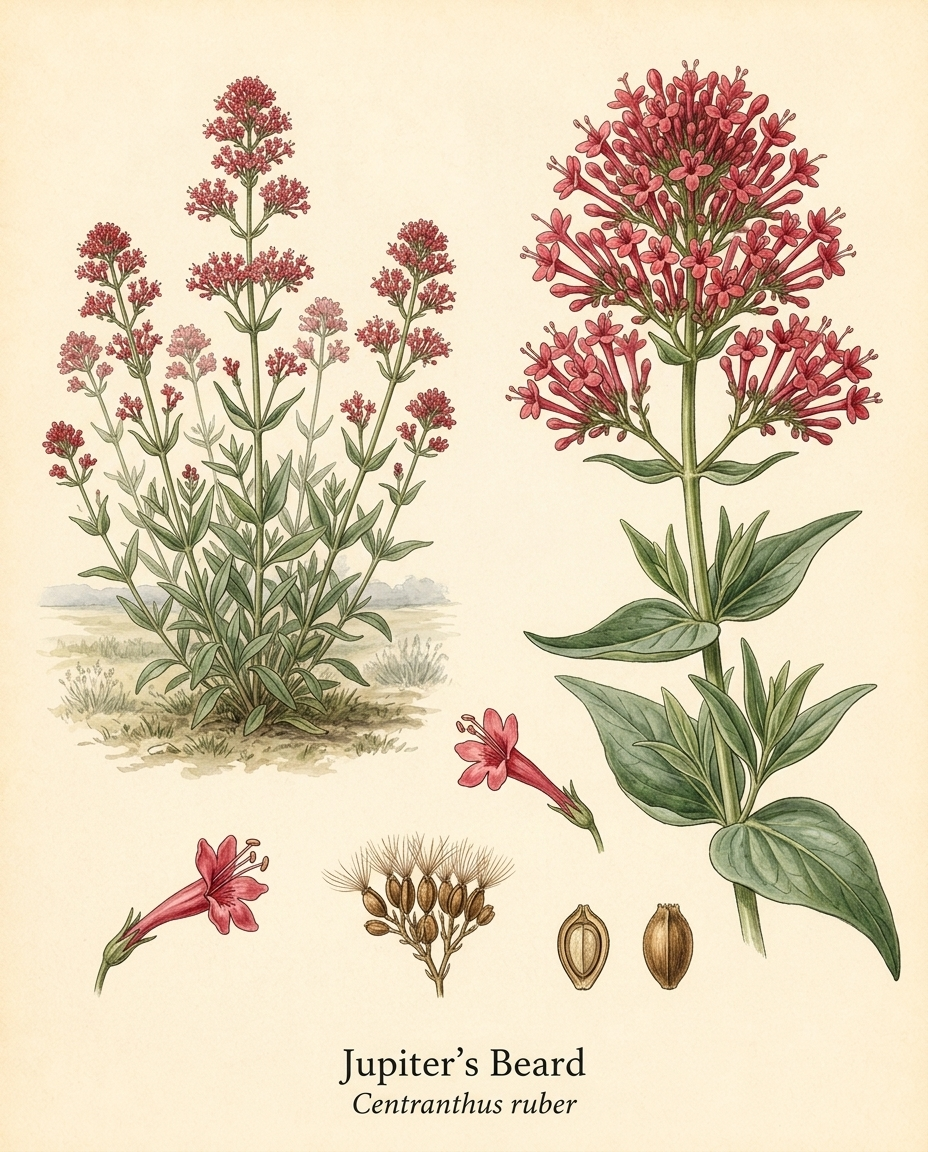
Jupiter's Beard
Centranthus ruber
Works well together.
- Different structural layer than Wayfaring Tree
- Noticeable height difference for a layered look
- Blooms in fall and summer — extends color when Wayfaring Tree isn't flowering
- Same water needs as Wayfaring Tree — one irrigation zone
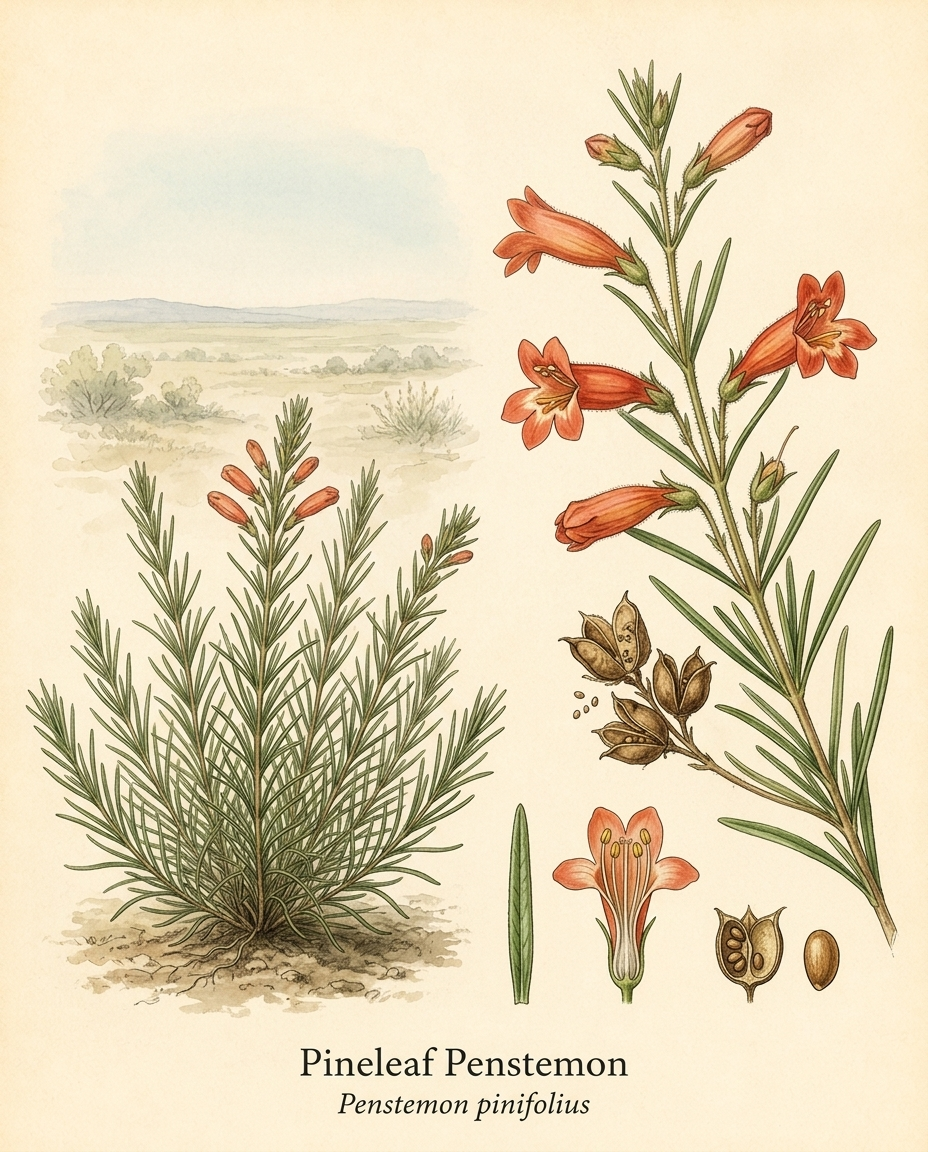
Pineleaf Penstemon
NativePenstemon pinifolius
Works well together.
- Different structural layer than Wayfaring Tree
- Noticeable height difference for a layered look
- Blooms in summer — extends color when Wayfaring Tree isn't flowering
- Evergreen — holds structure through winter
- Supports pollinators and wildlife
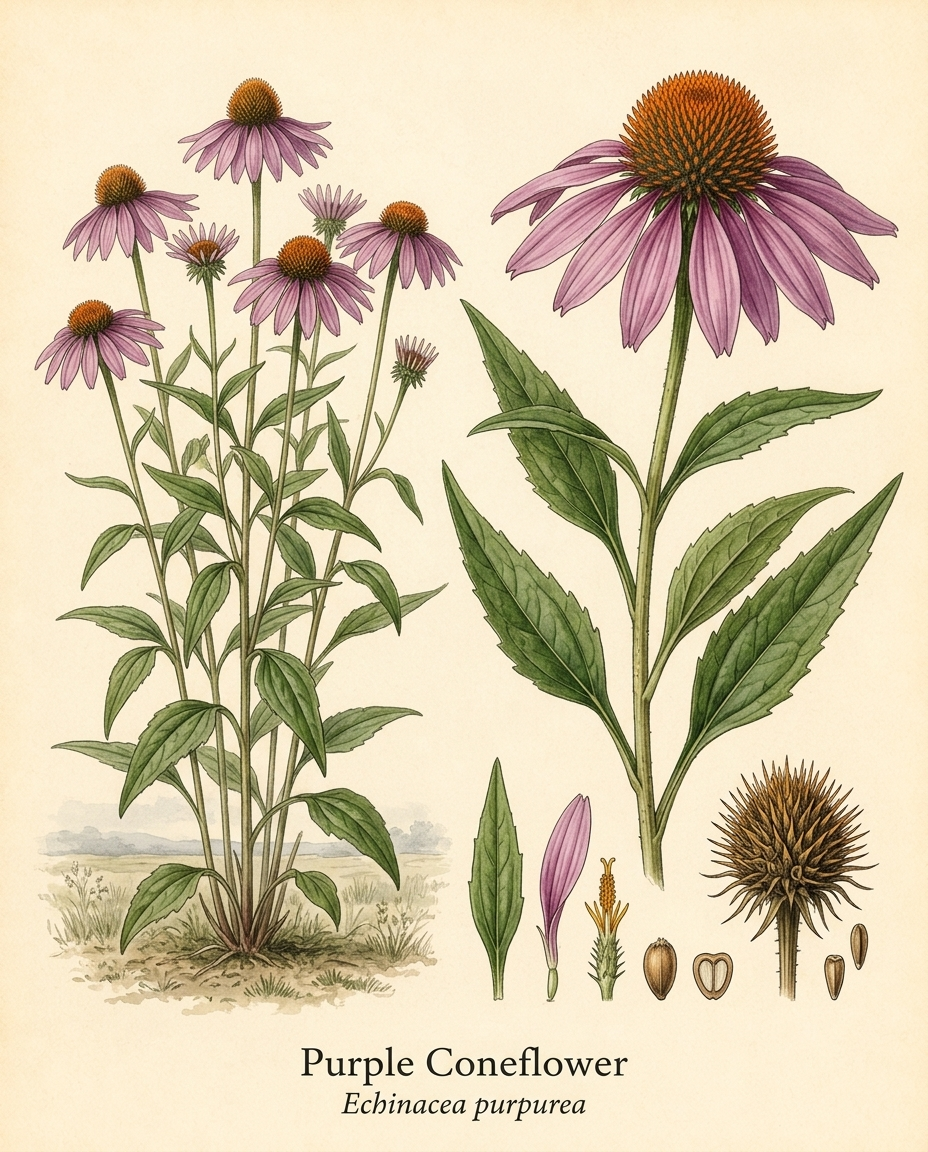
Purple Coneflower
NativeEchinacea purpurea
Works well together.
- Different structural layer than Wayfaring Tree
- Noticeable height difference for a layered look
- Blooms in fall and summer — extends color when Wayfaring Tree isn't flowering
- Same water needs as Wayfaring Tree — one irrigation zone
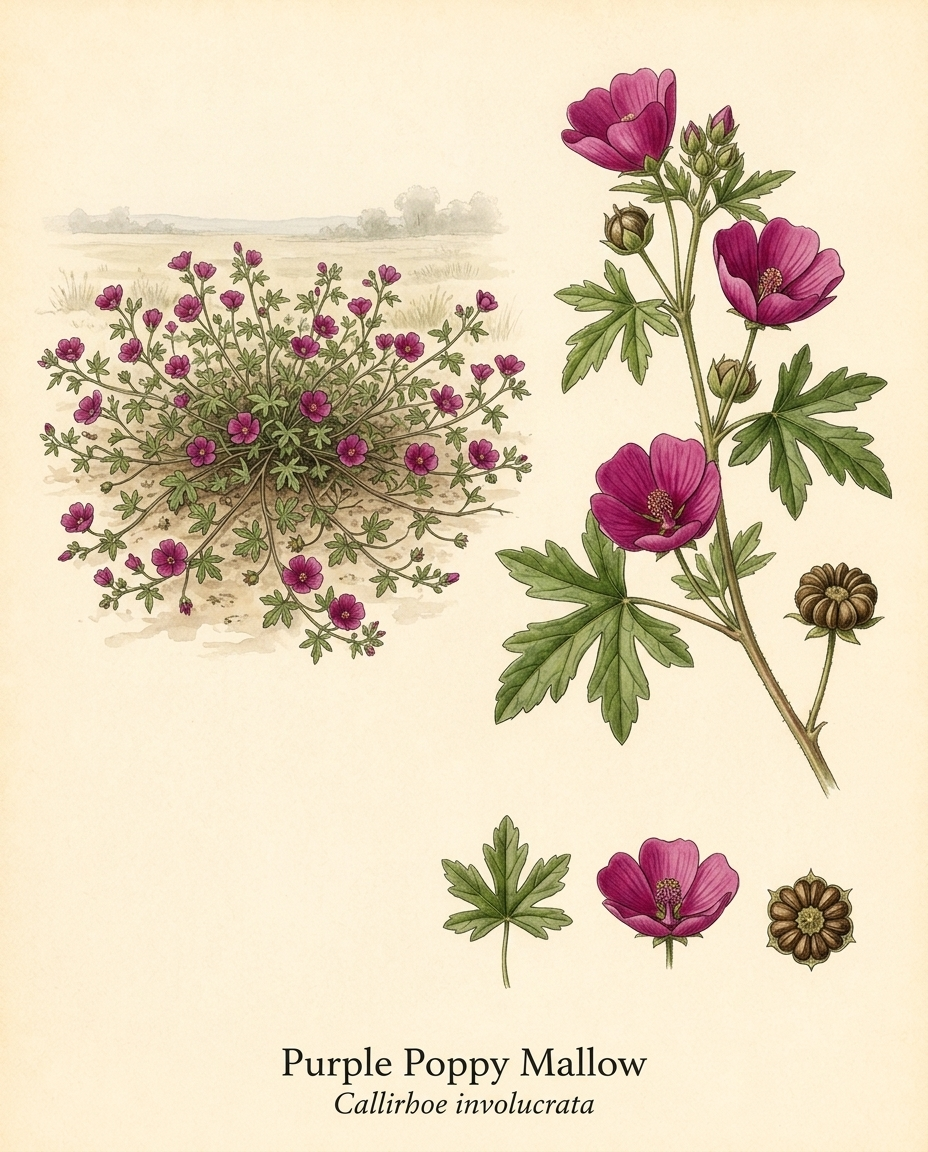
Purple Poppy Mallow
NativeCallirhoe involucrata
Works well together.
- Different structural layer than Wayfaring Tree
- Noticeable height difference for a layered look
- Blooms in summer — extends color when Wayfaring Tree isn't flowering
- Supports pollinators and wildlife
- Fire-resistant — good for defensible space
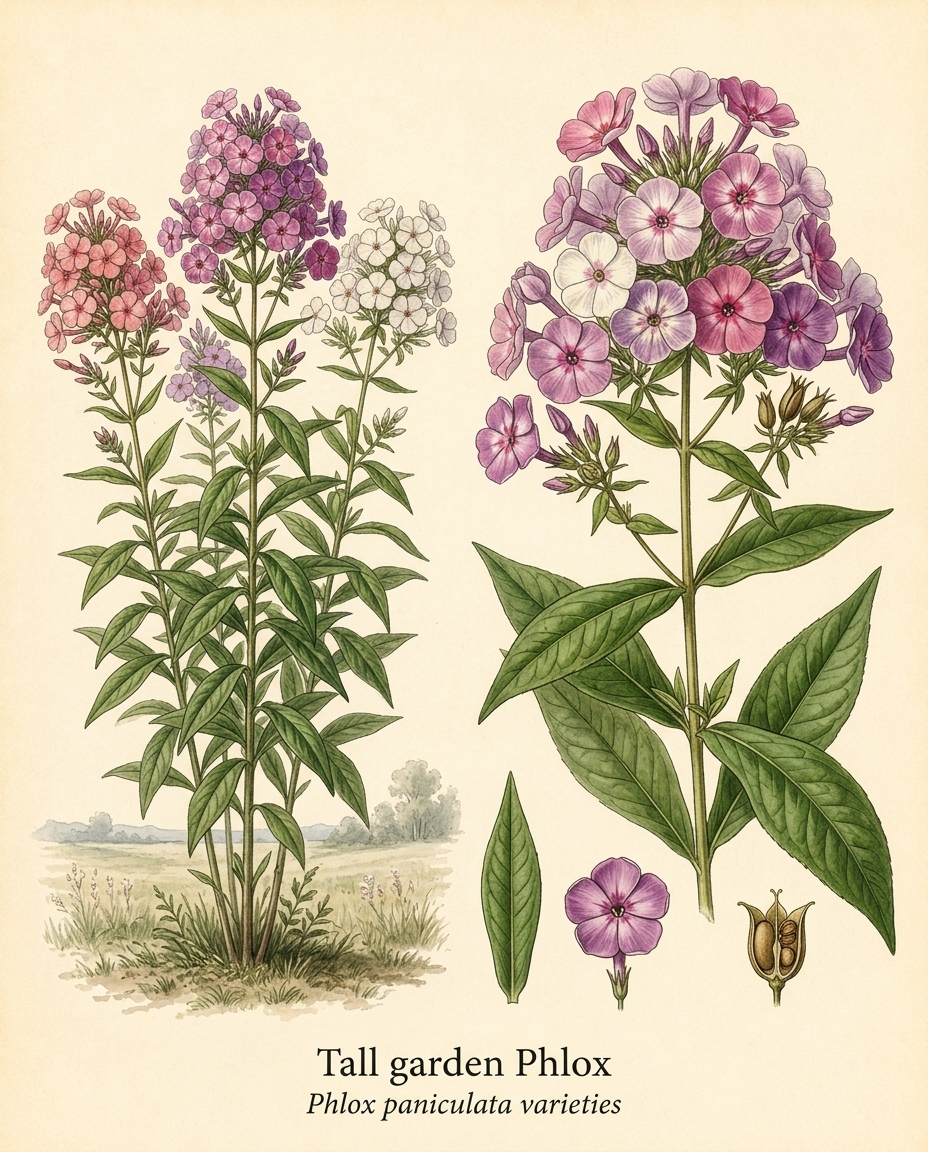
Tall garden Phlox
Phlox paniculata varieties
Works well together.
- Different structural layer than Wayfaring Tree
- Noticeable height difference for a layered look
- Blooms in summer — extends color when Wayfaring Tree isn't flowering
- Supports pollinators and wildlife
- Fire-resistant — good for defensible space
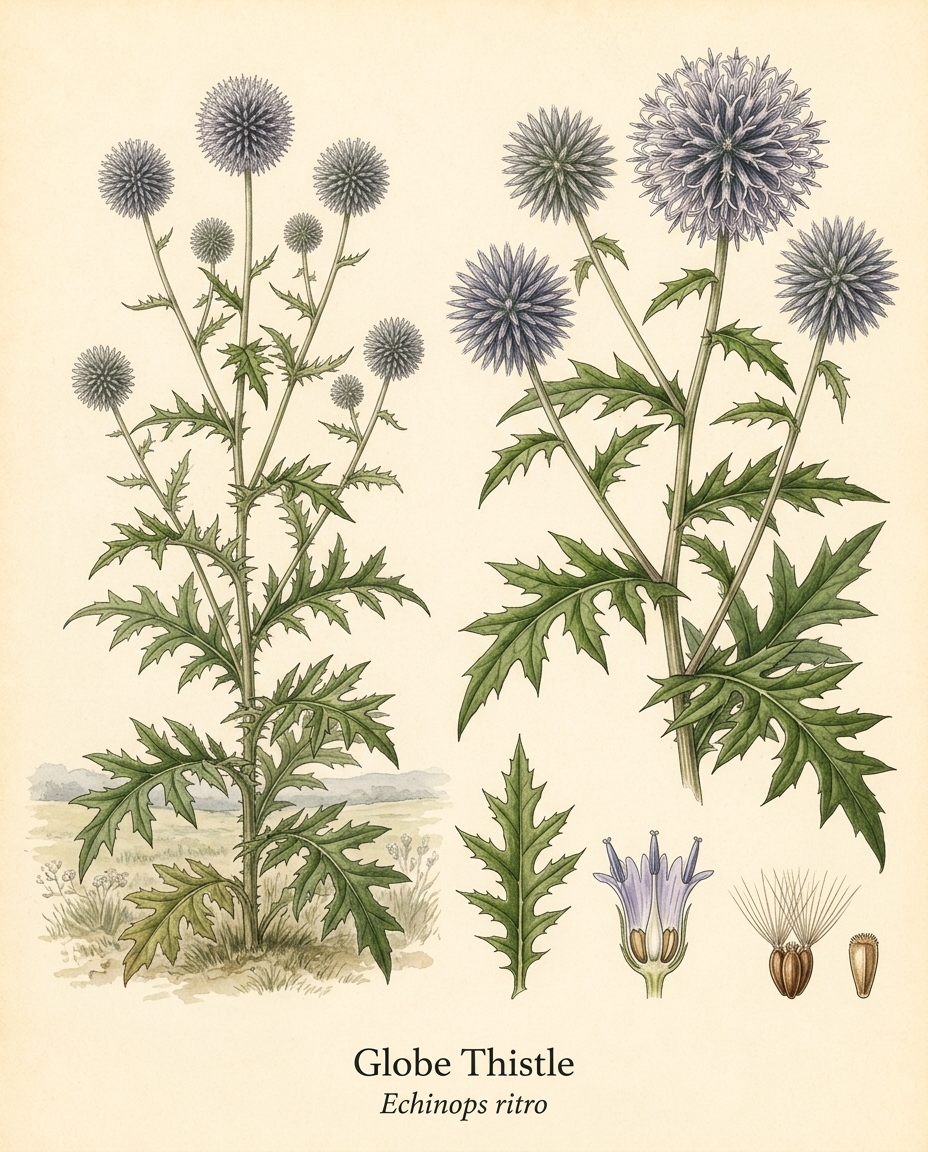
Globe thistle
Echinops ritro
Works well together.
- Different structural layer than Wayfaring Tree
- Noticeable height difference for a layered look
- Blooms in summer — extends color when Wayfaring Tree isn't flowering
- Supports pollinators and wildlife
- Same water needs as Wayfaring Tree — one irrigation zone
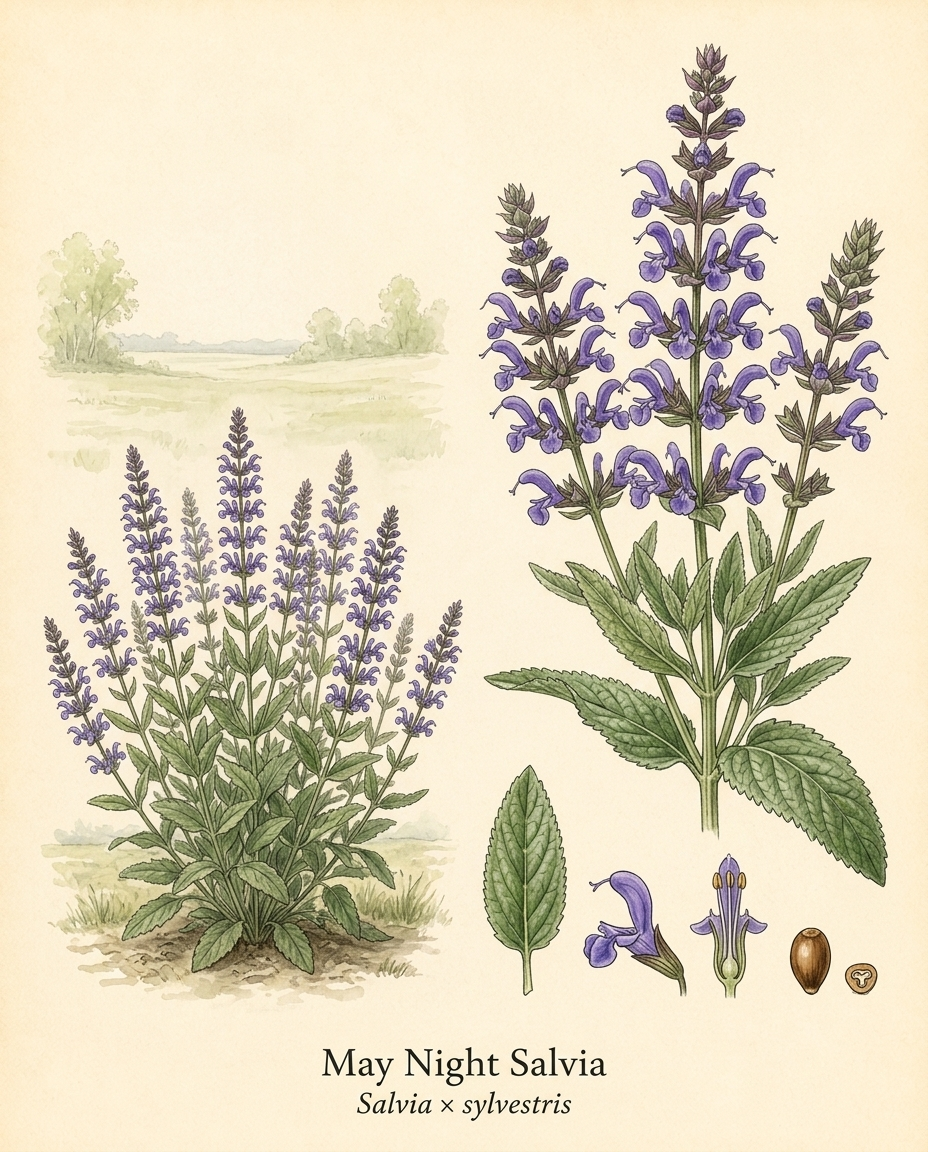
May Night Salvia
NativeSalvia x sylvestris
Works well together.
- Different structural layer than Wayfaring Tree
- Noticeable height difference for a layered look
- Blooms in summer — extends color when Wayfaring Tree isn't flowering
- Supports pollinators and wildlife
- Same water needs as Wayfaring Tree — one irrigation zone
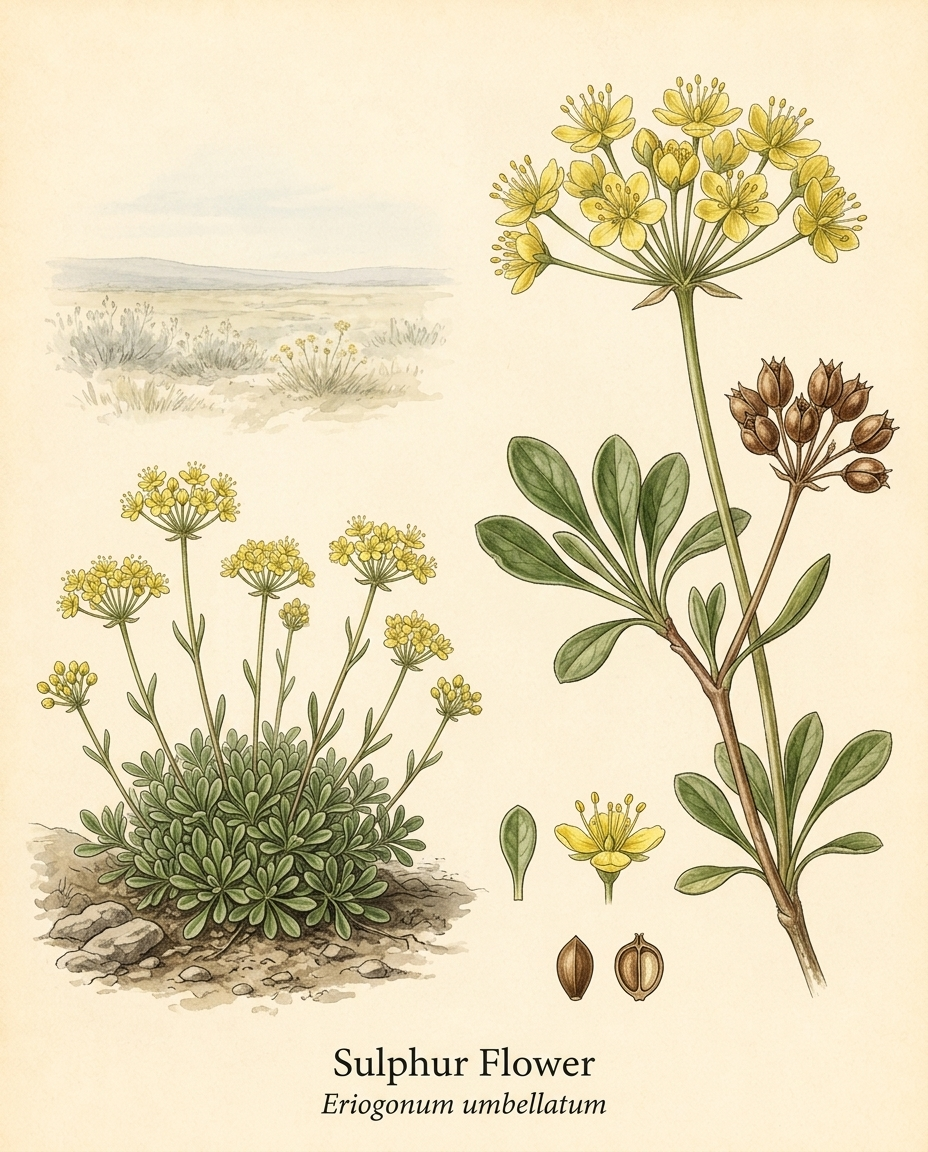
Sulphur Flower
NativeEriogonum umbellatum
Works well together.
- Different structural layer than Wayfaring Tree
- Noticeable height difference for a layered look
- Blooms in summer — extends color when Wayfaring Tree isn't flowering
- Evergreen — holds structure through winter
- Supports pollinators and wildlife
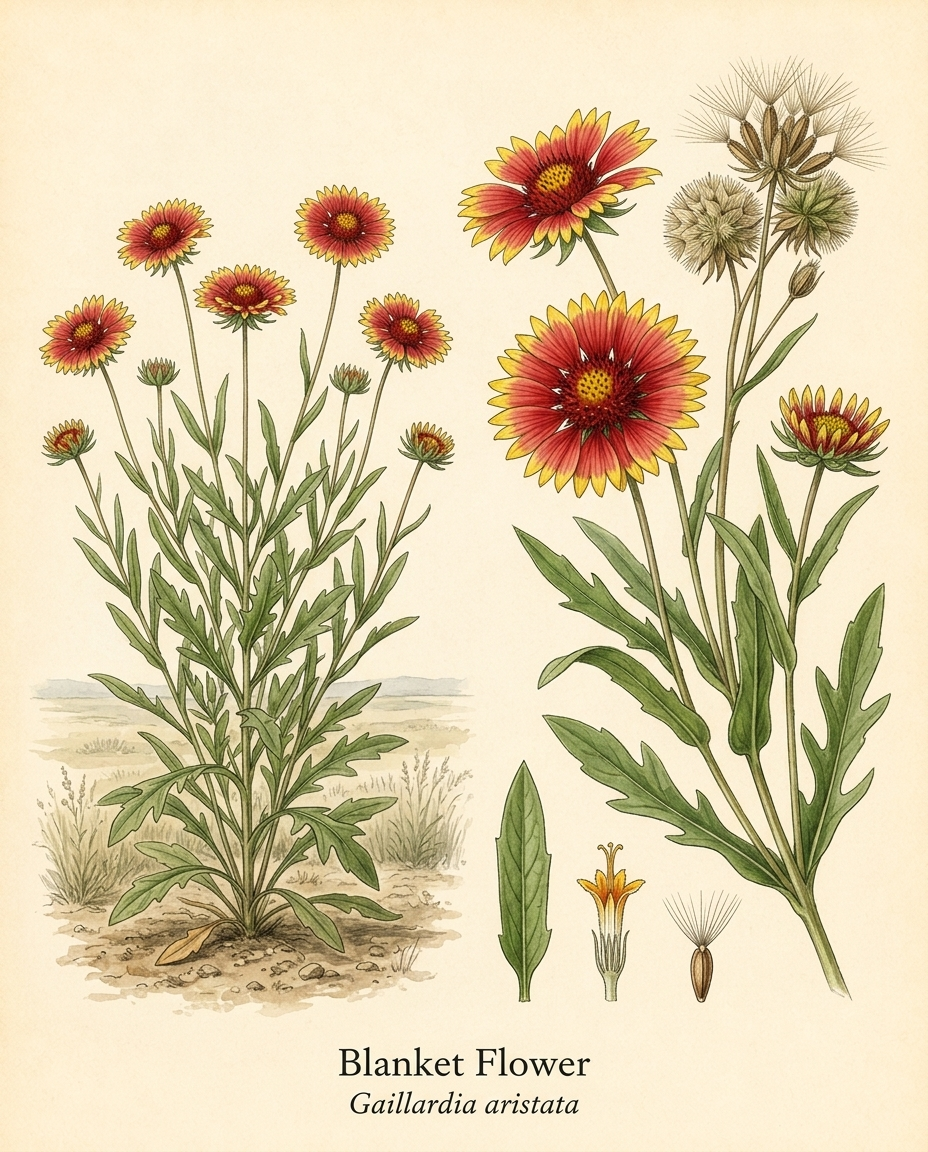
Blanket Flower
NativeGaillardia aristata
Works well together.
- Different structural layer than Wayfaring Tree
- Noticeable height difference for a layered look
- Blooms in fall and summer — extends color when Wayfaring Tree isn't flowering
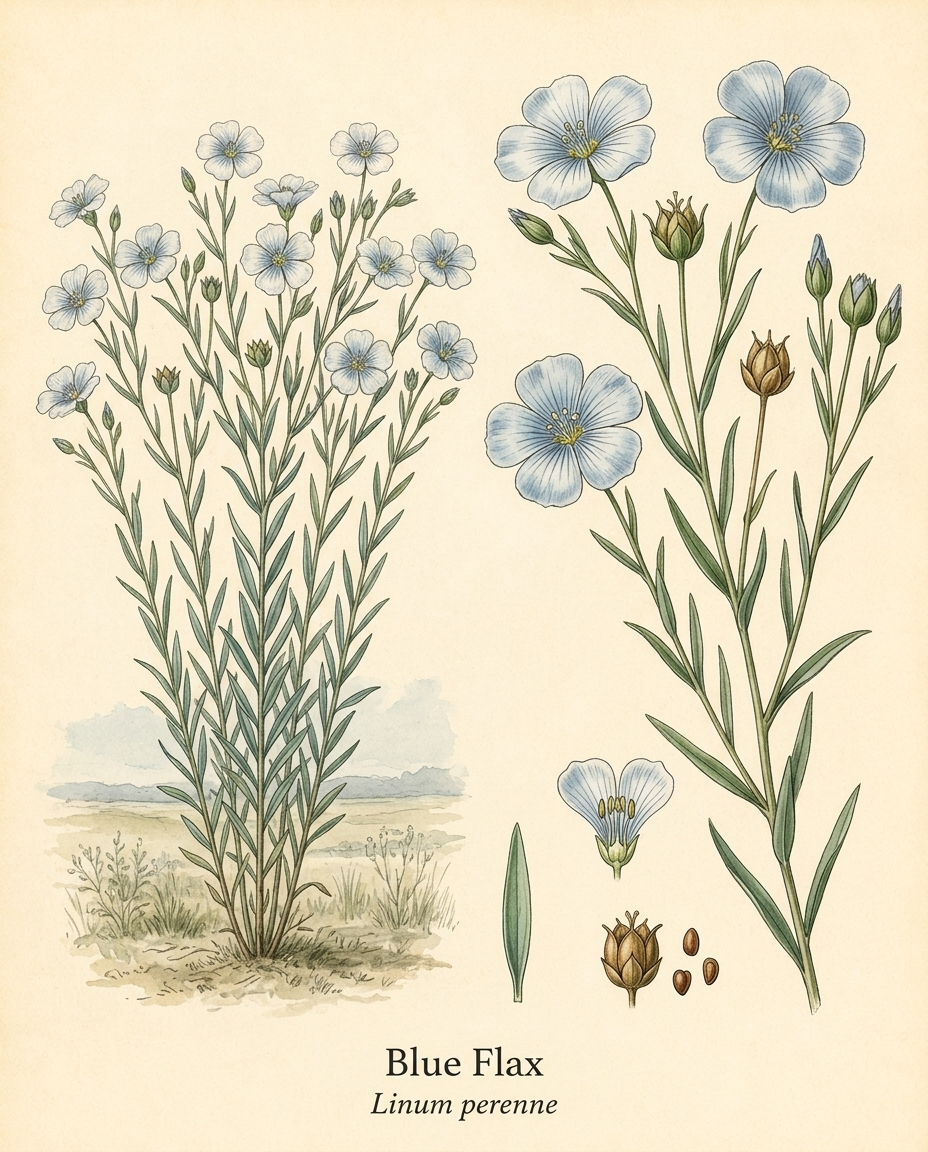
Blue Flax
NativeLinum perenne
Works well together.
- Different structural layer than Wayfaring Tree
- Noticeable height difference for a layered look
- Blooms in summer — extends color when Wayfaring Tree isn't flowering
- Supports pollinators and wildlife
- Fire-resistant — good for defensible space
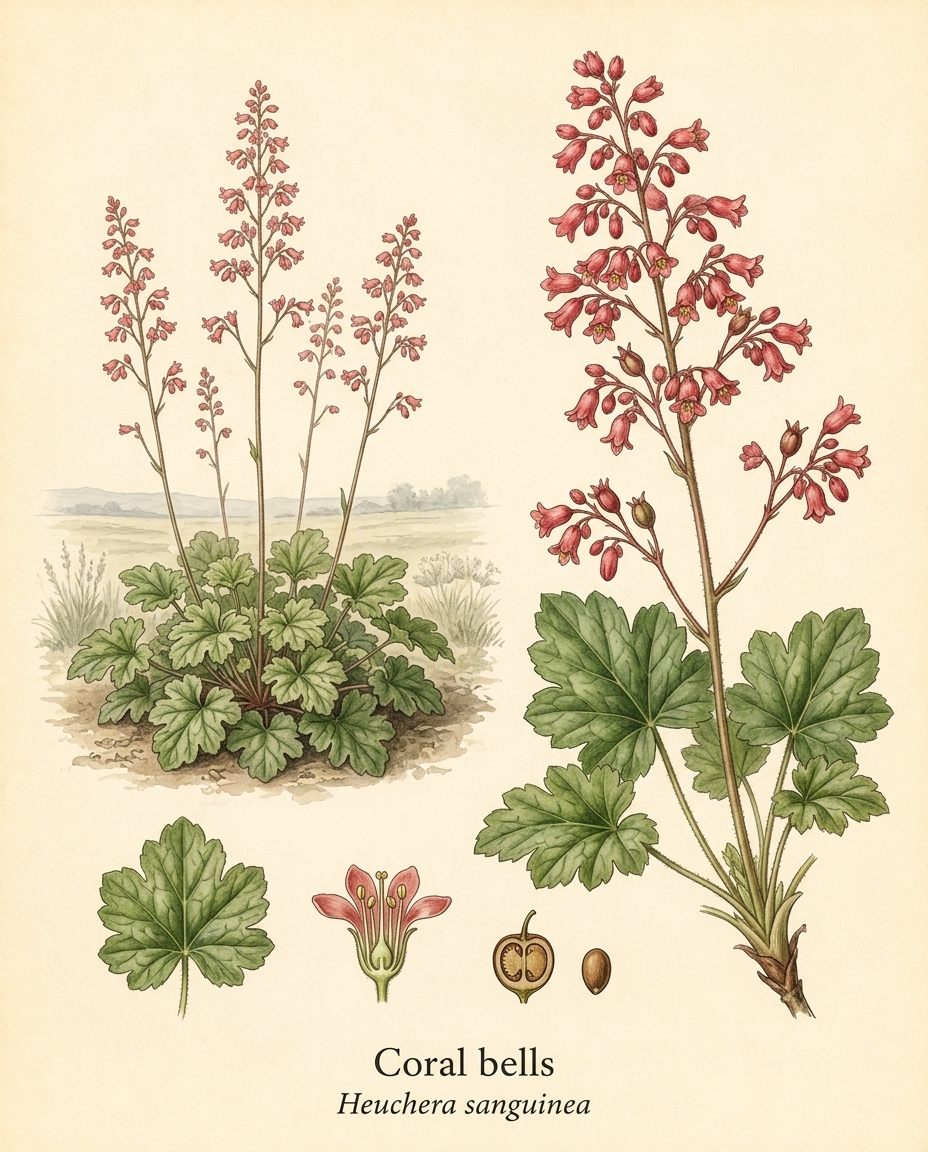
Coral bells
Heuchera sanguinea
Works well together.
- Different structural layer than Wayfaring Tree
- Noticeable height difference for a layered look
- Blooms in summer — extends color when Wayfaring Tree isn't flowering
- Supports pollinators and wildlife
- Fire-resistant — good for defensible space
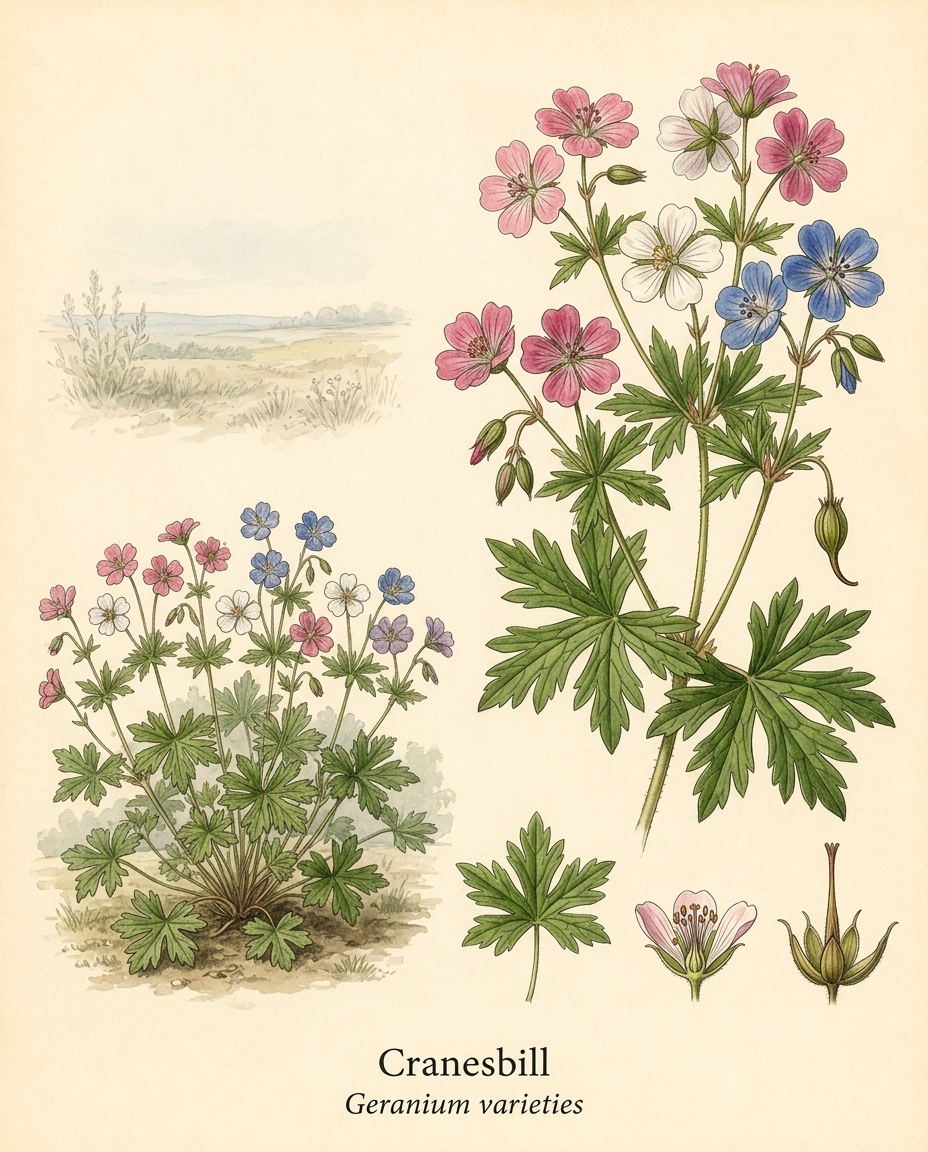
Cranesbill
Geranium varieties
Works well together.
- Different structural layer than Wayfaring Tree
- Noticeable height difference for a layered look
- Blooms in summer — extends color when Wayfaring Tree isn't flowering
- Fire-resistant — good for defensible space
- Same water needs as Wayfaring Tree — one irrigation zone
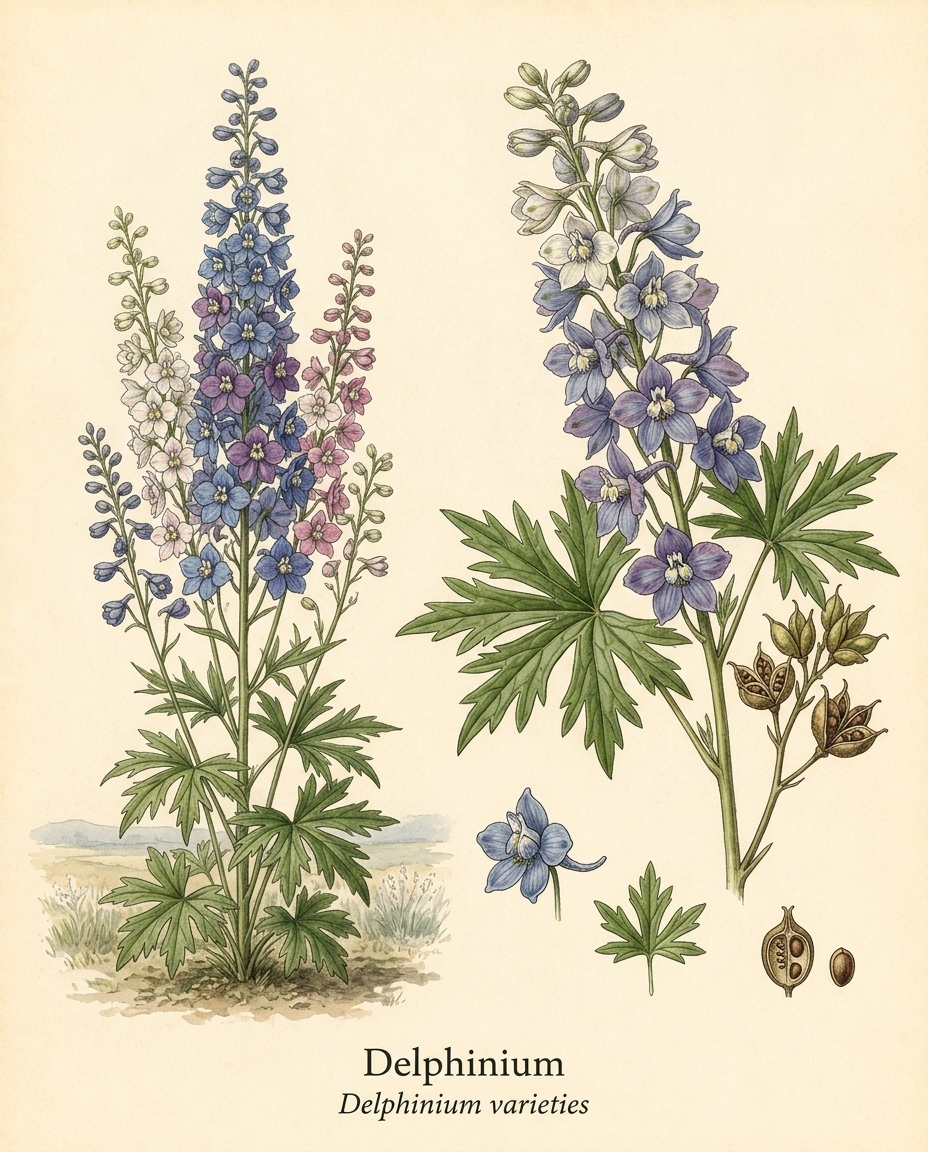
Delphinium
Delphinium varieties
Works well together.
- Different structural layer than Wayfaring Tree
- Noticeable height difference for a layered look
- Blooms in summer — extends color when Wayfaring Tree isn't flowering
- Fire-resistant — good for defensible space
- Same water needs as Wayfaring Tree — one irrigation zone
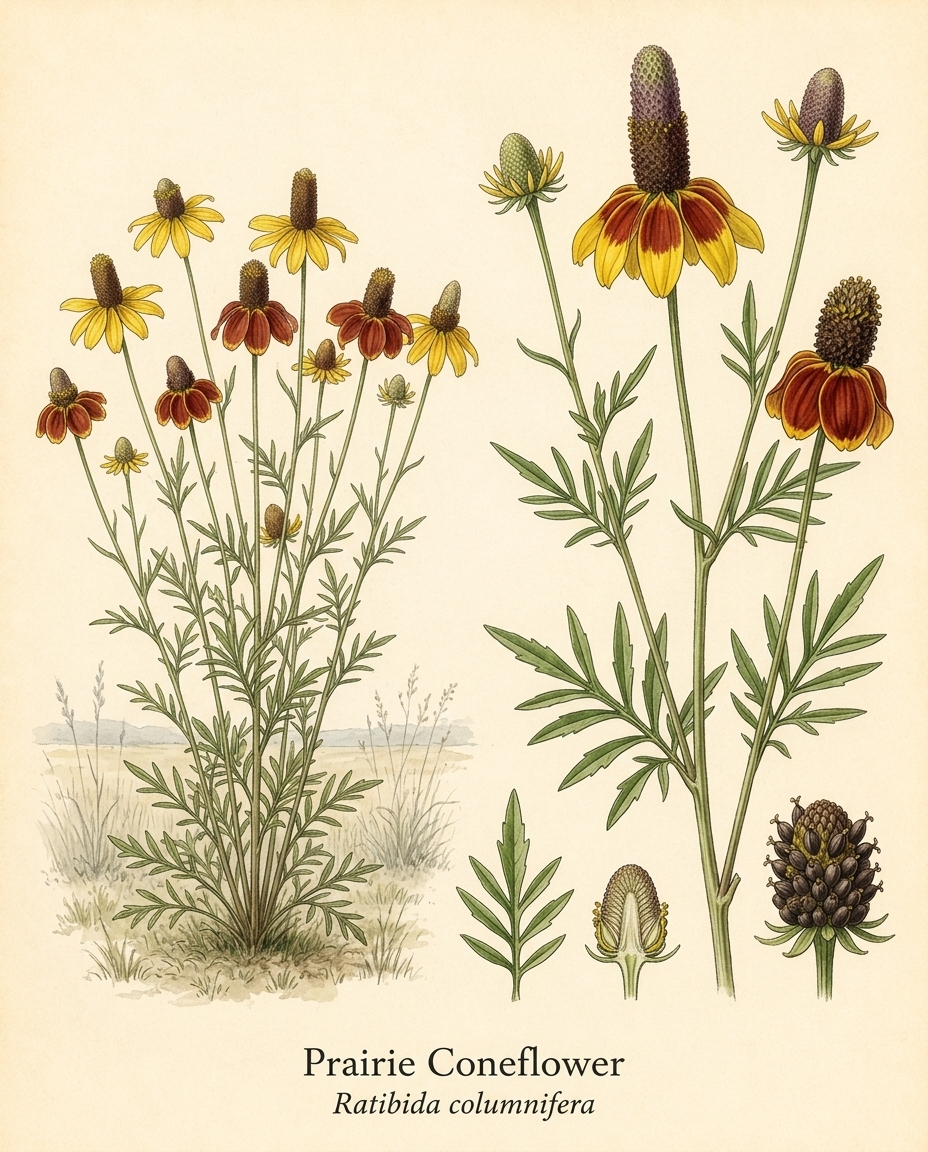
Prairie Coneflower
NativeRatibida columnifera
Works well together.
- Different structural layer than Wayfaring Tree
- Noticeable height difference for a layered look
- Blooms in fall and summer — extends color when Wayfaring Tree isn't flowering
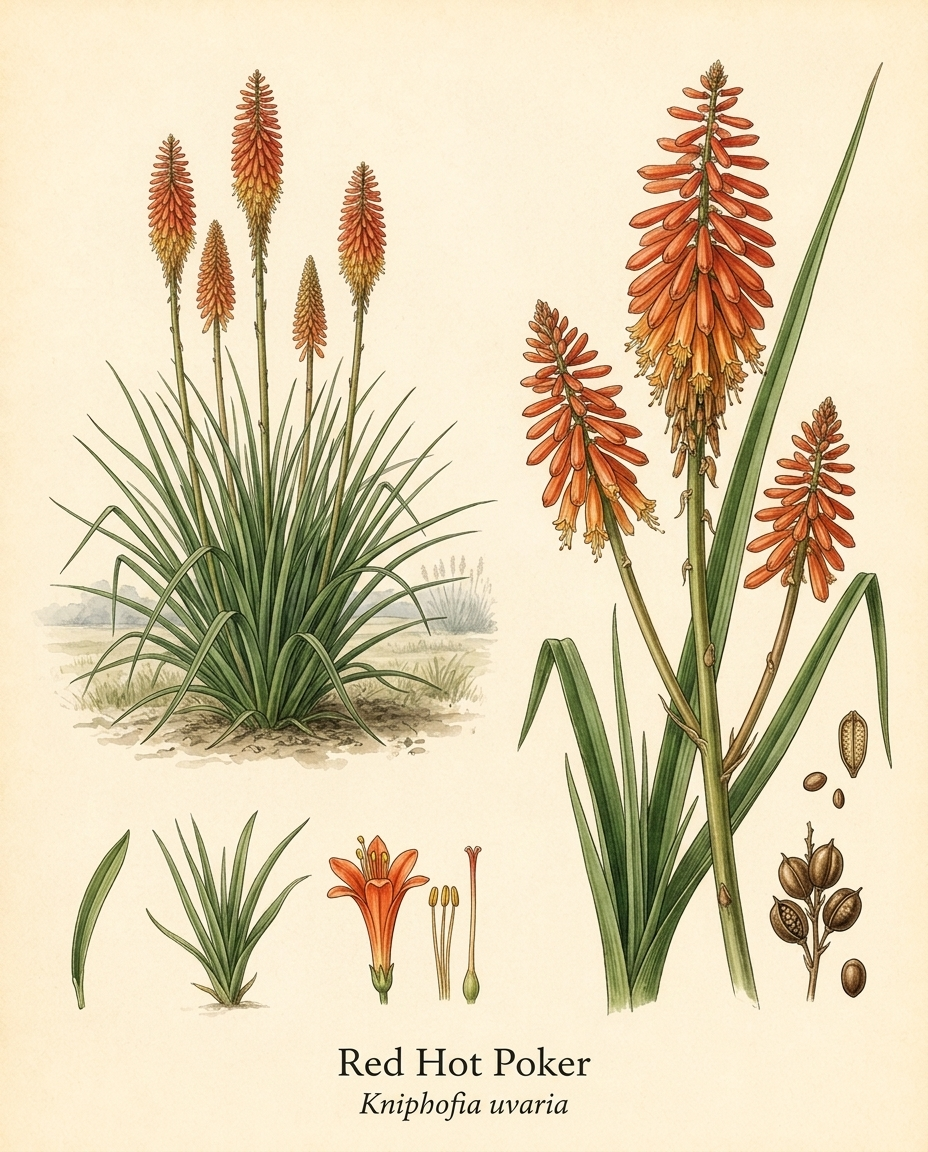
Red Hot Poker
Kniphofia uvaria
Works well together.
- Different structural layer than Wayfaring Tree
- Noticeable height difference for a layered look
- Blooms in summer — extends color when Wayfaring Tree isn't flowering
- Evergreen — holds structure through winter
- Fire-resistant — good for defensible space
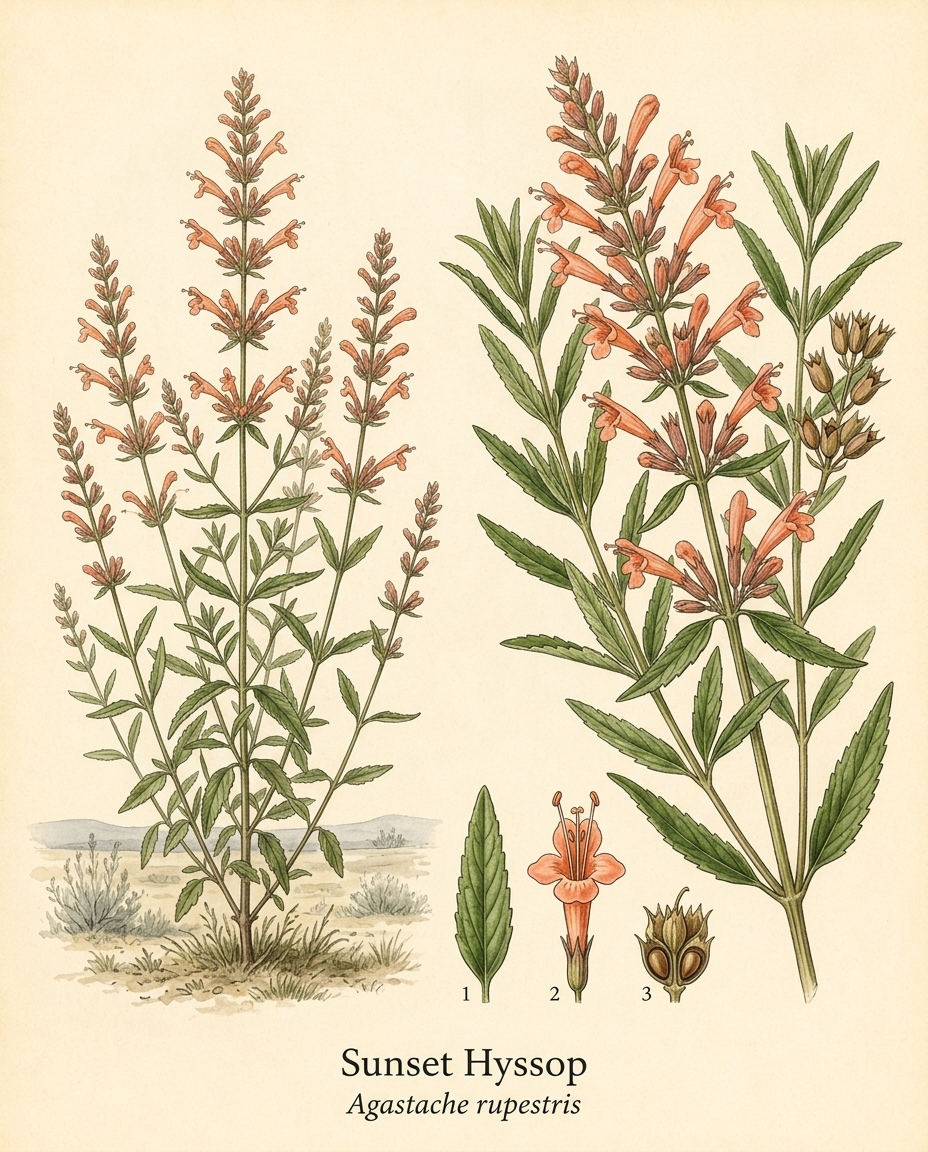
Sunset Hyssop
NativeAgastache rupestris
Works well together.
- Different structural layer than Wayfaring Tree
- Noticeable height difference for a layered look
- Blooms in fall and summer — extends color when Wayfaring Tree isn't flowering
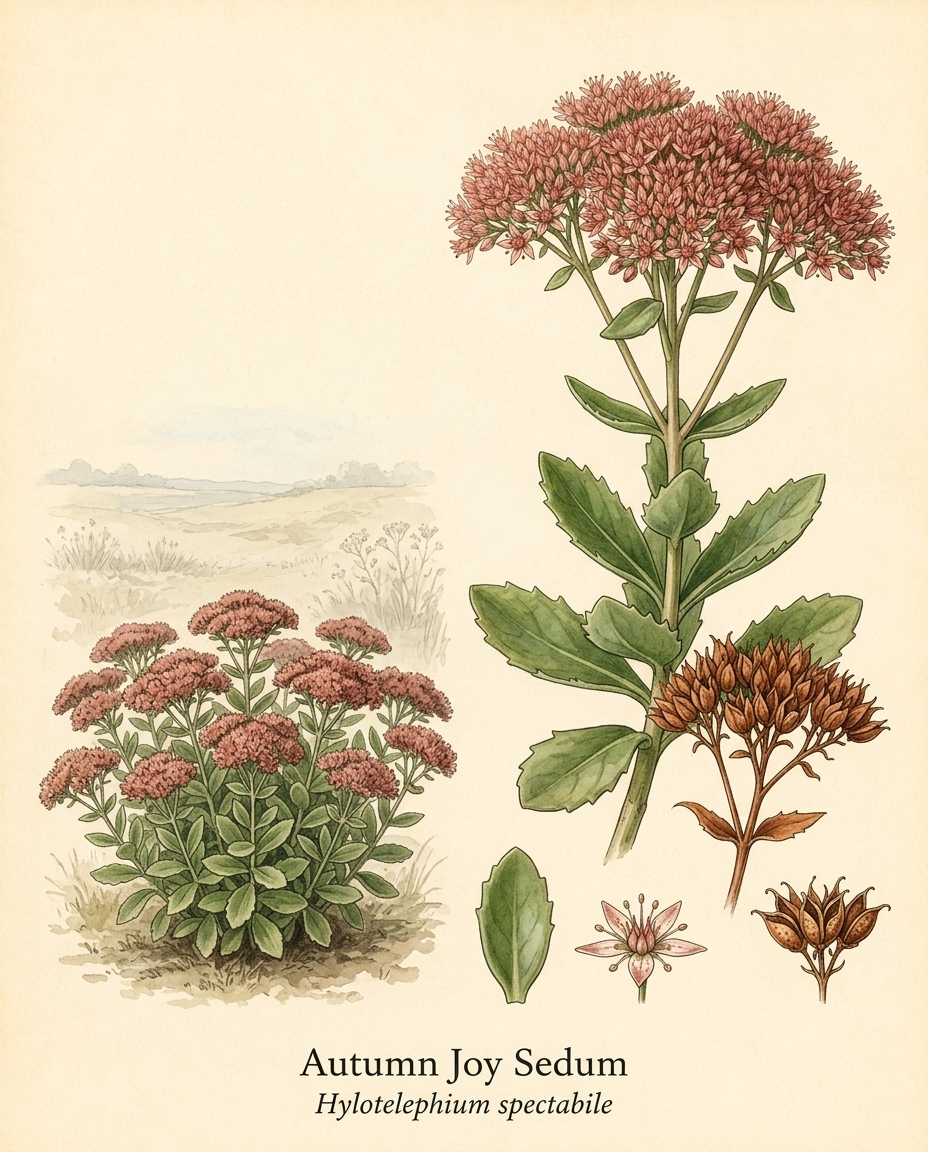
Autumn Joy Sedum
Hylotelephium spectabile
Works well together.
- Different structural layer than Wayfaring Tree
- Noticeable height difference for a layered look
- Blooms in fall — extends color when Wayfaring Tree isn't flowering
- Same water needs as Wayfaring Tree — one irrigation zone
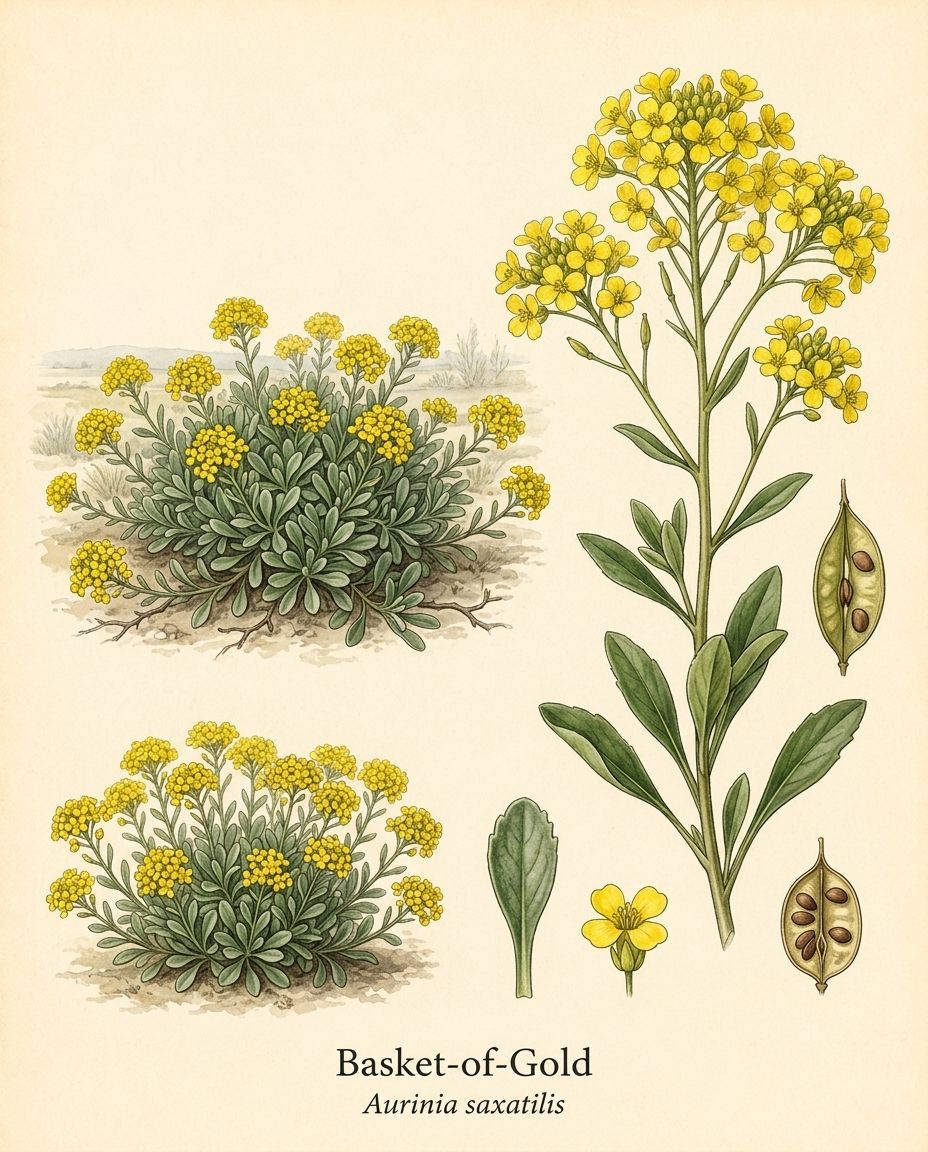
Basket-of-Gold
Aurinia saxatilis
Works well together.
- Different structural layer than Wayfaring Tree
- Noticeable height difference for a layered look
- Evergreen — holds structure through winter
- Fire-resistant — good for defensible space
- Same water needs as Wayfaring Tree — one irrigation zone
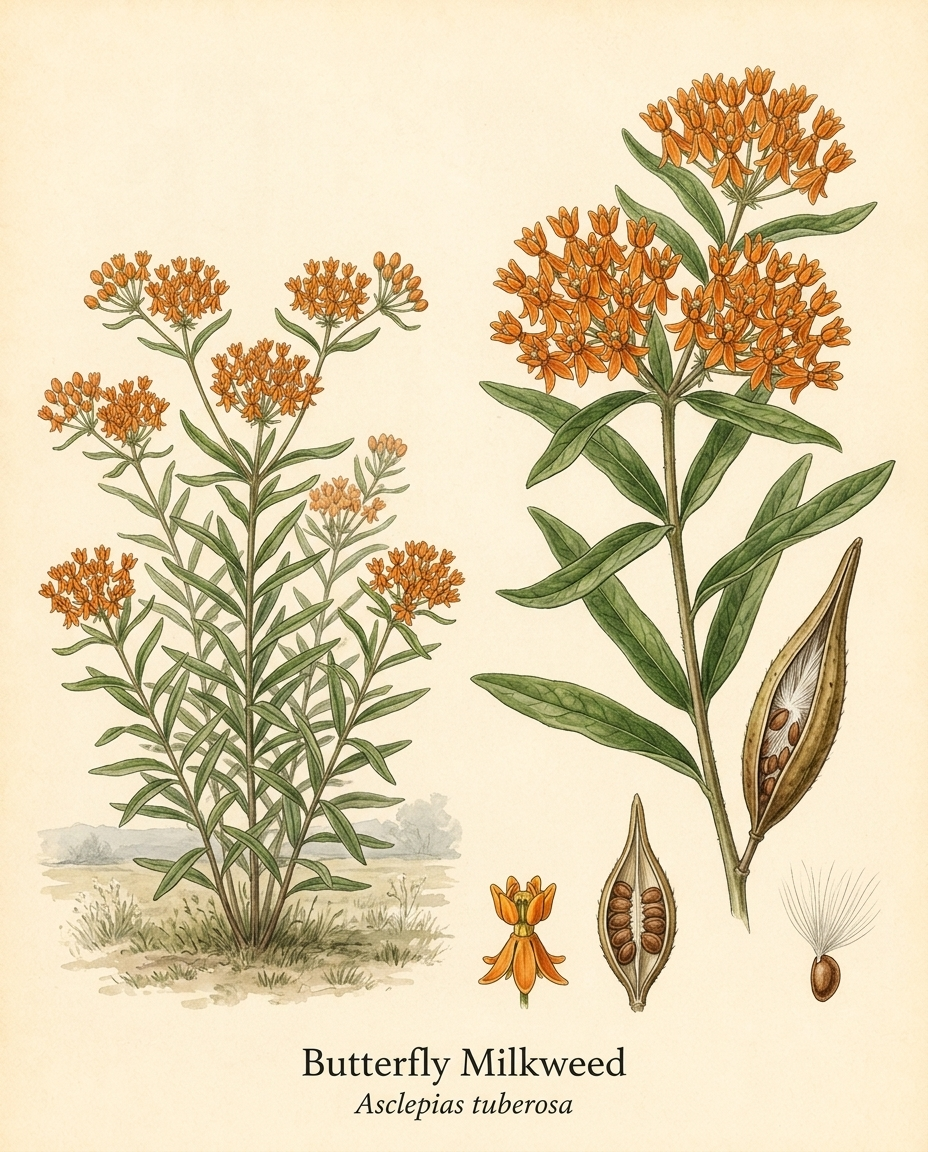
Butterfly Milkweed
NativeAsclepias tuberosa
Works well together.
- Different structural layer than Wayfaring Tree
- Noticeable height difference for a layered look
- Blooms in summer — extends color when Wayfaring Tree isn't flowering
- Same water needs as Wayfaring Tree — one irrigation zone
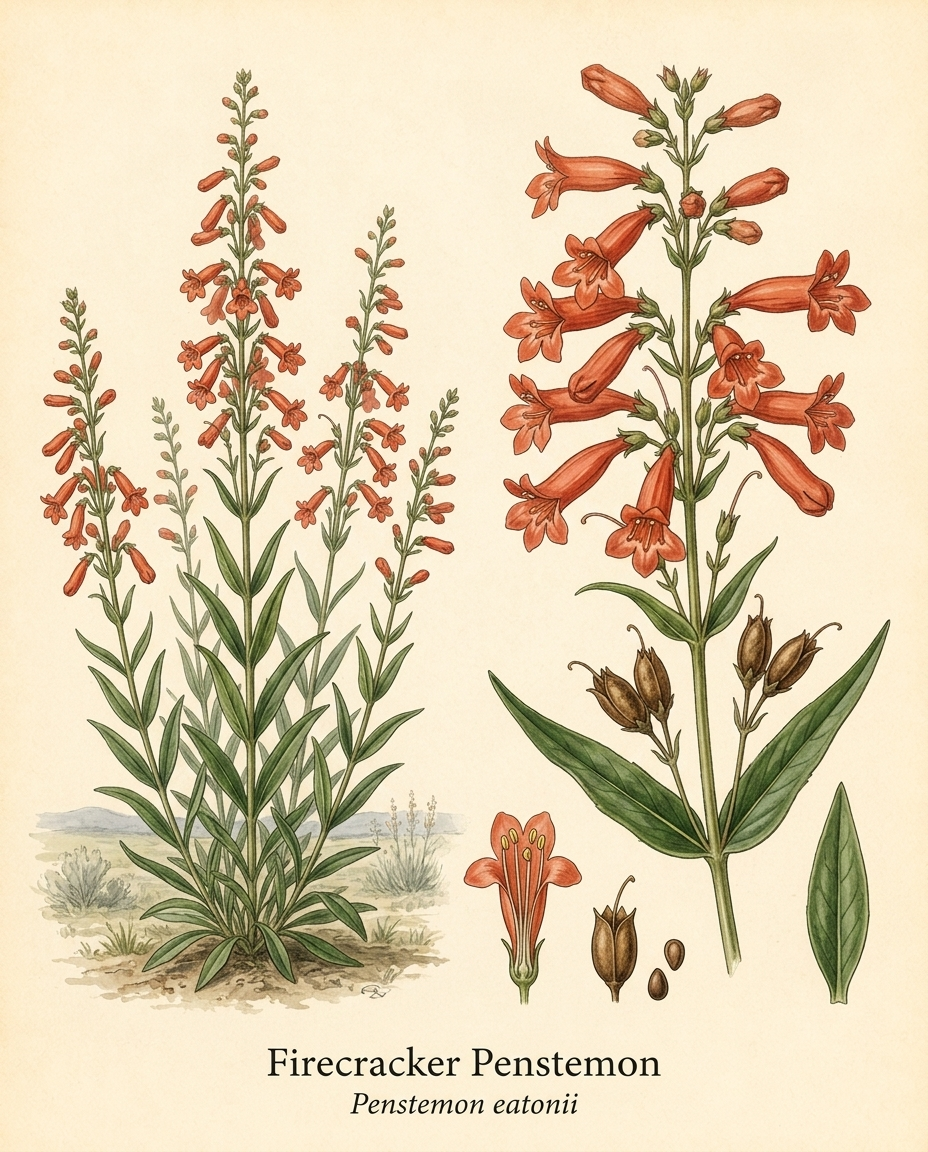
Firecracker Penstemon
NativePenstemon eatonii
Works well together.
- Different structural layer than Wayfaring Tree
- Noticeable height difference for a layered look
- Blooms in summer — extends color when Wayfaring Tree isn't flowering
- Evergreen — holds structure through winter
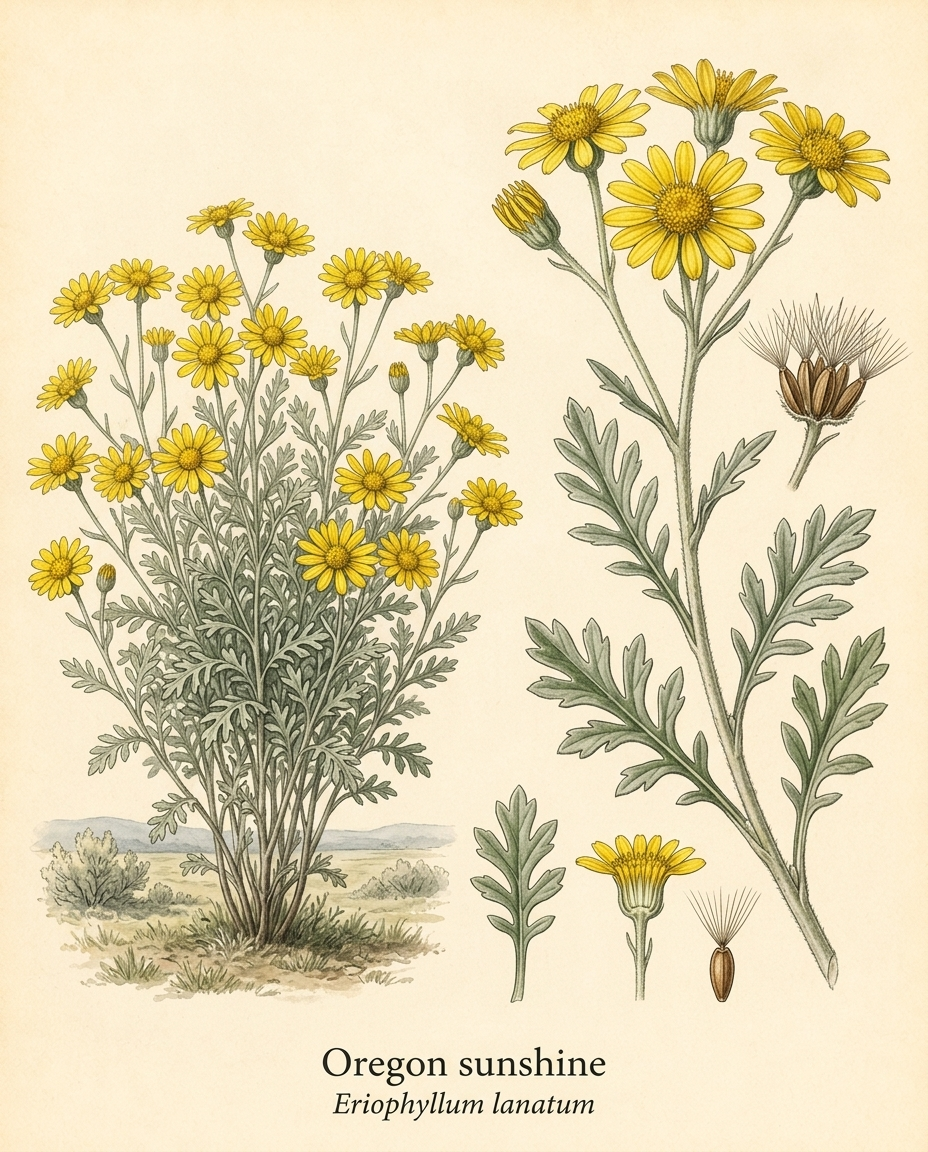
Oregon sunshine
NativeEriophyllum lanatum
Works well together.
- Different structural layer than Wayfaring Tree
- Noticeable height difference for a layered look
- Blooms in summer — extends color when Wayfaring Tree isn't flowering
- Supports pollinators and wildlife
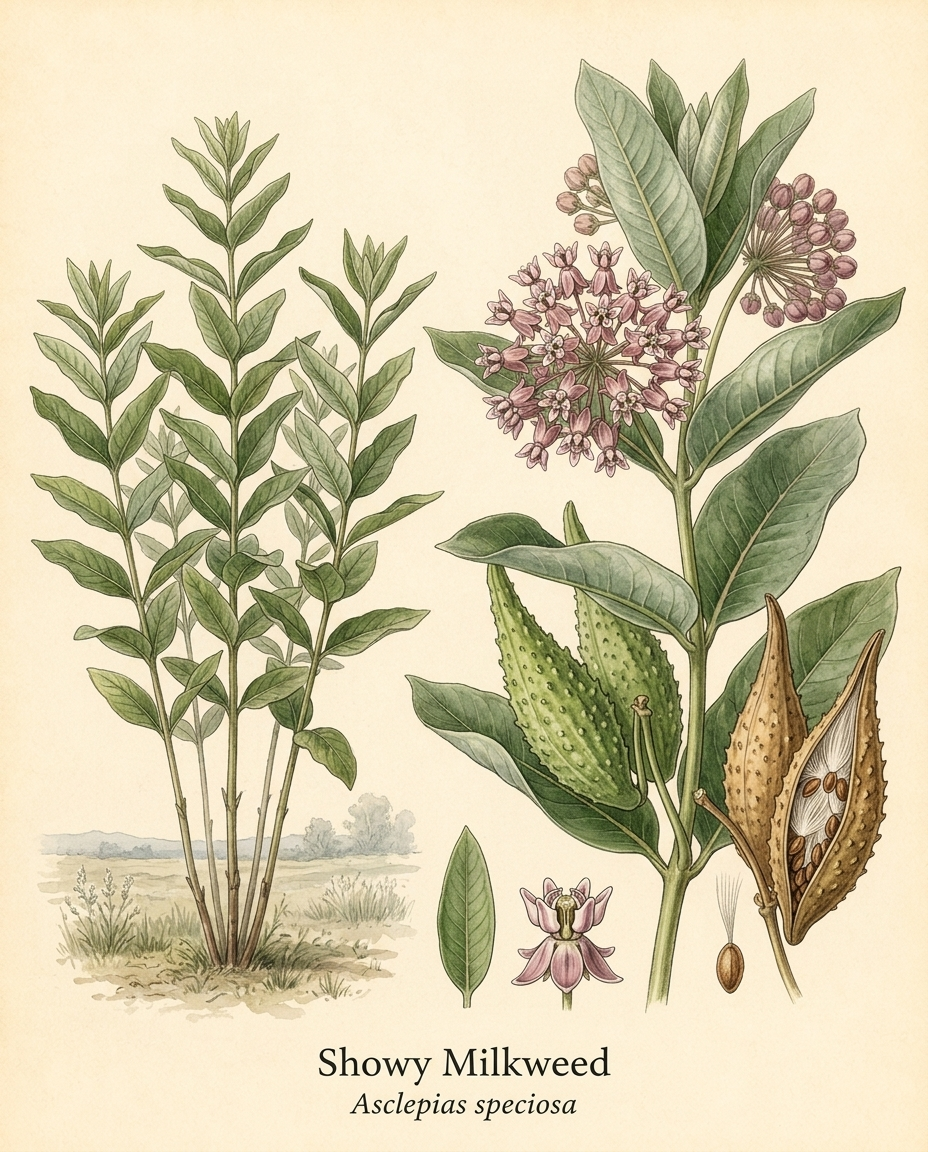
Showy Milkweed
NativeAsclepias speciosa
Works well together.
- Different structural layer than Wayfaring Tree
- Noticeable height difference for a layered look
- Blooms in summer — extends color when Wayfaring Tree isn't flowering
- Same water needs as Wayfaring Tree — one irrigation zone
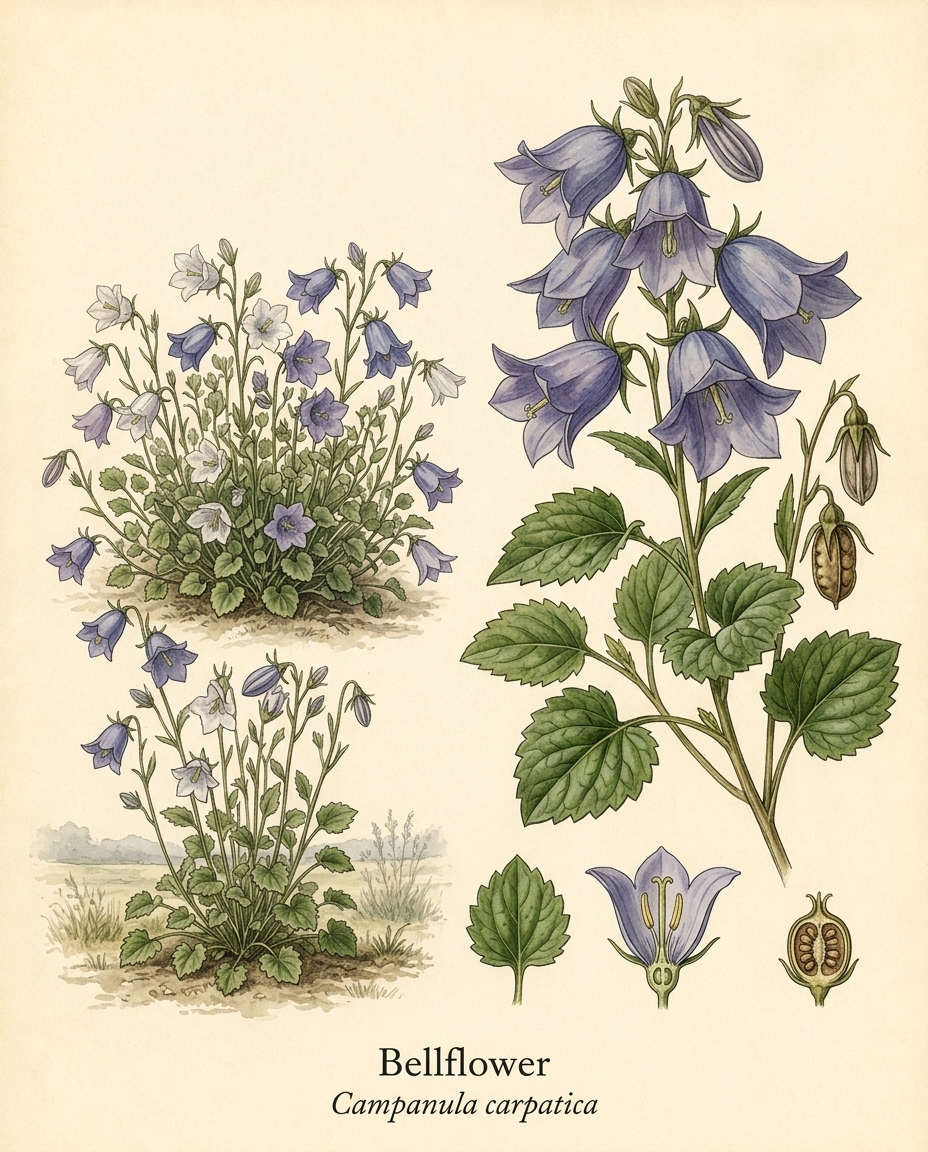
Bellflower
Campanula carpatica
Compatible on water, sun, and zone. Whether the combination reads well is your call.
- Different structural layer than Wayfaring Tree
- Noticeable height difference for a layered look
- Blooms in summer — extends color when Wayfaring Tree isn't flowering
- Fire-resistant — good for defensible space
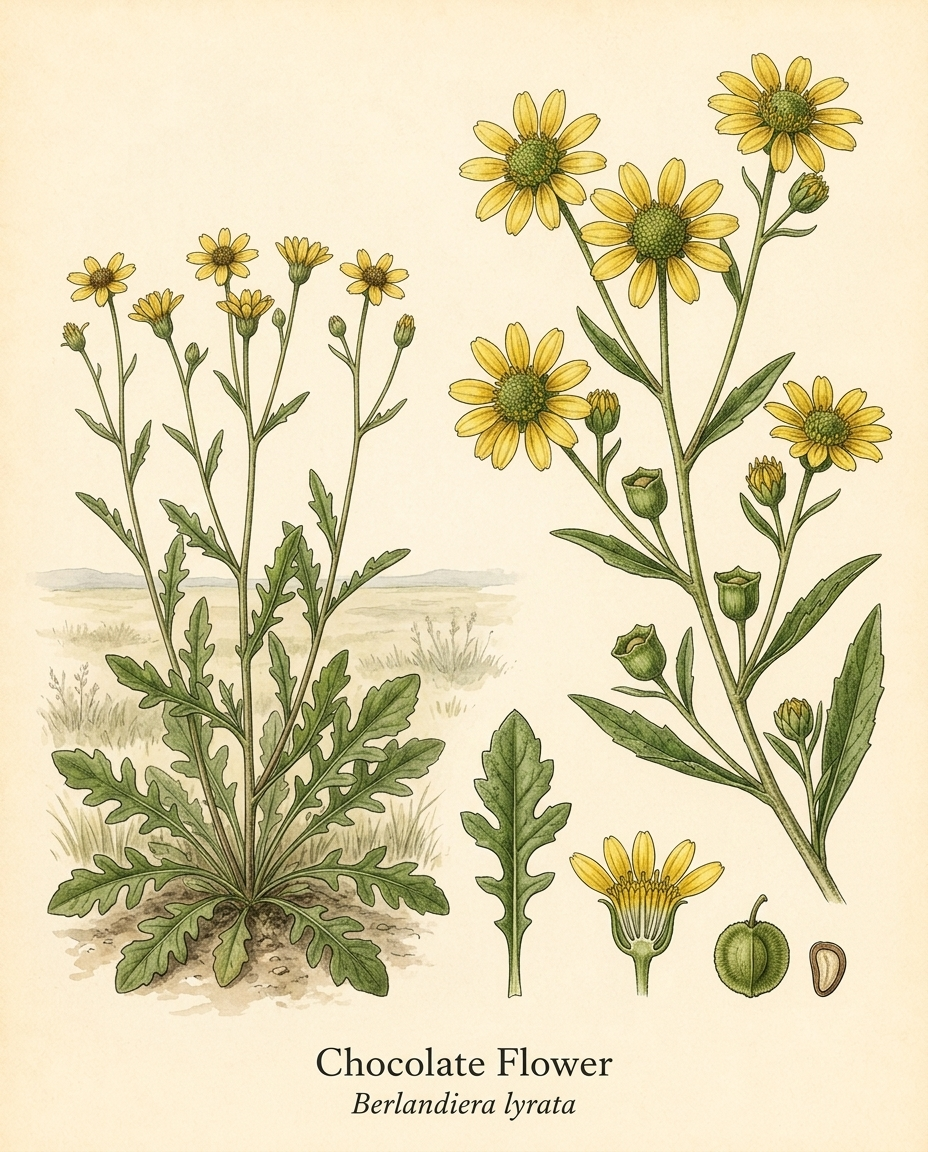
Chocolate Flower
NativeBerlandiera lyrata
Compatible on water, sun, and zone. Whether the combination reads well is your call.
- Different structural layer than Wayfaring Tree
- Noticeable height difference for a layered look
- Blooms in summer — extends color when Wayfaring Tree isn't flowering
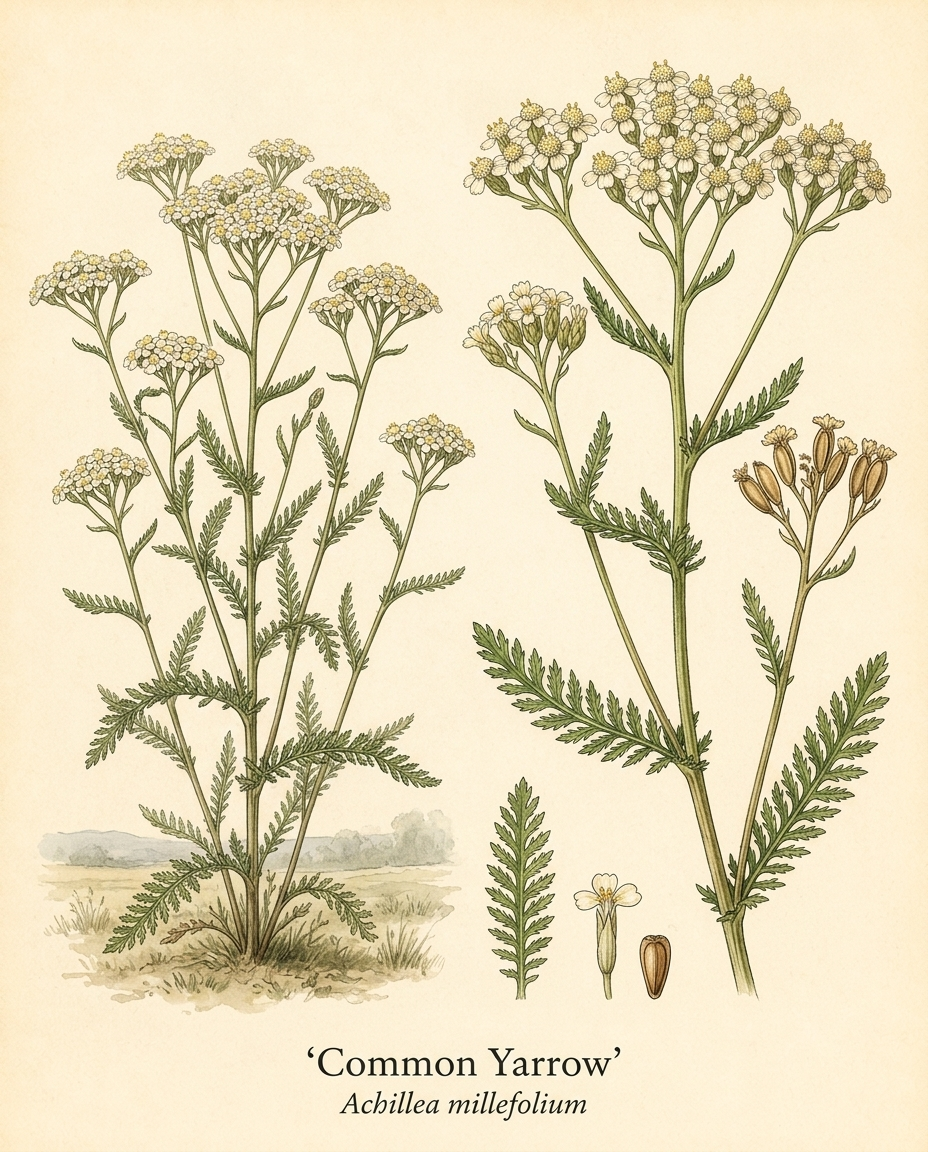
Common Yarrow
NativeAchillea millefolium
Compatible on water, sun, and zone. Whether the combination reads well is your call.
- Different structural layer than Wayfaring Tree
- Noticeable height difference for a layered look
- Blooms in summer — extends color when Wayfaring Tree isn't flowering
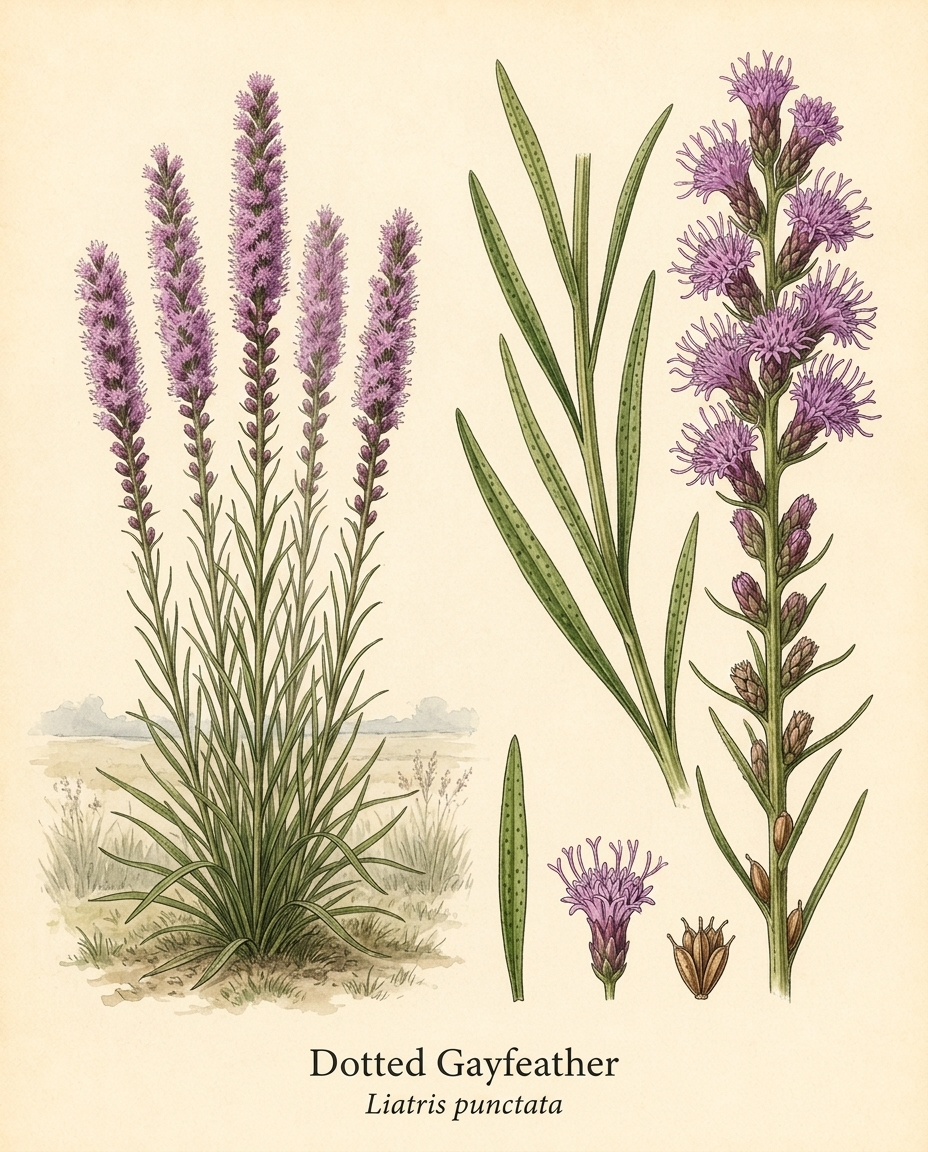
Dotted Gayfeather
NativeLiatris punctata
Compatible on water, sun, and zone. Whether the combination reads well is your call.
- Different structural layer than Wayfaring Tree
- Noticeable height difference for a layered look
- Blooms in fall — extends color when Wayfaring Tree isn't flowering
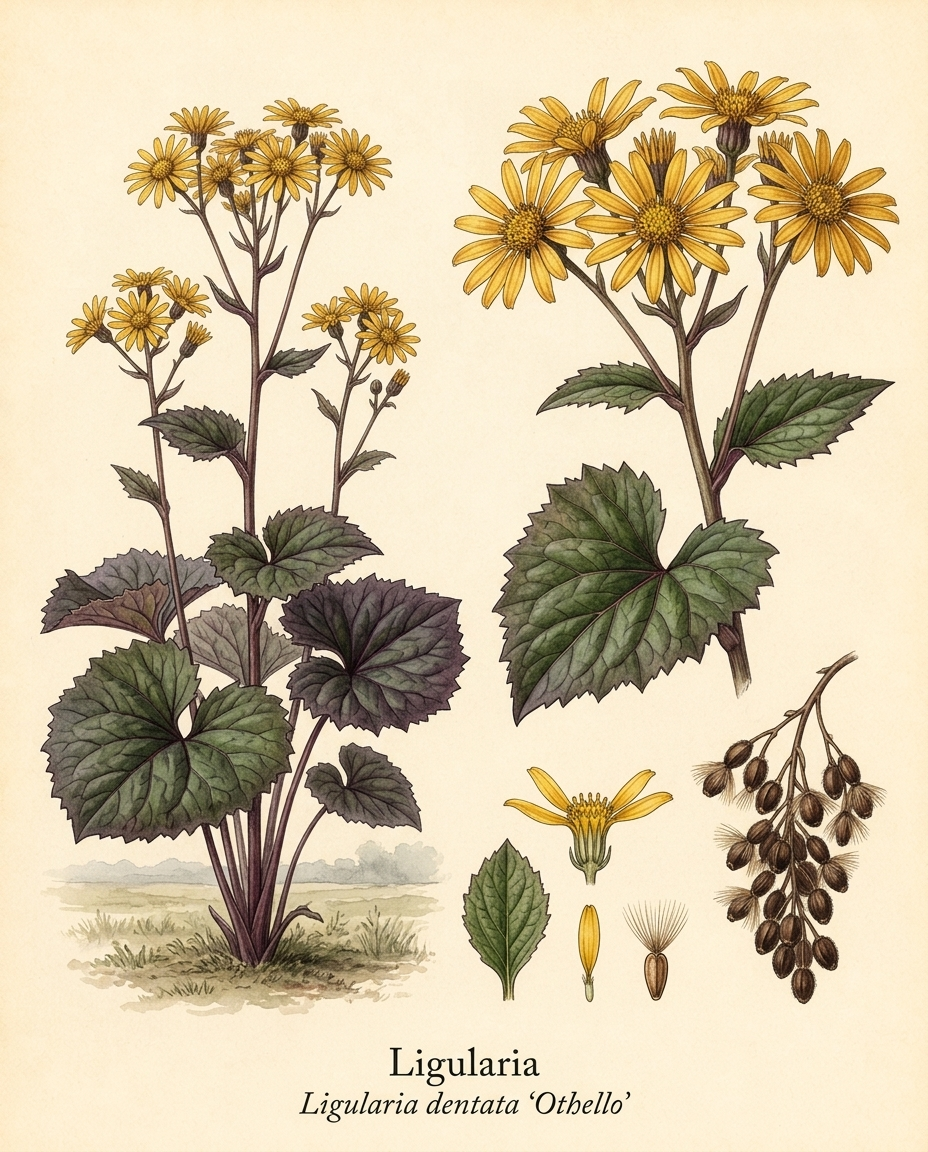
Ligularia
Ligularia dentata ‘Othello’
Compatible on water, sun, and zone. Whether the combination reads well is your call.
- Different structural layer than Wayfaring Tree
- Noticeable height difference for a layered look
- Blooms in summer — extends color when Wayfaring Tree isn't flowering
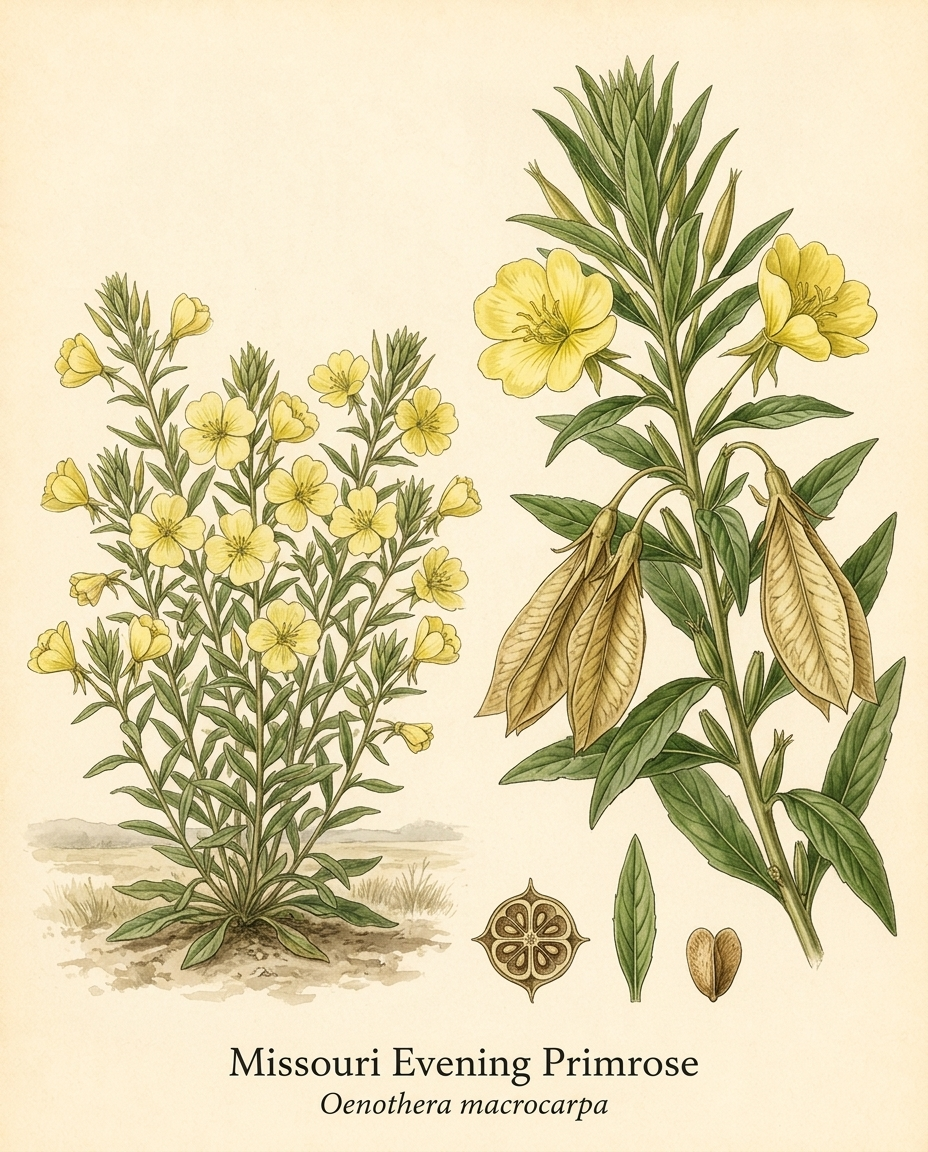
Missouri Evening Primrose
NativeOenothera macrocarpa
Compatible on water, sun, and zone. Whether the combination reads well is your call.
- Different structural layer than Wayfaring Tree
- Noticeable height difference for a layered look
- Blooms in summer — extends color when Wayfaring Tree isn't flowering
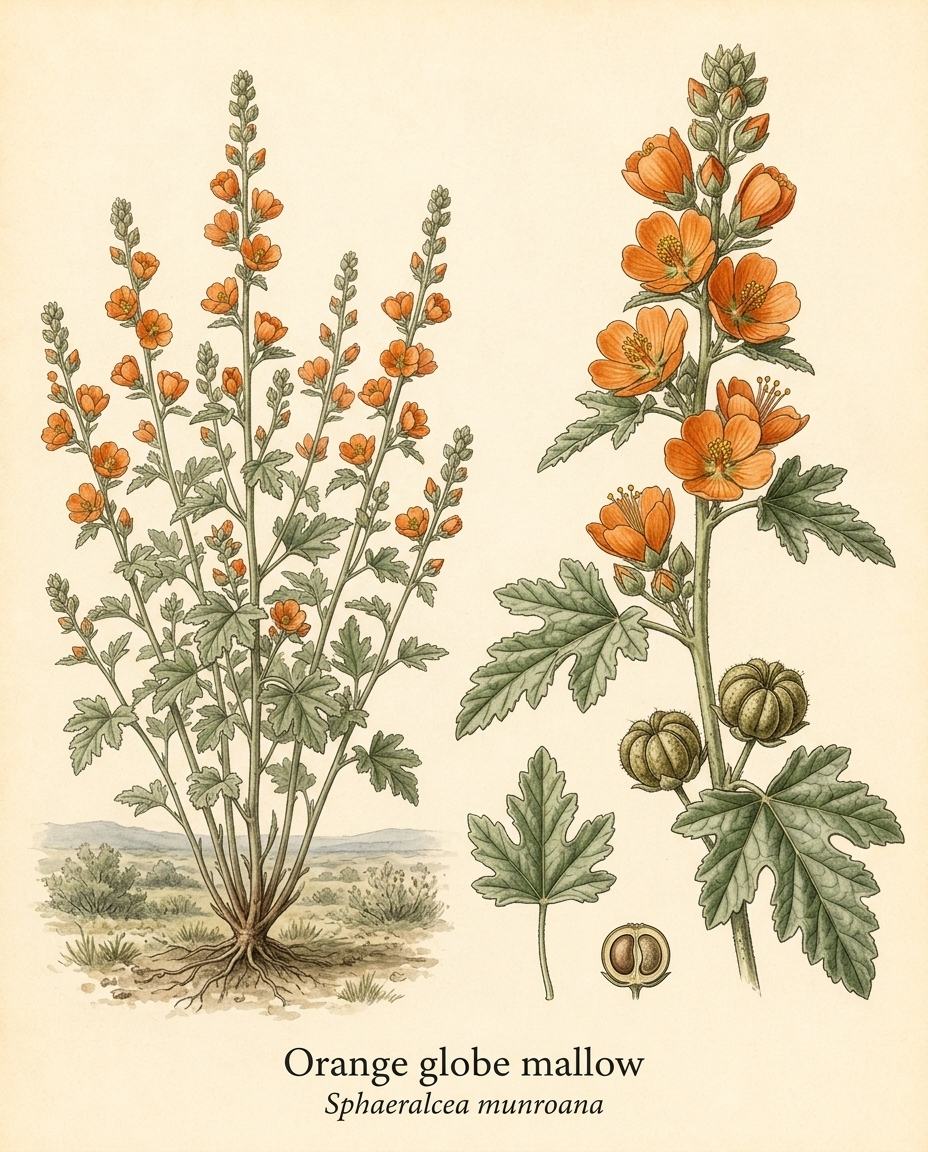
Orange globe mallow
NativeSphaeralcea munroana
Compatible on water, sun, and zone. Whether the combination reads well is your call.
- Different structural layer than Wayfaring Tree
- Noticeable height difference for a layered look
- Blooms in summer — extends color when Wayfaring Tree isn't flowering
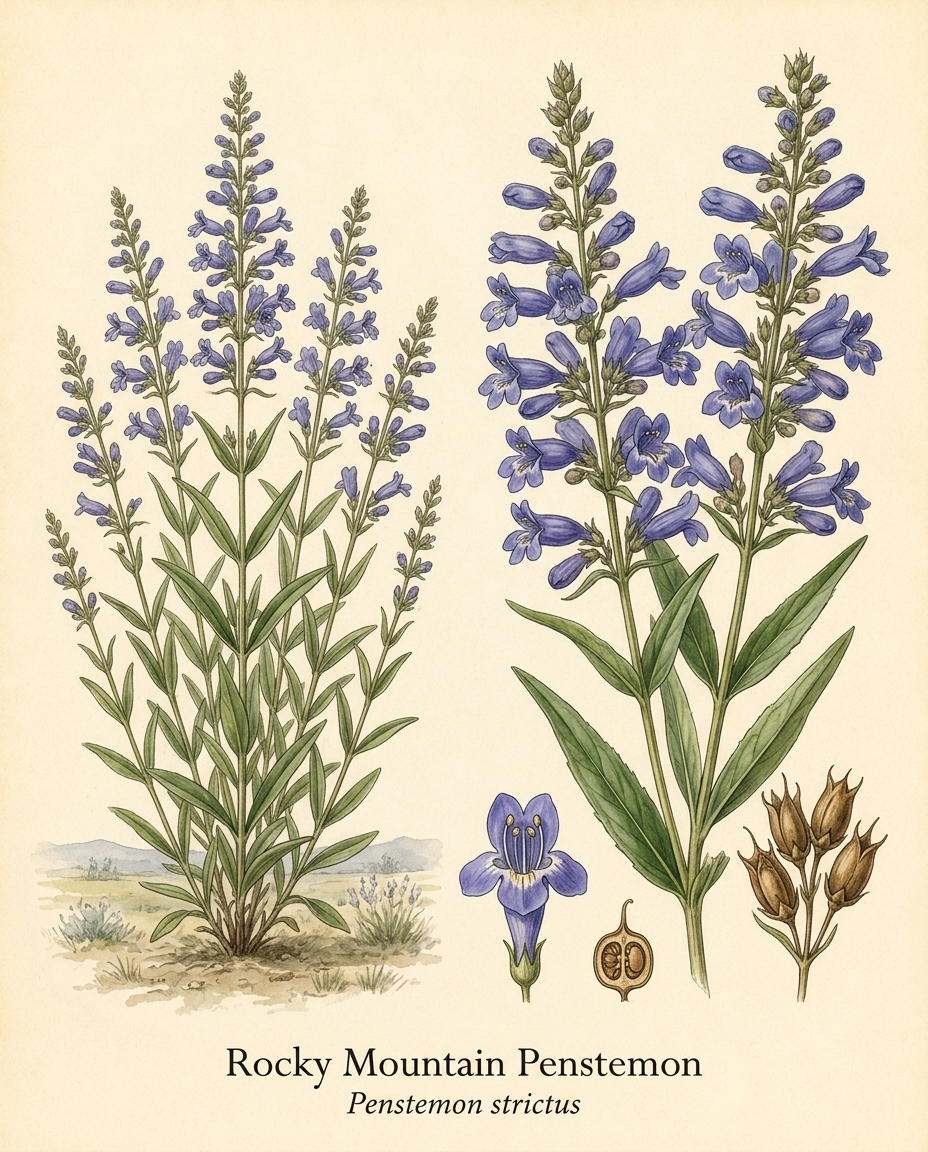
Rocky Mountain Penstemon
NativePenstemon strictus
Compatible on water, sun, and zone. Whether the combination reads well is your call.
- Different structural layer than Wayfaring Tree
- Noticeable height difference for a layered look
- Blooms in summer — extends color when Wayfaring Tree isn't flowering
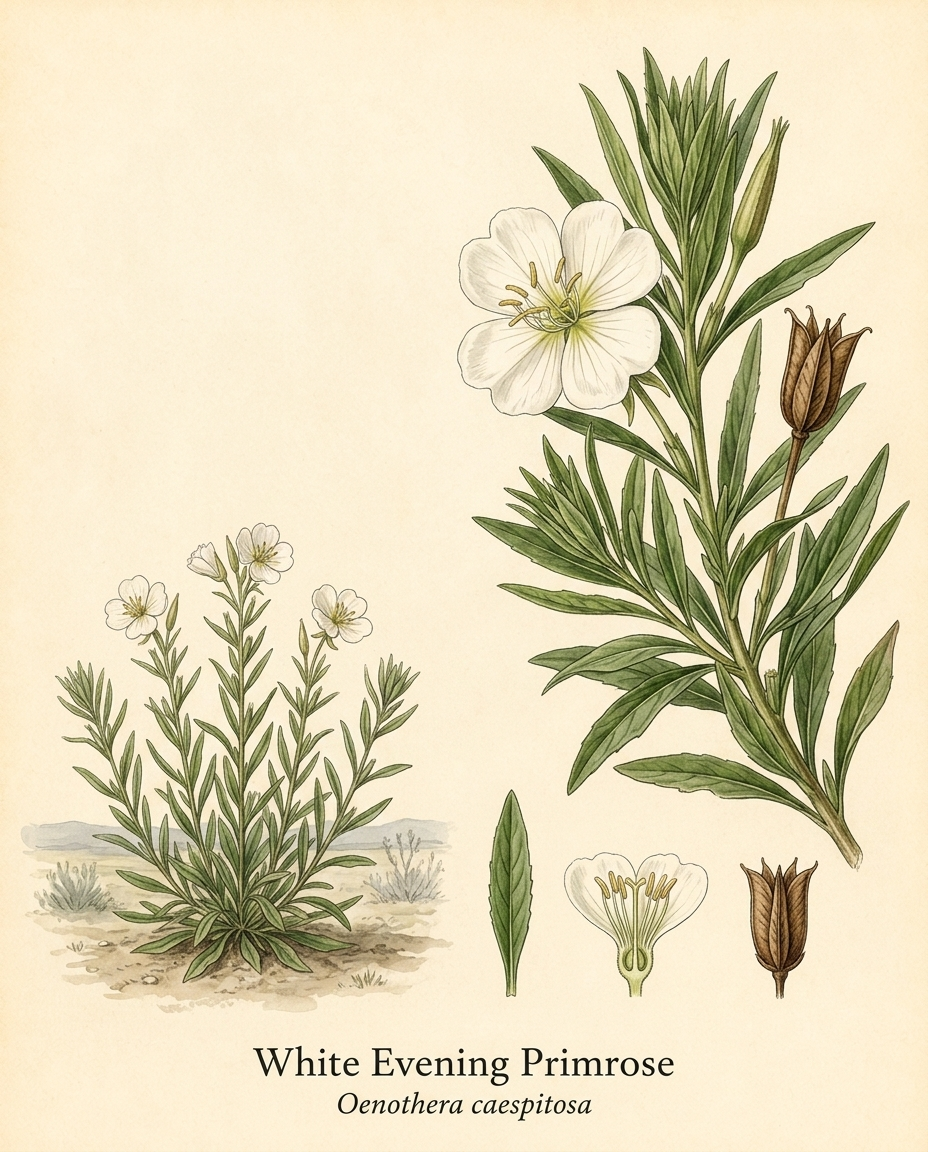
White Evening Primrose
NativeOenothera caespitosa
Compatible on water, sun, and zone. Whether the combination reads well is your call.
- Different structural layer than Wayfaring Tree
- Noticeable height difference for a layered look
- Blooms in summer — extends color when Wayfaring Tree isn't flowering
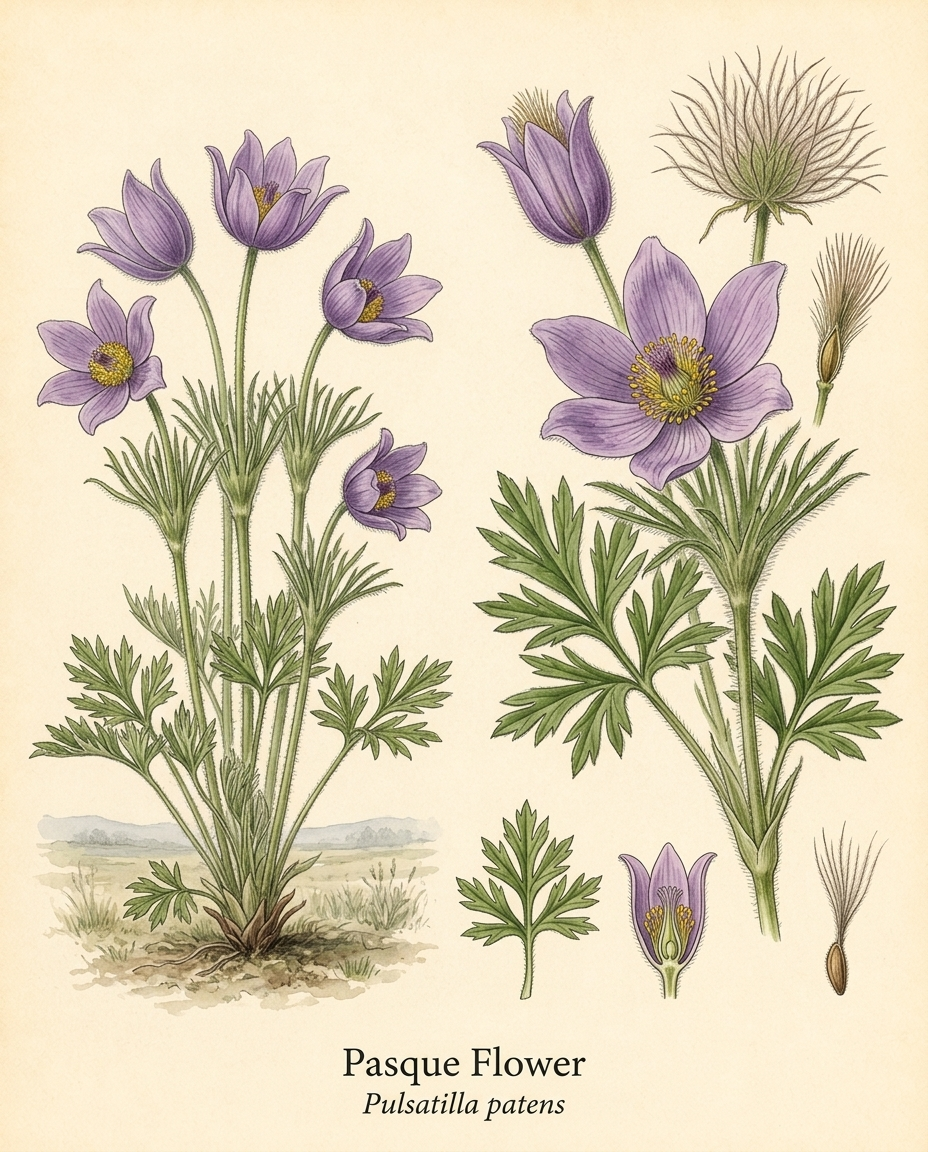
Pasque Flower
NativePulsatilla patens
Compatible on water, sun, and zone. Whether the combination reads well is your call.
- Different structural layer than Wayfaring Tree
- Noticeable height difference for a layered look
- Same water needs as Wayfaring Tree — one irrigation zone
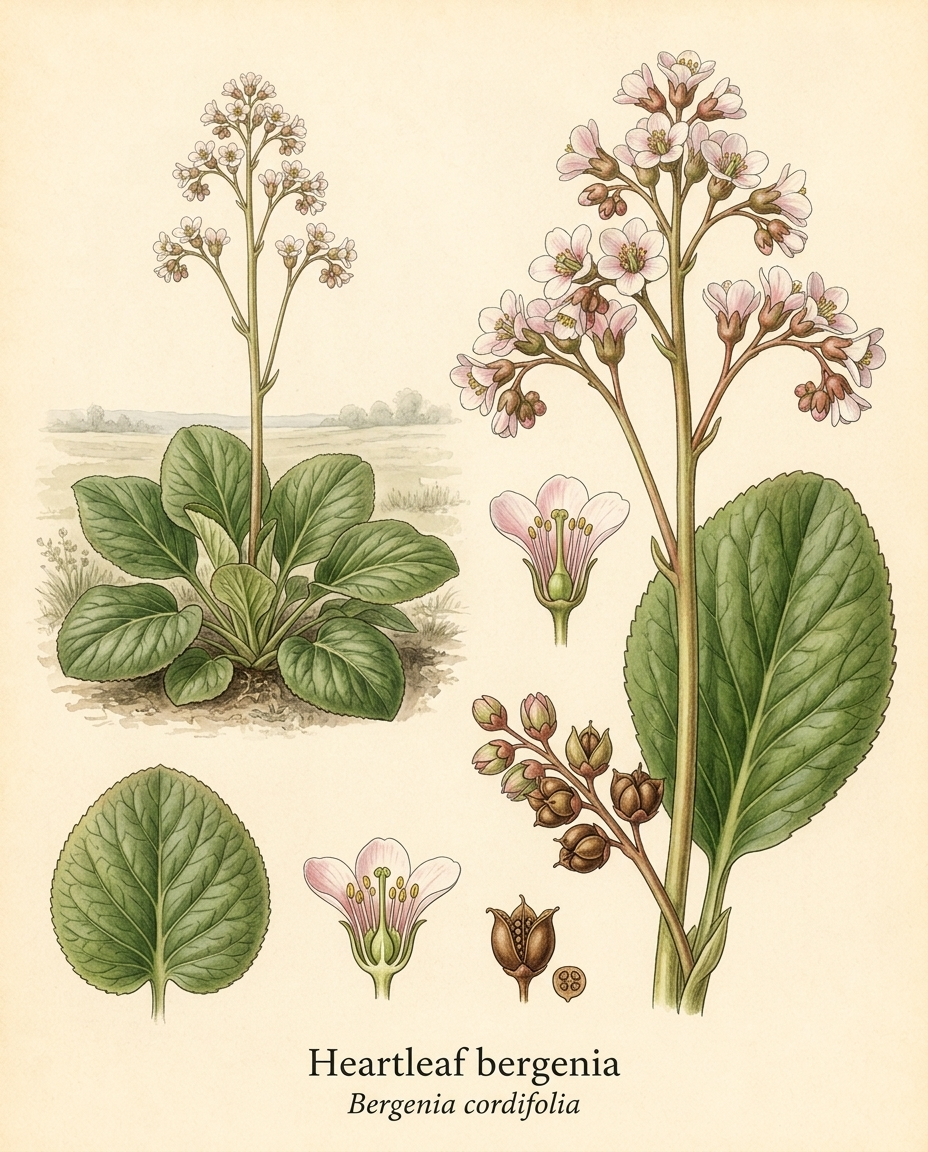
Heartleaf bergenia
Bergenia cordifolia
Compatible on water, sun, and zone. Whether the combination reads well is your call.
- Different structural layer than Wayfaring Tree
- Noticeable height difference for a layered look
- Fire-resistant — good for defensible space
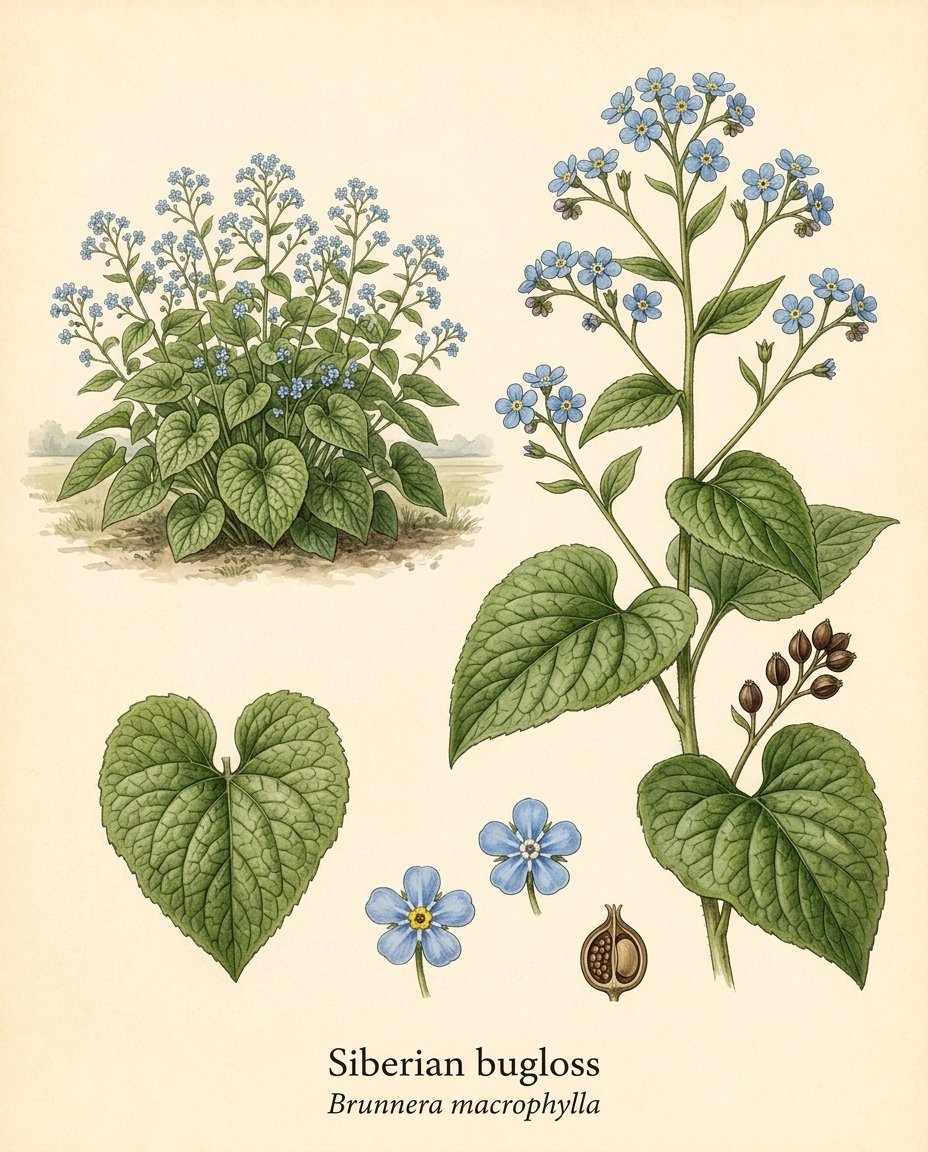
Siberian bugloss
Brunnera macrophylla
Compatible on water, sun, and zone. Whether the combination reads well is your call.
- Different structural layer than Wayfaring Tree
- Noticeable height difference for a layered look
- Fire-resistant — good for defensible space
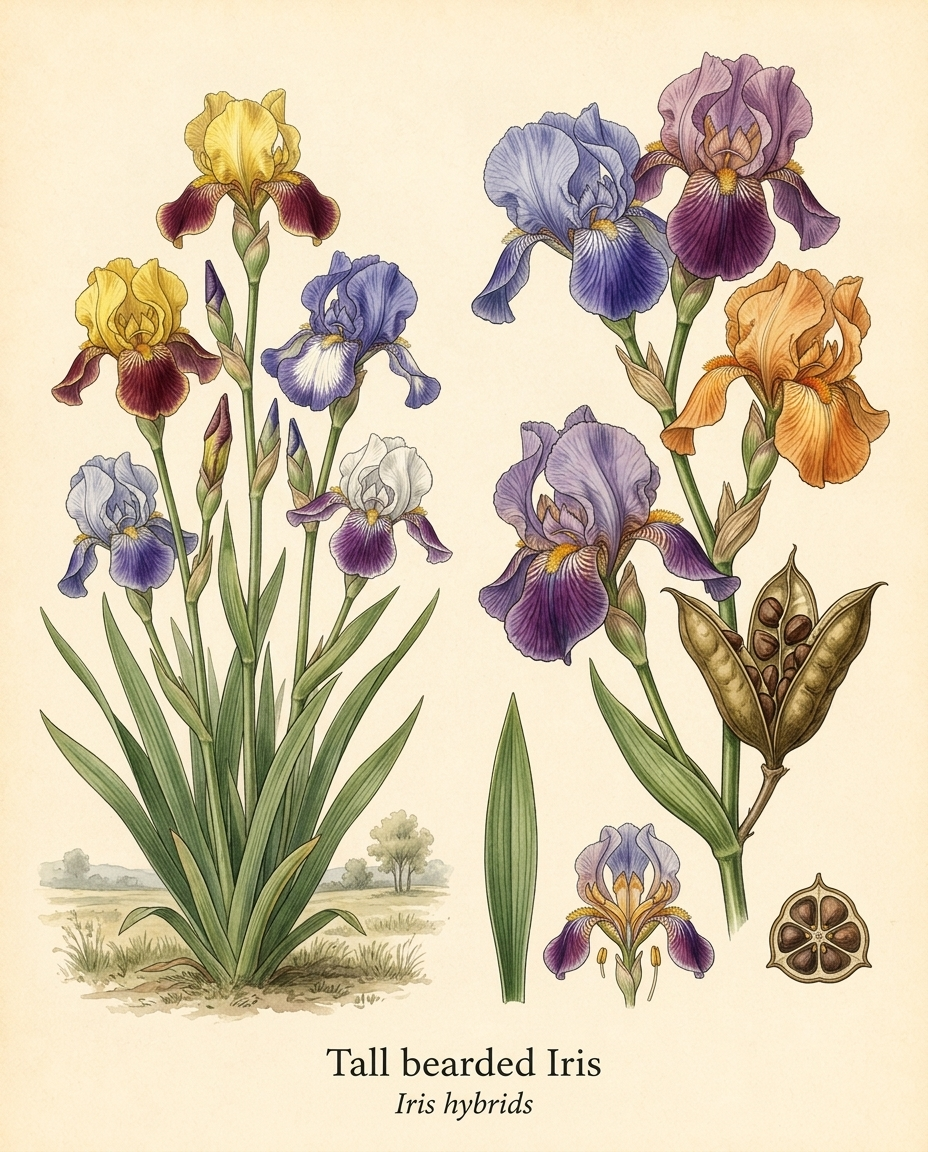
Tall bearded Iris
Iris hybrids
Compatible on water, sun, and zone. Whether the combination reads well is your call.
- Different structural layer than Wayfaring Tree
- Noticeable height difference for a layered look
- Fire-resistant — good for defensible space
Annual (6)
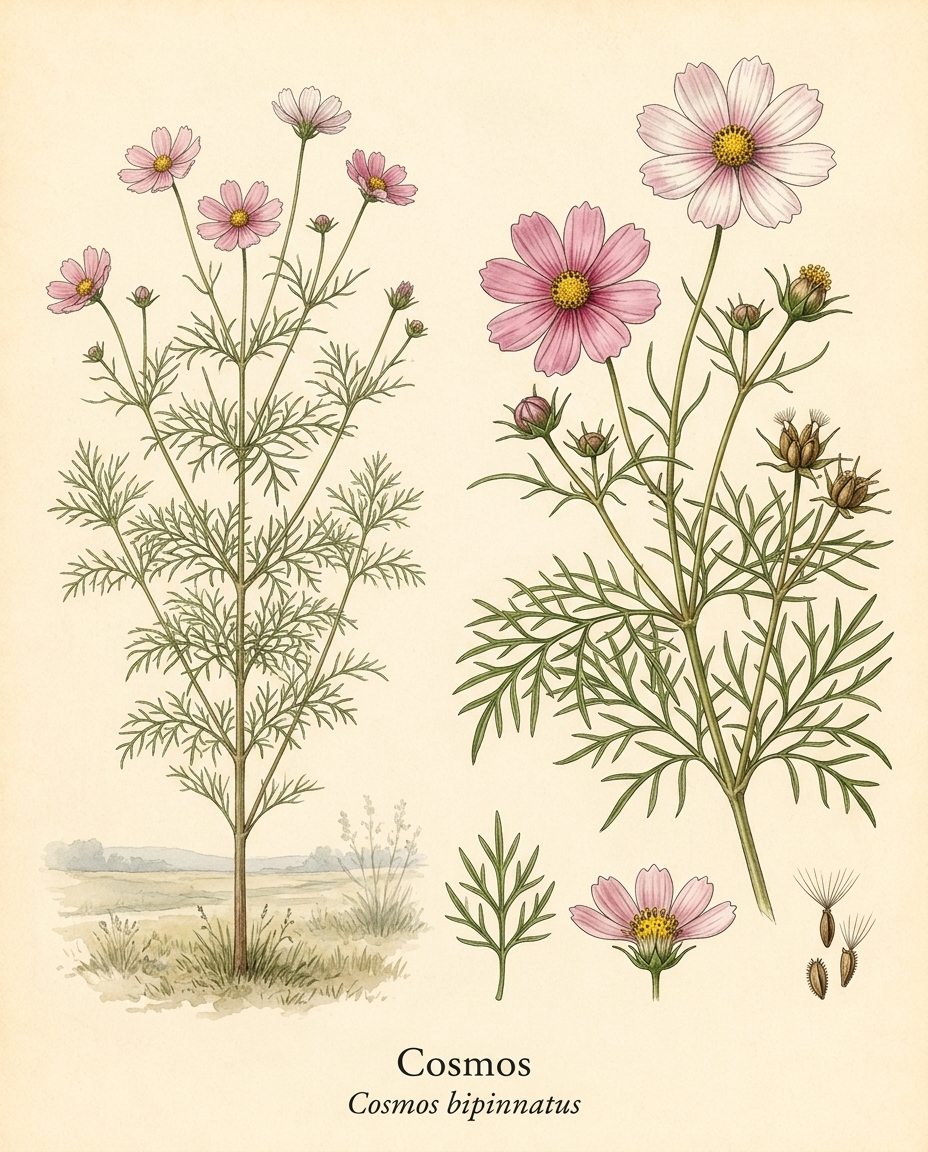
Cosmos
Cosmos bipinnatus
Works well together.
- Different structural layer than Wayfaring Tree
- Noticeable height difference for a layered look
- Blooms in fall and summer — extends color when Wayfaring Tree isn't flowering
- Same water needs as Wayfaring Tree — one irrigation zone
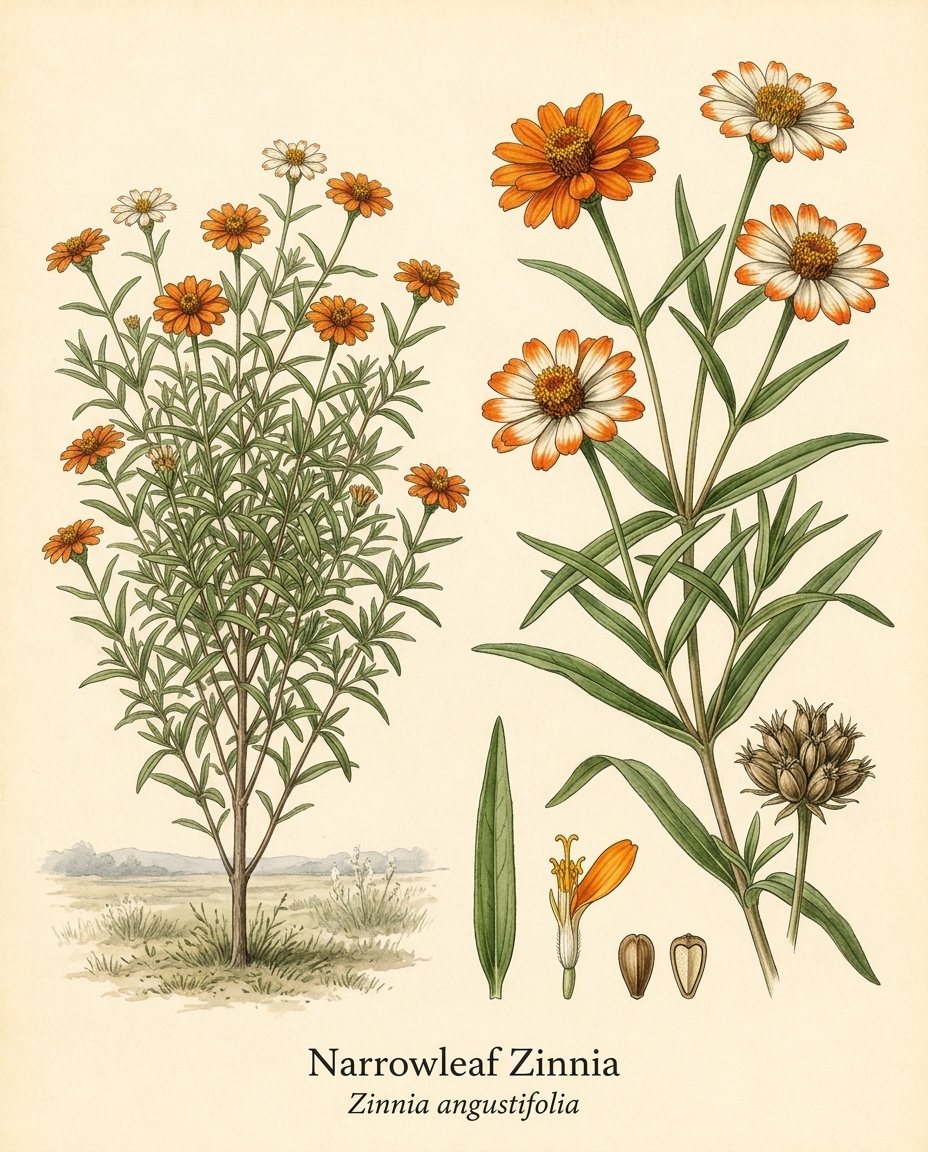
Narrowleaf Zinnia
Zinnia angustifolia
Works well together.
- Different structural layer than Wayfaring Tree
- Noticeable height difference for a layered look
- Blooms in fall and summer — extends color when Wayfaring Tree isn't flowering
- Same water needs as Wayfaring Tree — one irrigation zone
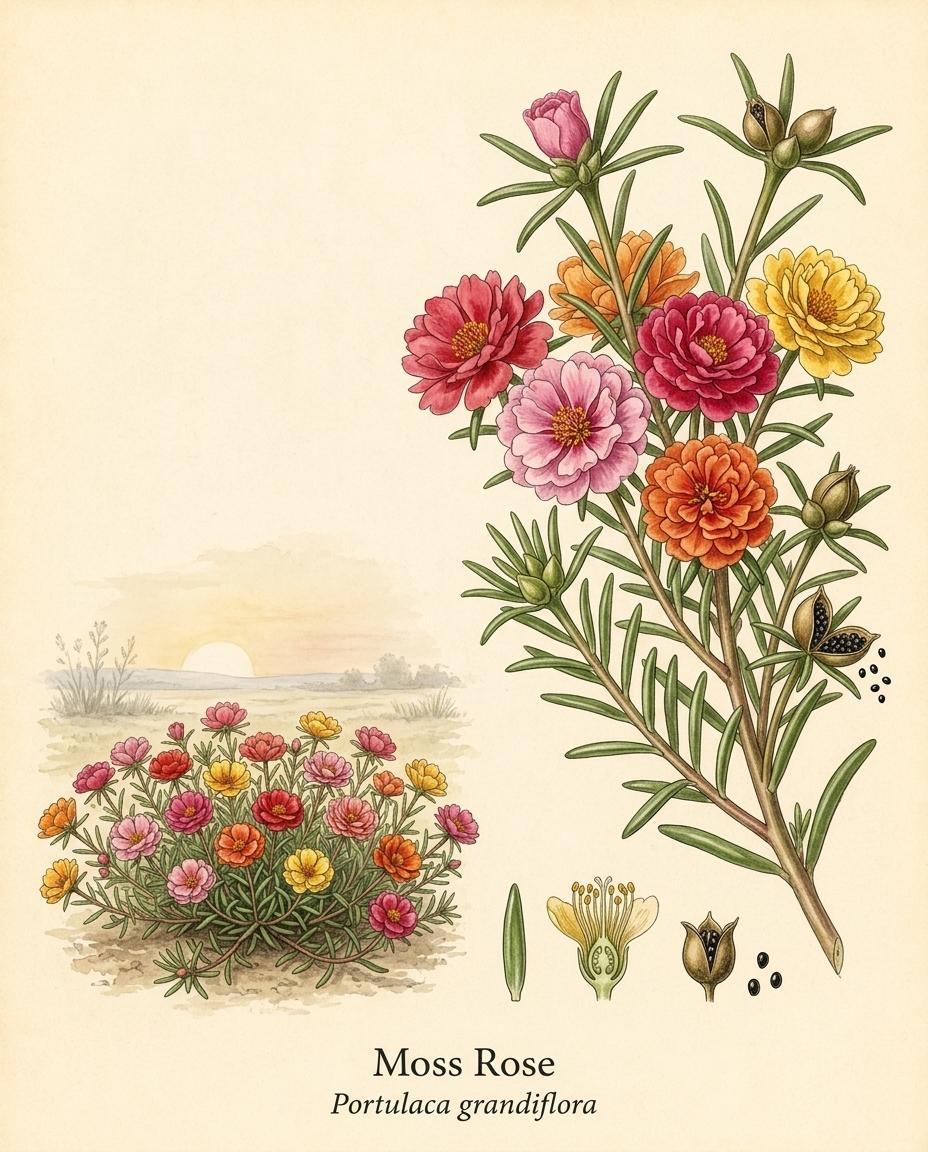
Moss Rose
Portulaca grandiflora
Works well together.
- Different structural layer than Wayfaring Tree
- Noticeable height difference for a layered look
- Blooms in fall and summer — extends color when Wayfaring Tree isn't flowering
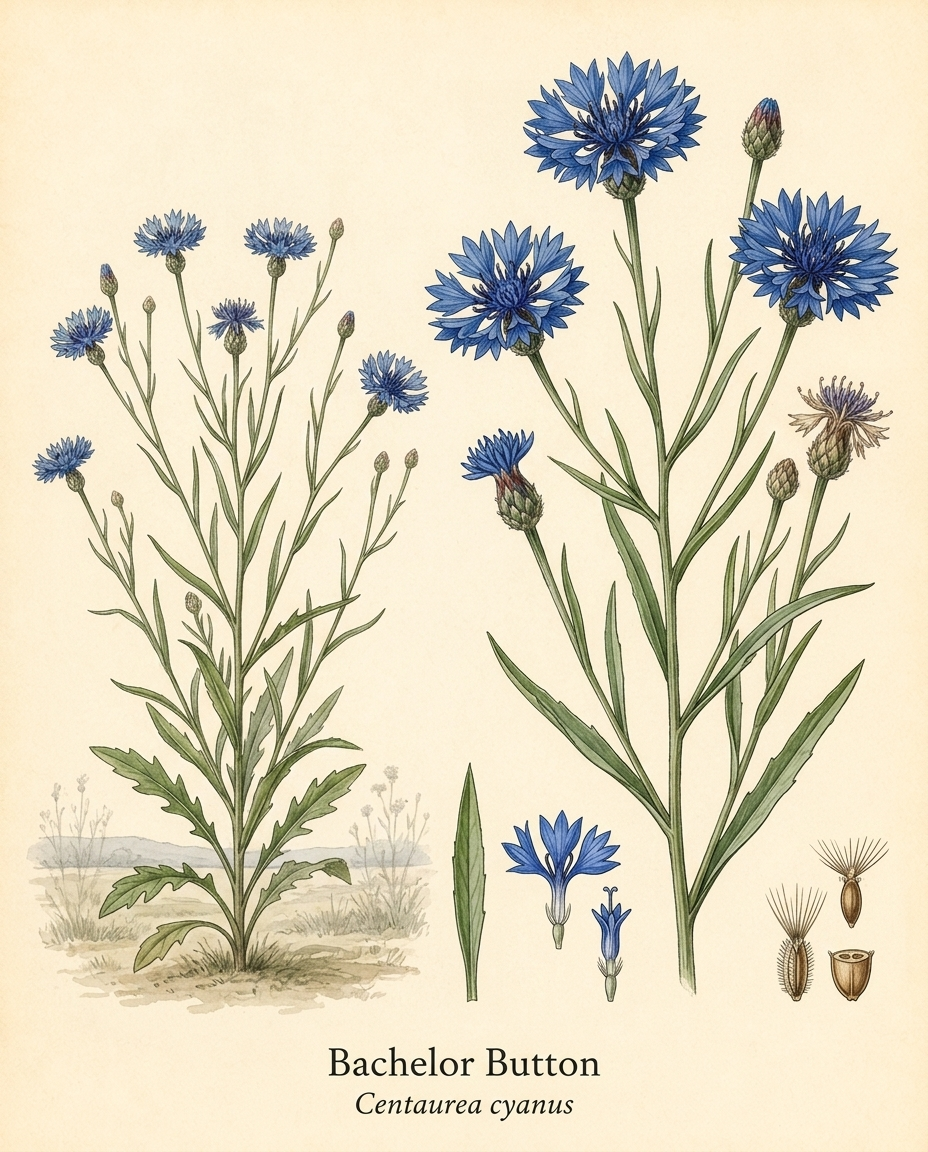
Bachelor Button
Centaurea cyanus
Works well together.
- Different structural layer than Wayfaring Tree
- Noticeable height difference for a layered look
- Blooms in summer — extends color when Wayfaring Tree isn't flowering
- Same water needs as Wayfaring Tree — one irrigation zone
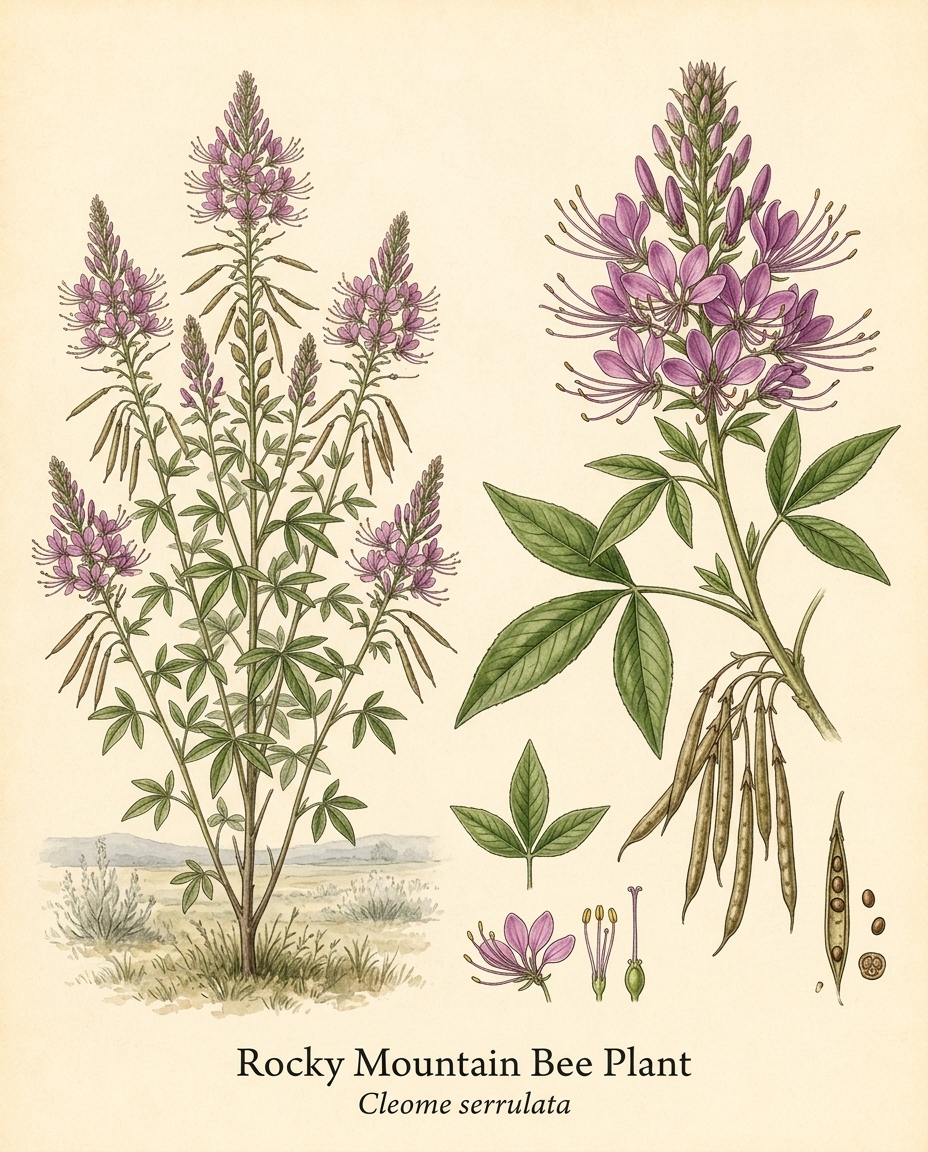
Rocky Mountain Bee Plant
NativeCleome serrulata
Works well together.
- Different structural layer than Wayfaring Tree
- Noticeable height difference for a layered look
- Blooms in summer — extends color when Wayfaring Tree isn't flowering
- Same water needs as Wayfaring Tree — one irrigation zone
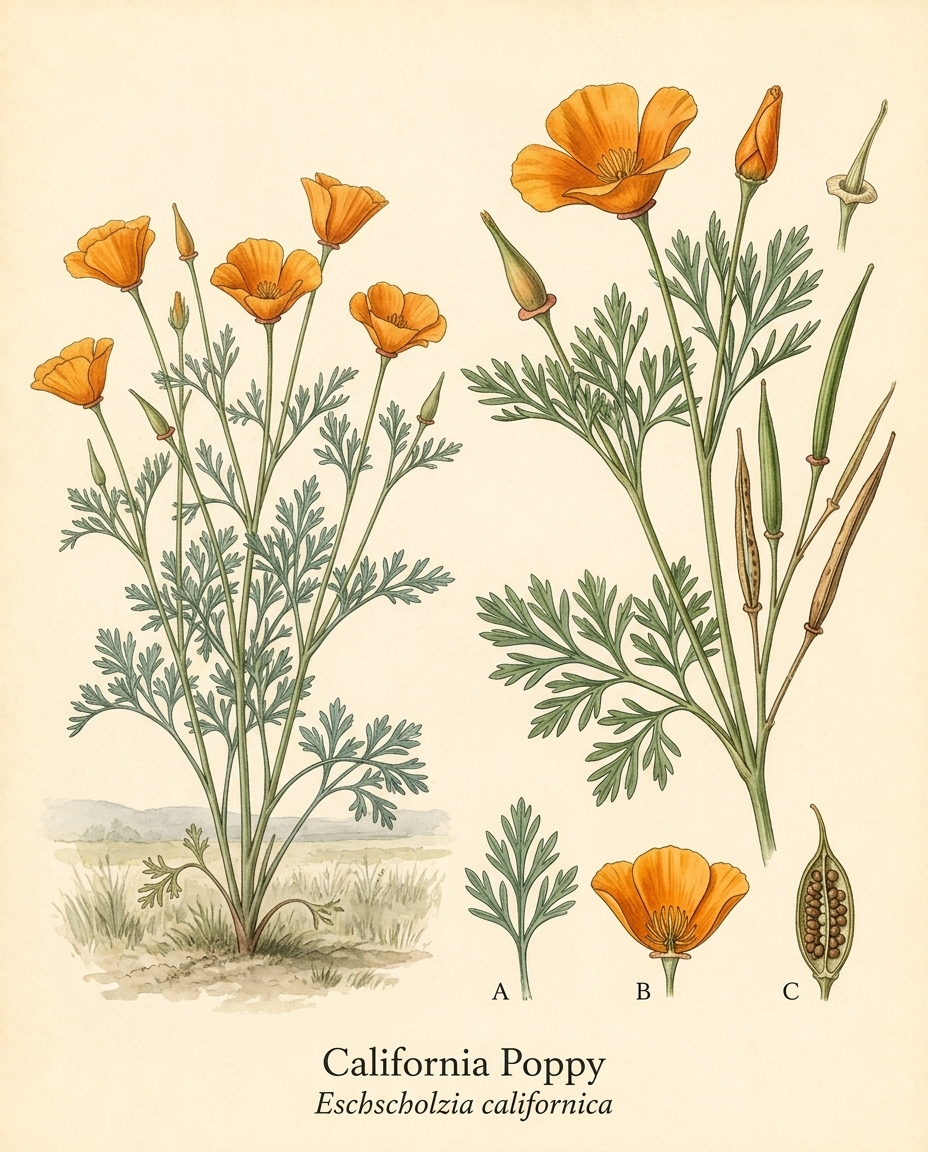
California Poppy
NativeEschscholzia californica
Compatible on water, sun, and zone. Whether the combination reads well is your call.
- Different structural layer than Wayfaring Tree
- Noticeable height difference for a layered look
- Blooms in summer — extends color when Wayfaring Tree isn't flowering
Vine (6)
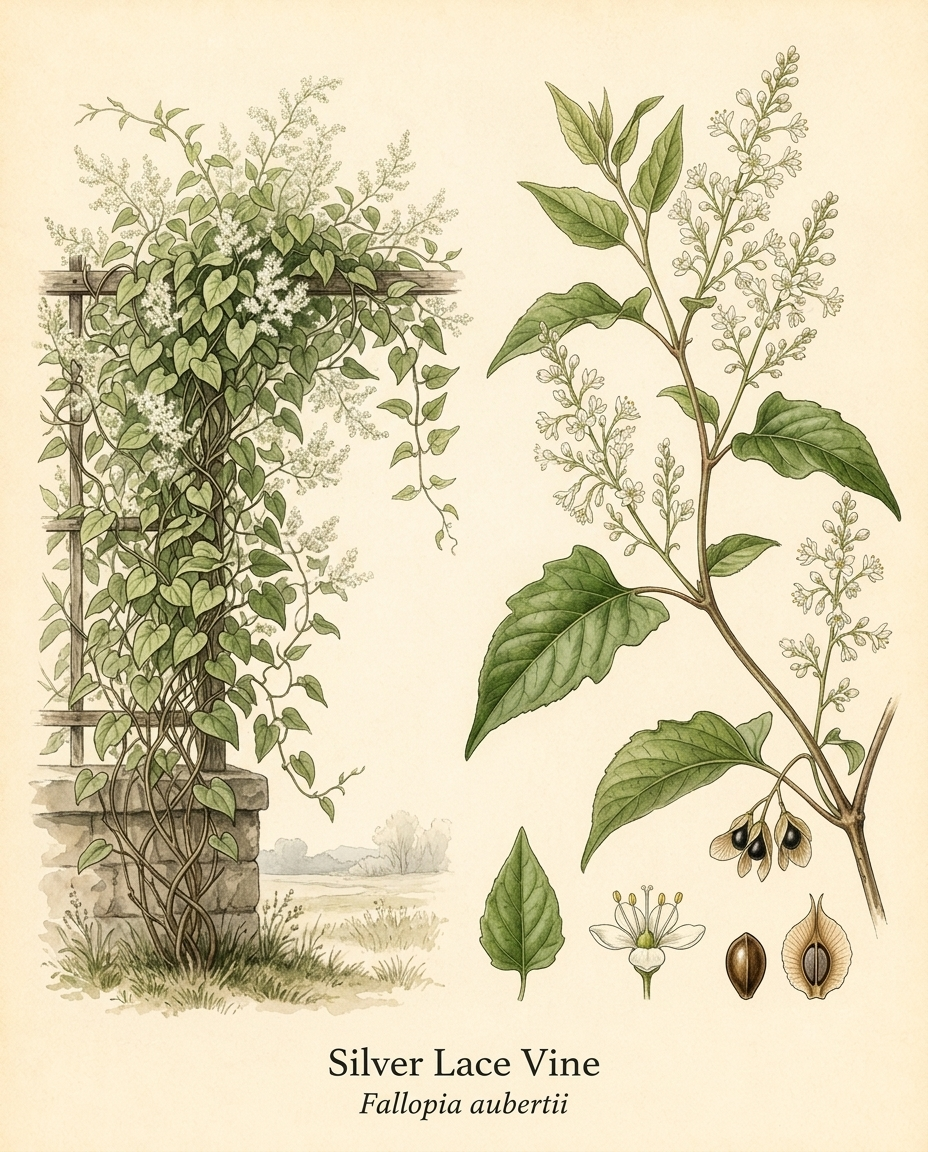
Silver Lace Vine
Fallopia aubertii
Works well together.
- Different structural layer than Wayfaring Tree
- Noticeable height difference for a layered look
- Blooms in fall and summer — extends color when Wayfaring Tree isn't flowering
- Same water needs as Wayfaring Tree — one irrigation zone
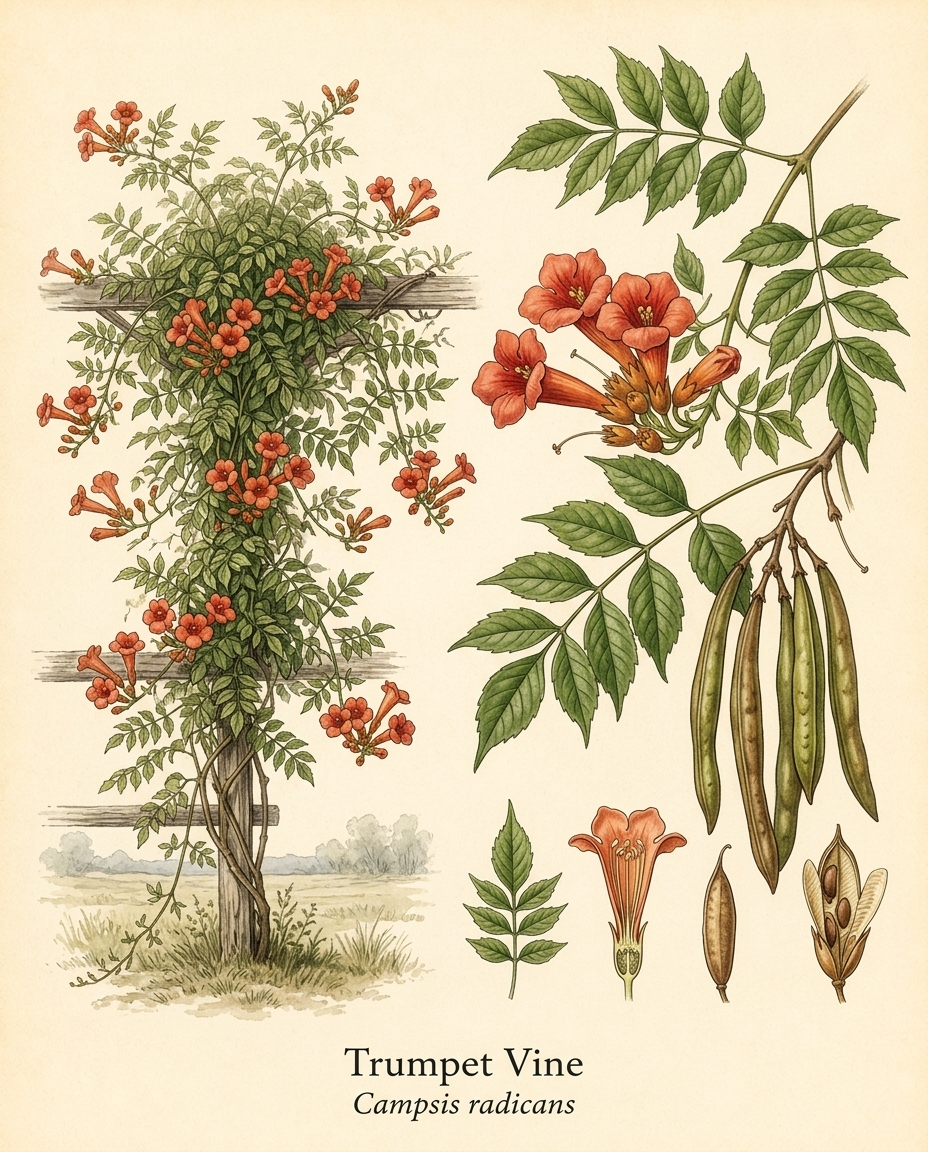
Trumpet Vine
NativeCampsis radicans
Works well together.
- Different structural layer than Wayfaring Tree
- Noticeable height difference for a layered look
- Blooms in summer — extends color when Wayfaring Tree isn't flowering
- Supports pollinators and wildlife
- Fire-resistant — good for defensible space
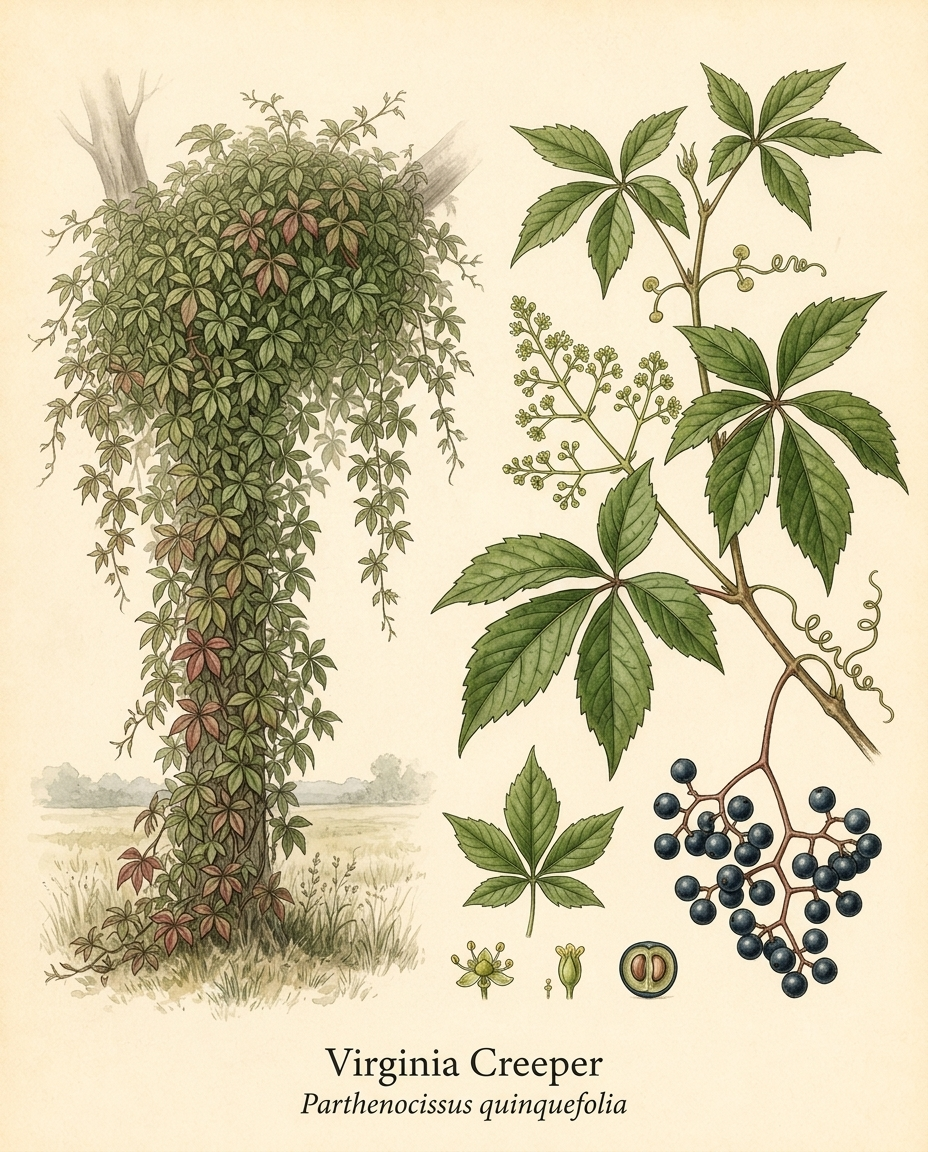
Virginia Creeper
NativeParthenocissus quinquefolia
Works well together.
- Different structural layer than Wayfaring Tree
- Noticeable height difference for a layered look
- Blooms in summer — extends color when Wayfaring Tree isn't flowering
- Supports pollinators and wildlife
- Same water needs as Wayfaring Tree — one irrigation zone
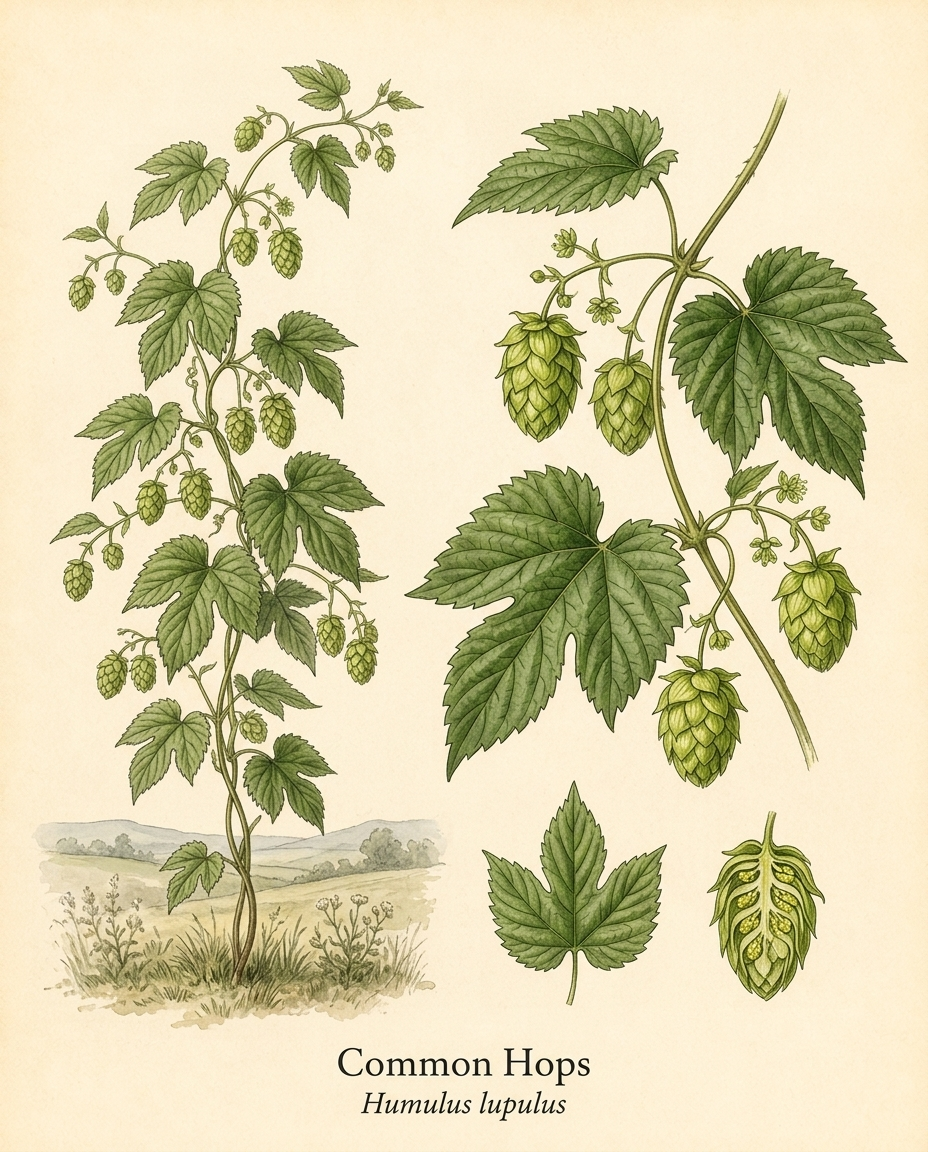
Common Hops
NativeHumulus lupulus
Works well together.
- Different structural layer than Wayfaring Tree
- Noticeable height difference for a layered look
- Blooms in summer — extends color when Wayfaring Tree isn't flowering
- Fire-resistant — good for defensible space
- Same water needs as Wayfaring Tree — one irrigation zone
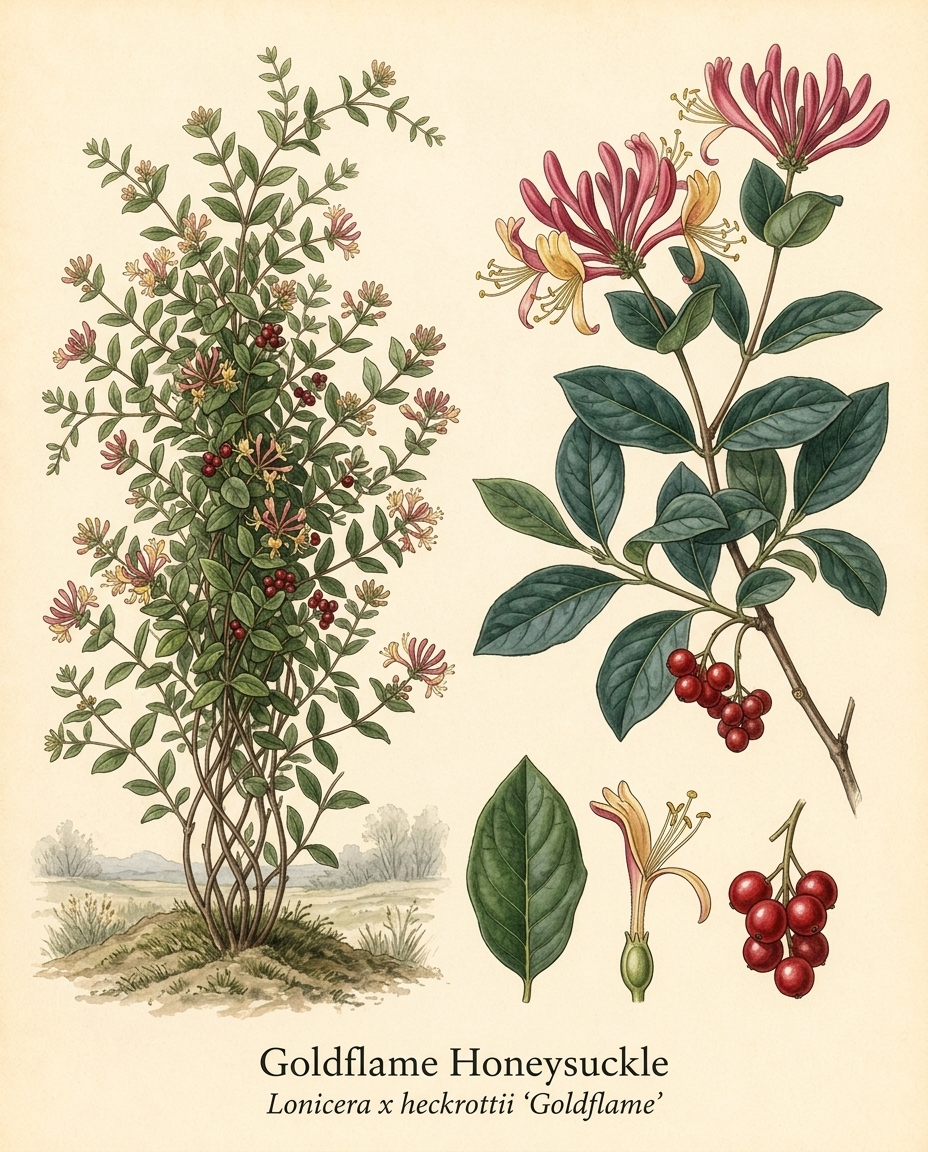
Goldflame Honeysuckle
Lonicera x heckrottii ‘Goldflame’
Works well together.
- Different structural layer than Wayfaring Tree
- Noticeable height difference for a layered look
- Blooms in summer — extends color when Wayfaring Tree isn't flowering
- Supports pollinators and wildlife
- Fire-resistant — good for defensible space
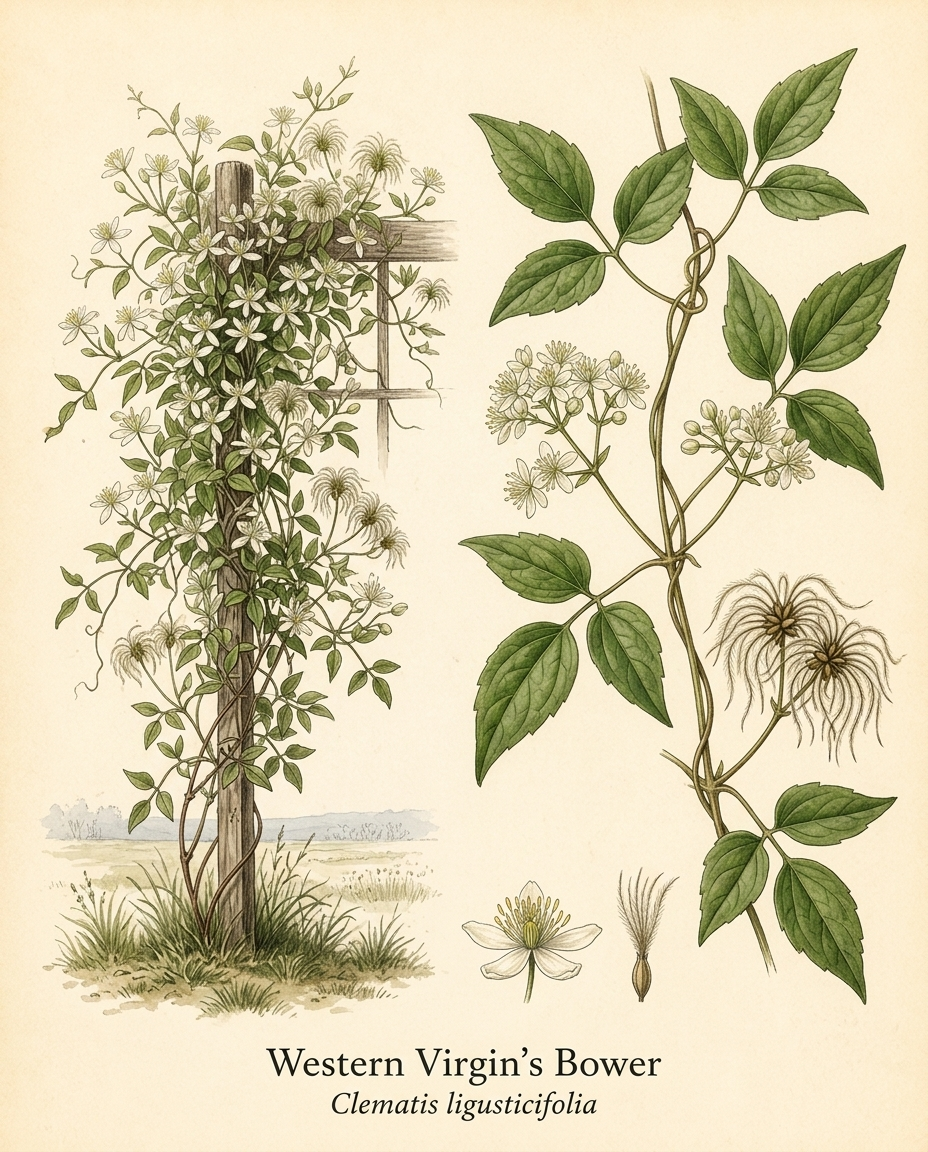
Western Virgin's Bower
NativeClematis ligusticifolia
Works well together.
- Different structural layer than Wayfaring Tree
- Noticeable height difference for a layered look
- Blooms in summer — extends color when Wayfaring Tree isn't flowering
- Same water needs as Wayfaring Tree — one irrigation zone
Tree (38)
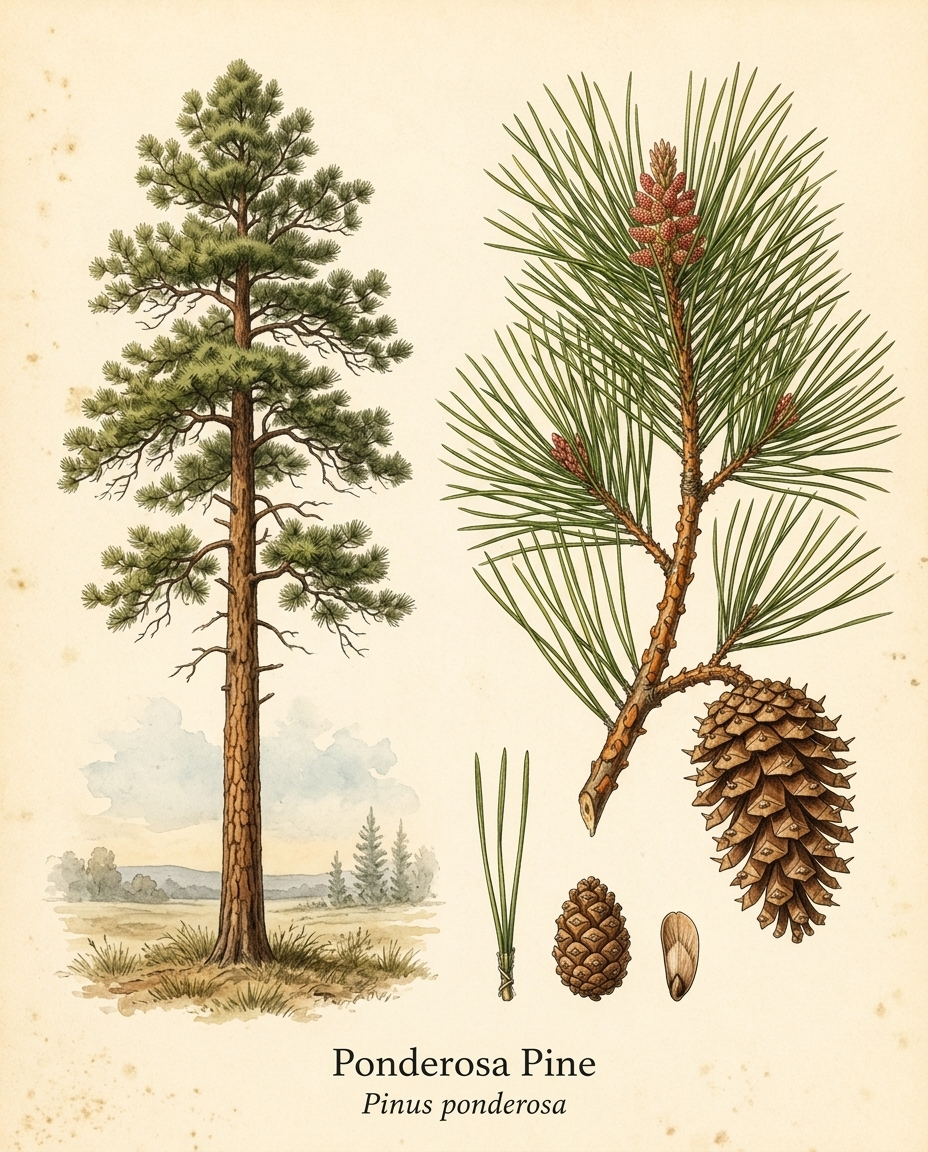
Ponderosa Pine
NativePinus ponderosa
Works well together.
- Different structural layer than Wayfaring Tree
- Noticeable height difference for a layered look
- Evergreen — holds structure through winter
- Supports pollinators and wildlife
- Fire-resistant — good for defensible space
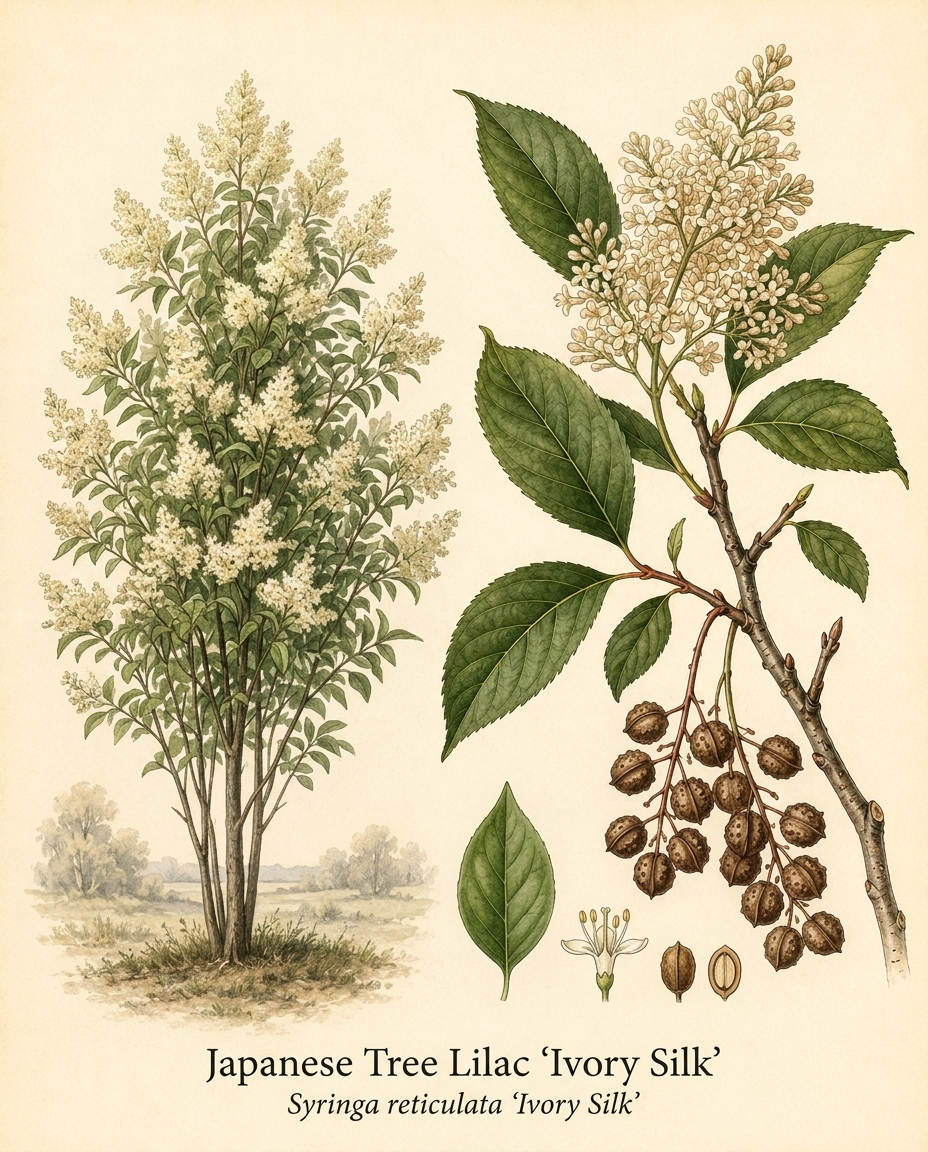
Japanese Tree Lilac 'Ivory Silk'
Syringa reticulata 'Ivory Silk'
Works well together.
- Different structural layer than Wayfaring Tree
- Noticeable height difference for a layered look
- Blooms in summer — extends color when Wayfaring Tree isn't flowering
- Supports pollinators and wildlife
- Fire-resistant — good for defensible space
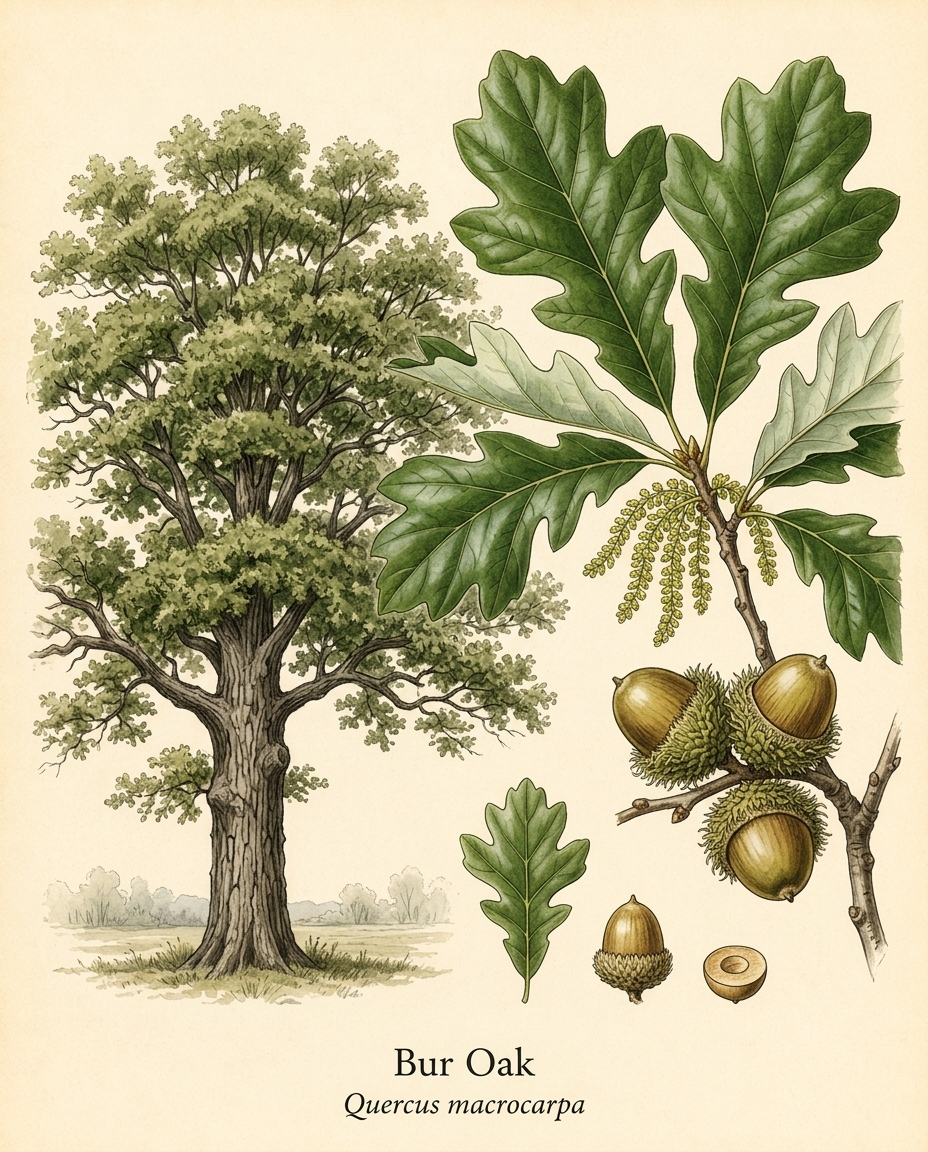
Bur Oak
NativeQuercus macrocarpa
Works well together.
- Different structural layer than Wayfaring Tree
- Noticeable height difference for a layered look
- Supports pollinators and wildlife
- Fire-resistant — good for defensible space
- Same water needs as Wayfaring Tree — one irrigation zone
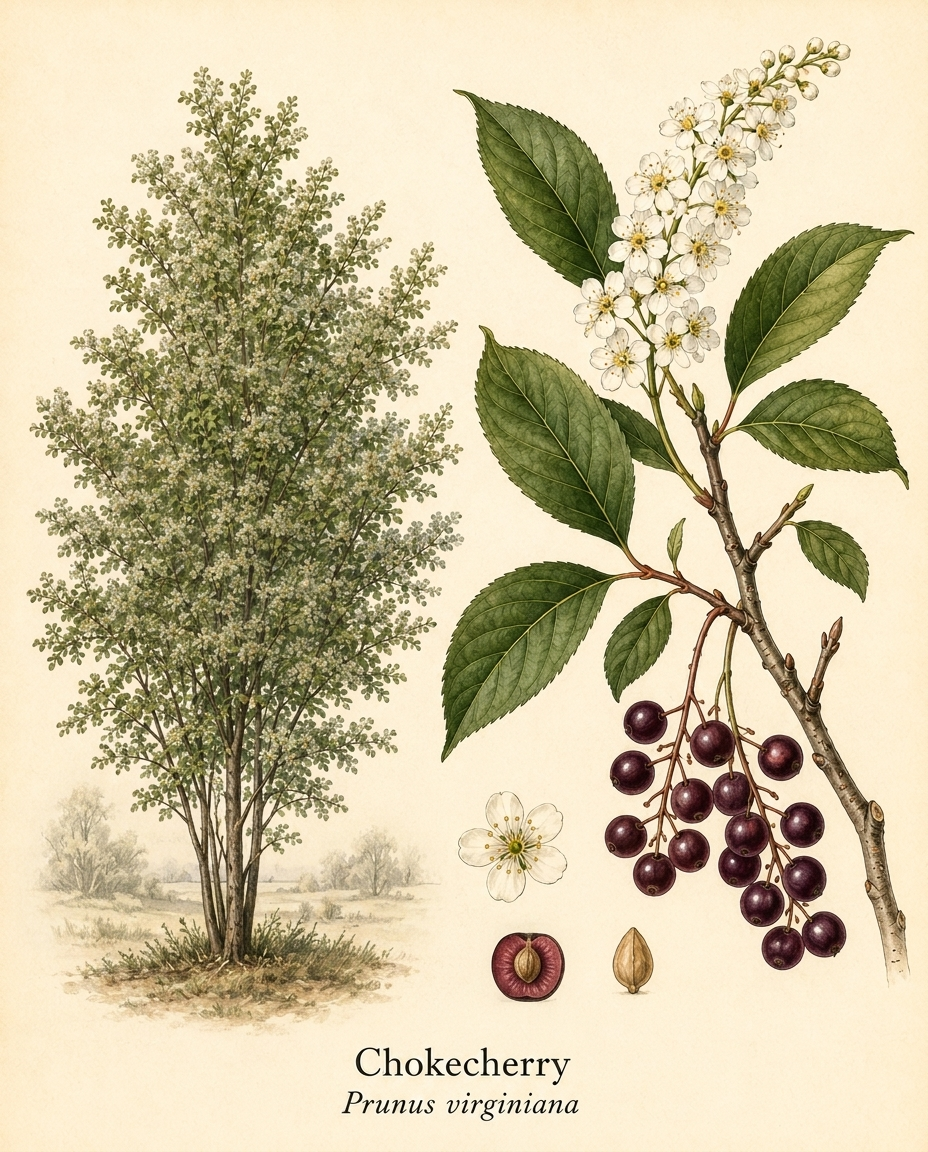
Chokecherry
NativePrunus virginiana
Works well together.
- Different structural layer than Wayfaring Tree
- Noticeable height difference for a layered look
- Supports pollinators and wildlife
- Fire-resistant — good for defensible space
- Same water needs as Wayfaring Tree — one irrigation zone
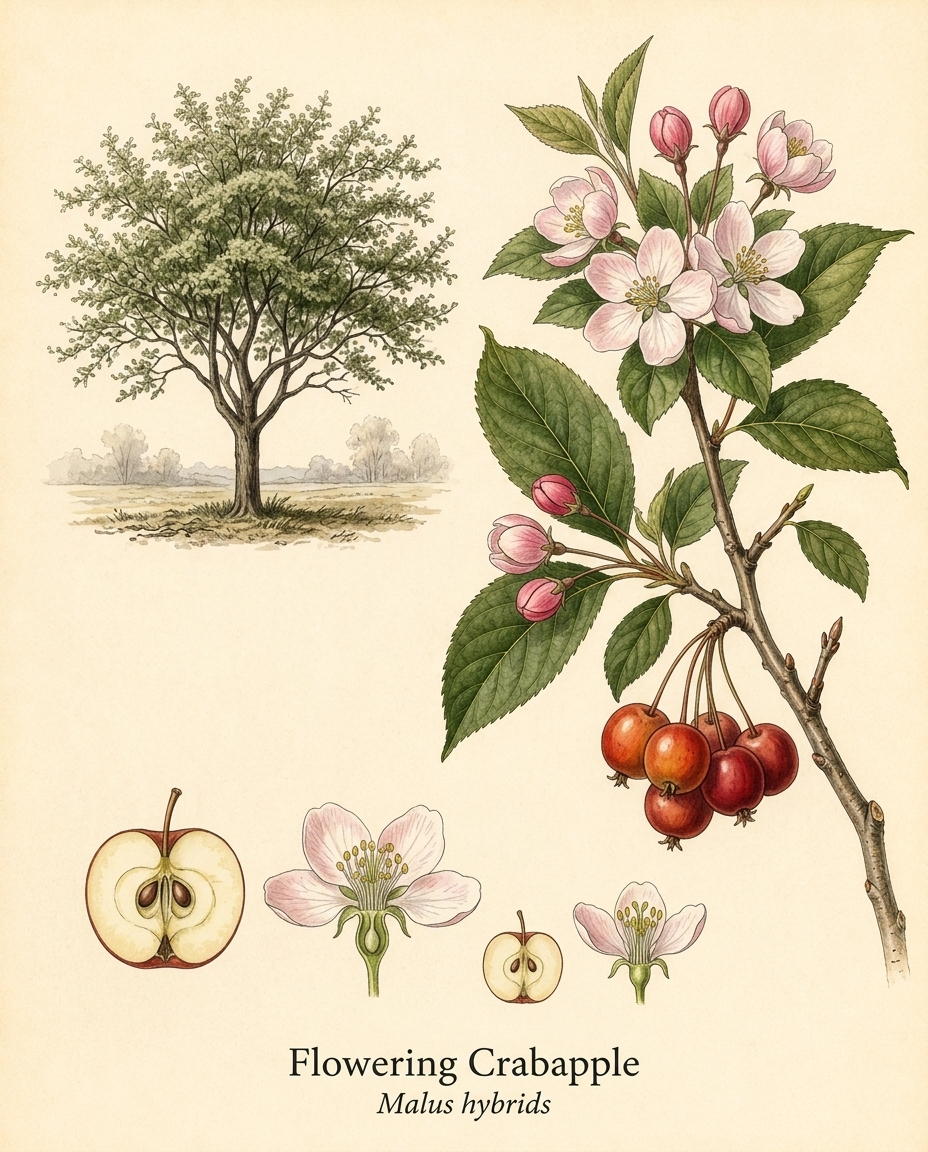
Flowering Crabapple
Malus hybrids
Works well together.
- Different structural layer than Wayfaring Tree
- Noticeable height difference for a layered look
- Supports pollinators and wildlife
- Fire-resistant — good for defensible space
- Same water needs as Wayfaring Tree — one irrigation zone
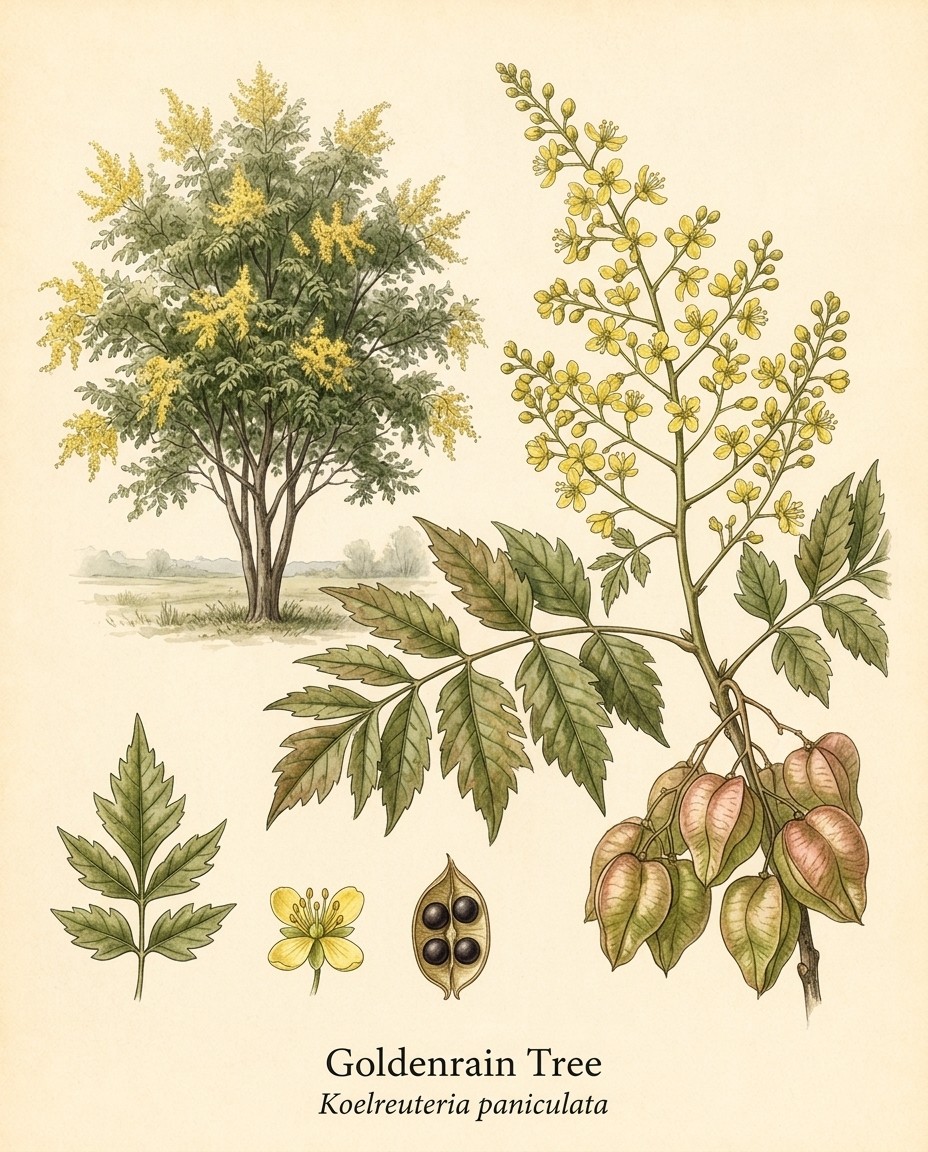
Goldenrain Tree
Koelreuteria paniculata
Works well together.
- Different structural layer than Wayfaring Tree
- Noticeable height difference for a layered look
- Blooms in summer — extends color when Wayfaring Tree isn't flowering
- Same water needs as Wayfaring Tree — one irrigation zone
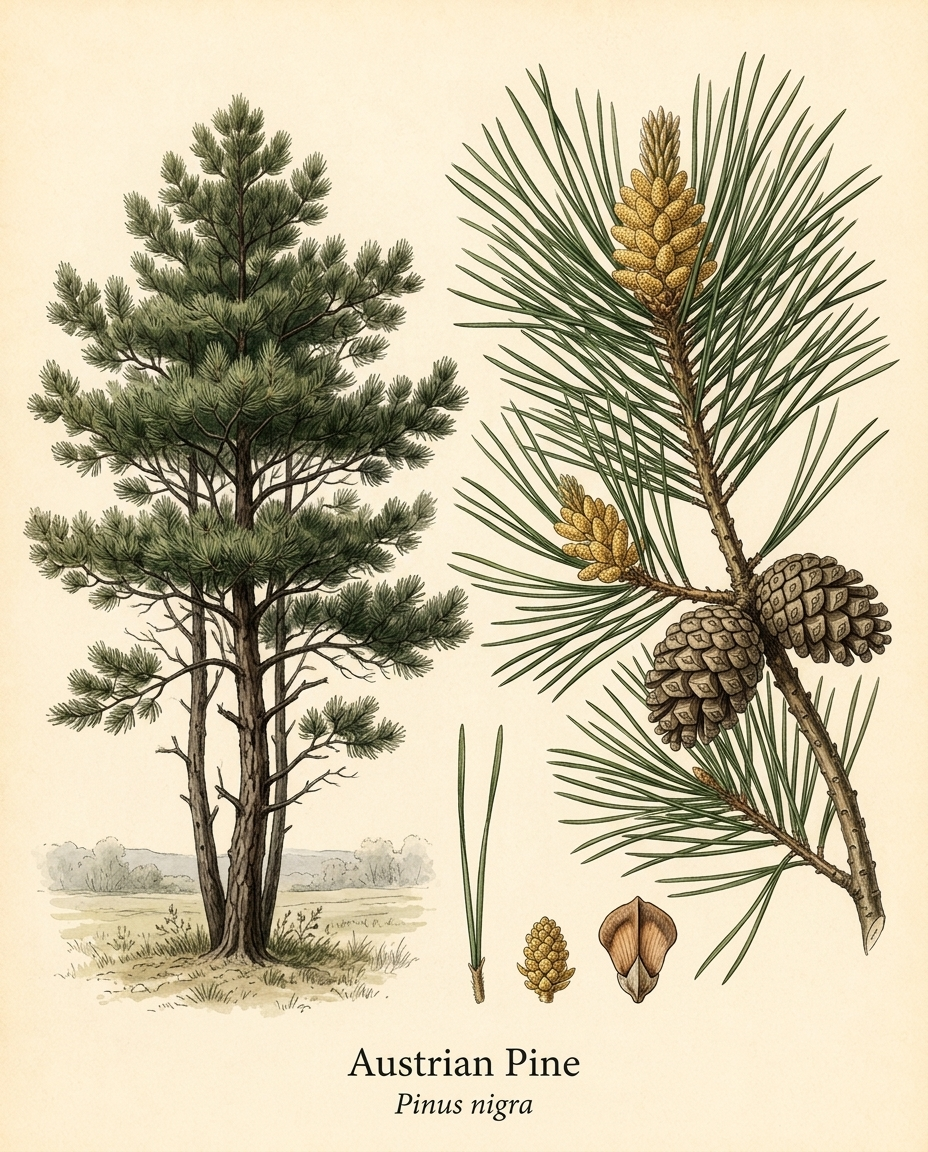
Austrian Pine
Pinus nigra
Compatible on water, sun, and zone. Whether the combination reads well is your call.
- Different structural layer than Wayfaring Tree
- Noticeable height difference for a layered look
- Evergreen — holds structure through winter
- Same water needs as Wayfaring Tree — one irrigation zone
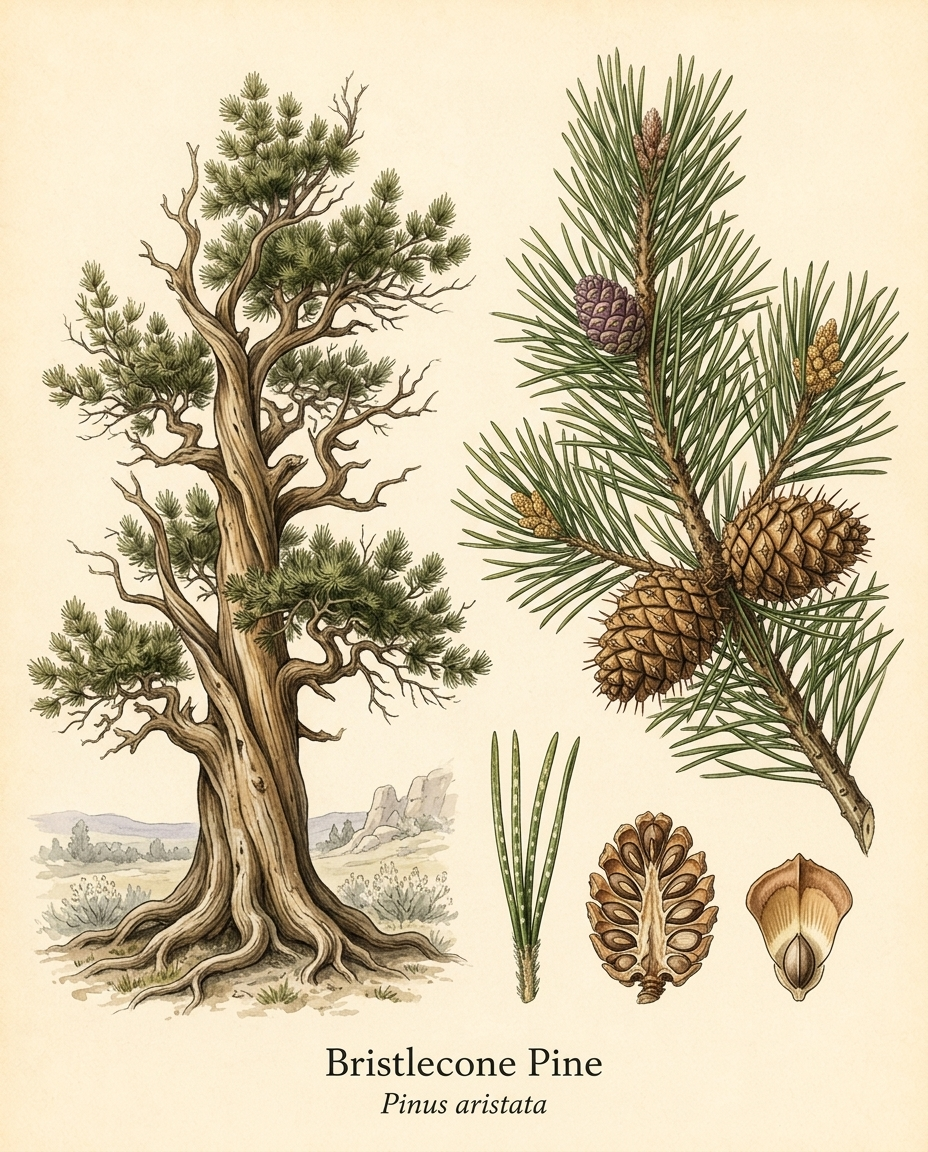
Bristlecone Pine
NativePinus aristata
Compatible on water, sun, and zone. Whether the combination reads well is your call.
- Different structural layer than Wayfaring Tree
- Noticeable height difference for a layered look
- Evergreen — holds structure through winter
- Same water needs as Wayfaring Tree — one irrigation zone
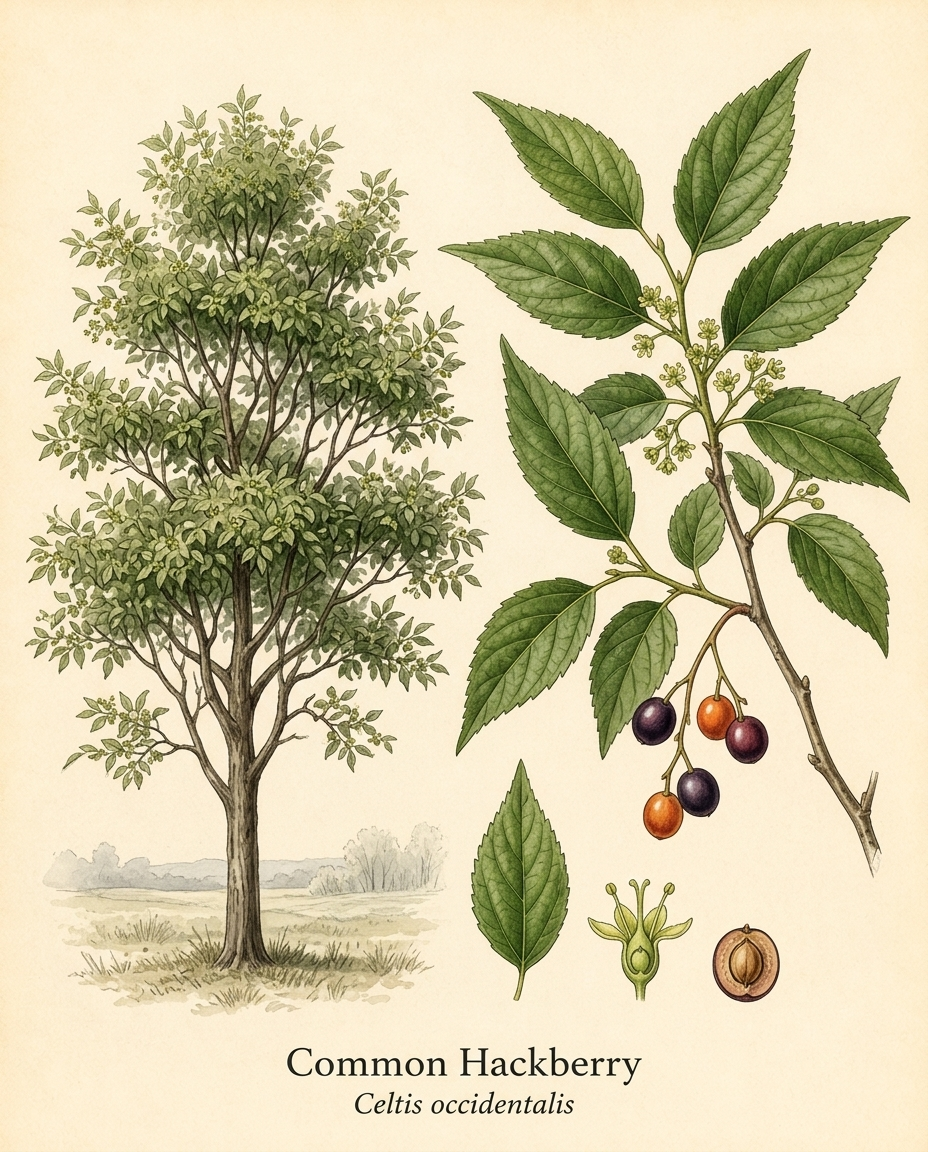
Common Hackberry
NativeCeltis occidentalis
Compatible on water, sun, and zone. Whether the combination reads well is your call.
- Different structural layer than Wayfaring Tree
- Noticeable height difference for a layered look
- Supports pollinators and wildlife
- Same water needs as Wayfaring Tree — one irrigation zone
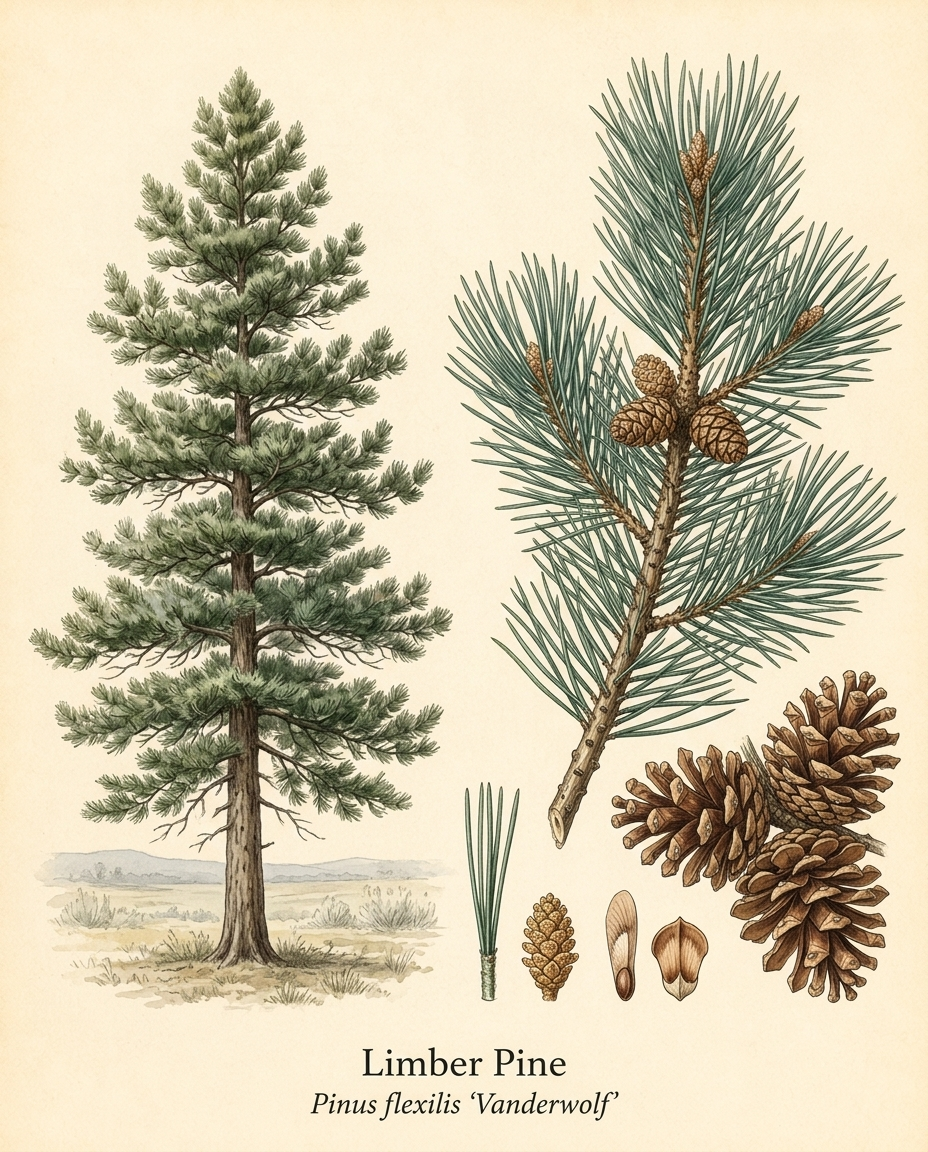
Limber Pine
Pinus flexilis ‘Vanderwolf ’
Compatible on water, sun, and zone. Whether the combination reads well is your call.
- Different structural layer than Wayfaring Tree
- Noticeable height difference for a layered look
- Evergreen — holds structure through winter
- Same water needs as Wayfaring Tree — one irrigation zone
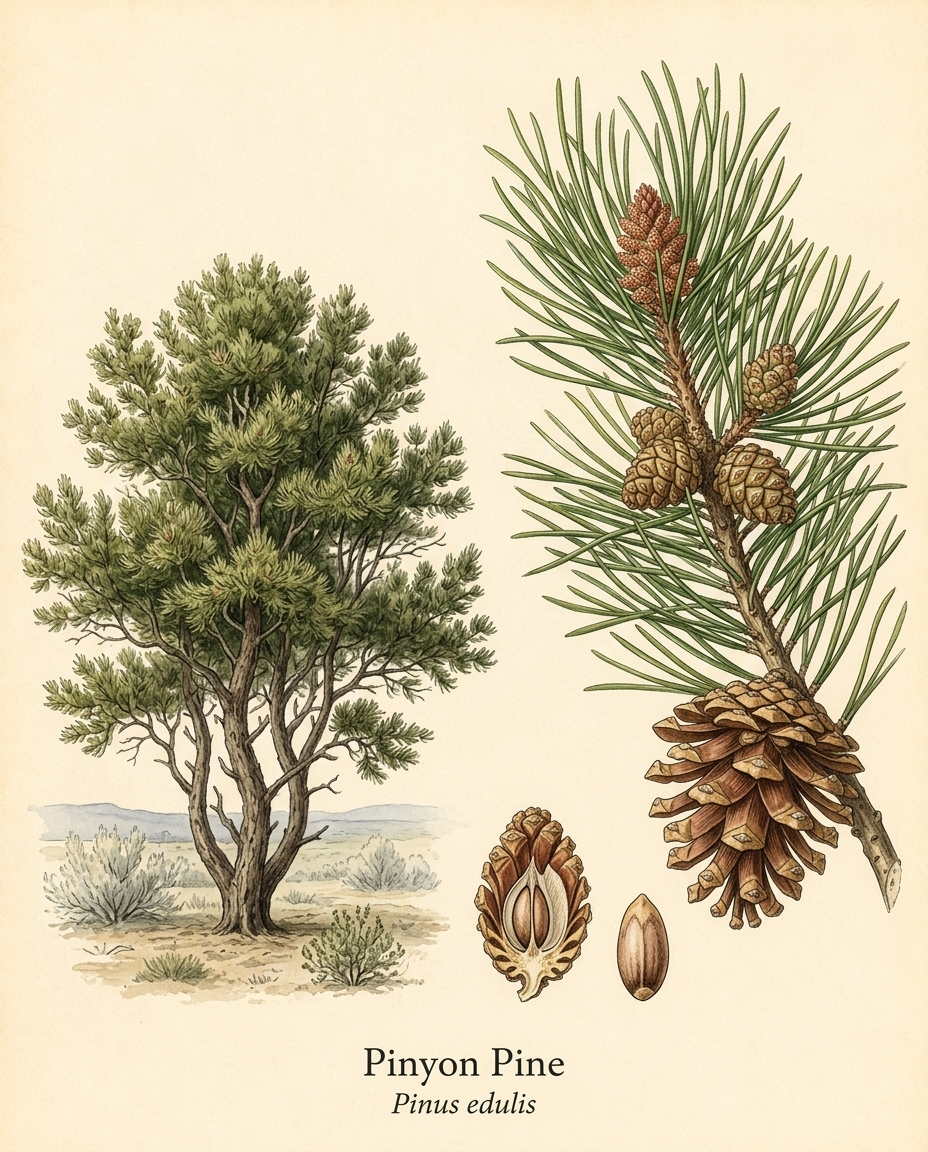
Pinyon Pine
NativePinus edulis
Compatible on water, sun, and zone. Whether the combination reads well is your call.
- Different structural layer than Wayfaring Tree
- Noticeable height difference for a layered look
- Evergreen — holds structure through winter
- Supports pollinators and wildlife
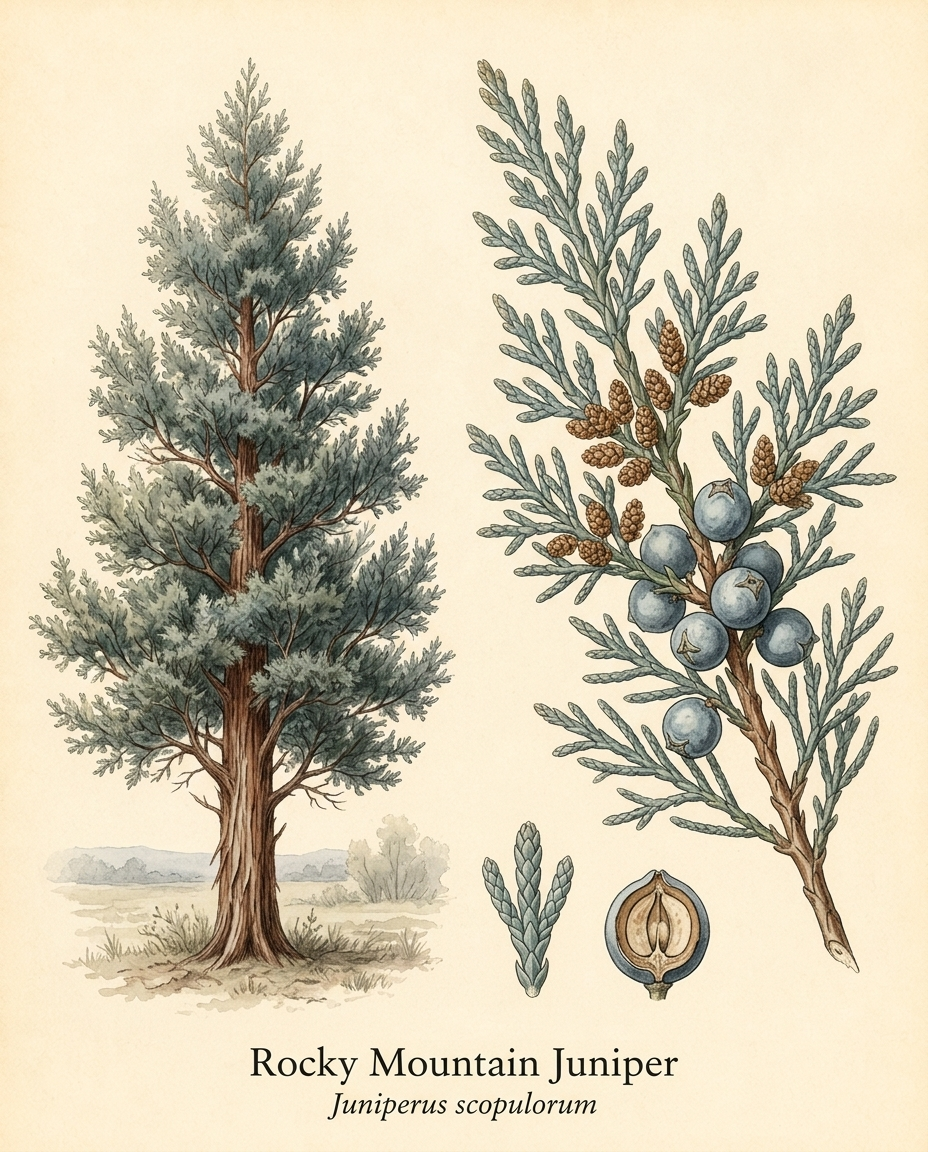
Rocky Mountain Juniper
NativeJuniperus scopulorum
Compatible on water, sun, and zone. Whether the combination reads well is your call.
- Different structural layer than Wayfaring Tree
- Noticeable height difference for a layered look
- Evergreen — holds structure through winter
- Supports pollinators and wildlife
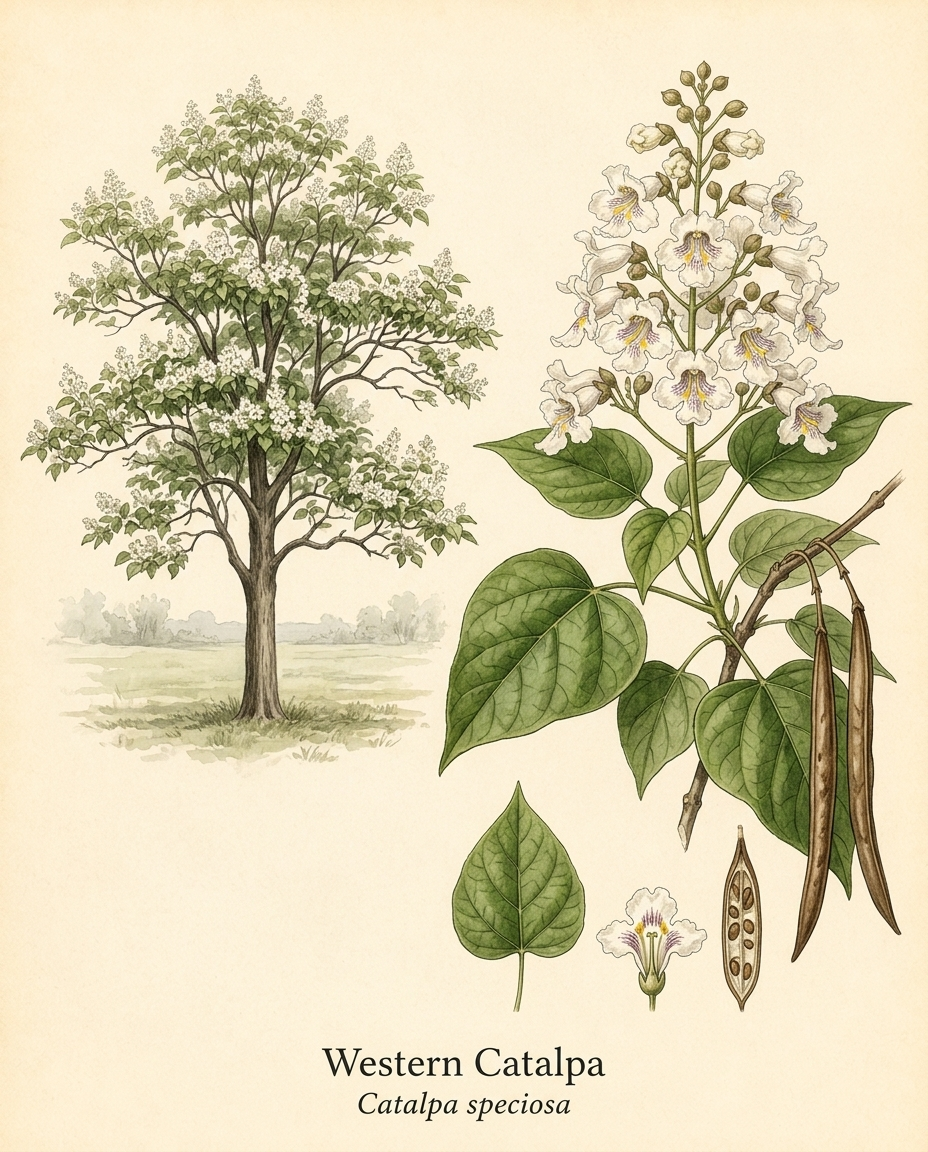
Western Catalpa
NativeCatalpa speciosa
Compatible on water, sun, and zone. Whether the combination reads well is your call.
- Different structural layer than Wayfaring Tree
- Noticeable height difference for a layered look
- Blooms in summer — extends color when Wayfaring Tree isn't flowering
- Fire-resistant — good for defensible space
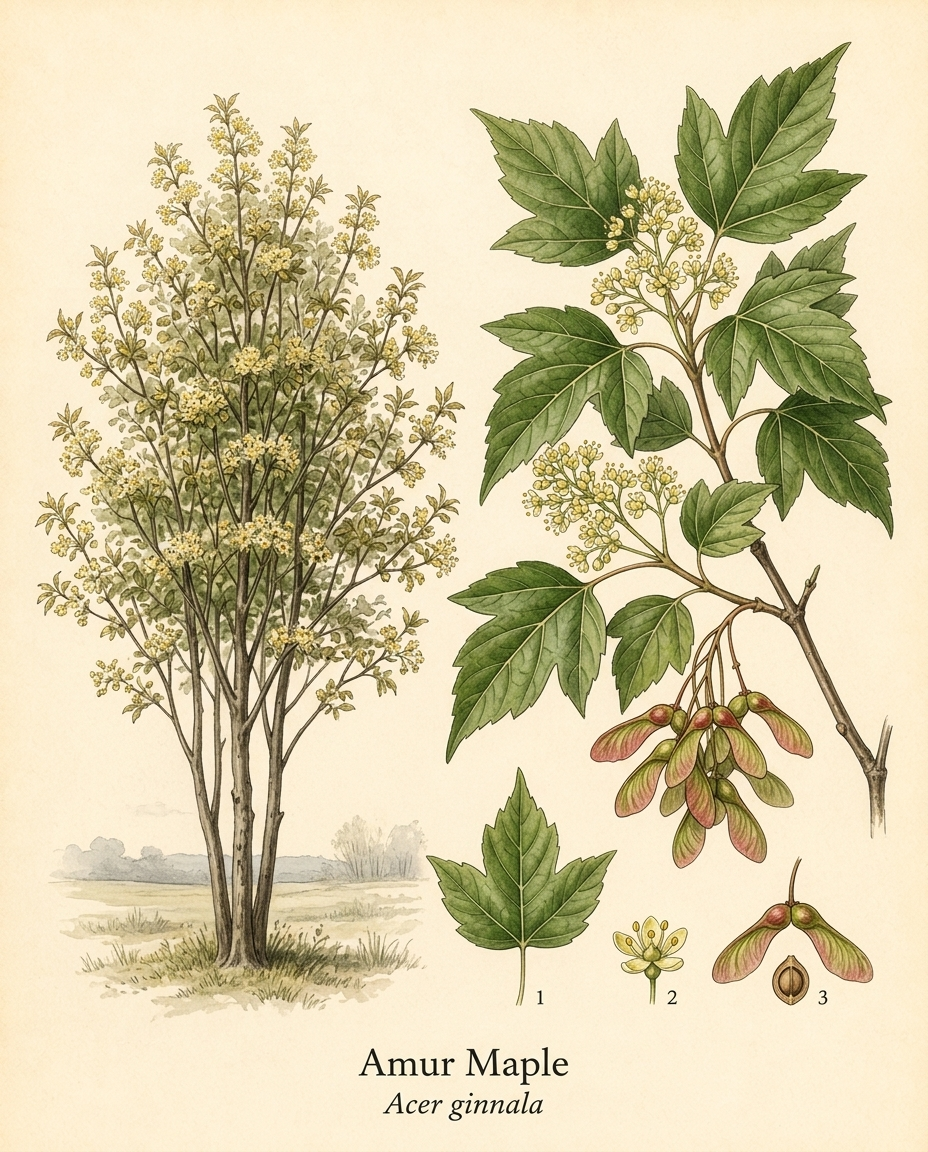
Amur Maple
Acer ginnala
Compatible on water, sun, and zone. Whether the combination reads well is your call.
- Different structural layer than Wayfaring Tree
- Noticeable height difference for a layered look
- Fire-resistant — good for defensible space
- Same water needs as Wayfaring Tree — one irrigation zone
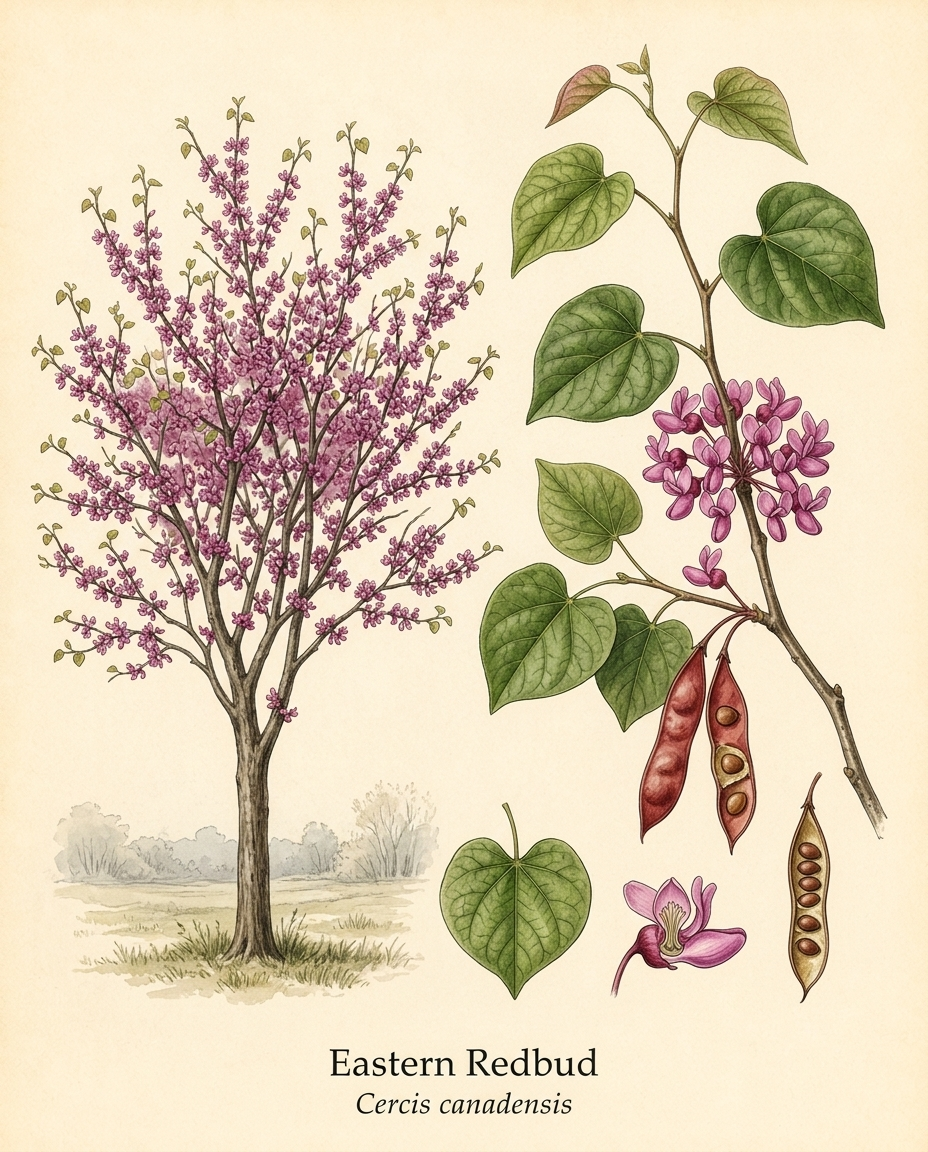
Eastern Redbud
Cercis canadensis
Compatible on water, sun, and zone. Whether the combination reads well is your call.
- Different structural layer than Wayfaring Tree
- Noticeable height difference for a layered look
- Supports pollinators and wildlife
- Fire-resistant — good for defensible space
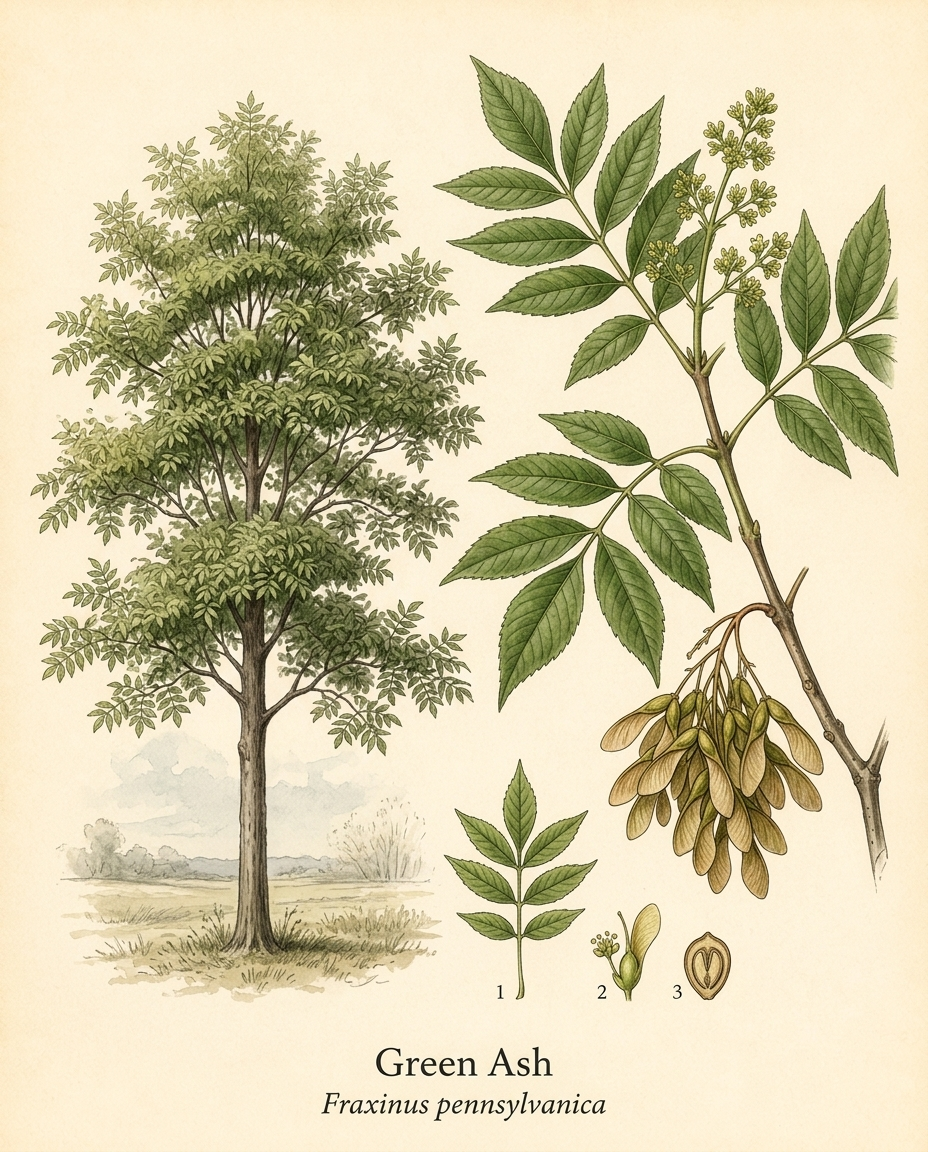
Green Ash
Fraxinus pennsylvanica
Compatible on water, sun, and zone. Whether the combination reads well is your call.
- Different structural layer than Wayfaring Tree
- Noticeable height difference for a layered look
- Fire-resistant — good for defensible space
- Same water needs as Wayfaring Tree — one irrigation zone
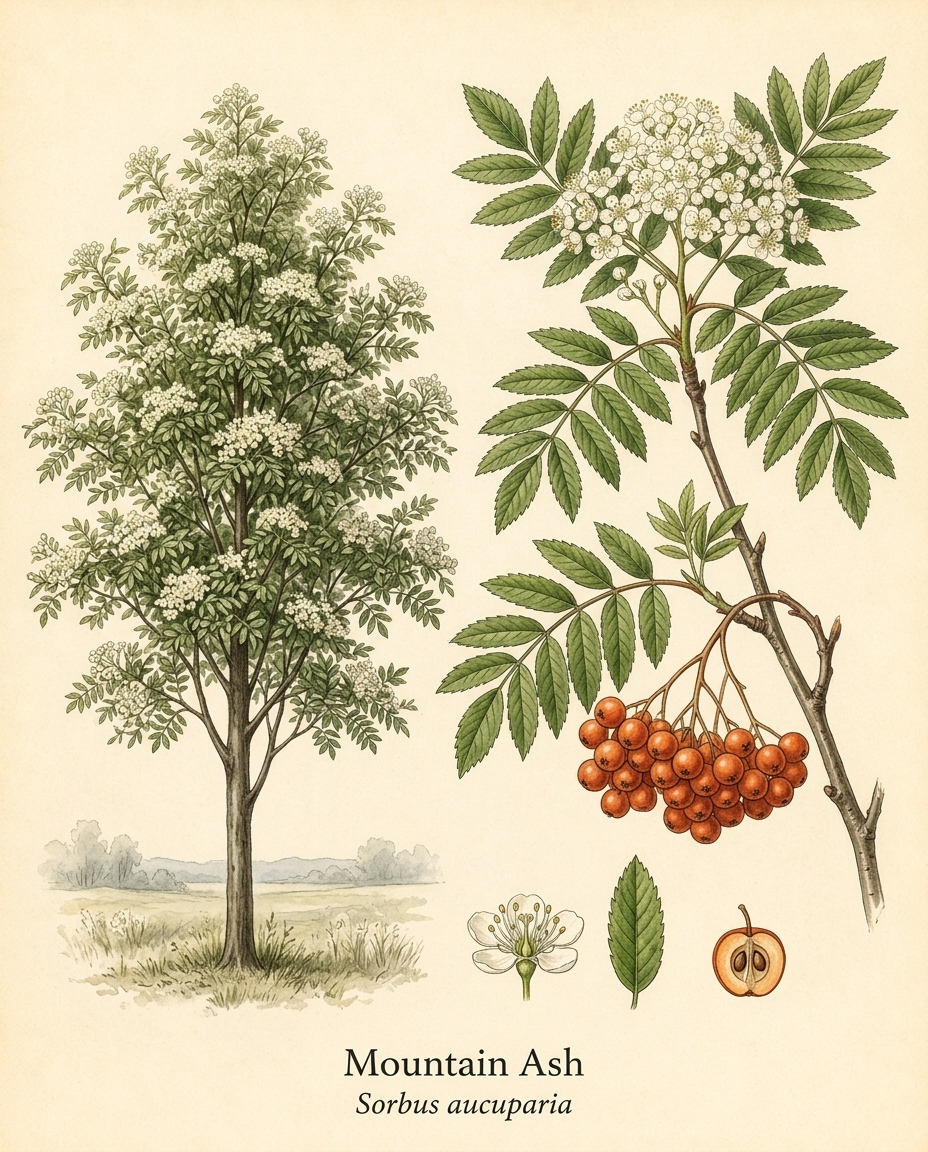
Mountain Ash
Sorbus aucuparia
Compatible on water, sun, and zone. Whether the combination reads well is your call.
- Different structural layer than Wayfaring Tree
- Noticeable height difference for a layered look
- Supports pollinators and wildlife
- Fire-resistant — good for defensible space
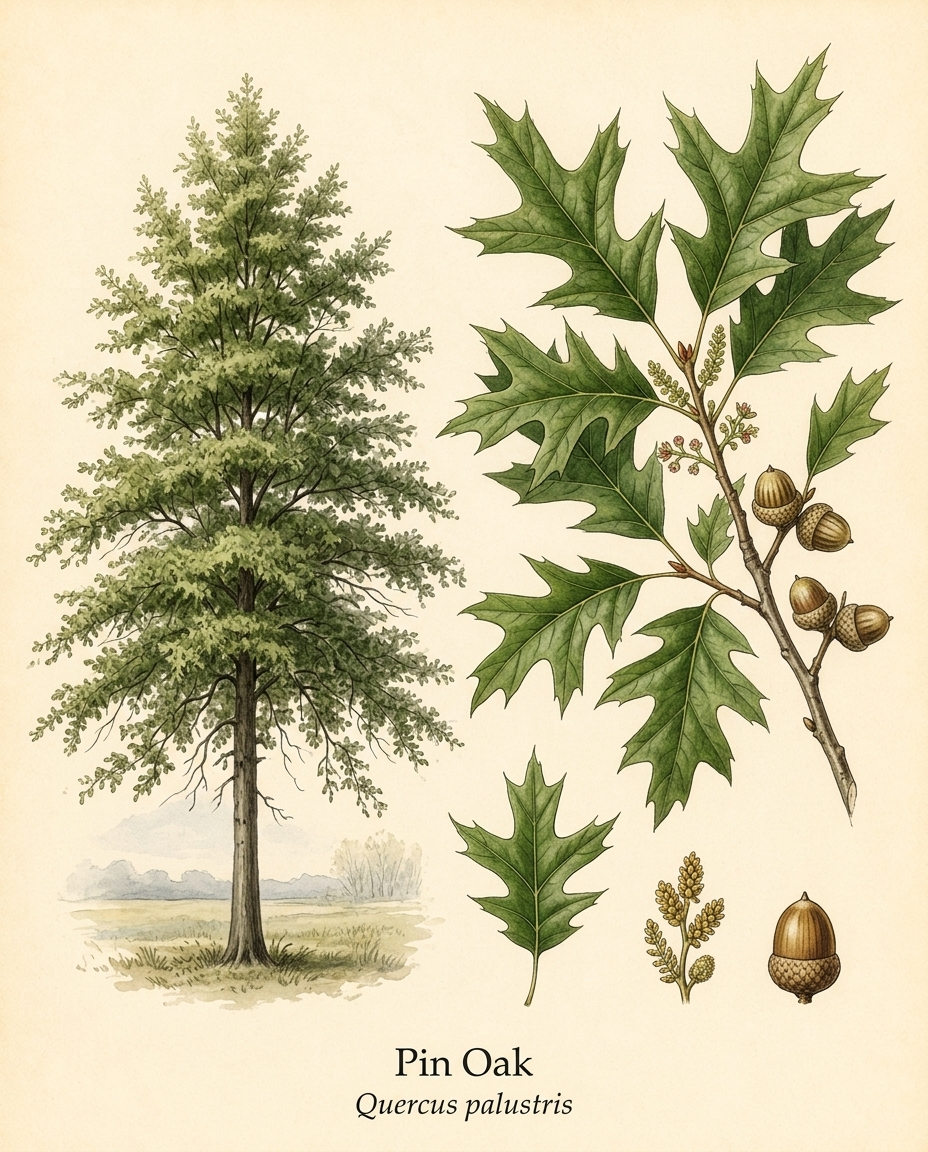
Pin Oak
Quercus palustris
Compatible on water, sun, and zone. Whether the combination reads well is your call.
- Different structural layer than Wayfaring Tree
- Noticeable height difference for a layered look
- Fire-resistant — good for defensible space
- Same water needs as Wayfaring Tree — one irrigation zone
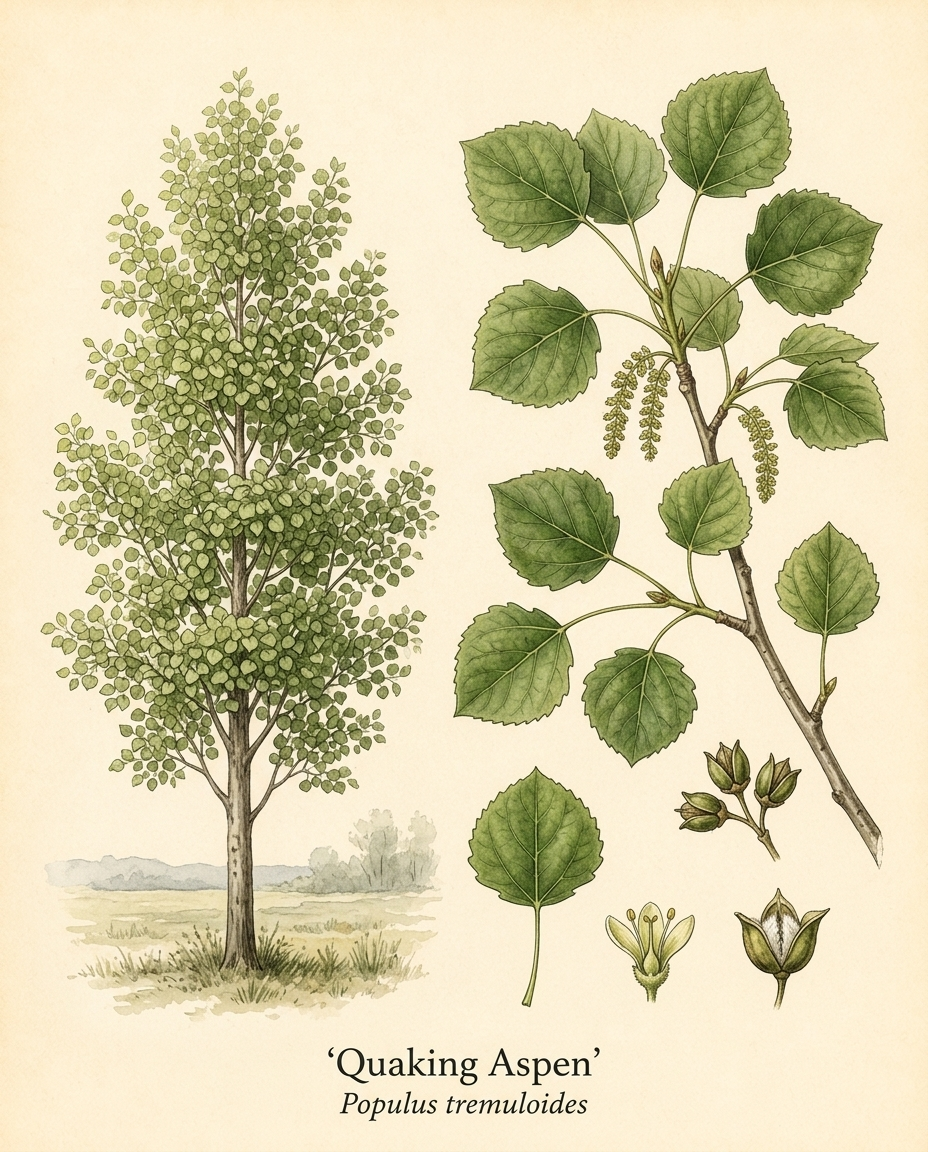
Quaking Aspen
NativePopulus tremuloides
Compatible on water, sun, and zone. Whether the combination reads well is your call.
- Different structural layer than Wayfaring Tree
- Noticeable height difference for a layered look
- Fire-resistant — good for defensible space
- Same water needs as Wayfaring Tree — one irrigation zone
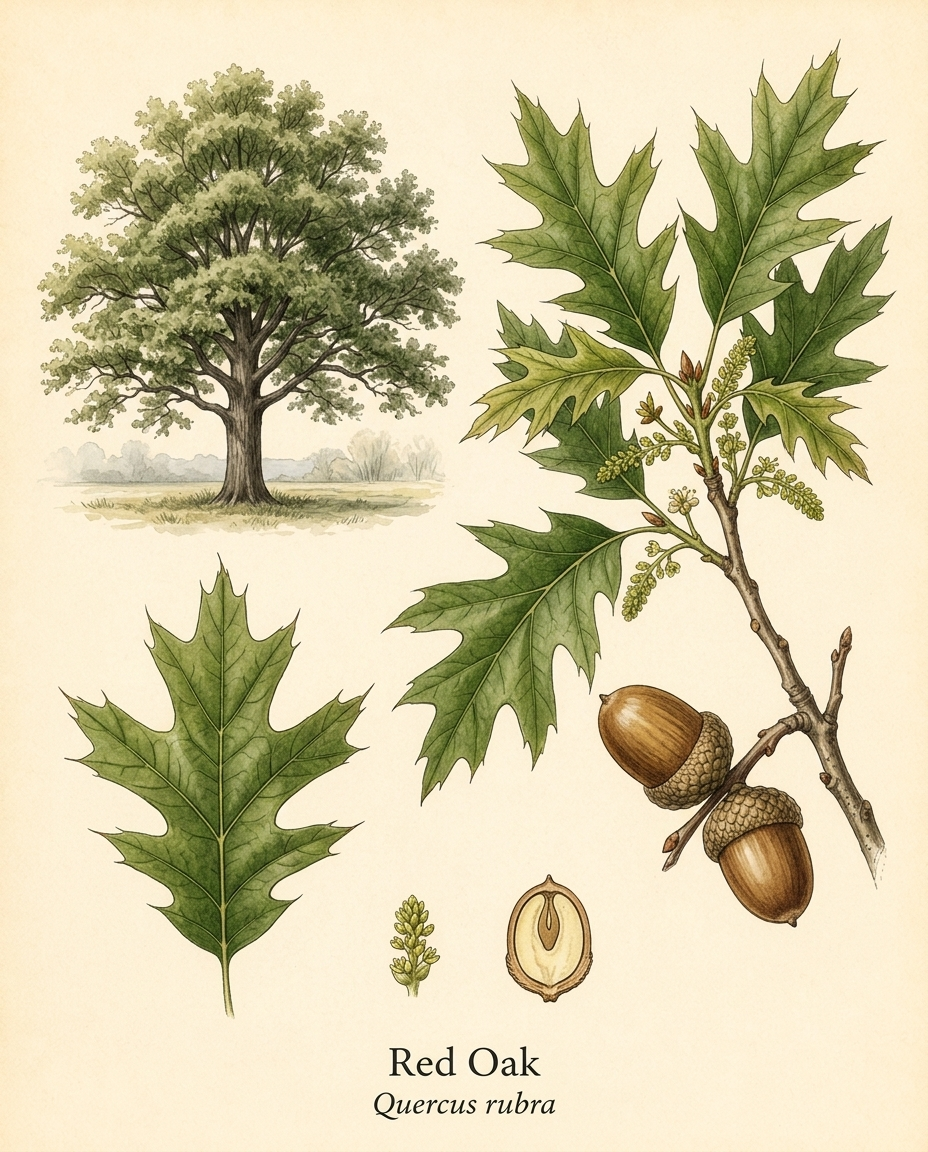
Red Oak
Quercus rubra
Compatible on water, sun, and zone. Whether the combination reads well is your call.
- Different structural layer than Wayfaring Tree
- Noticeable height difference for a layered look
- Fire-resistant — good for defensible space
- Same water needs as Wayfaring Tree — one irrigation zone
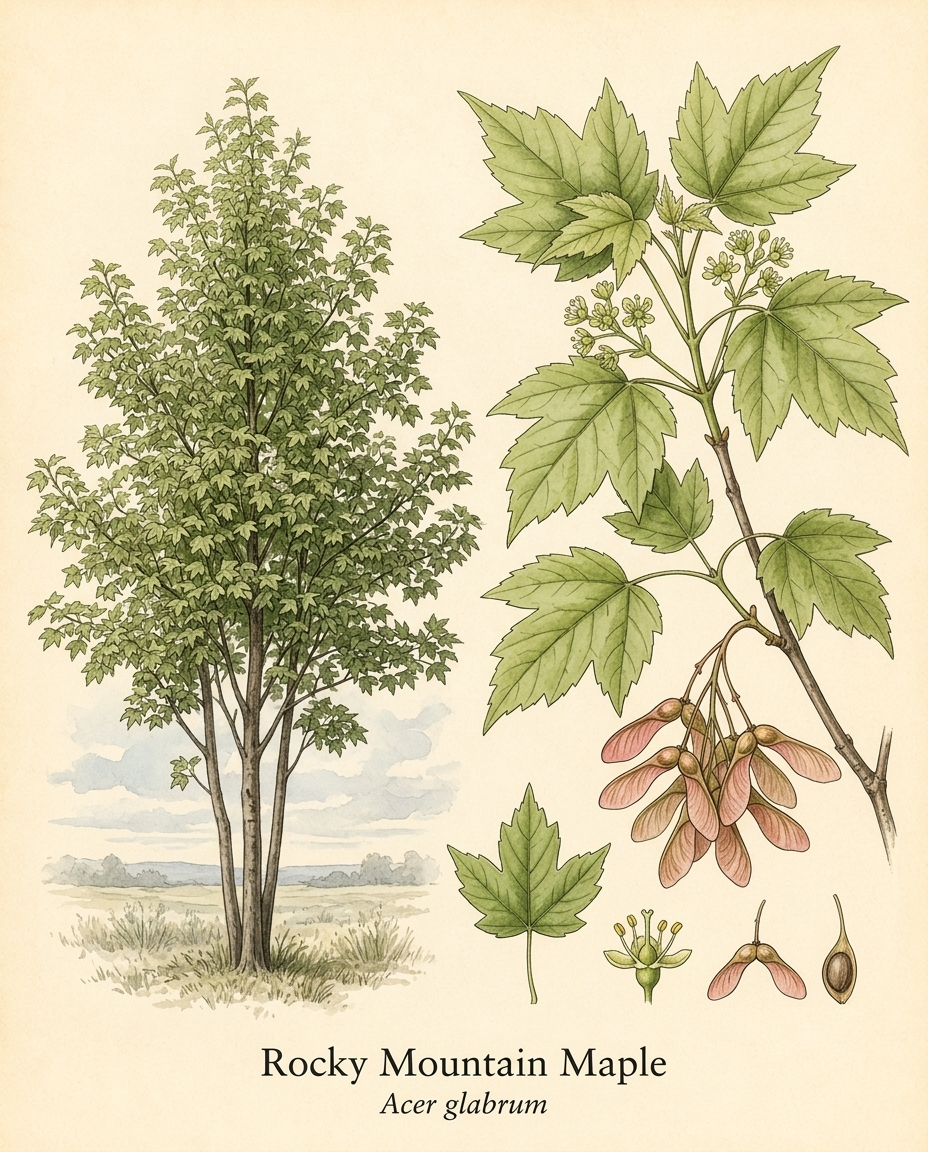
Rocky Mountain Maple
NativeAcer glabrum
Compatible on water, sun, and zone. Whether the combination reads well is your call.
- Different structural layer than Wayfaring Tree
- Noticeable height difference for a layered look
- Fire-resistant — good for defensible space
- Same water needs as Wayfaring Tree — one irrigation zone
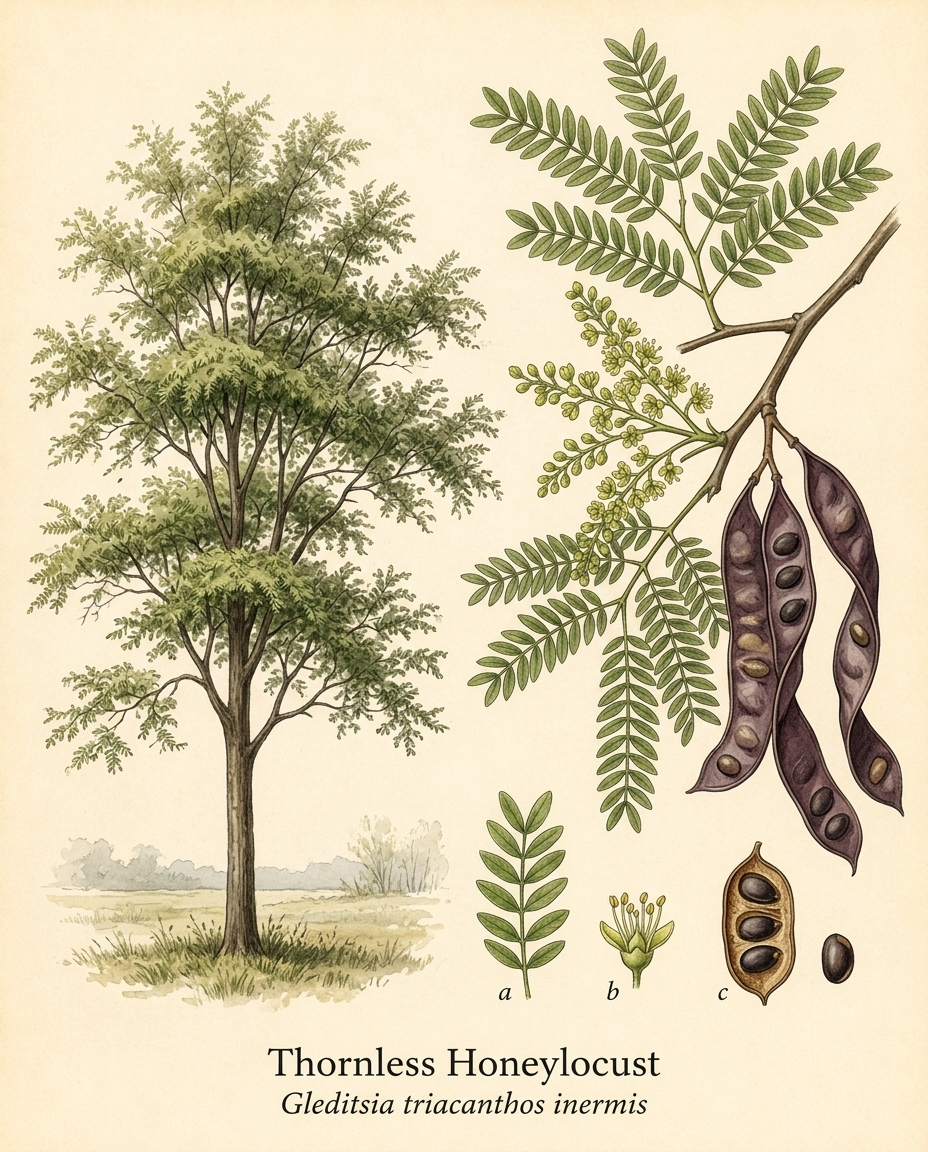
Thornless Honeylocust
NativeGleditsia triacanthos inermis
Compatible on water, sun, and zone. Whether the combination reads well is your call.
- Different structural layer than Wayfaring Tree
- Noticeable height difference for a layered look
- Fire-resistant — good for defensible space
- Same water needs as Wayfaring Tree — one irrigation zone
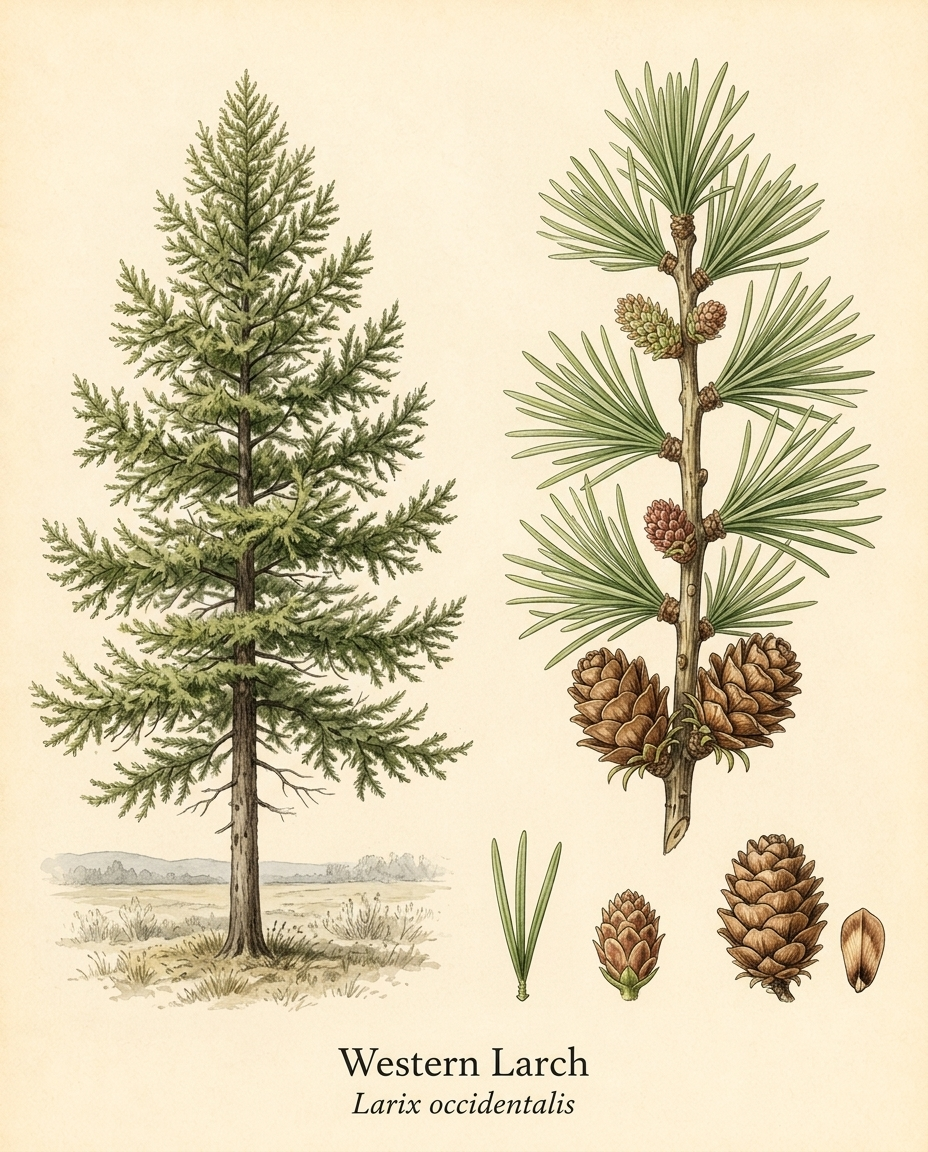
Western Larch
NativeLarix occidentalis
Compatible on water, sun, and zone. Whether the combination reads well is your call.
- Different structural layer than Wayfaring Tree
- Noticeable height difference for a layered look
- Evergreen — holds structure through winter
- Fire-resistant — good for defensible space
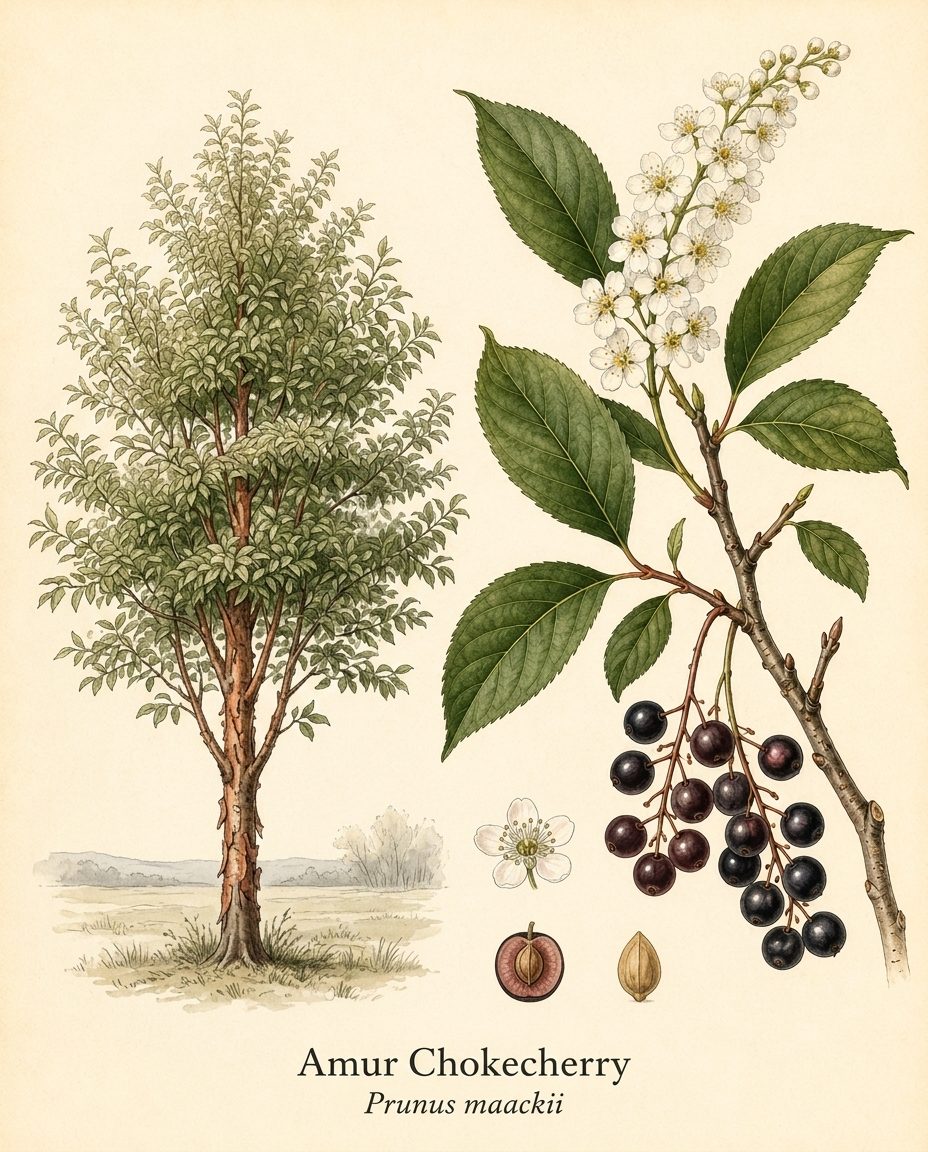
Amur Chokecherry
Prunus maackii
Compatible on water, sun, and zone. Whether the combination reads well is your call.
- Different structural layer than Wayfaring Tree
- Noticeable height difference for a layered look
- Supports pollinators and wildlife
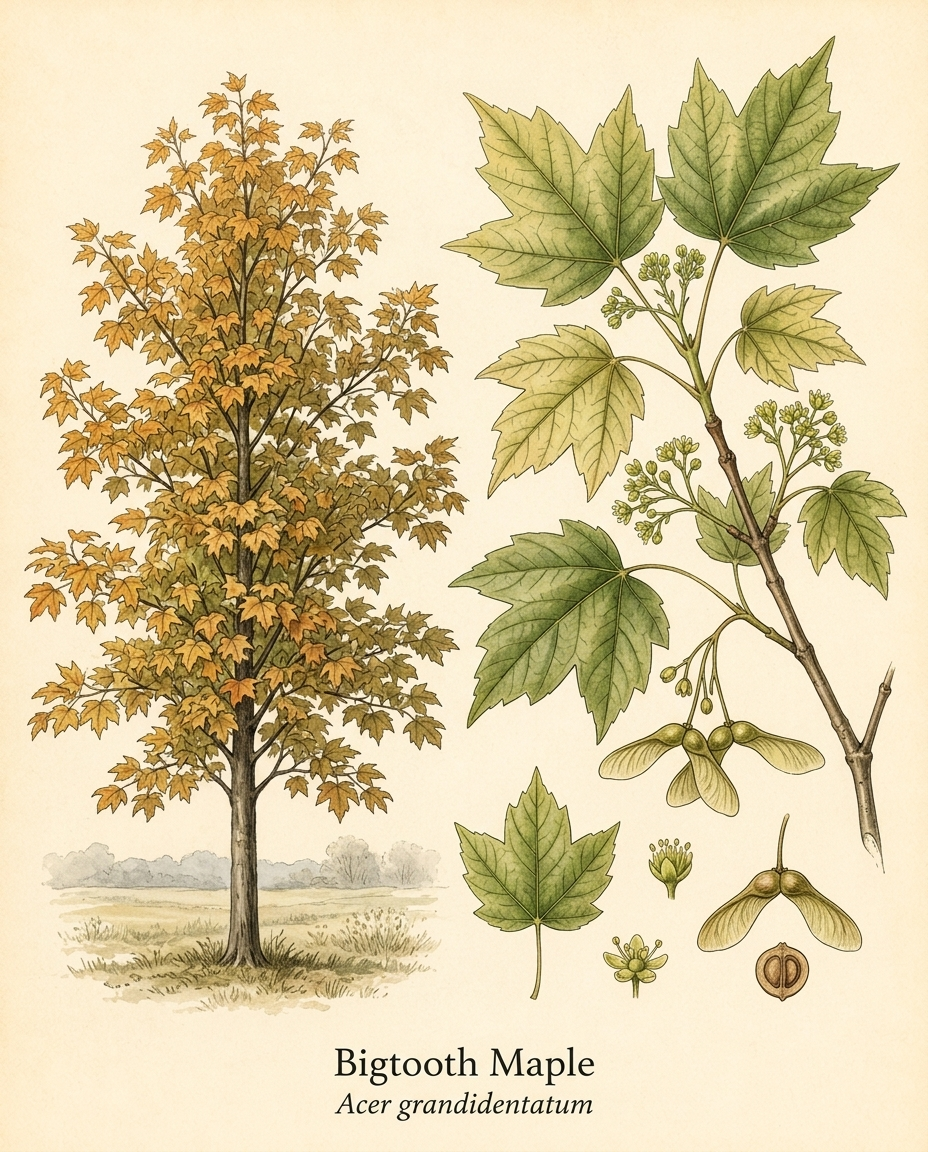
Bigtooth Maple
NativeAcer grandidentatum
Compatible on water, sun, and zone. Whether the combination reads well is your call.
- Different structural layer than Wayfaring Tree
- Noticeable height difference for a layered look
- Same water needs as Wayfaring Tree — one irrigation zone
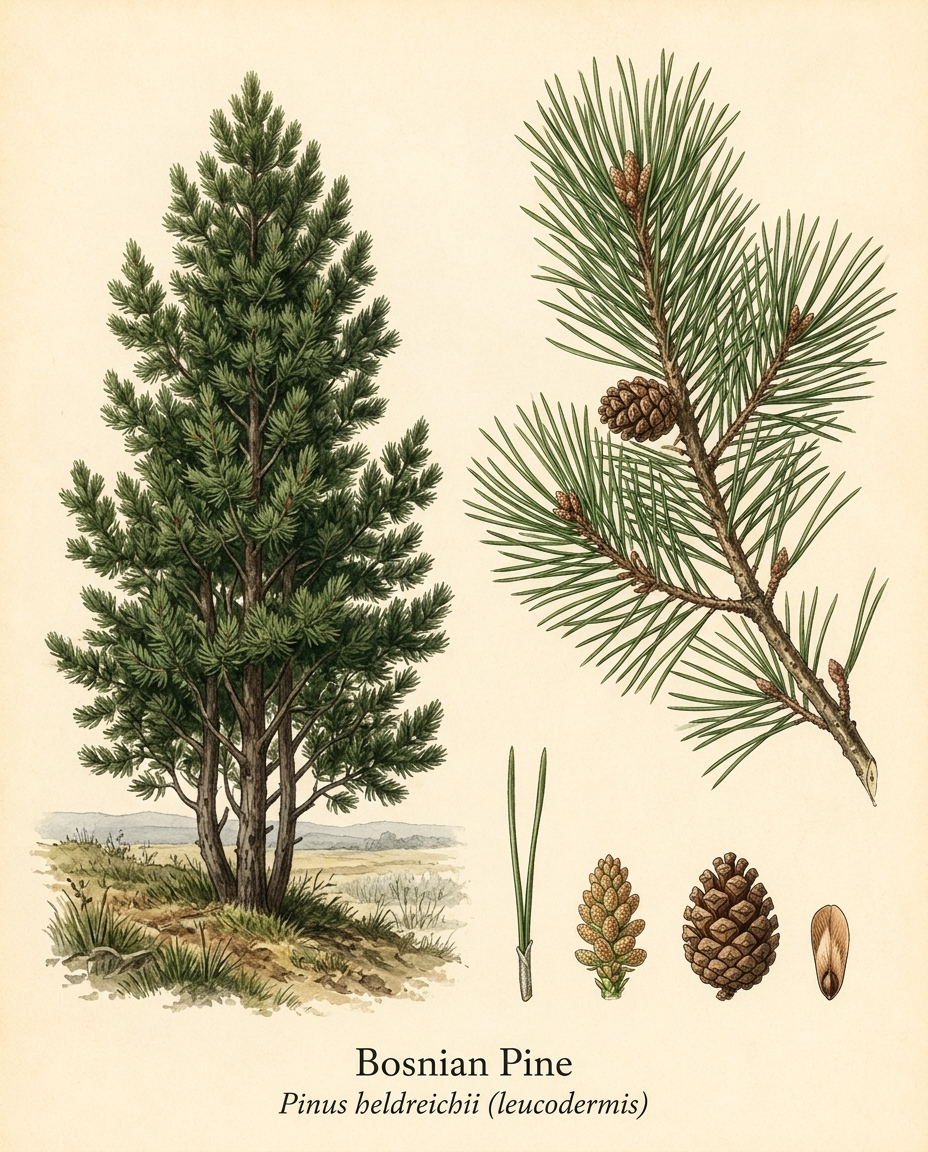
Bosnian Pine
Pinus heldreichii (leucodermis)
Compatible on water, sun, and zone. Whether the combination reads well is your call.
- Different structural layer than Wayfaring Tree
- Noticeable height difference for a layered look
- Evergreen — holds structure through winter
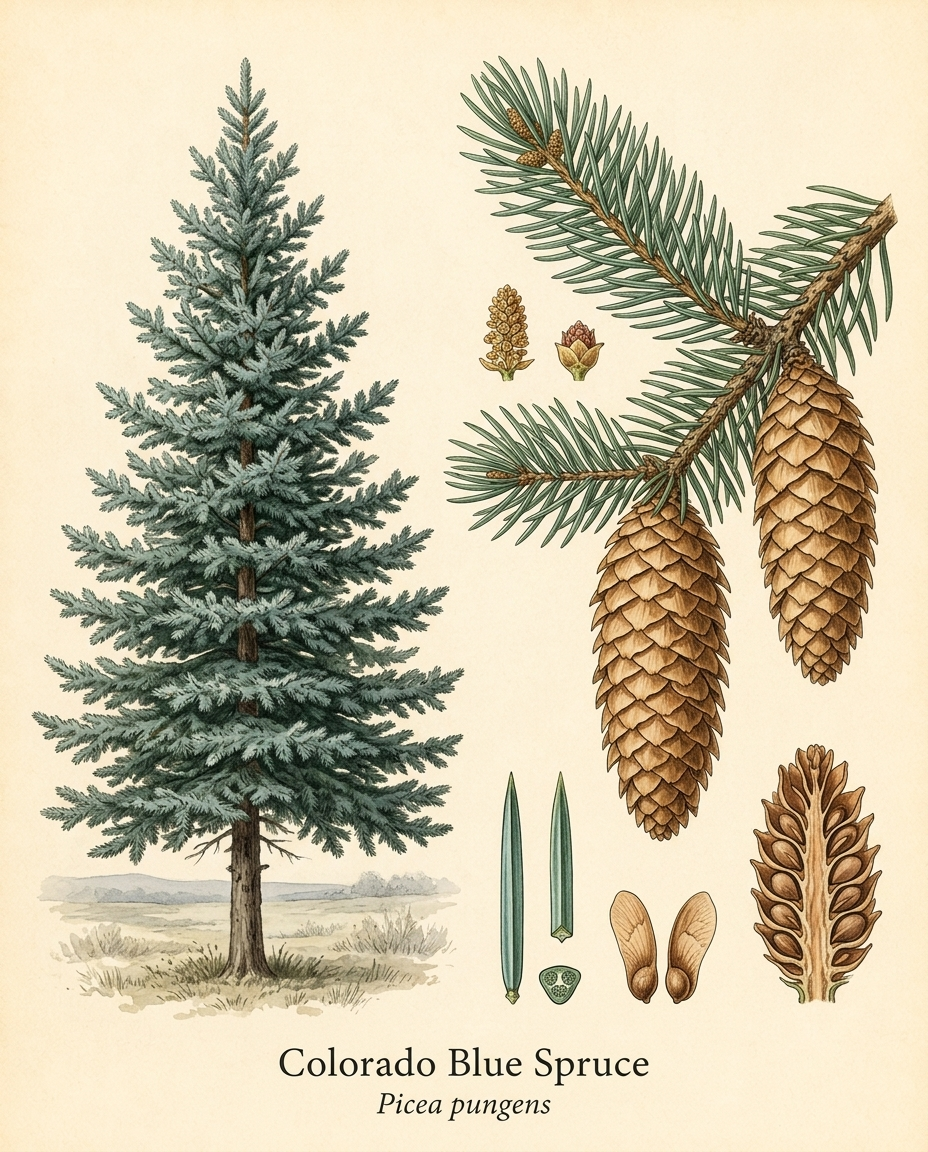
Colorado Blue Spruce
NativePicea pungens
Compatible on water, sun, and zone. Whether the combination reads well is your call.
- Different structural layer than Wayfaring Tree
- Noticeable height difference for a layered look
- Evergreen — holds structure through winter
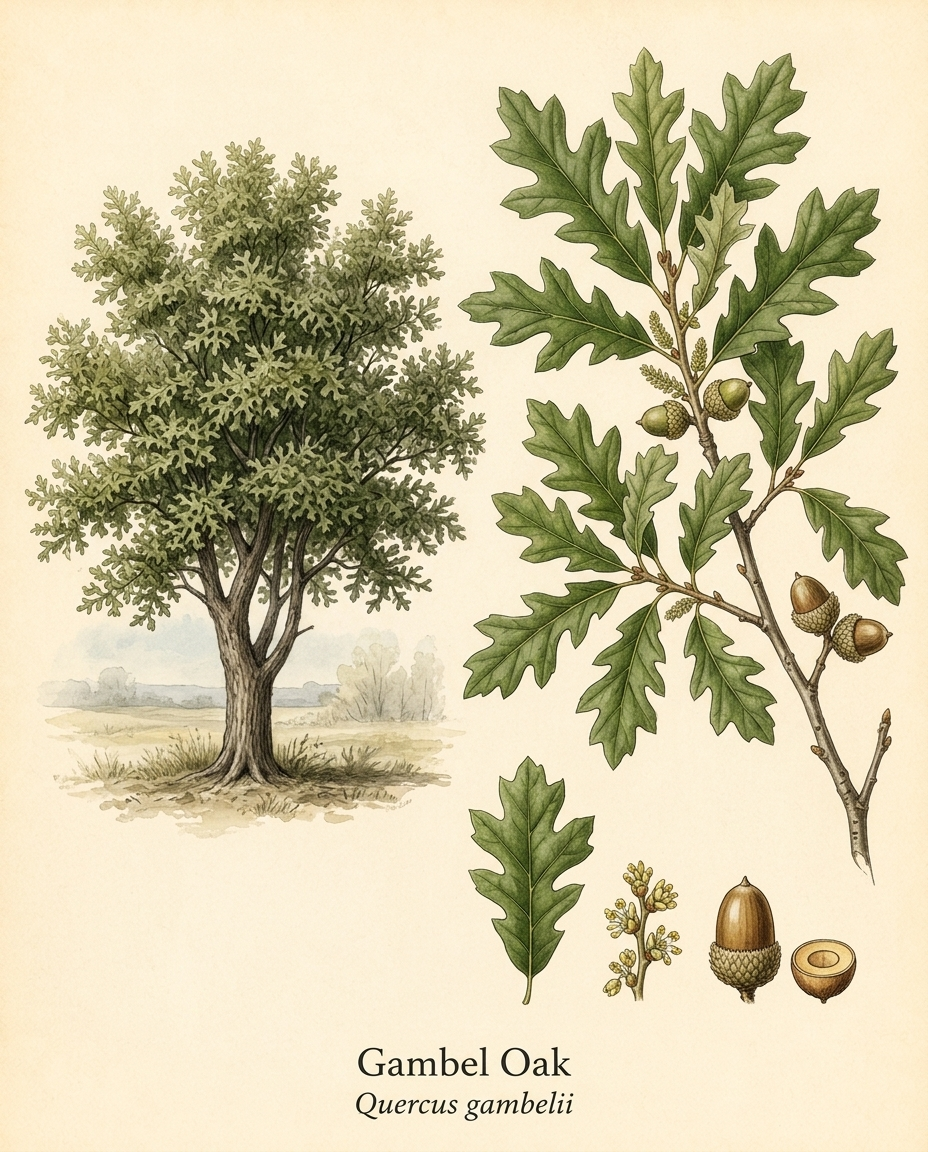
Gambel Oak
NativeQuercus gambelii
Compatible on water, sun, and zone. Whether the combination reads well is your call.
- Different structural layer than Wayfaring Tree
- Noticeable height difference for a layered look
- Supports pollinators and wildlife
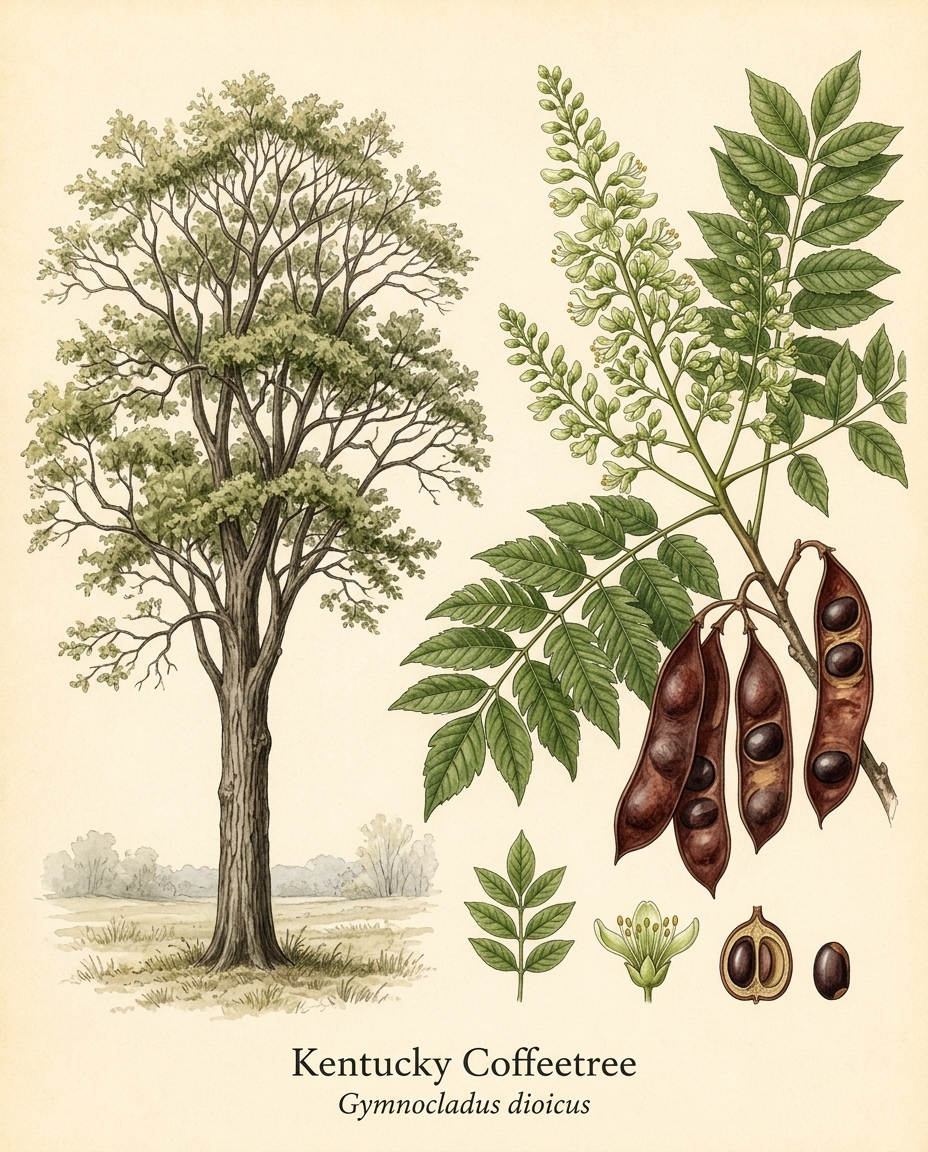
Kentucky Coffeetree
NativeGymnocladus dioicus
Compatible on water, sun, and zone. Whether the combination reads well is your call.
- Different structural layer than Wayfaring Tree
- Noticeable height difference for a layered look
- Same water needs as Wayfaring Tree — one irrigation zone
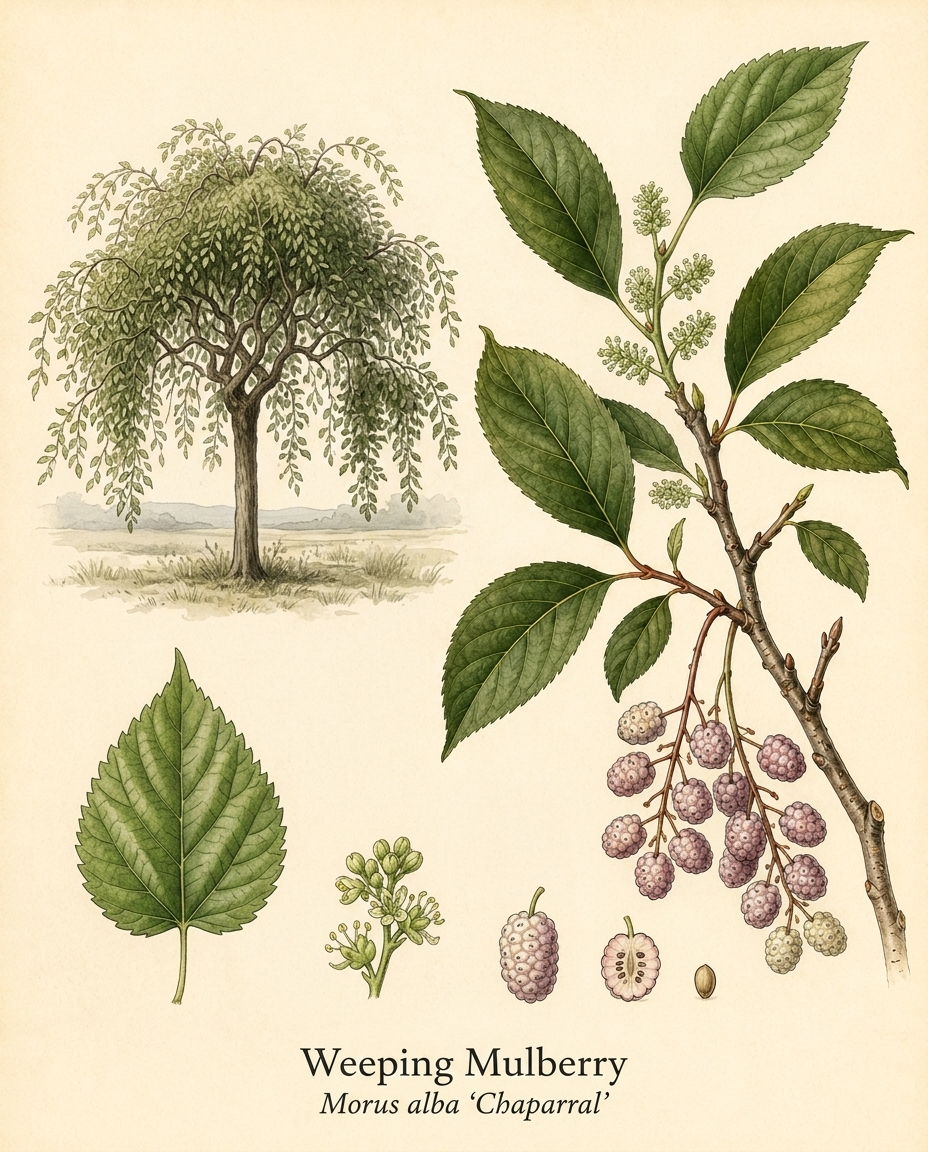
Weeping Mulberry
Morus alba 'Chaparral'
Compatible on water, sun, and zone. Whether the combination reads well is your call.
- Different structural layer than Wayfaring Tree
- Noticeable height difference for a layered look
- Same water needs as Wayfaring Tree — one irrigation zone
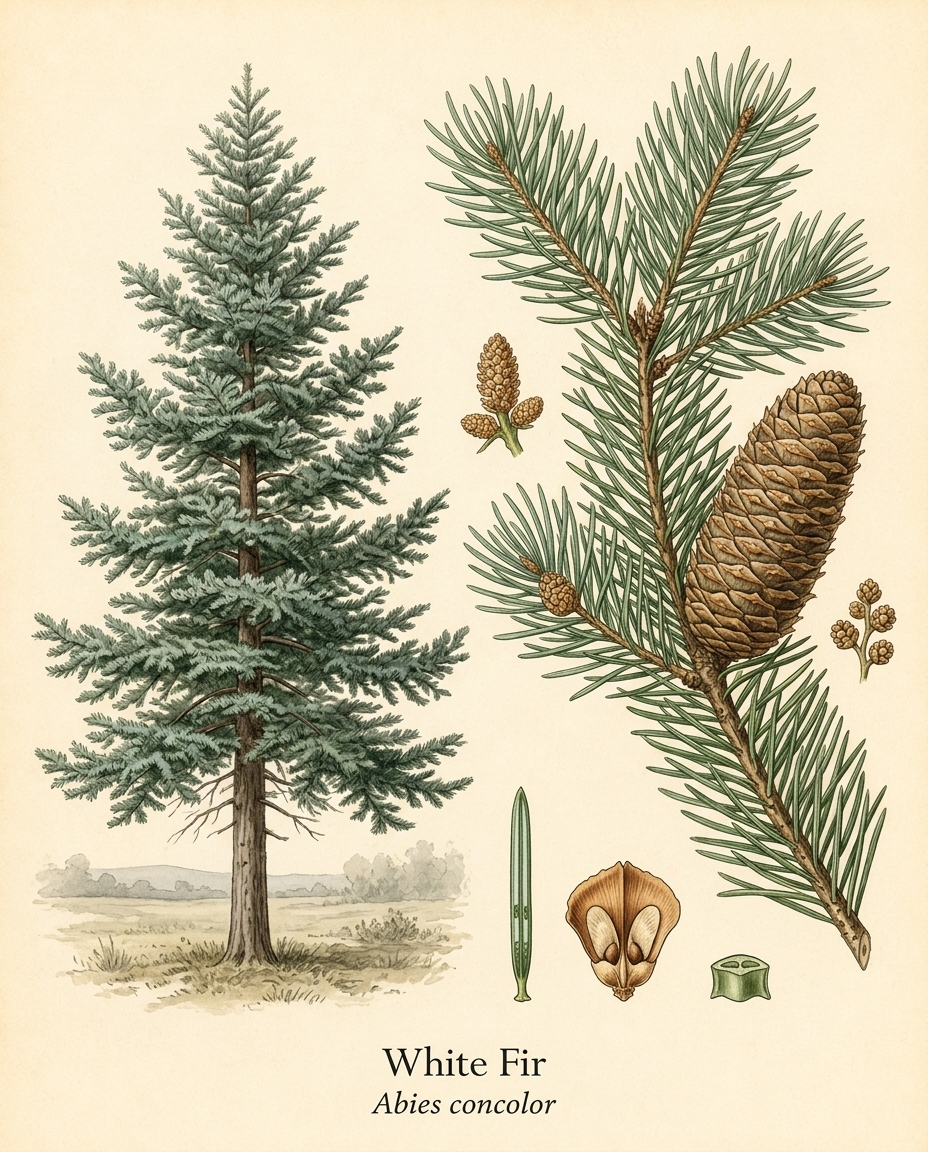
White Fir
Abies concolor
Compatible on water, sun, and zone. Whether the combination reads well is your call.
- Different structural layer than Wayfaring Tree
- Noticeable height difference for a layered look
- Evergreen — holds structure through winter
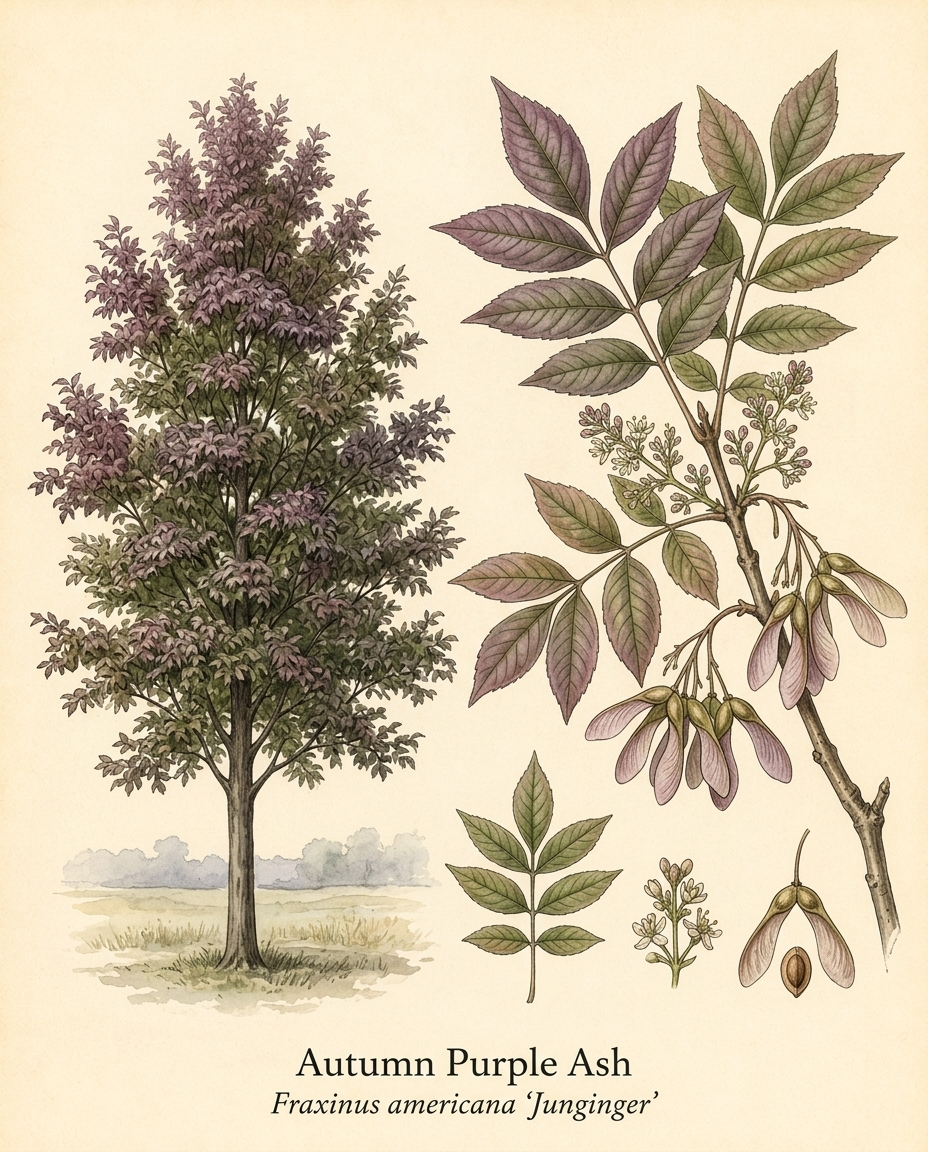
Autumn Purple Ash
Fraxinus americana 'Junginger'
Compatible on water, sun, and zone. Whether the combination reads well is your call.
- Different structural layer than Wayfaring Tree
- Noticeable height difference for a layered look
- Fire-resistant — good for defensible space
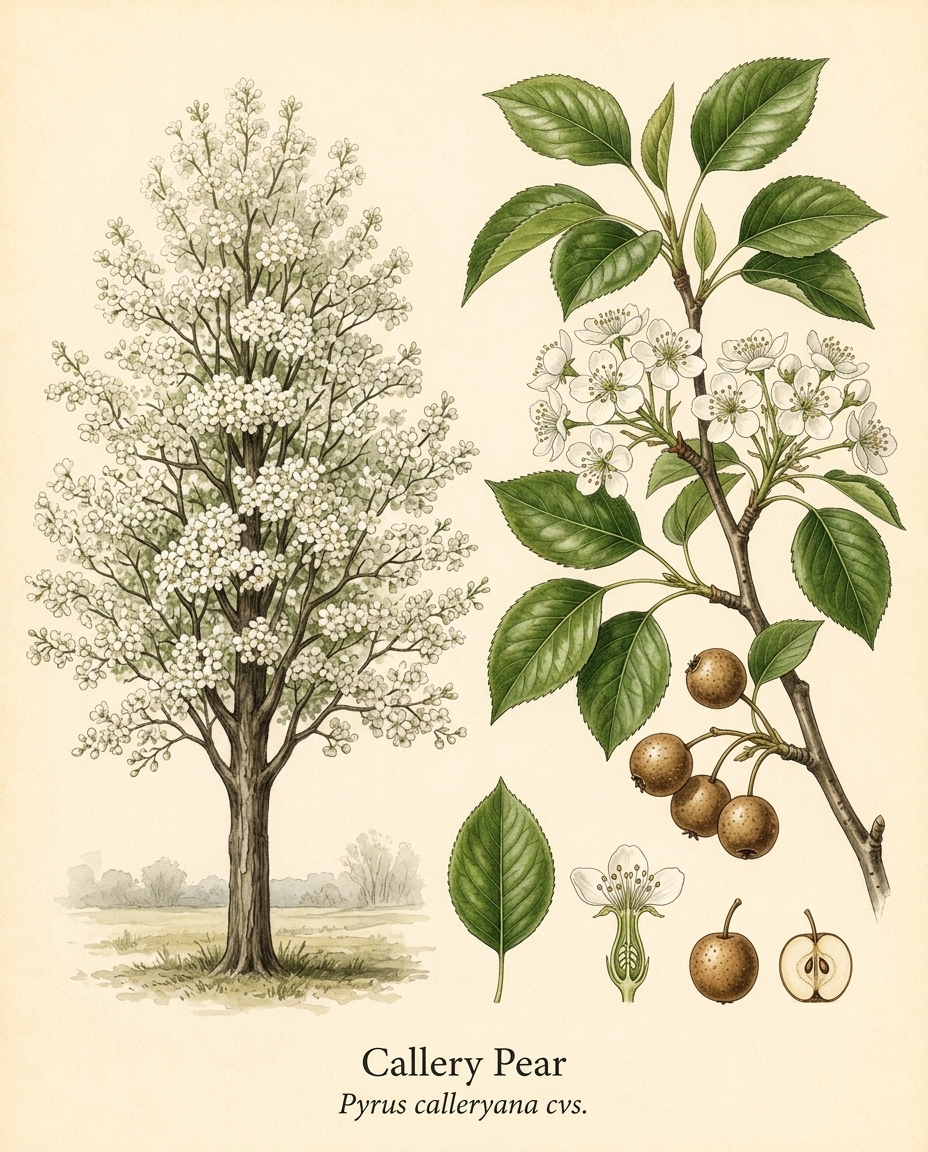
Callery Pear
Pyrus calleryana cvs.
Compatible on water, sun, and zone. Whether the combination reads well is your call.
- Different structural layer than Wayfaring Tree
- Noticeable height difference for a layered look
- Fire-resistant — good for defensible space
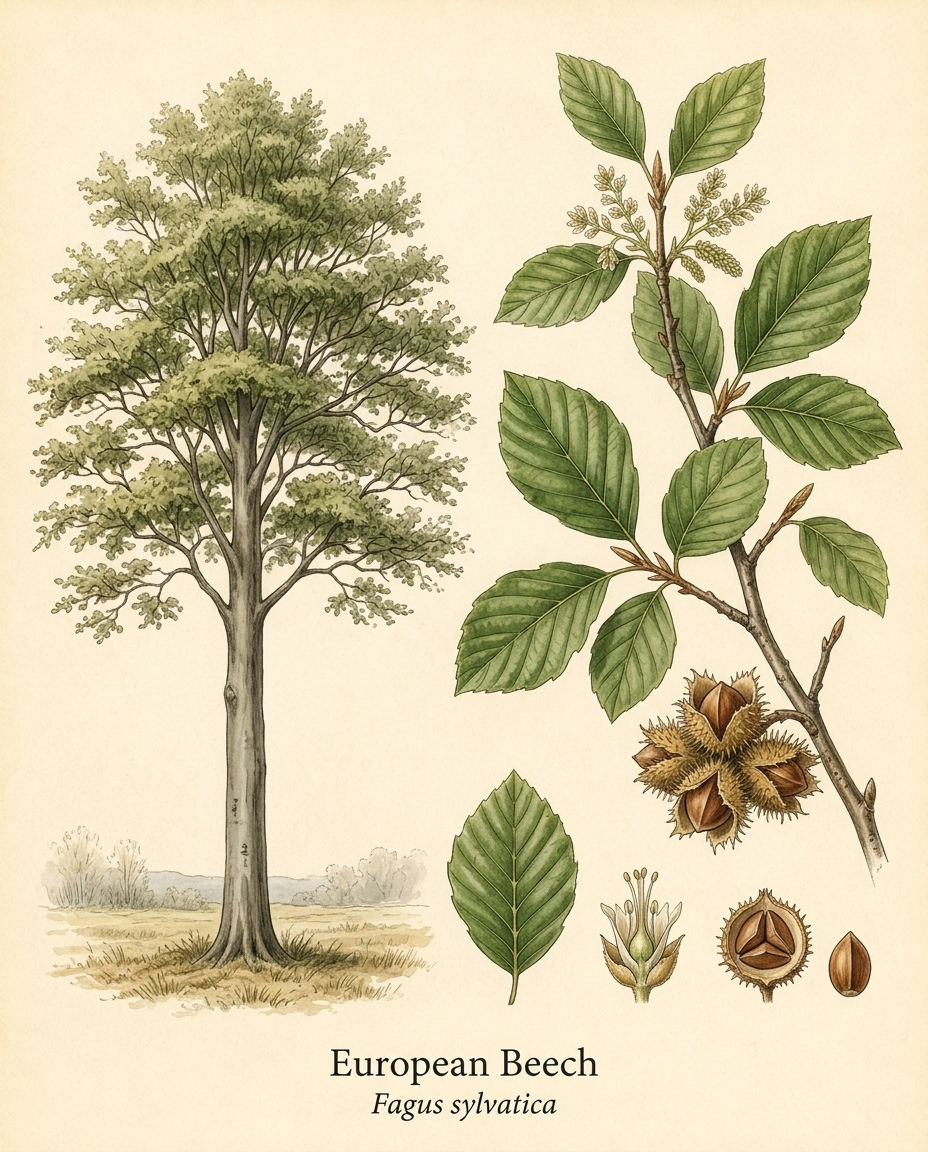
European Beech
Fagus sylvatica
Compatible on water, sun, and zone. Whether the combination reads well is your call.
- Different structural layer than Wayfaring Tree
- Noticeable height difference for a layered look
- Fire-resistant — good for defensible space
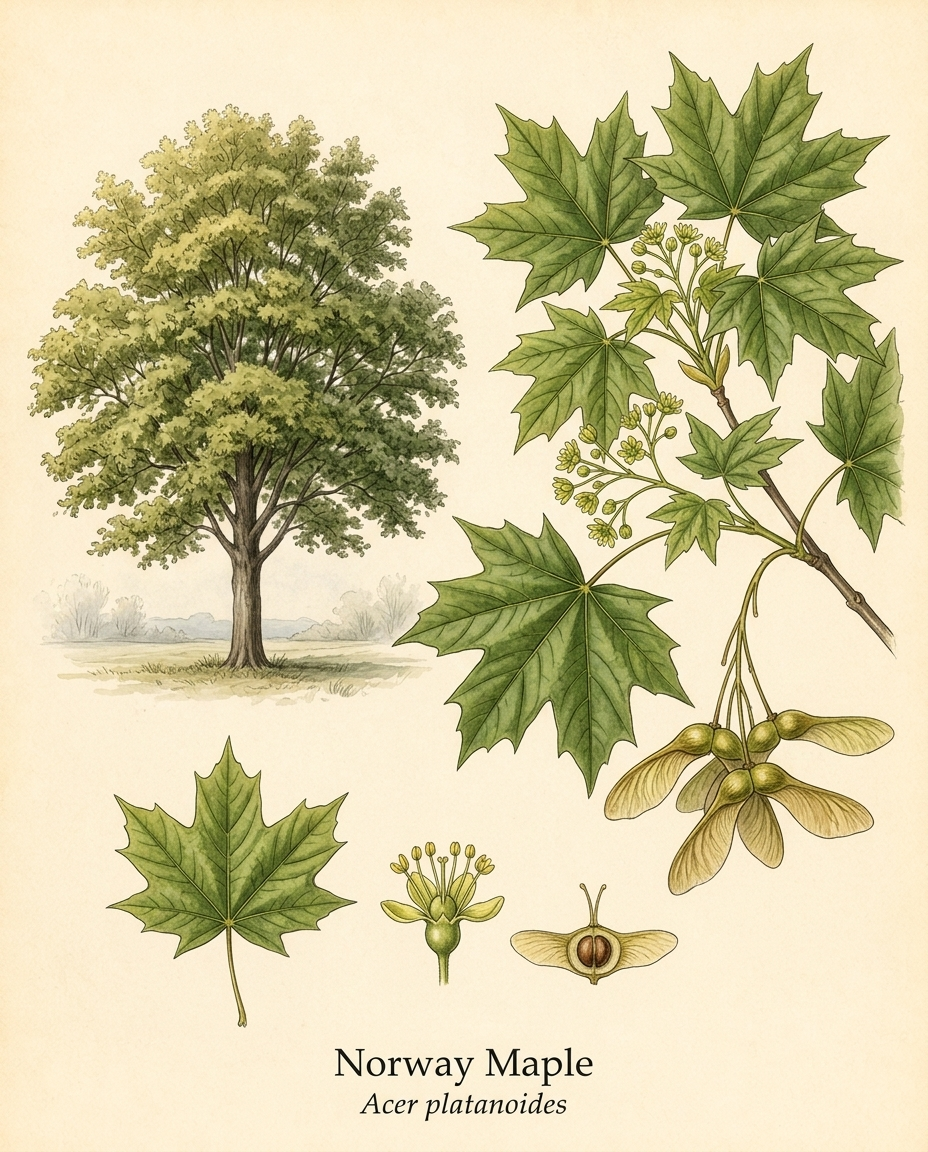
Norway Maple
Acer platanoides
Compatible on water, sun, and zone. Whether the combination reads well is your call.
- Different structural layer than Wayfaring Tree
- Noticeable height difference for a layered look
- Fire-resistant — good for defensible space
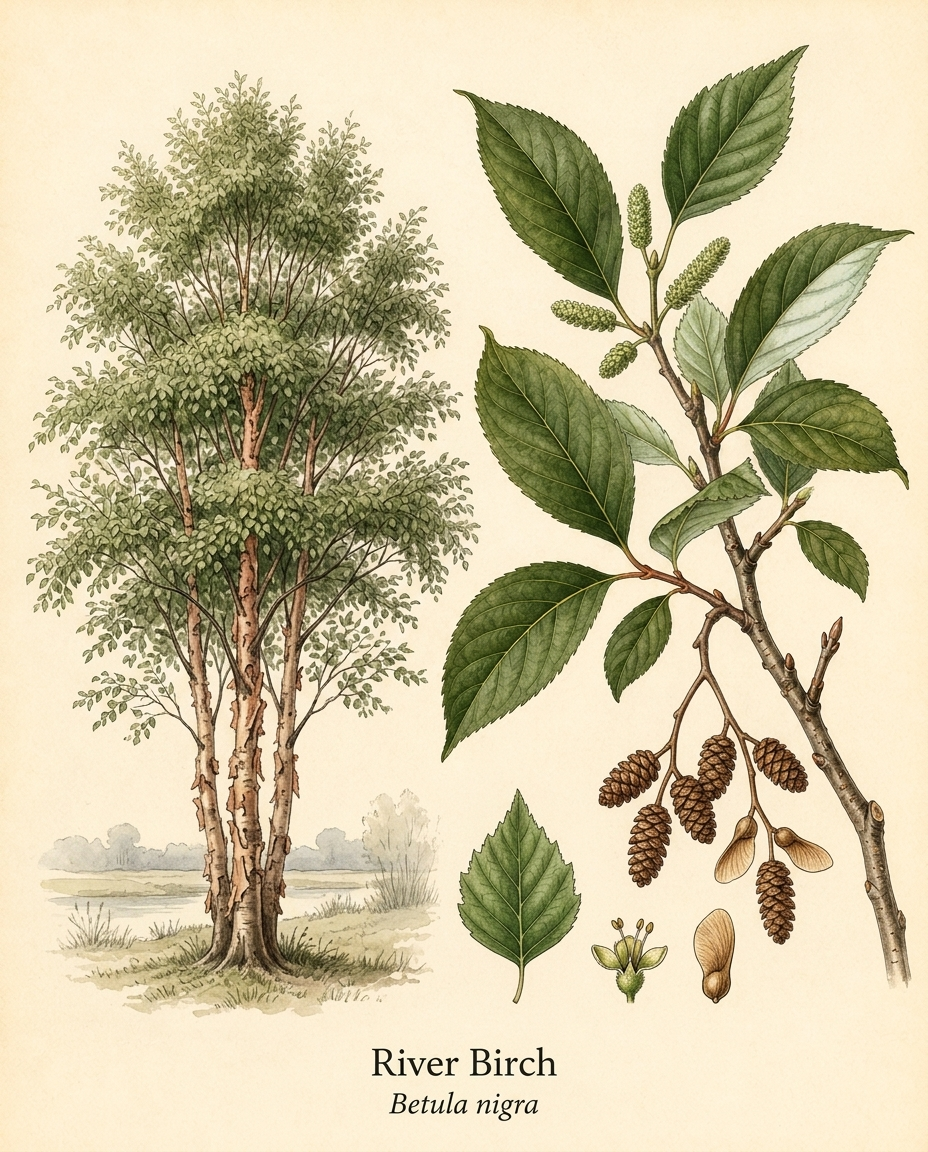
River Birch
Betula nigra
Compatible on water, sun, and zone. Whether the combination reads well is your call.
- Different structural layer than Wayfaring Tree
- Noticeable height difference for a layered look
- Fire-resistant — good for defensible space
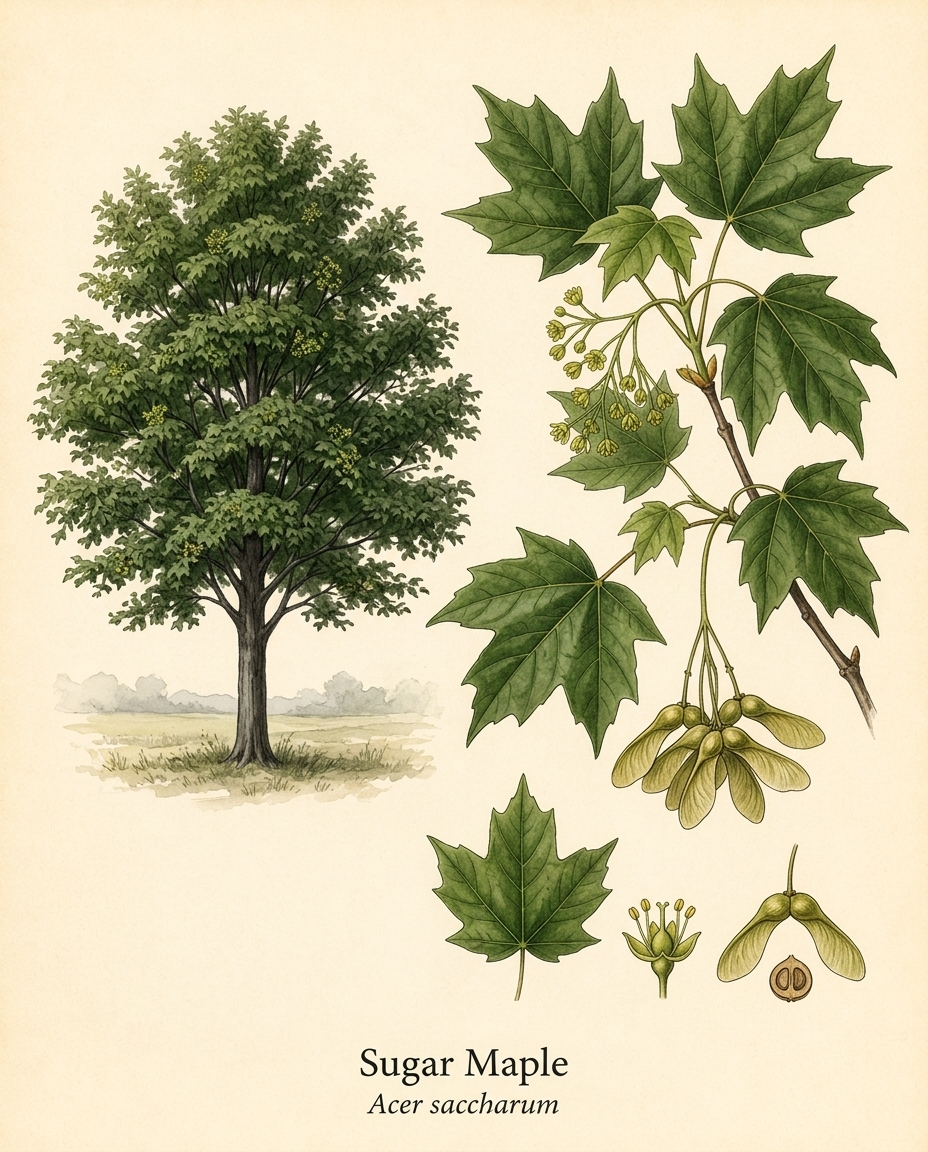
Sugar Maple
Acer saccharum
Compatible on water, sun, and zone. Whether the combination reads well is your call.
- Different structural layer than Wayfaring Tree
- Noticeable height difference for a layered look
- Fire-resistant — good for defensible space
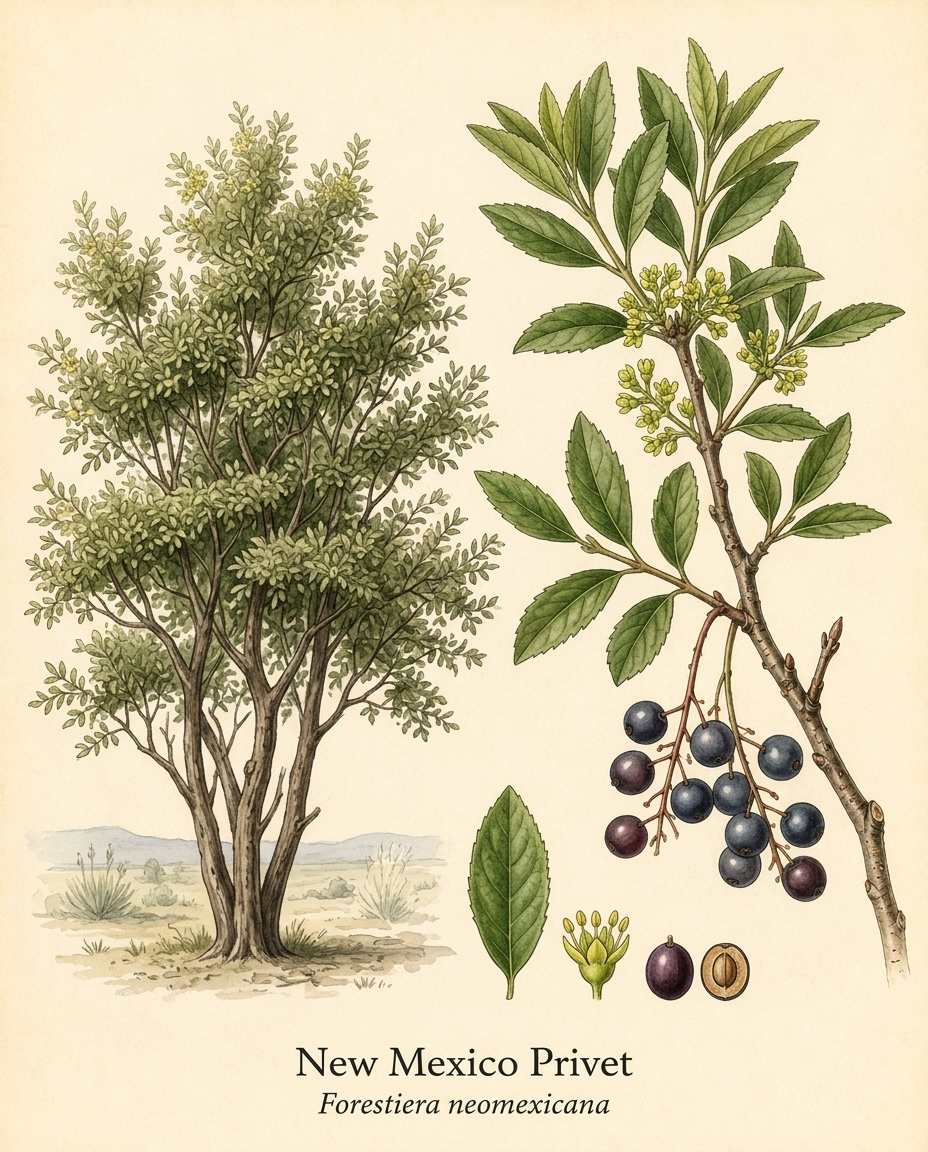
New Mexico Privet
NativeForestiera neomexicana
Compatible on water, sun, and zone. Whether the combination reads well is your call.
- Different structural layer than Wayfaring Tree
- Supports pollinators and wildlife
Shrub (8)
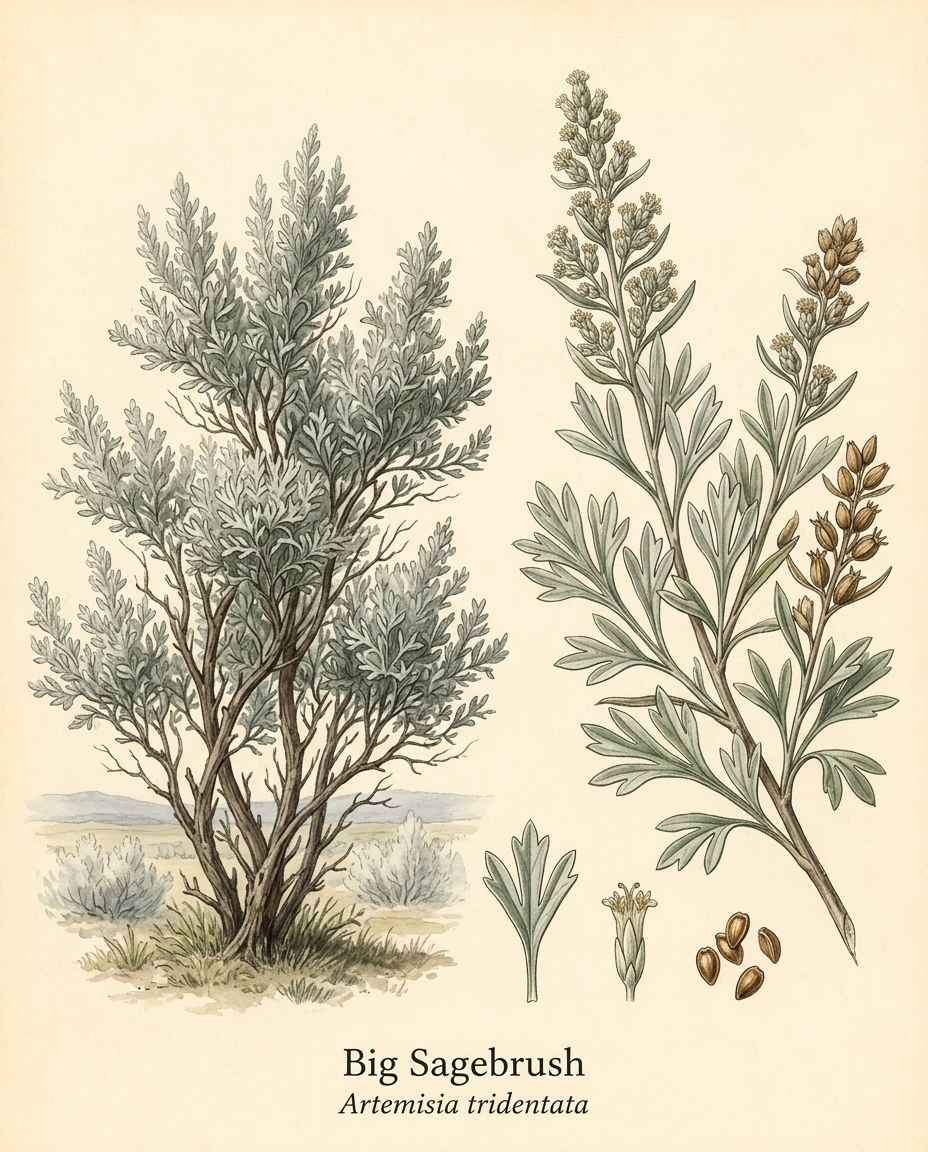
Big Sagebrush
NativeArtemisia tridentata
Compatible on water, sun, and zone. Whether the combination reads well is your call.
- Blooms in fall — extends color when Wayfaring Tree isn't flowering
- Silver foliage contrasts with Wayfaring Tree
- Evergreen — holds structure through winter
- Supports pollinators and wildlife
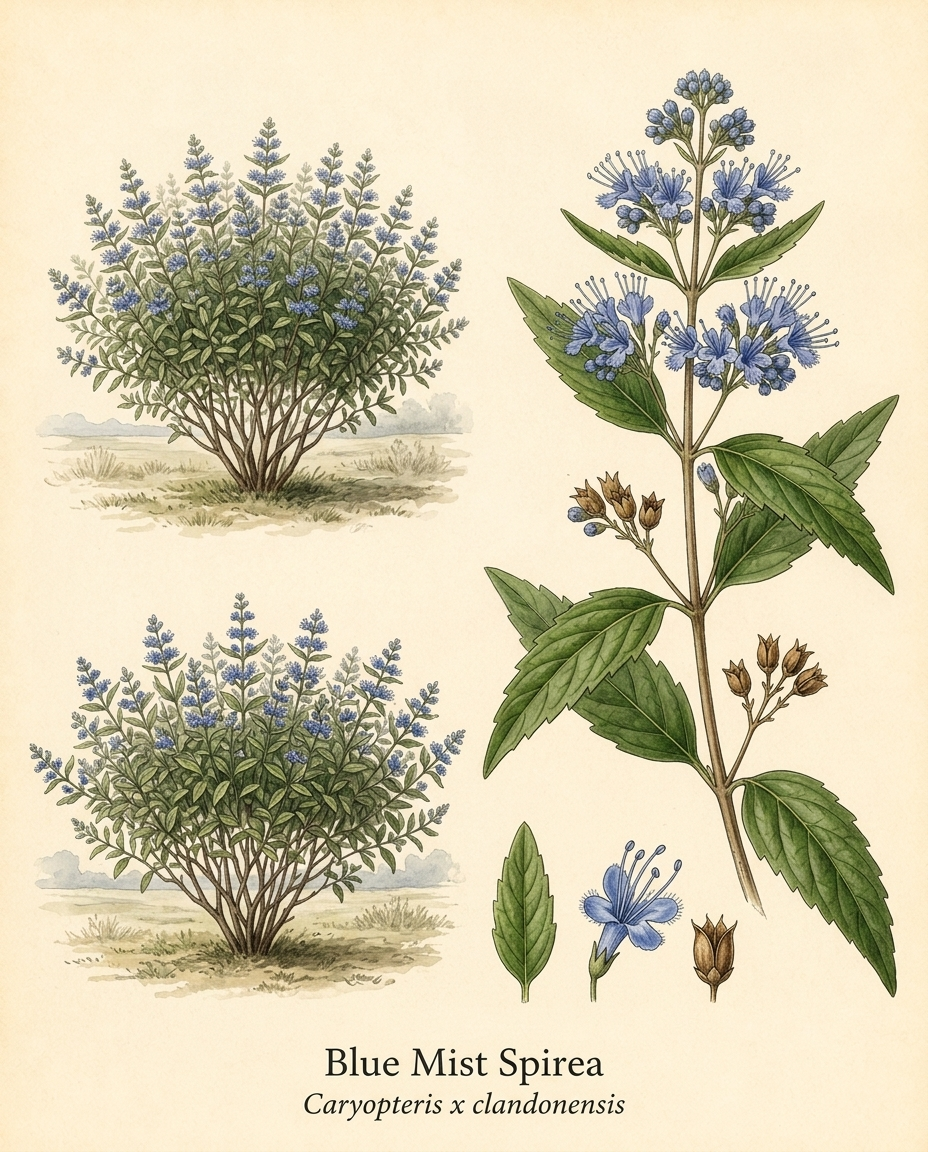
Blue Mist Spirea
Caryopteris x clandonensis
Compatible on water, sun, and zone. Whether the combination reads well is your call.
- Blooms in fall and summer — extends color when Wayfaring Tree isn't flowering
- Supports pollinators and wildlife
- Same water needs as Wayfaring Tree — one irrigation zone
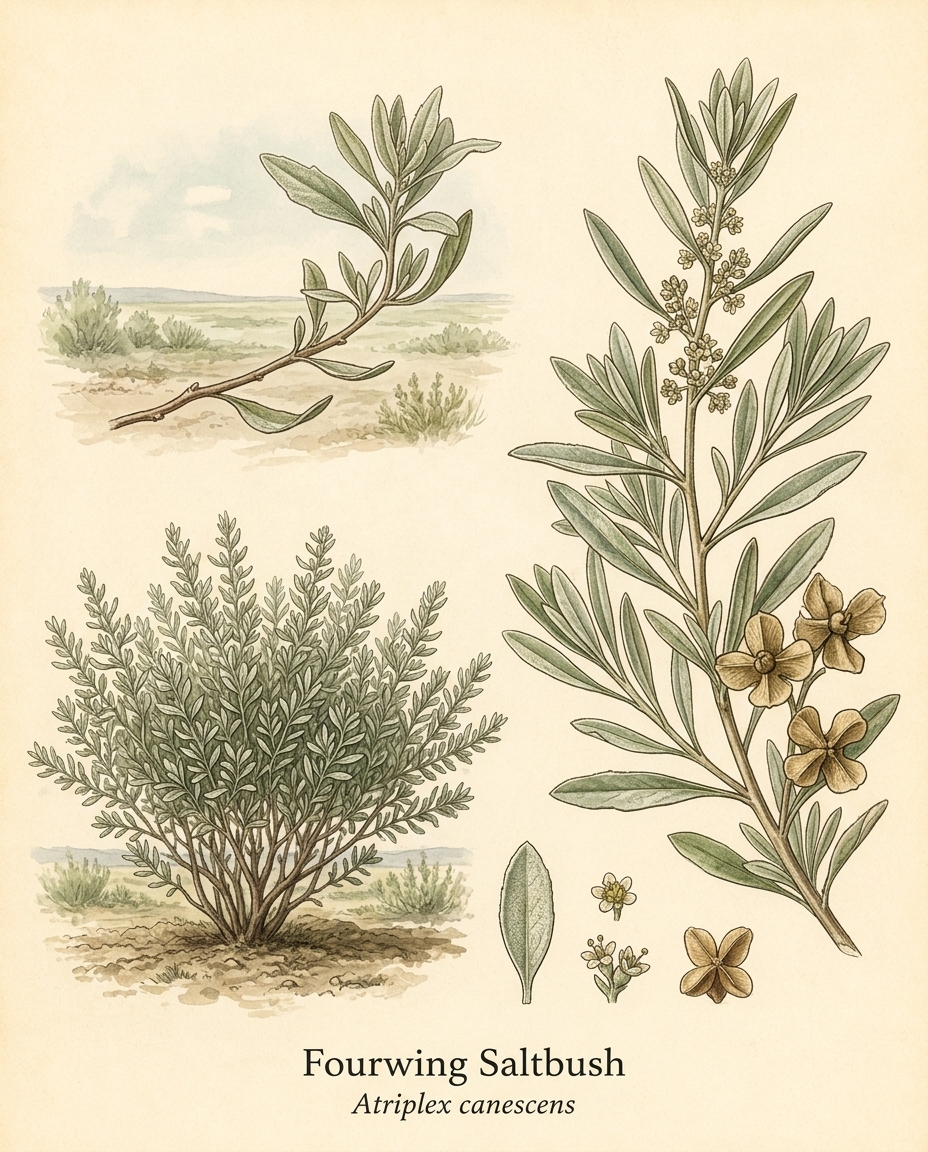
Fourwing Saltbush
NativeAtriplex canescens
Compatible on water, sun, and zone. Whether the combination reads well is your call.
- Blooms in summer — extends color when Wayfaring Tree isn't flowering
- Silver foliage contrasts with Wayfaring Tree
- Evergreen — holds structure through winter
- Supports pollinators and wildlife
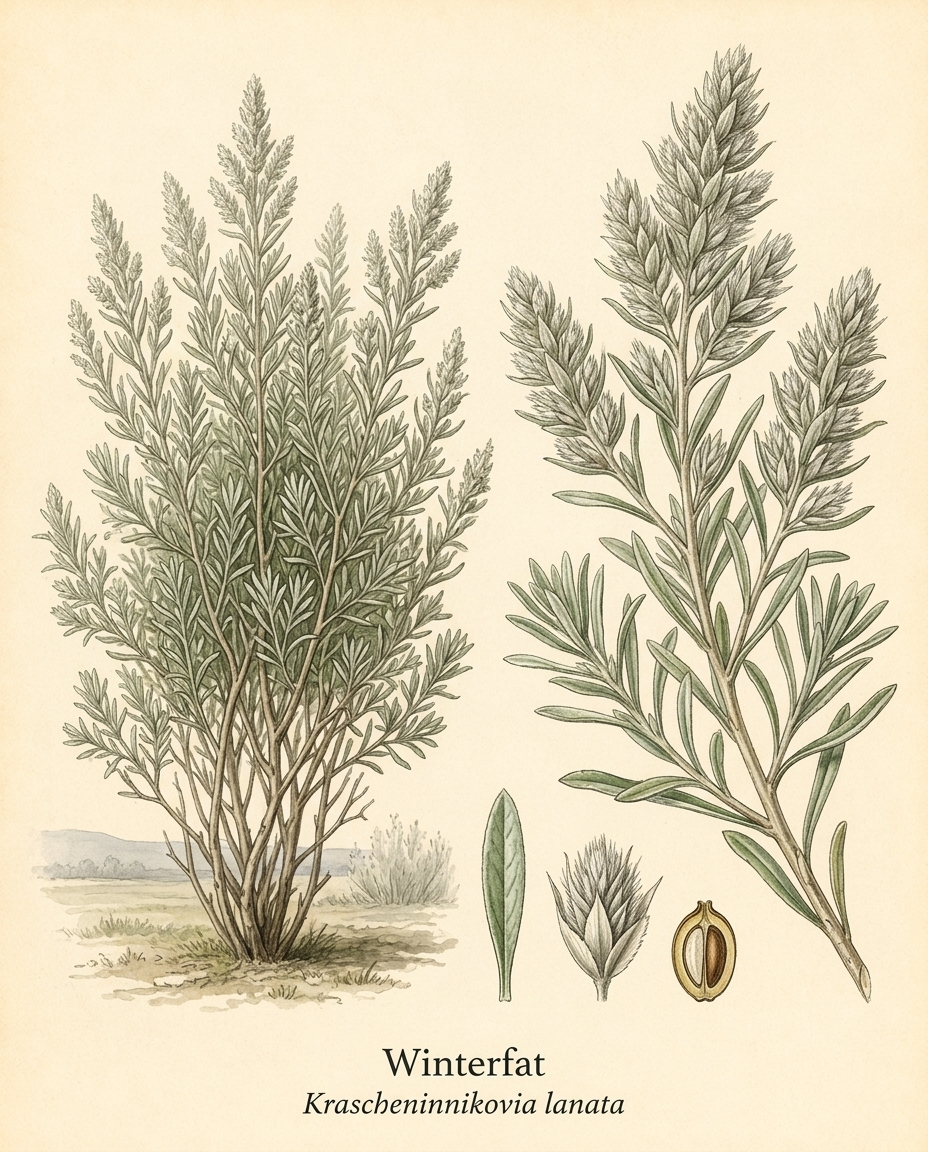
Winterfat
NativeKrascheninnikovia lanata
Compatible on water, sun, and zone. Whether the combination reads well is your call.
- Blooms in fall — extends color when Wayfaring Tree isn't flowering
- Silver foliage contrasts with Wayfaring Tree
- Evergreen — holds structure through winter
- Supports pollinators and wildlife
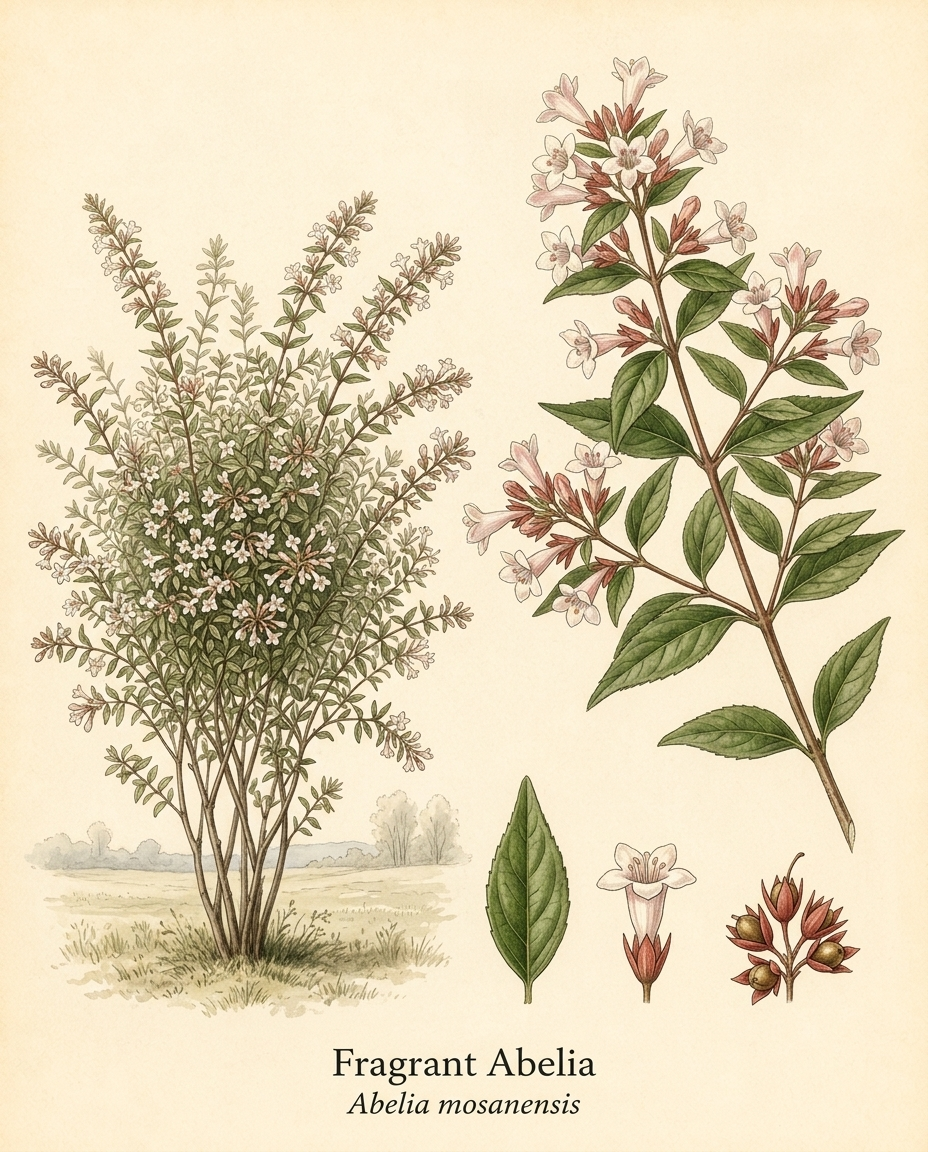
Fragrant Abelia
Abelia mosanensis
Compatible on water, sun, and zone. Whether the combination reads well is your call.
- Blooms in fall and summer — extends color when Wayfaring Tree isn't flowering
- Supports pollinators and wildlife
- Fire-resistant — good for defensible space
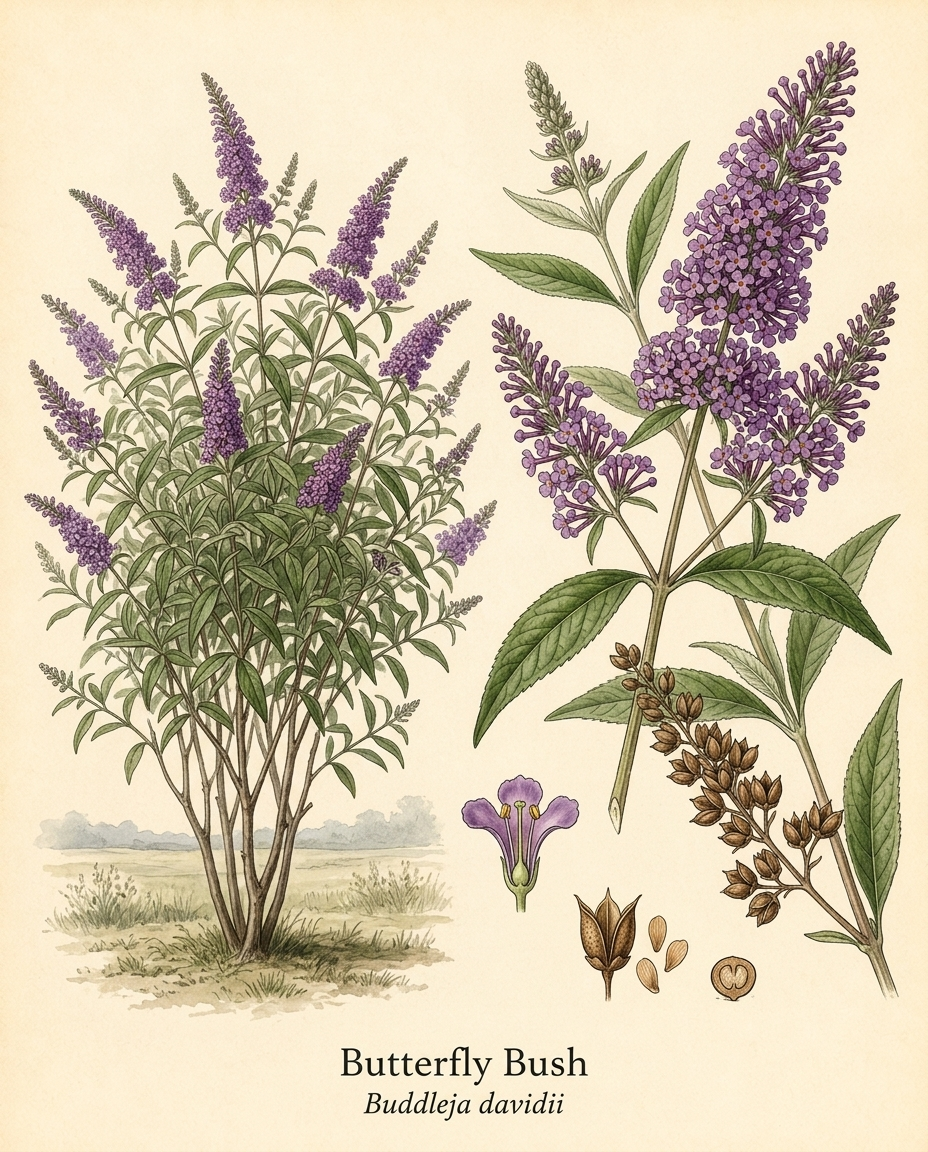
Butterfly Bush
Buddleja davidii
Compatible on water, sun, and zone. Whether the combination reads well is your call.
- Blooms in fall and summer — extends color when Wayfaring Tree isn't flowering
- Same water needs as Wayfaring Tree — one irrigation zone
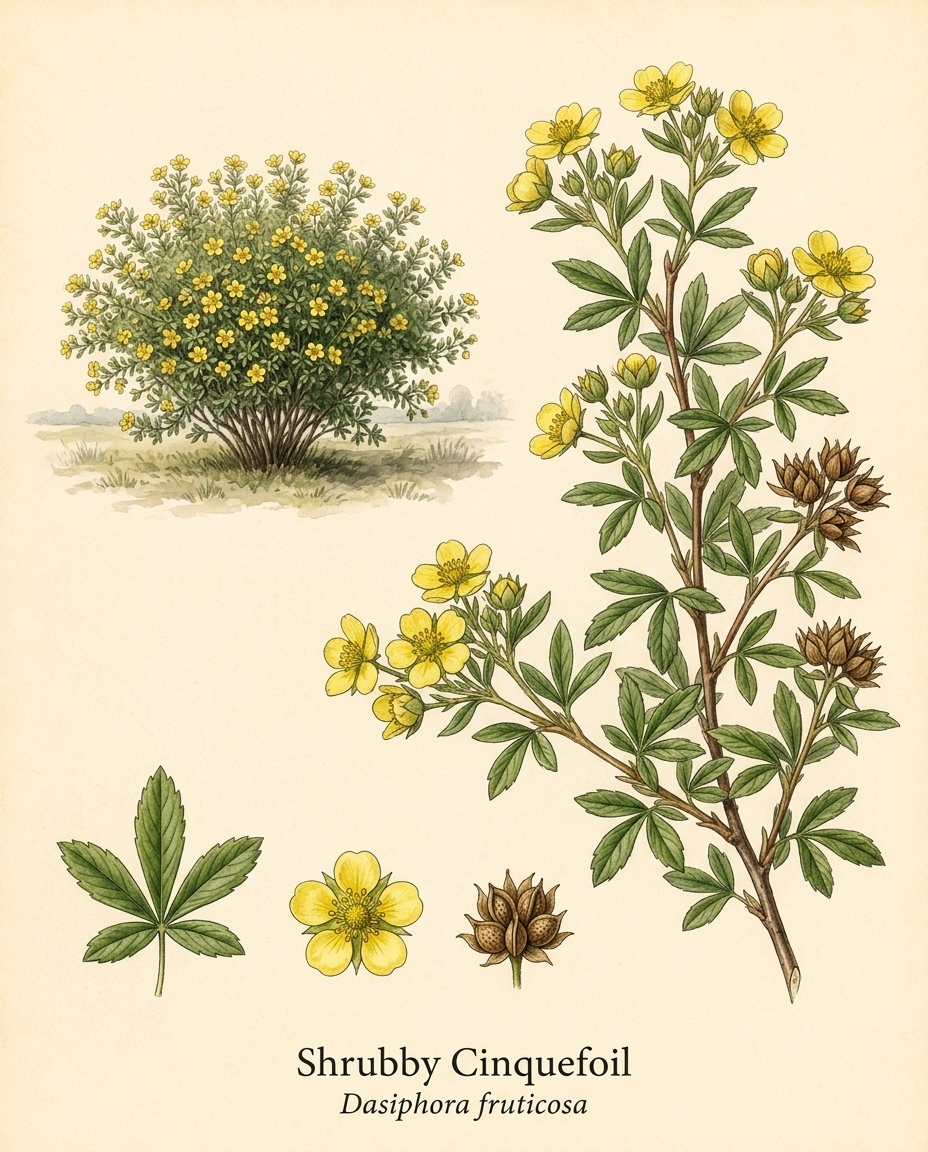
Shrubby Cinquefoil
NativeDasiphora fruticosa
Compatible on water, sun, and zone. Whether the combination reads well is your call.
- Blooms in fall and summer — extends color when Wayfaring Tree isn't flowering
- Same water needs as Wayfaring Tree — one irrigation zone
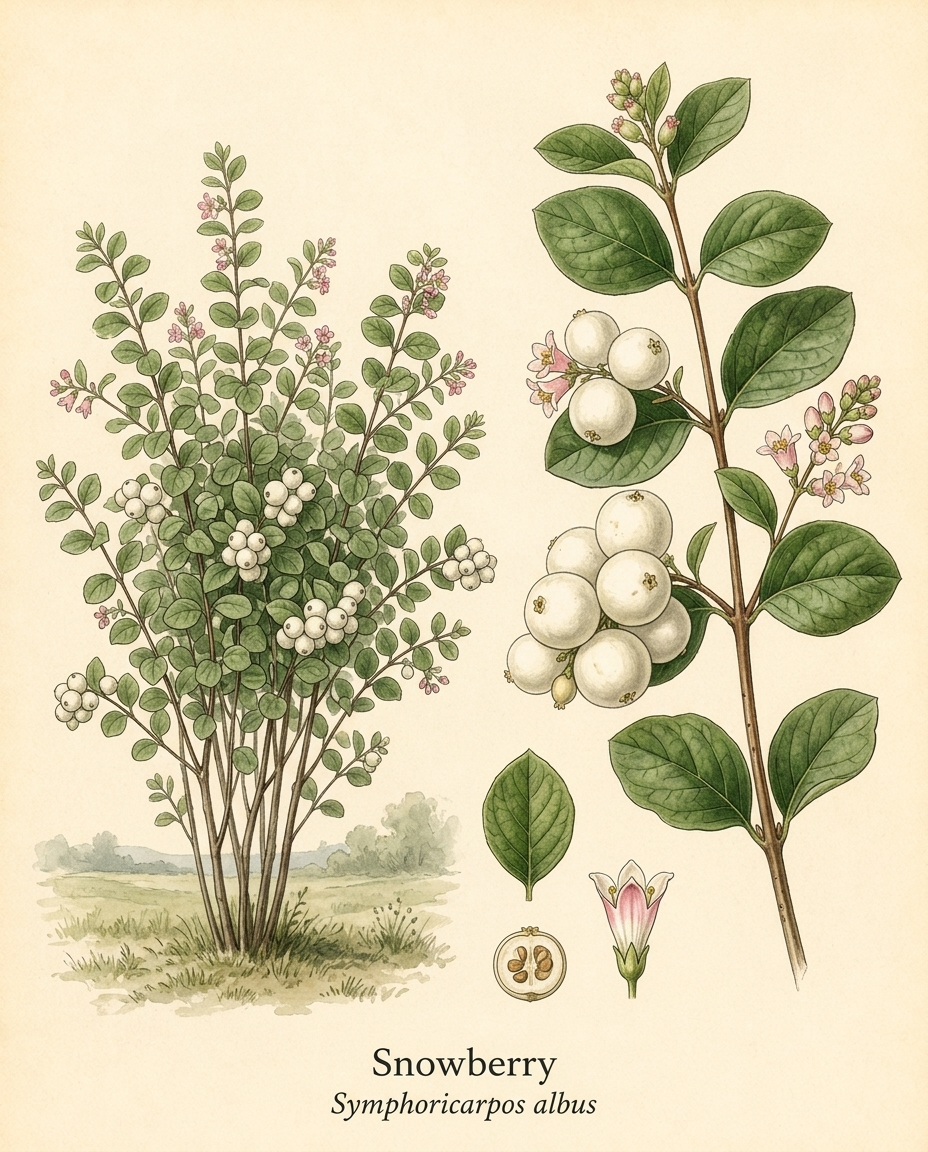
Snowberry
NativeSymphoricarpos albus
Compatible on water, sun, and zone. Whether the combination reads well is your call.
- Blooms in summer — extends color when Wayfaring Tree isn't flowering
- Supports pollinators and wildlife
- Fire-resistant — good for defensible space
- Same water needs as Wayfaring Tree — one irrigation zone