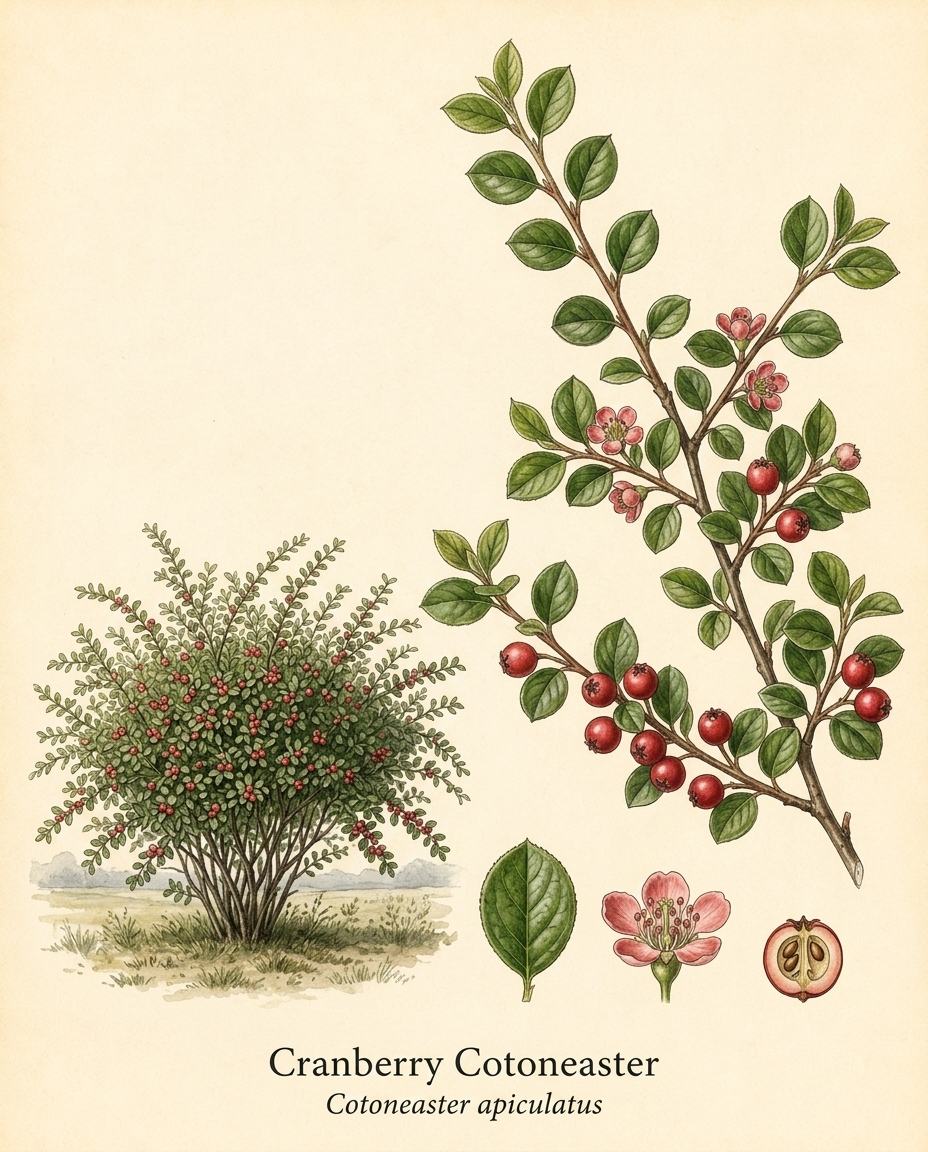
Cotoneaster apiculatus
Cranberry Cotoneaster
- Mature size
- 3 ft tall
3–6 ft wide - Sun
- Full Sun–Part Shade
- Water use
- Moderate
- USDA zones
- 4–7
- Bloom
- Pink
Spring
Notable features
Best companions for Cranberry Cotoneaster
Six water-wise companions matched on water use, sun, USDA zone, and how they layer visually beside Cranberry Cotoneaster.
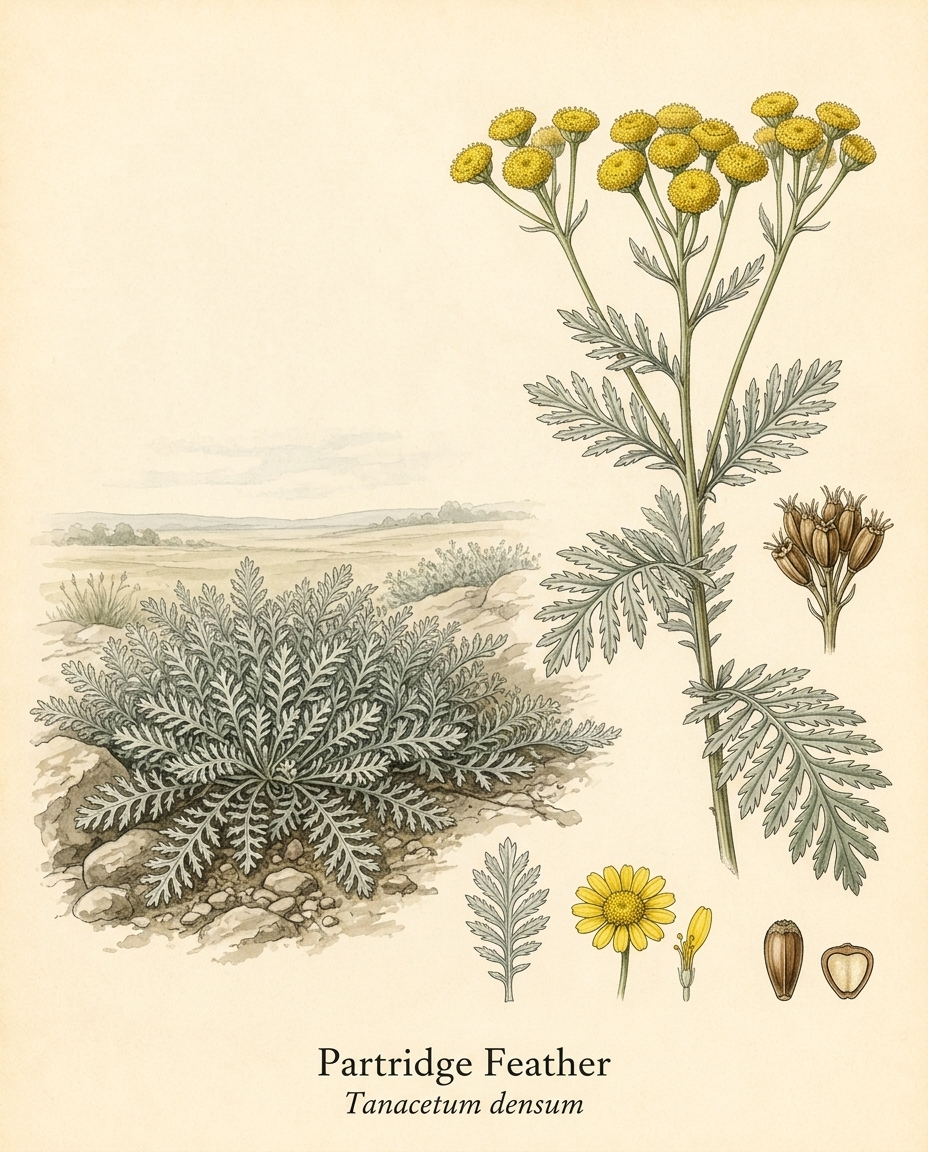
Partridge Feather
Tanacetum densum
Works well together.
- Different structural layer than Cranberry Cotoneaster
- Noticeable height difference for a layered look
- Blooms in summer — extends color when Cranberry Cotoneaster isn't flowering
- Silver foliage contrasts with Cranberry Cotoneaster
- Evergreen — holds structure through winter
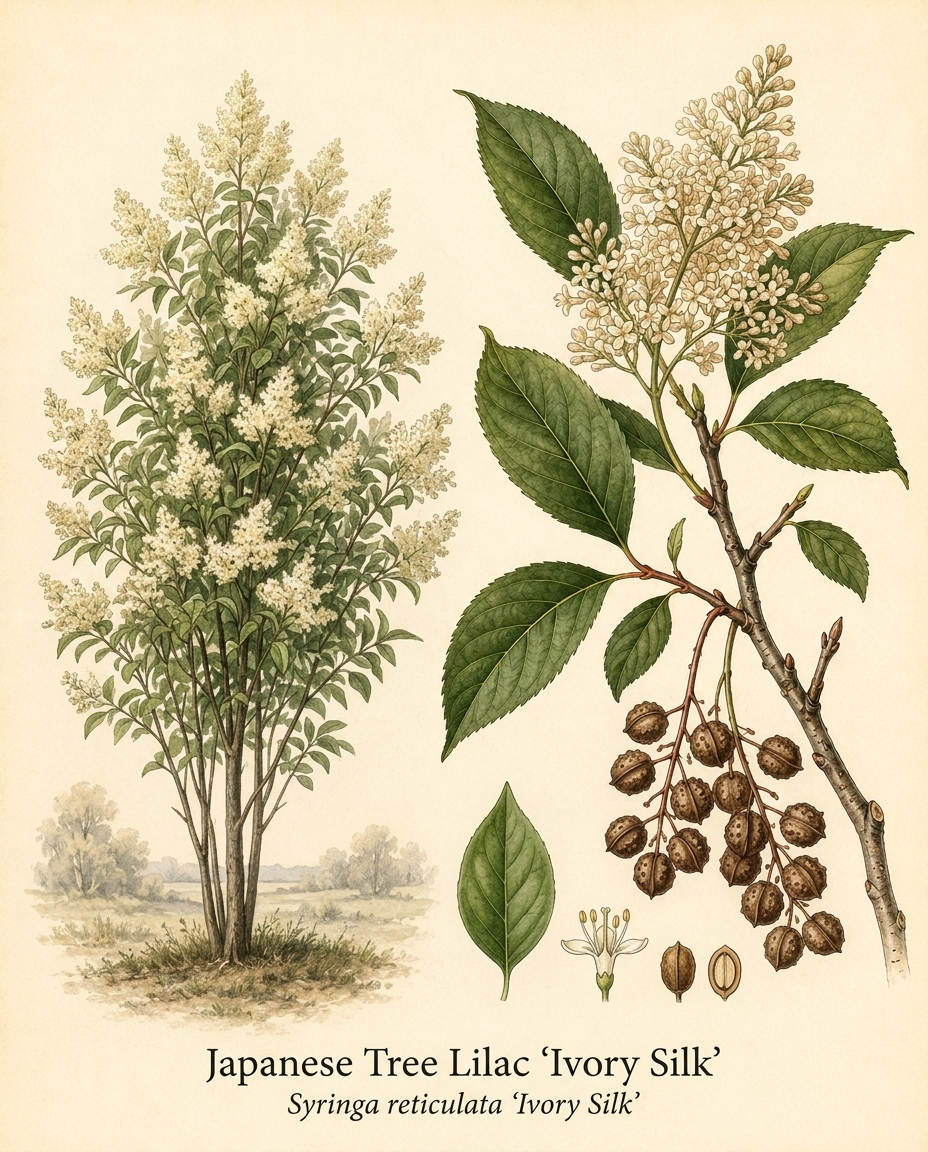
Japanese Tree Lilac 'Ivory Silk'
Syringa reticulata 'Ivory Silk'
Works well together.
- Different structural layer than Cranberry Cotoneaster
- Noticeable height difference for a layered look
- Blooms in summer — extends color when Cranberry Cotoneaster isn't flowering
- Supports pollinators and wildlife
- Fire-resistant — good for defensible space
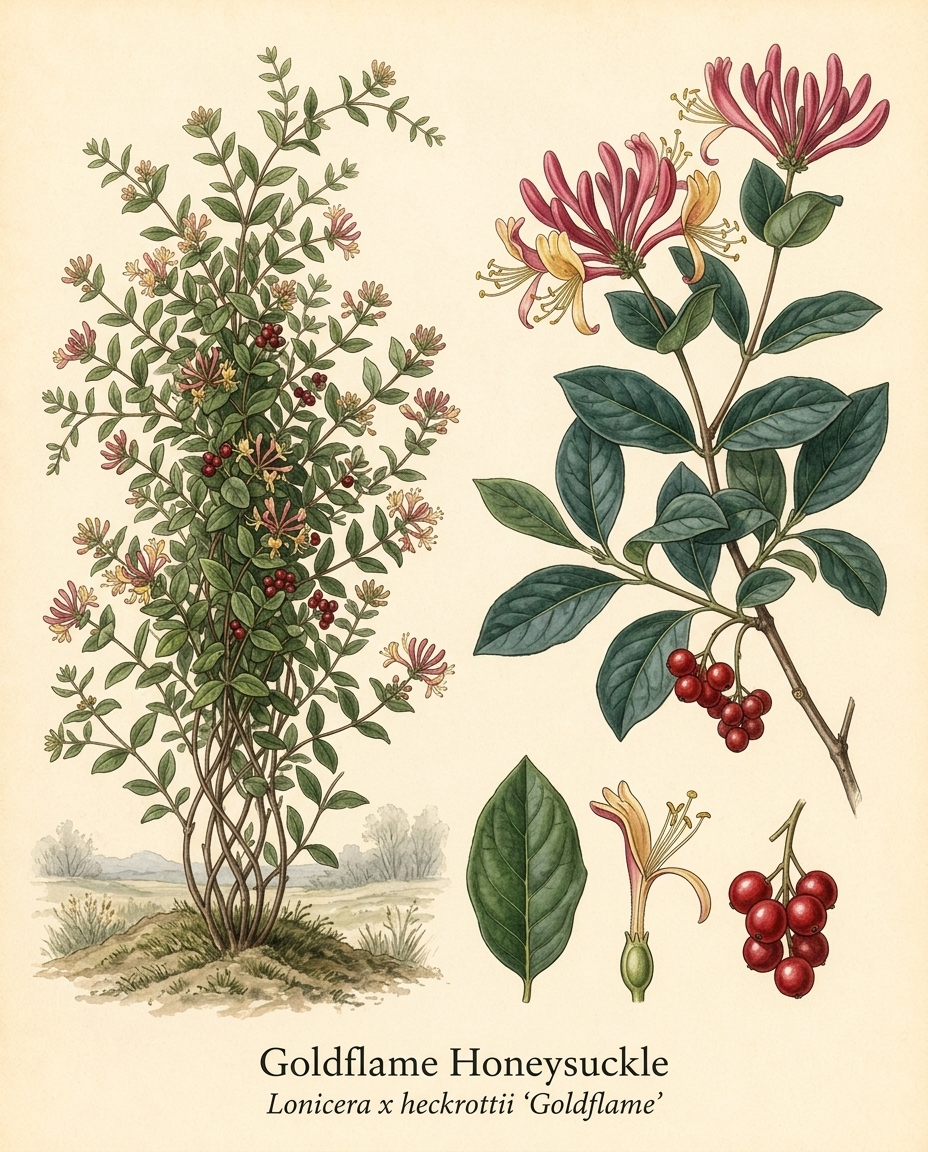
Goldflame Honeysuckle
Lonicera x heckrottii ‘Goldflame’
Works well together.
- Different structural layer than Cranberry Cotoneaster
- Noticeable height difference for a layered look
- Blooms in summer — extends color when Cranberry Cotoneaster isn't flowering
- Supports pollinators and wildlife
- Fire-resistant — good for defensible space
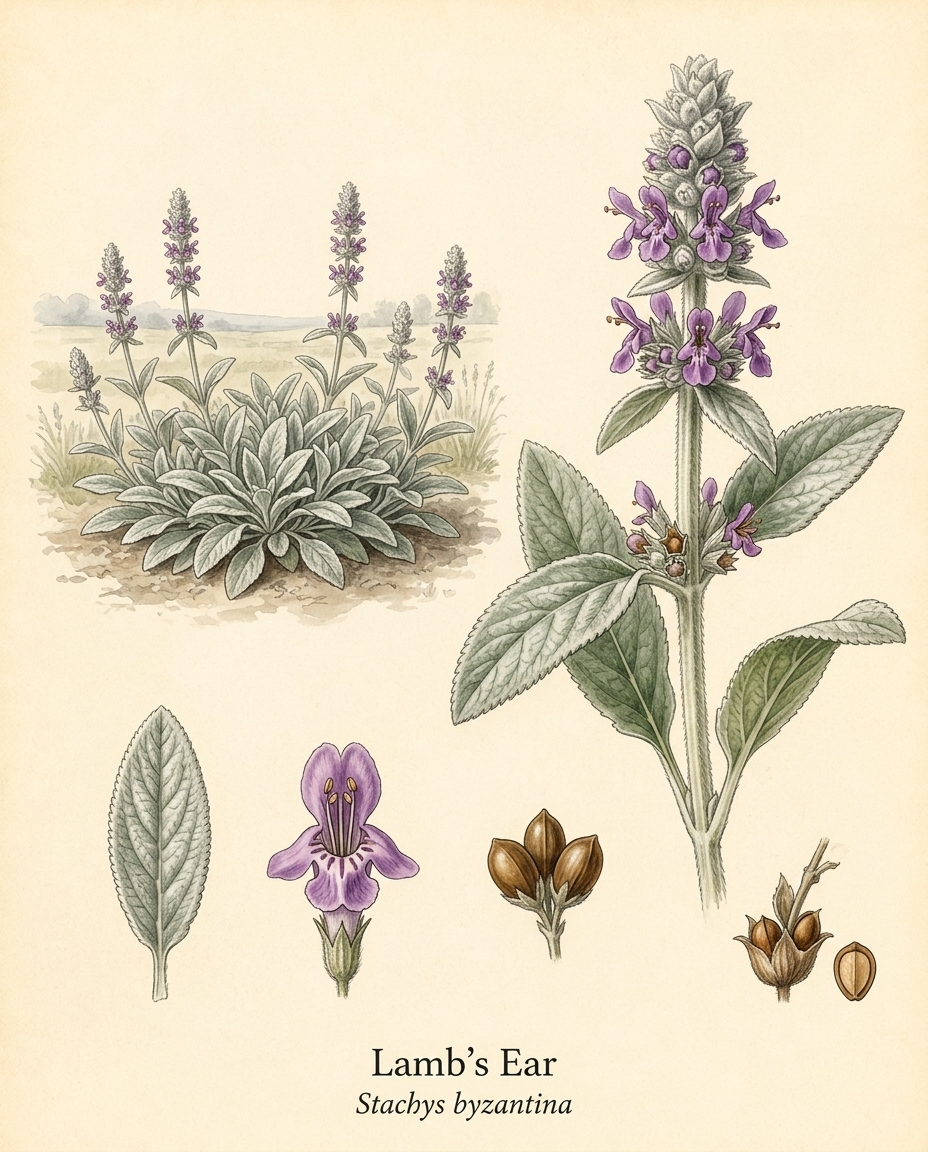
Lamb's Ear
Stachys byzantina
Works well together.
- Different structural layer than Cranberry Cotoneaster
- Noticeable height difference for a layered look
- Blooms in summer — extends color when Cranberry Cotoneaster isn't flowering
- Silver foliage contrasts with Cranberry Cotoneaster
- Evergreen — holds structure through winter
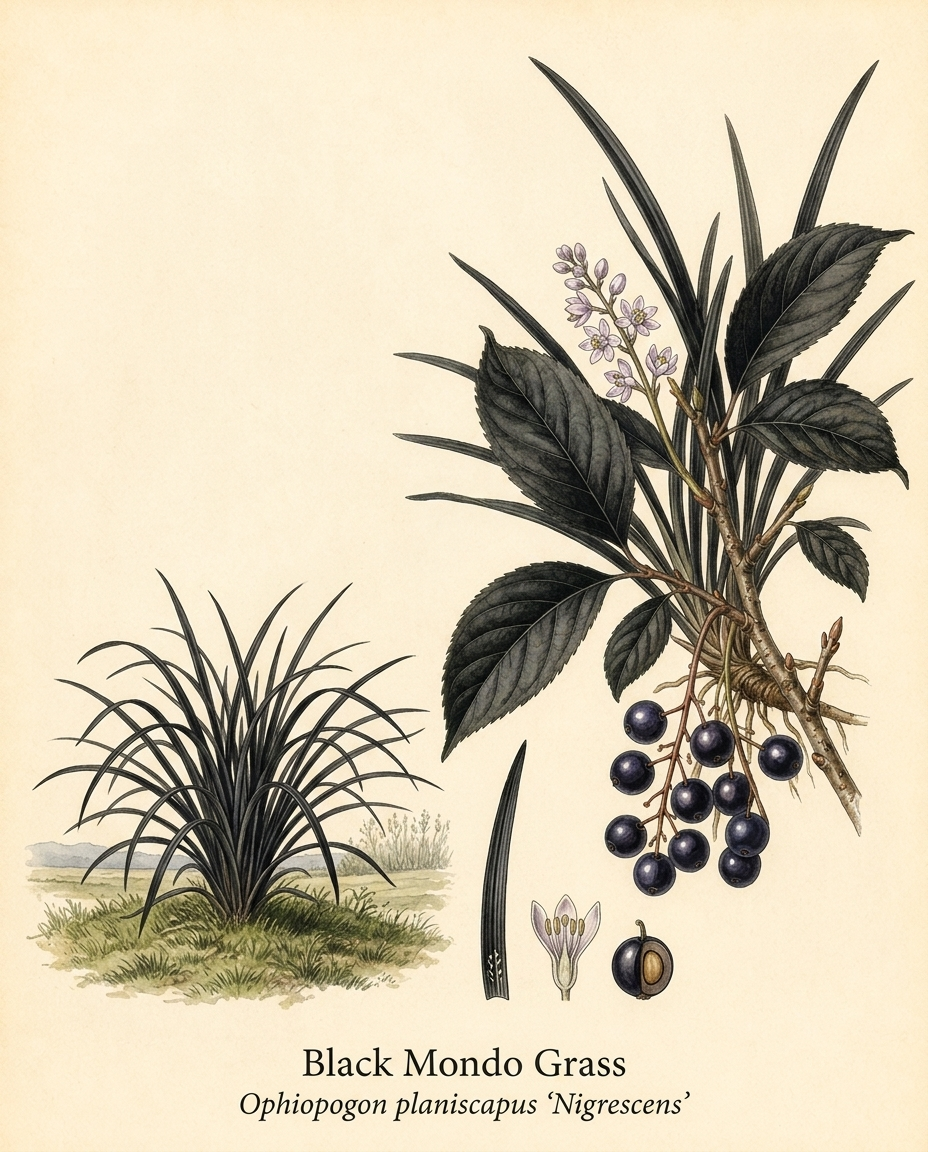
Black Mondo Grass
Ophiopogon planiscapus ‘Nigrescens’
Works well together.
- Different structural layer than Cranberry Cotoneaster
- Noticeable height difference for a layered look
- Blooms in summer — extends color when Cranberry Cotoneaster isn't flowering
- Fine grass texture contrasts with Cranberry Cotoneaster's form
- Same water needs as Cranberry Cotoneaster — one irrigation zone
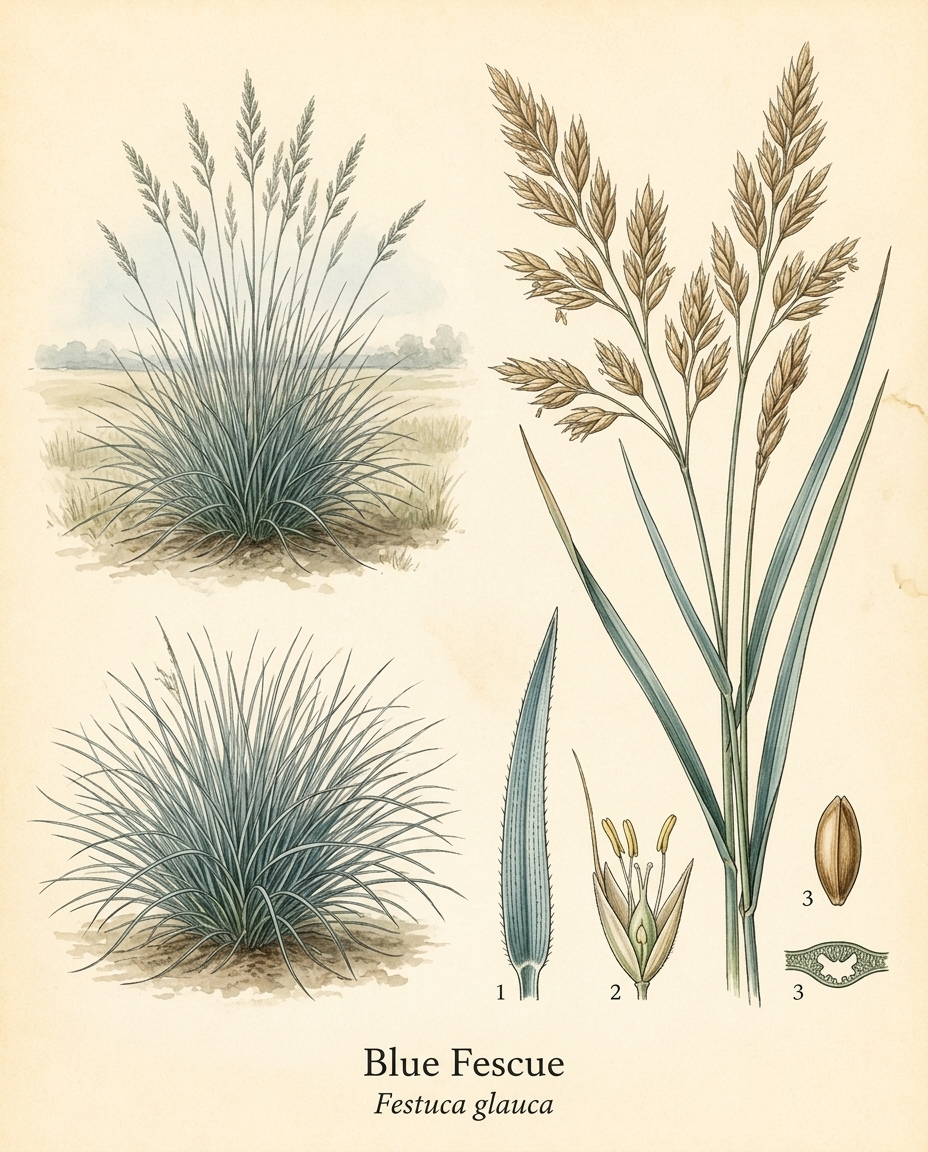
Blue Fescue
Festuca glauca
Works well together.
- Different structural layer than Cranberry Cotoneaster
- Noticeable height difference for a layered look
- Blooms in summer — extends color when Cranberry Cotoneaster isn't flowering
- Evergreen — holds structure through winter
- Fine grass texture contrasts with Cranberry Cotoneaster's form
More that work
82 more compatible plants that pair well with Cranberry Cotoneaster, grouped by category. Pin any of them to your palette.
Perennial (22)
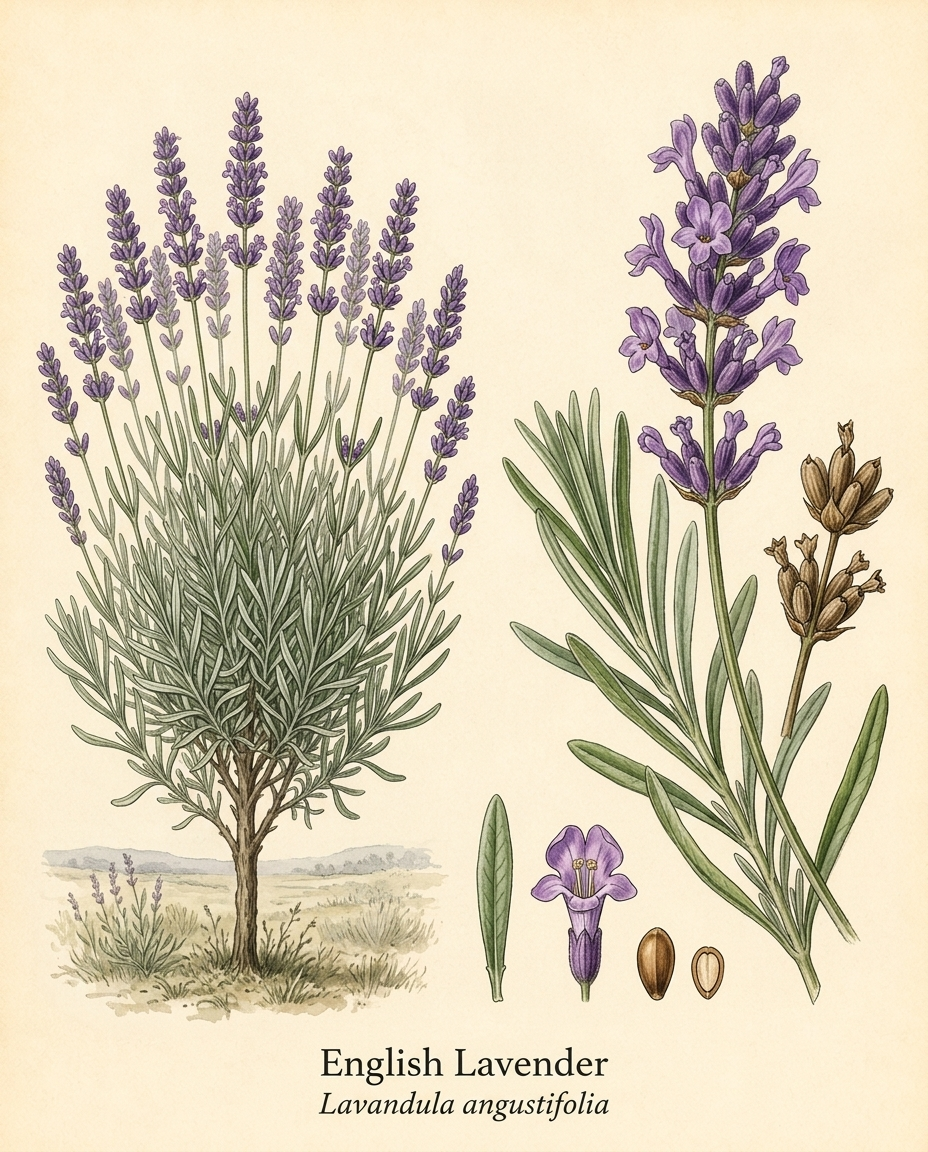
English Lavender
Lavandula angustifolia
A reliable, well-suited combination.
- Different structural layer than Cranberry Cotoneaster
- Blooms in summer — extends color when Cranberry Cotoneaster isn't flowering
- Silver foliage contrasts with Cranberry Cotoneaster
- Evergreen — holds structure through winter
- Supports pollinators and wildlife
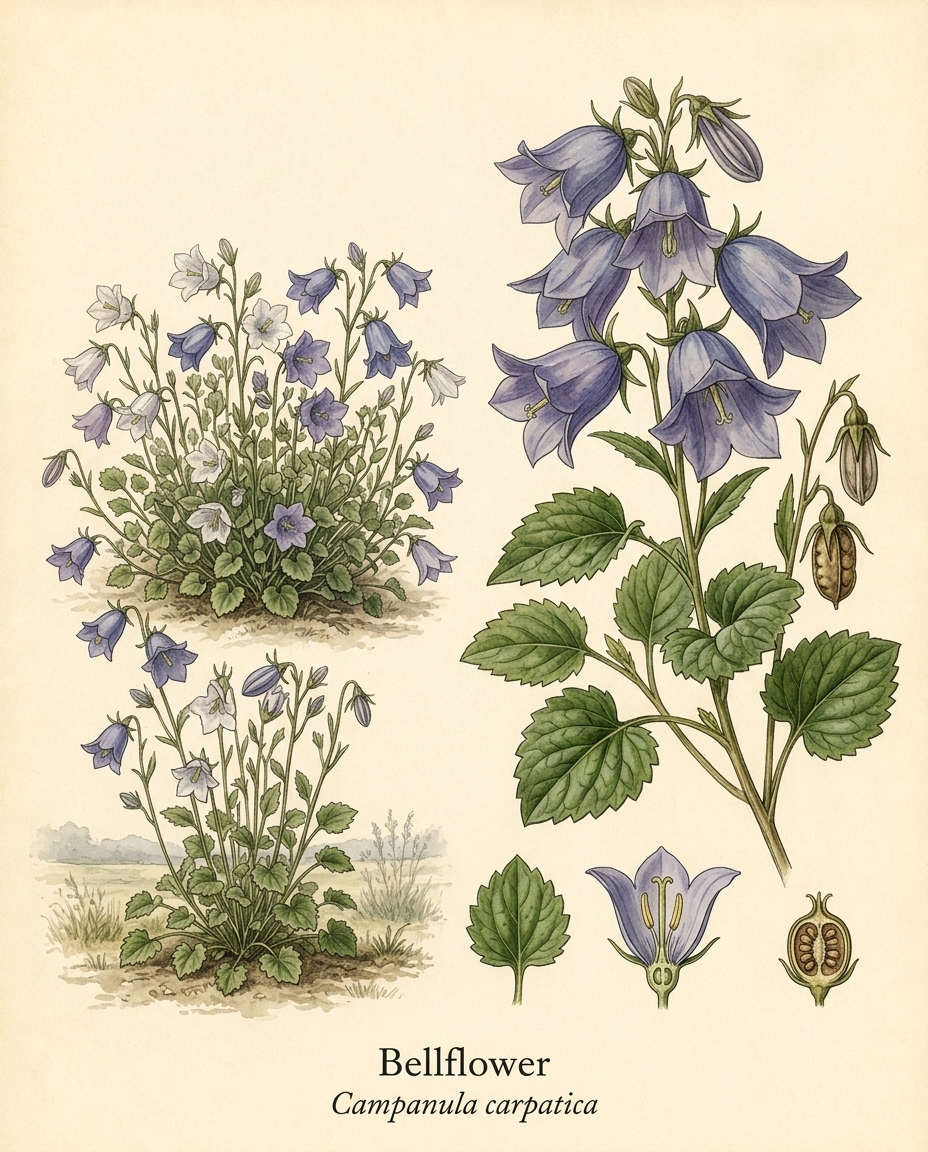
Bellflower
Campanula carpatica
Works well together.
- Different structural layer than Cranberry Cotoneaster
- Noticeable height difference for a layered look
- Blooms in summer — extends color when Cranberry Cotoneaster isn't flowering
- Fire-resistant — good for defensible space
- Same water needs as Cranberry Cotoneaster — one irrigation zone
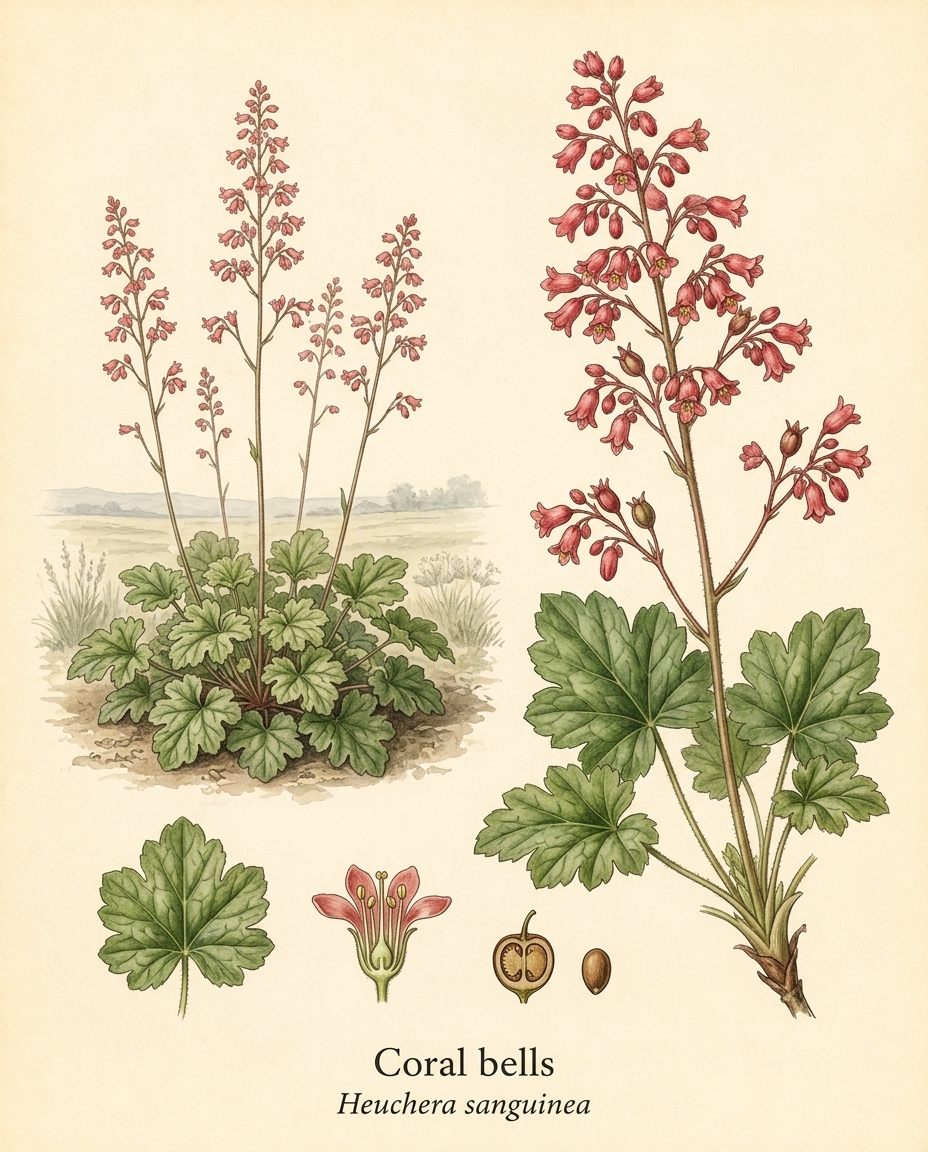
Coral bells
Heuchera sanguinea
Works well together.
- Different structural layer than Cranberry Cotoneaster
- Blooms in summer — extends color when Cranberry Cotoneaster isn't flowering
- Supports pollinators and wildlife
- Fire-resistant — good for defensible space
- Same water needs as Cranberry Cotoneaster — one irrigation zone
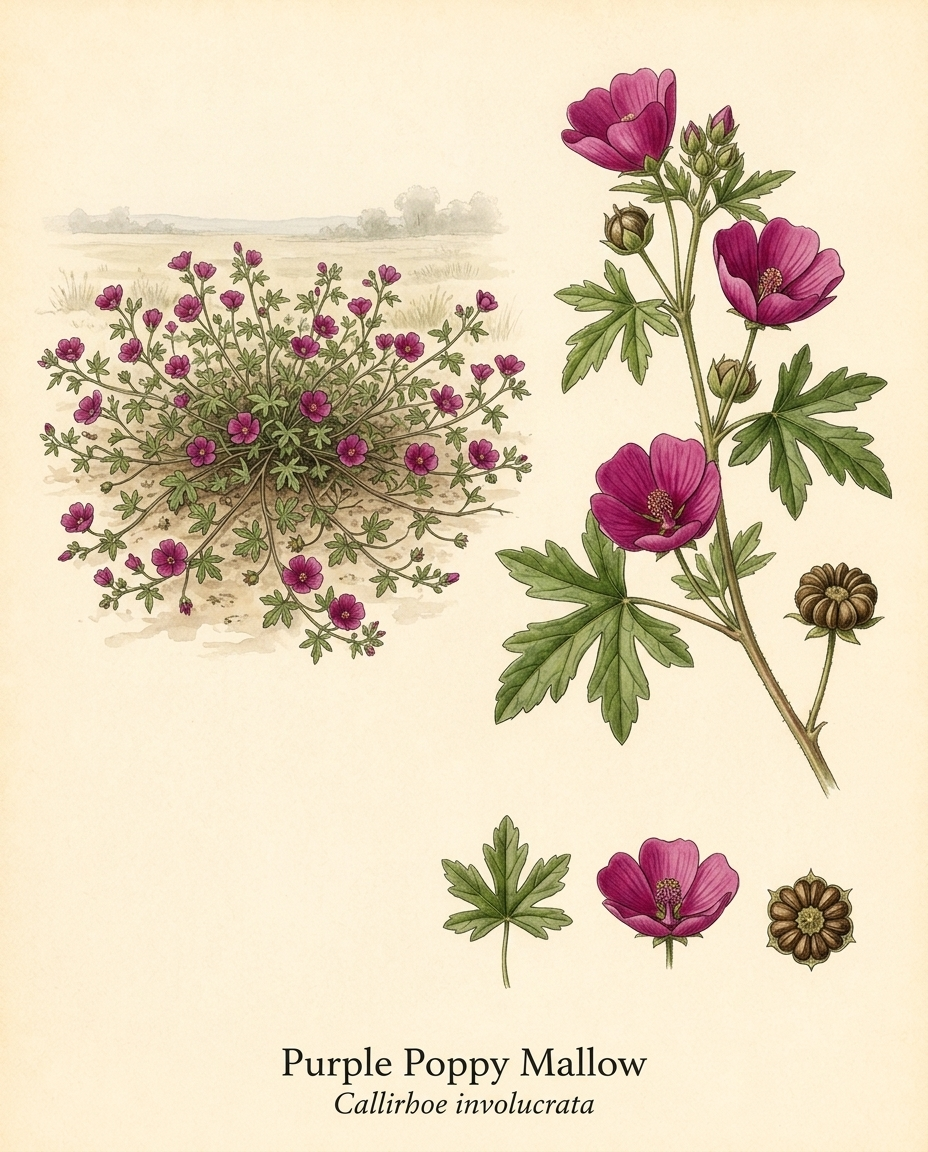
Purple Poppy Mallow
NativeCallirhoe involucrata
Works well together.
- Different structural layer than Cranberry Cotoneaster
- Noticeable height difference for a layered look
- Blooms in summer — extends color when Cranberry Cotoneaster isn't flowering
- Supports pollinators and wildlife
- Fire-resistant — good for defensible space
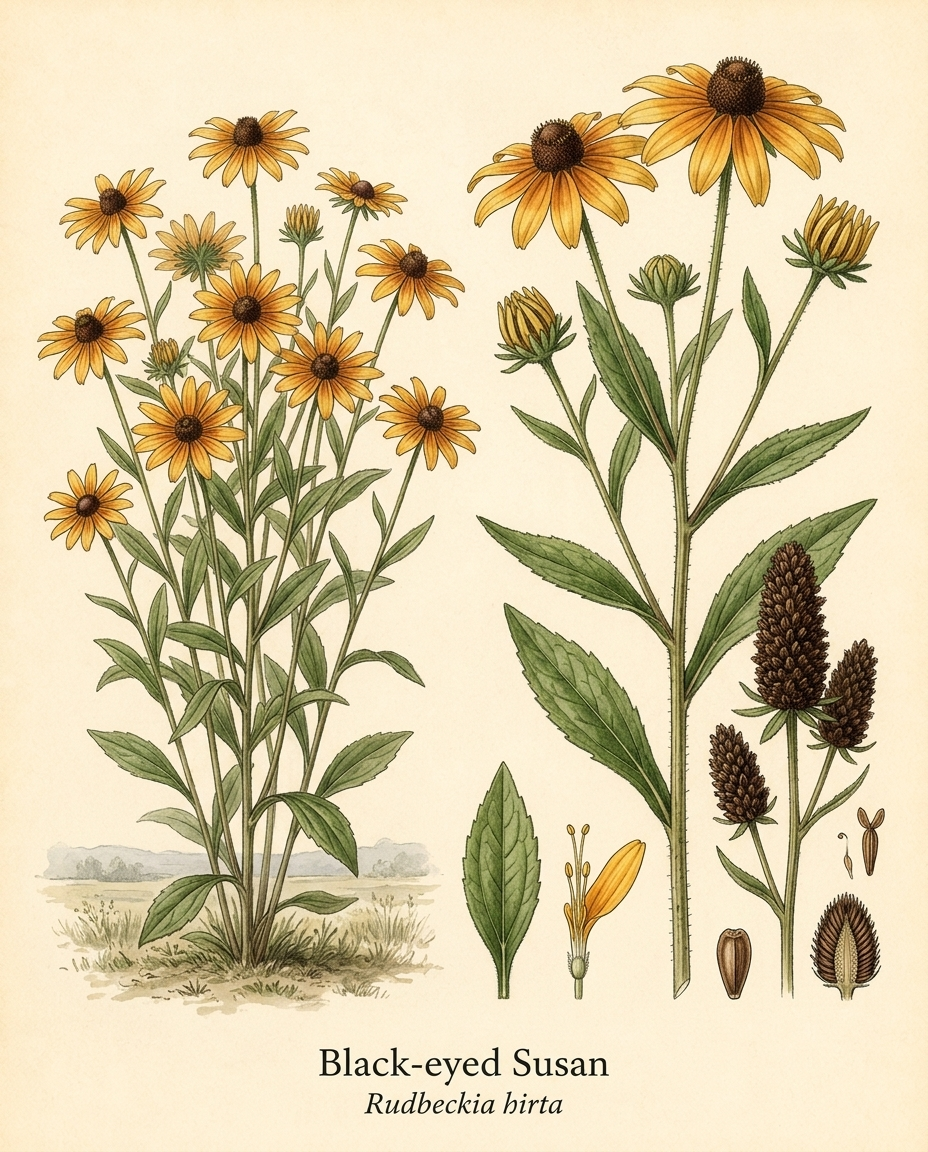
Black-eyed Susan
NativeRudbeckia hirta
Compatible on water, sun, and zone. Whether the combination reads well is your call.
- Different structural layer than Cranberry Cotoneaster
- Blooms in fall and summer — extends color when Cranberry Cotoneaster isn't flowering
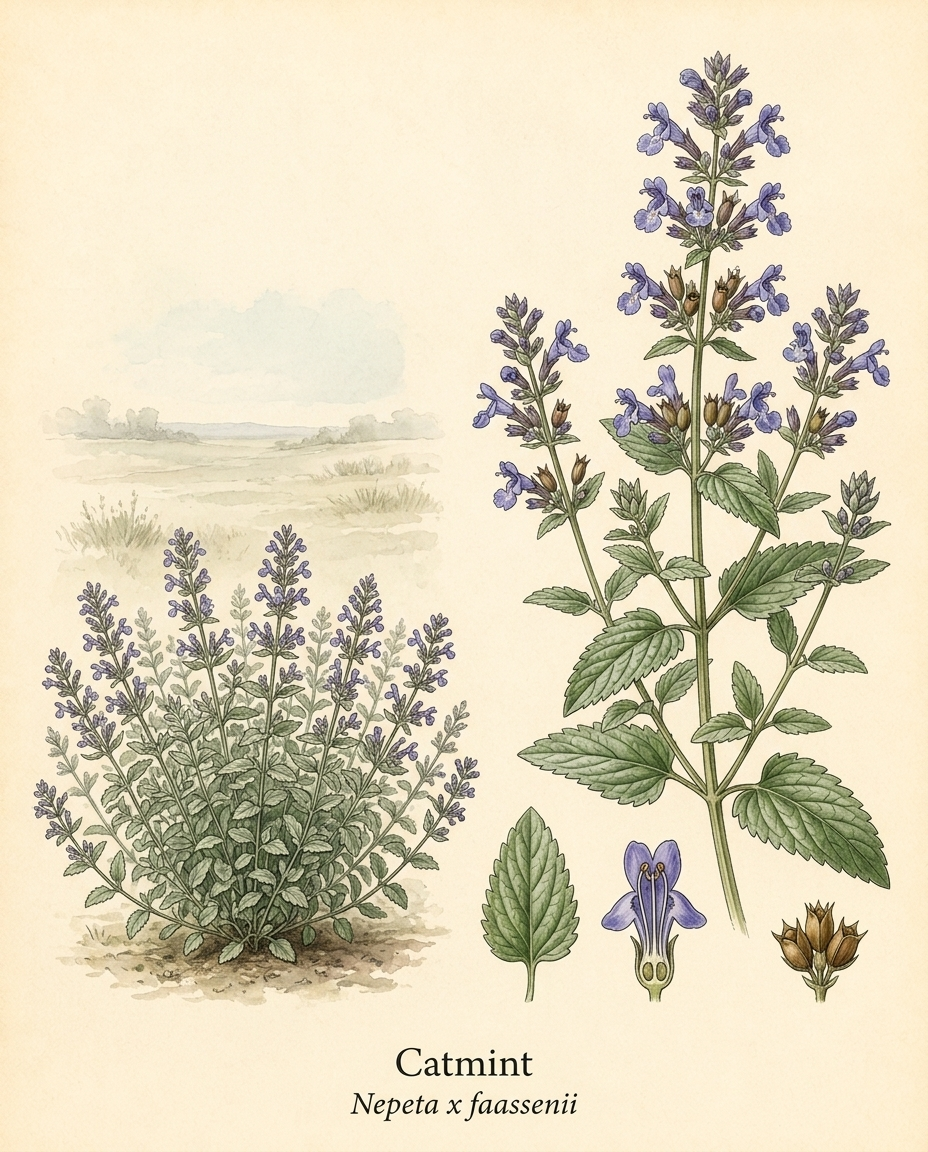
Catmint
Nepeta x faassenii
Compatible on water, sun, and zone. Whether the combination reads well is your call.
- Different structural layer than Cranberry Cotoneaster
- Blooms in summer — extends color when Cranberry Cotoneaster isn't flowering
- Silver foliage contrasts with Cranberry Cotoneaster
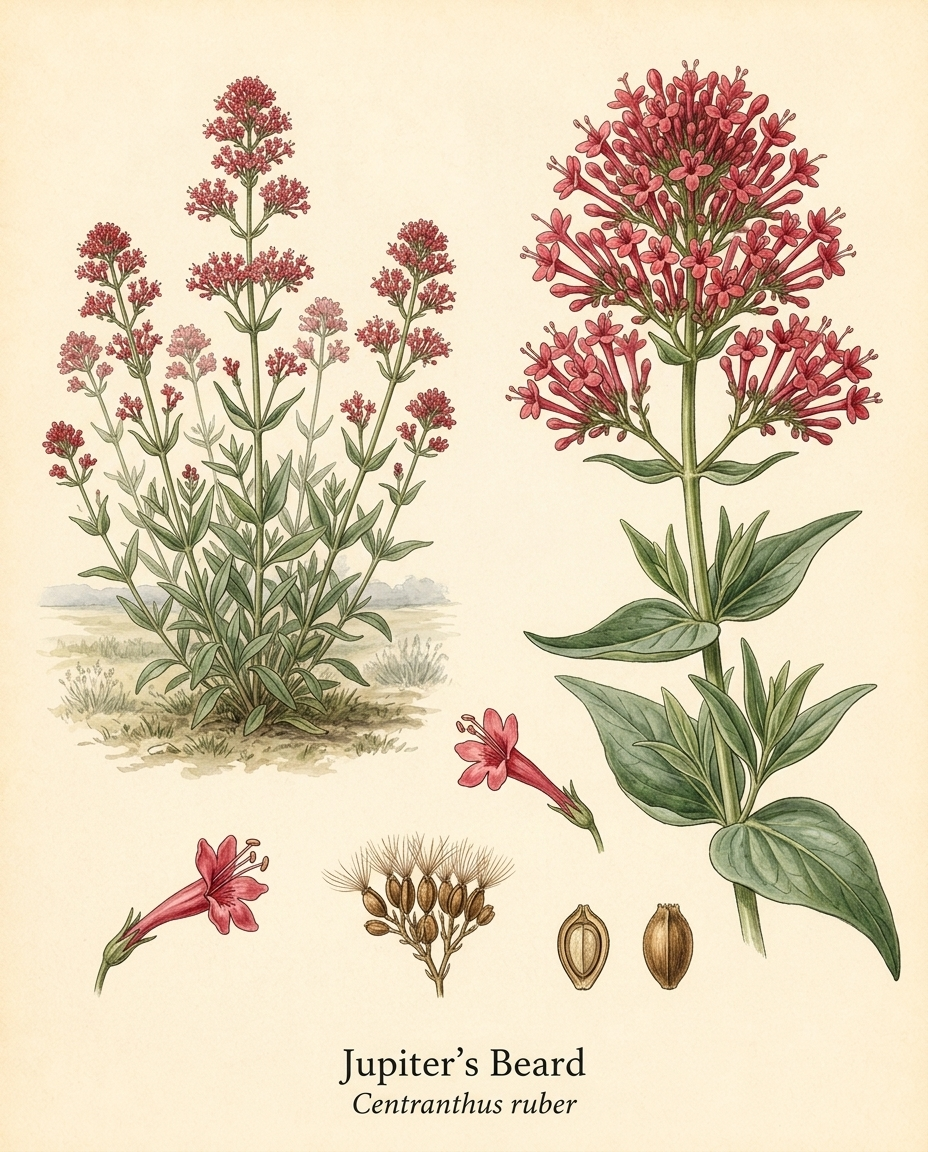
Jupiter's Beard
Centranthus ruber
Compatible on water, sun, and zone. Whether the combination reads well is your call.
- Different structural layer than Cranberry Cotoneaster
- Blooms in fall and summer — extends color when Cranberry Cotoneaster isn't flowering
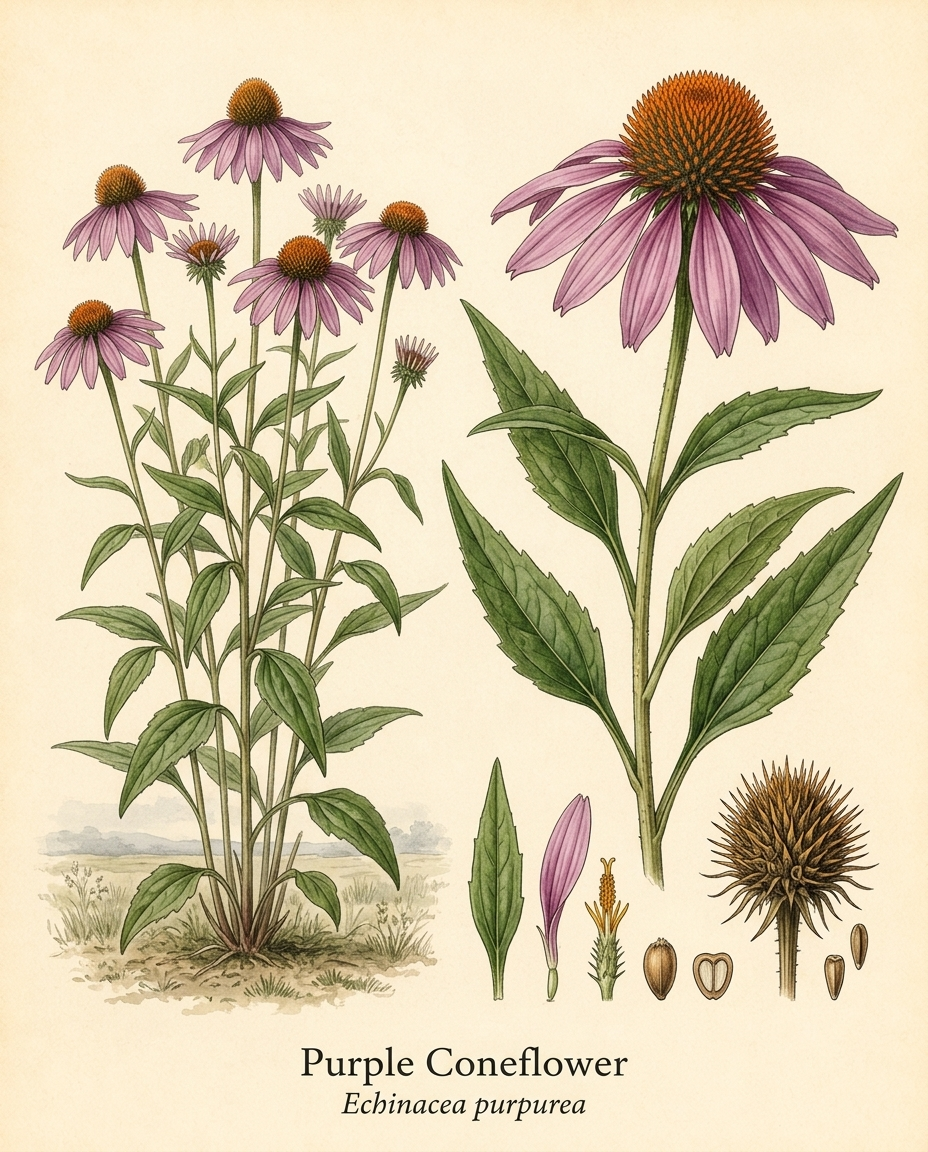
Purple Coneflower
NativeEchinacea purpurea
Compatible on water, sun, and zone. Whether the combination reads well is your call.
- Different structural layer than Cranberry Cotoneaster
- Blooms in fall and summer — extends color when Cranberry Cotoneaster isn't flowering
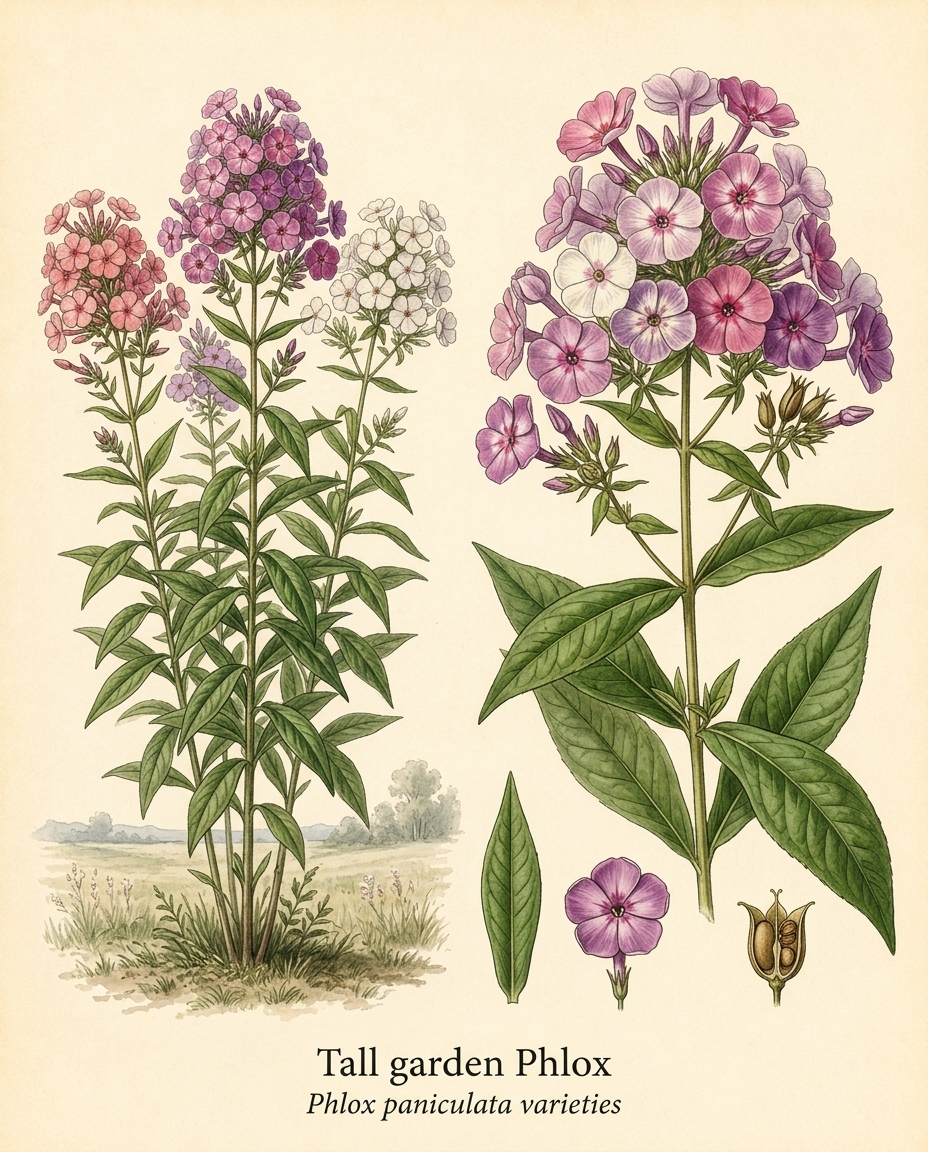
Tall garden Phlox
Phlox paniculata varieties
Compatible on water, sun, and zone. Whether the combination reads well is your call.
- Different structural layer than Cranberry Cotoneaster
- Blooms in summer — extends color when Cranberry Cotoneaster isn't flowering
- Supports pollinators and wildlife
- Fire-resistant — good for defensible space
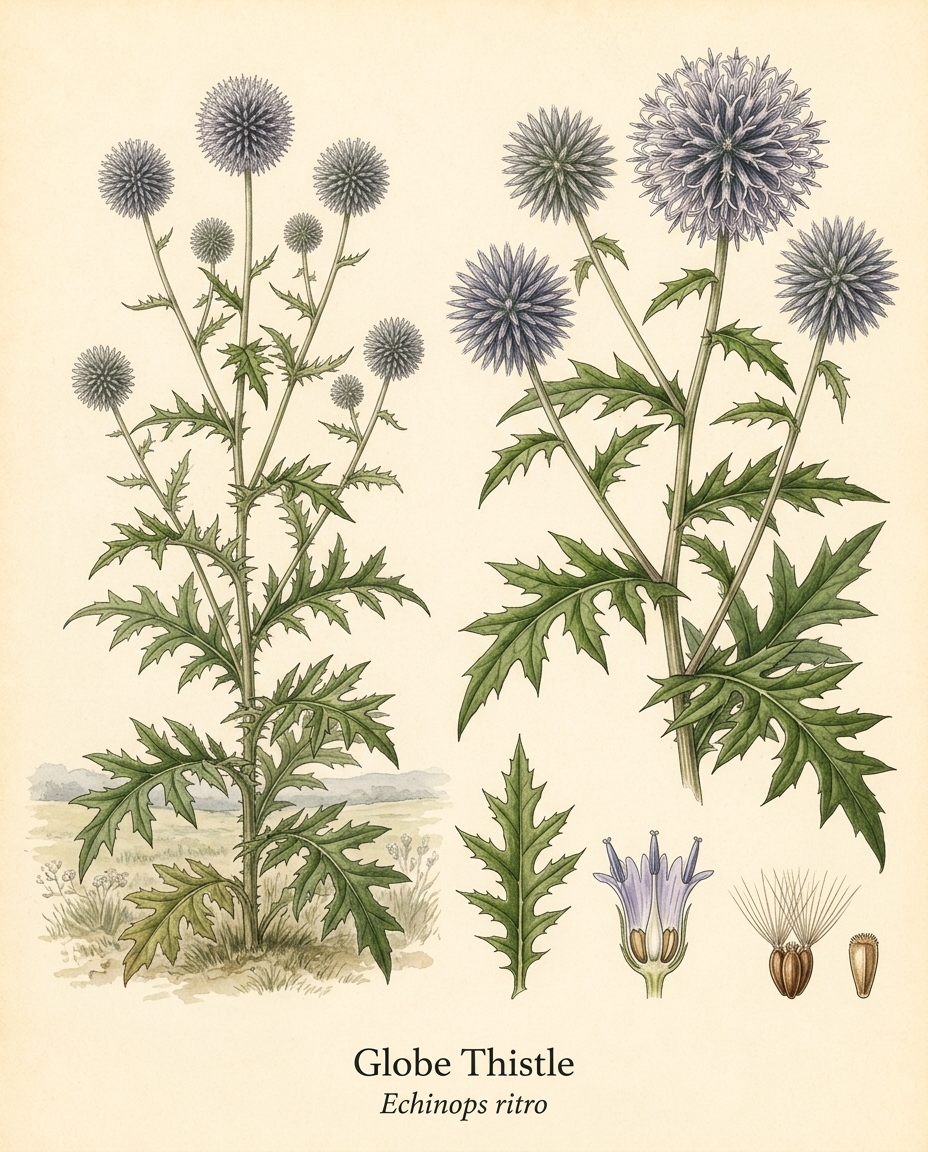
Globe thistle
Echinops ritro
Compatible on water, sun, and zone. Whether the combination reads well is your call.
- Different structural layer than Cranberry Cotoneaster
- Blooms in summer — extends color when Cranberry Cotoneaster isn't flowering
- Supports pollinators and wildlife
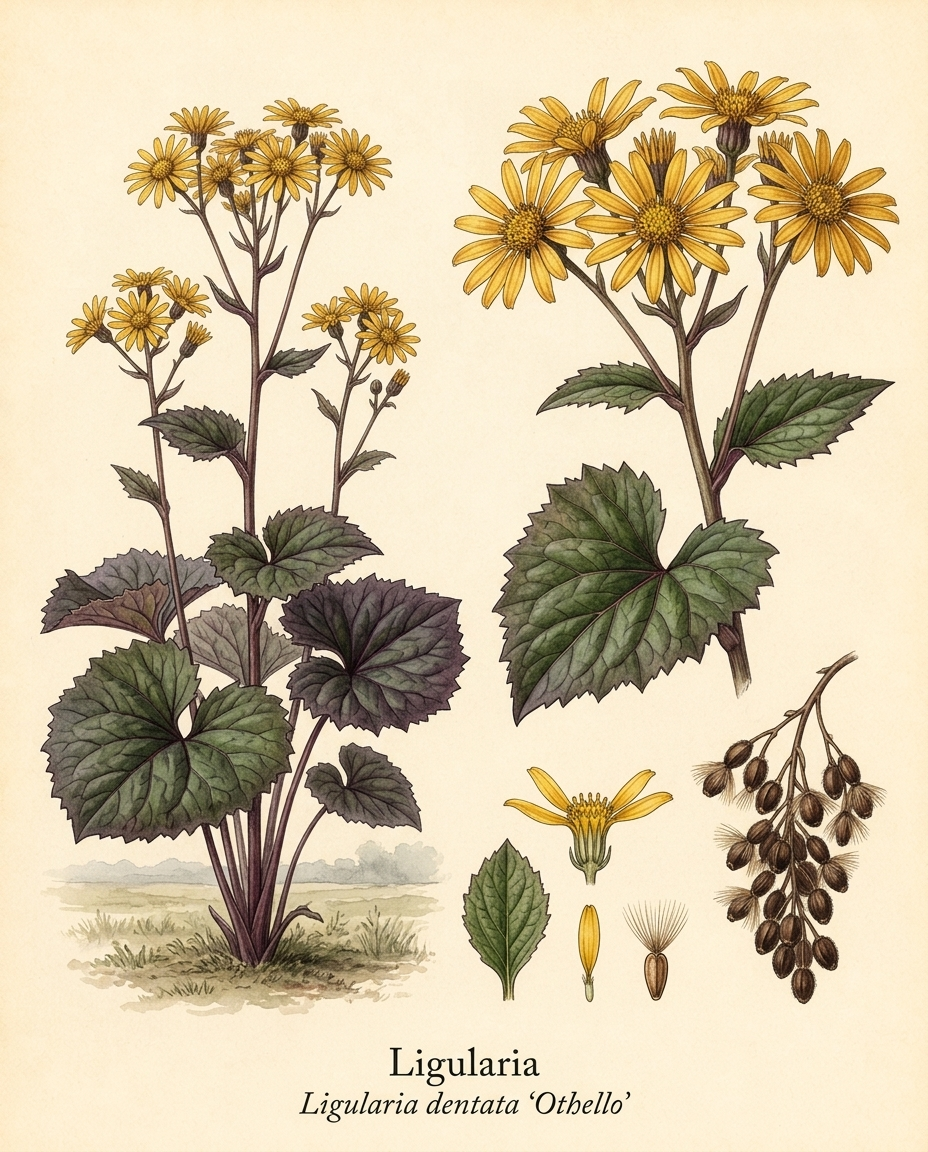
Ligularia
Ligularia dentata ‘Othello’
Compatible on water, sun, and zone. Whether the combination reads well is your call.
- Different structural layer than Cranberry Cotoneaster
- Blooms in summer — extends color when Cranberry Cotoneaster isn't flowering
- Same water needs as Cranberry Cotoneaster — one irrigation zone
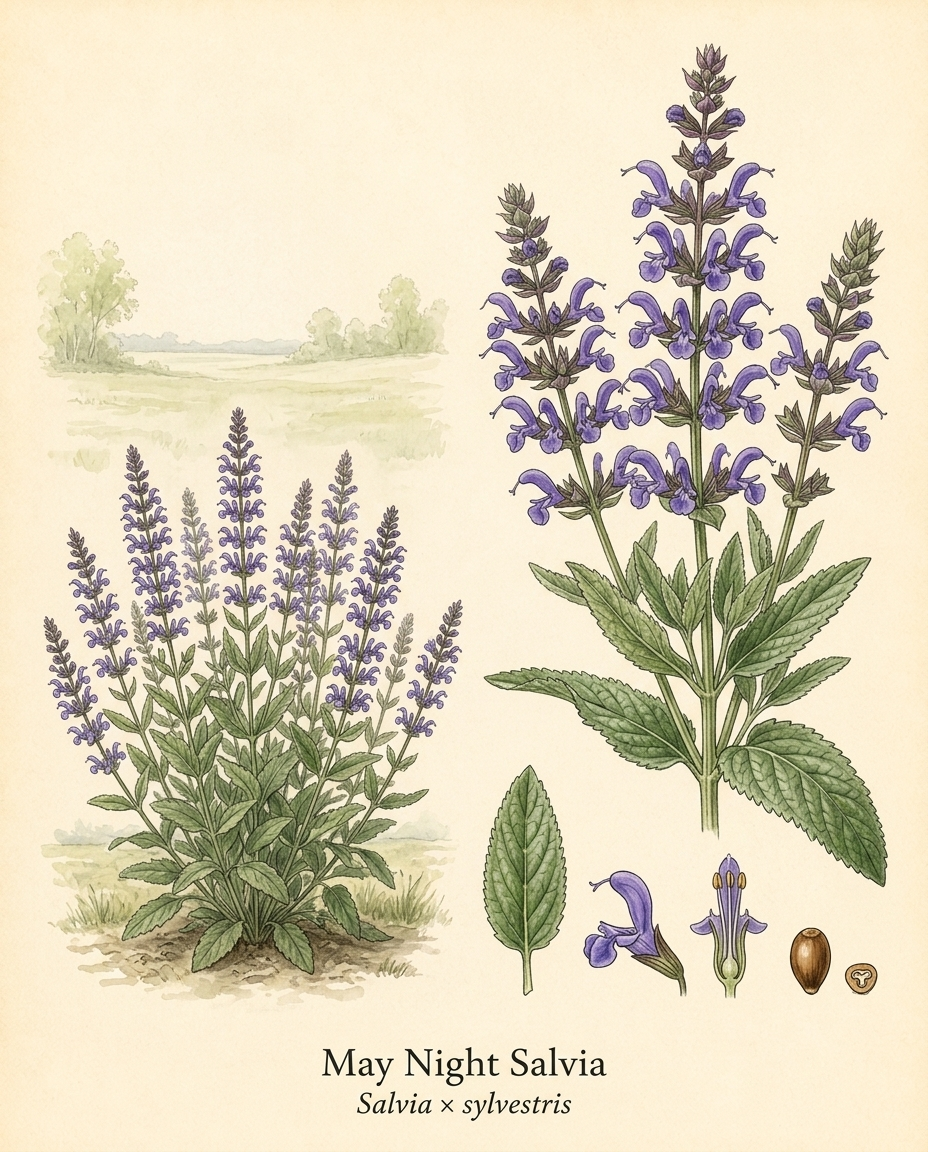
May Night Salvia
NativeSalvia x sylvestris
Compatible on water, sun, and zone. Whether the combination reads well is your call.
- Different structural layer than Cranberry Cotoneaster
- Blooms in summer — extends color when Cranberry Cotoneaster isn't flowering
- Supports pollinators and wildlife
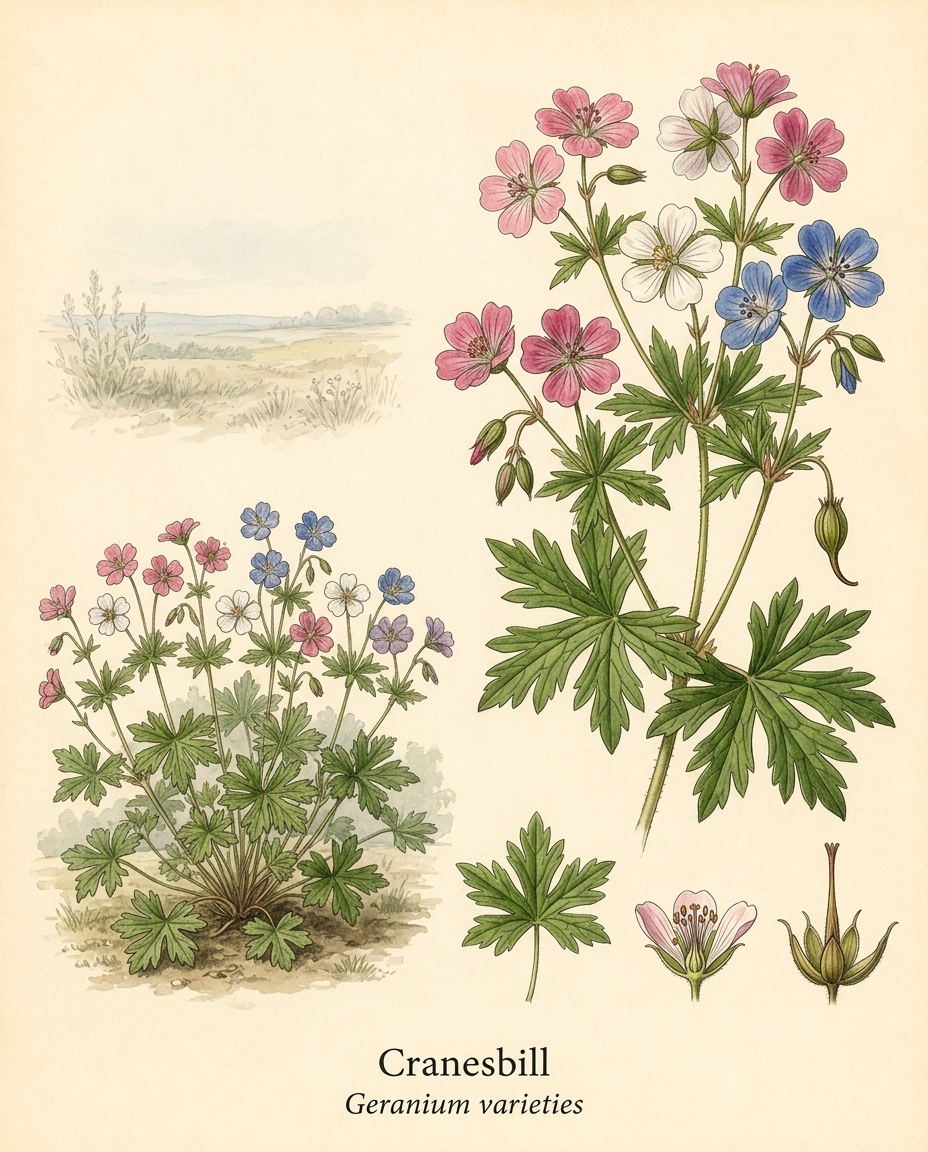
Cranesbill
Geranium varieties
Compatible on water, sun, and zone. Whether the combination reads well is your call.
- Different structural layer than Cranberry Cotoneaster
- Blooms in summer — extends color when Cranberry Cotoneaster isn't flowering
- Fire-resistant — good for defensible space
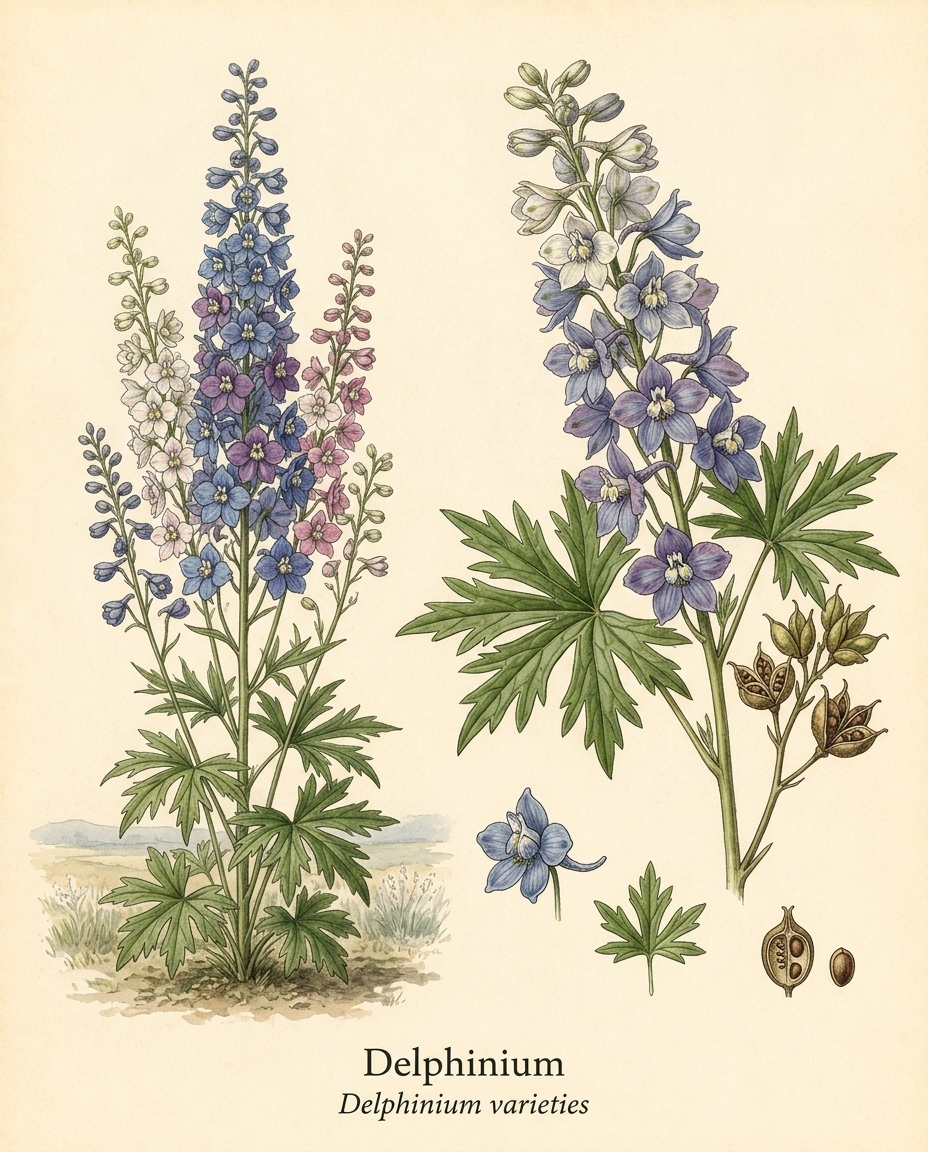
Delphinium
Delphinium varieties
Compatible on water, sun, and zone. Whether the combination reads well is your call.
- Different structural layer than Cranberry Cotoneaster
- Blooms in summer — extends color when Cranberry Cotoneaster isn't flowering
- Fire-resistant — good for defensible space
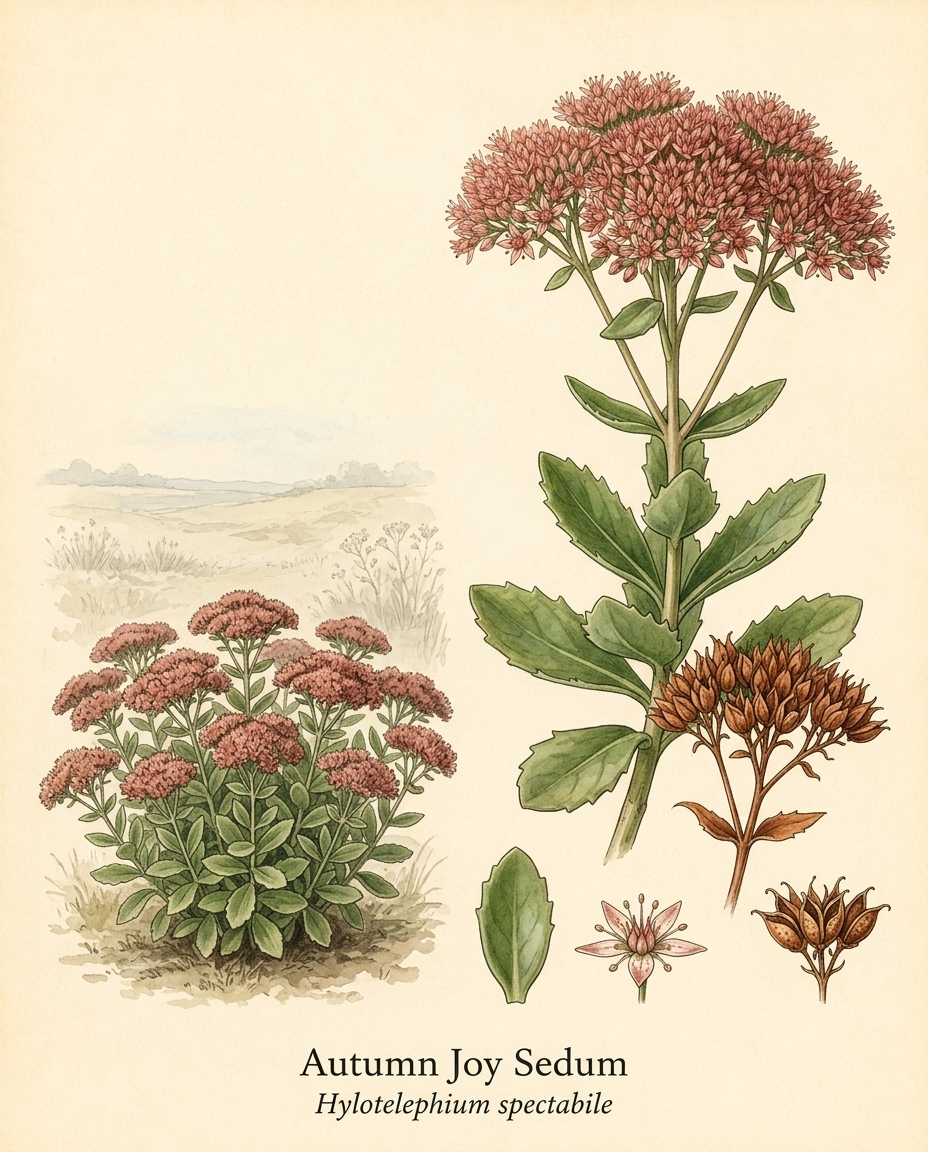
Autumn Joy Sedum
Hylotelephium spectabile
Compatible on water, sun, and zone. Whether the combination reads well is your call.
- Different structural layer than Cranberry Cotoneaster
- Blooms in fall — extends color when Cranberry Cotoneaster isn't flowering
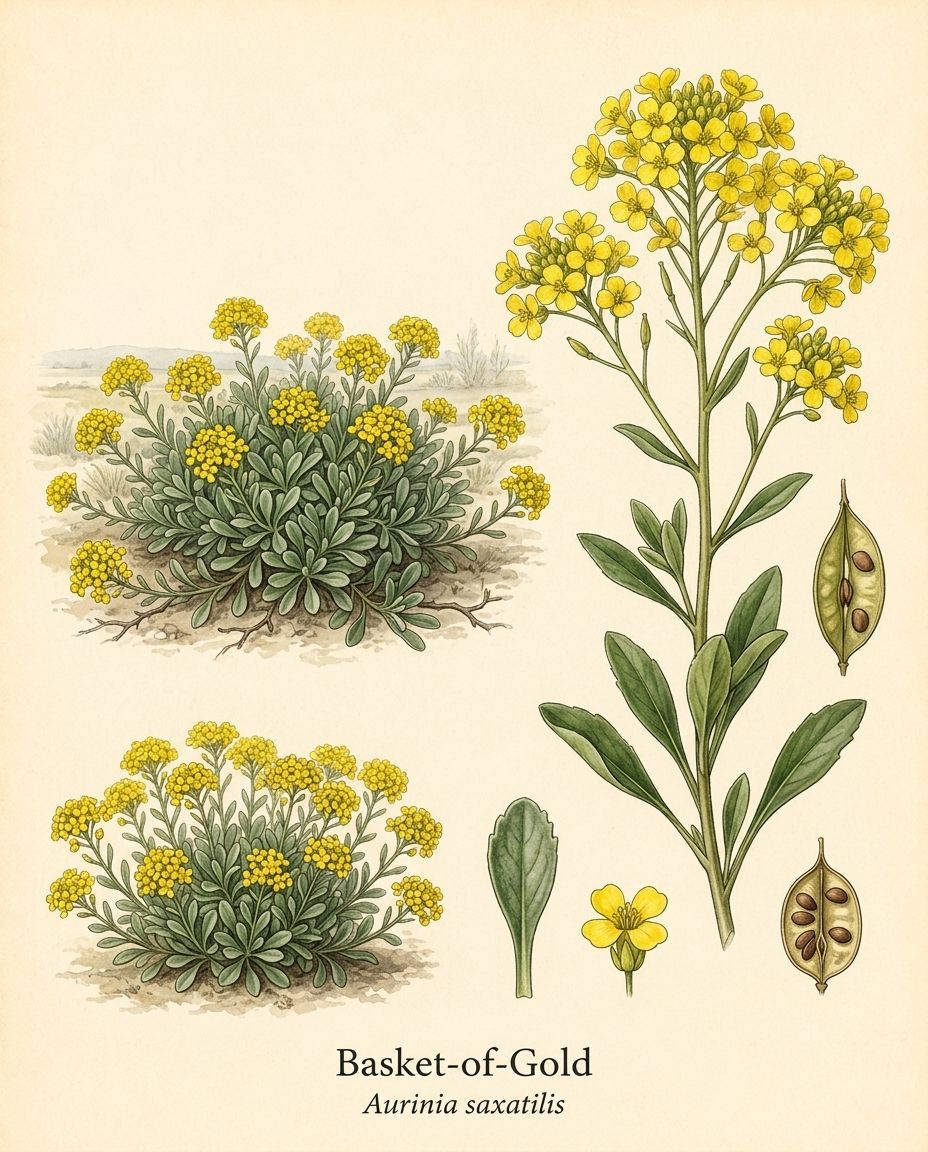
Basket-of-Gold
Aurinia saxatilis
Compatible on water, sun, and zone. Whether the combination reads well is your call.
- Different structural layer than Cranberry Cotoneaster
- Evergreen — holds structure through winter
- Fire-resistant — good for defensible space
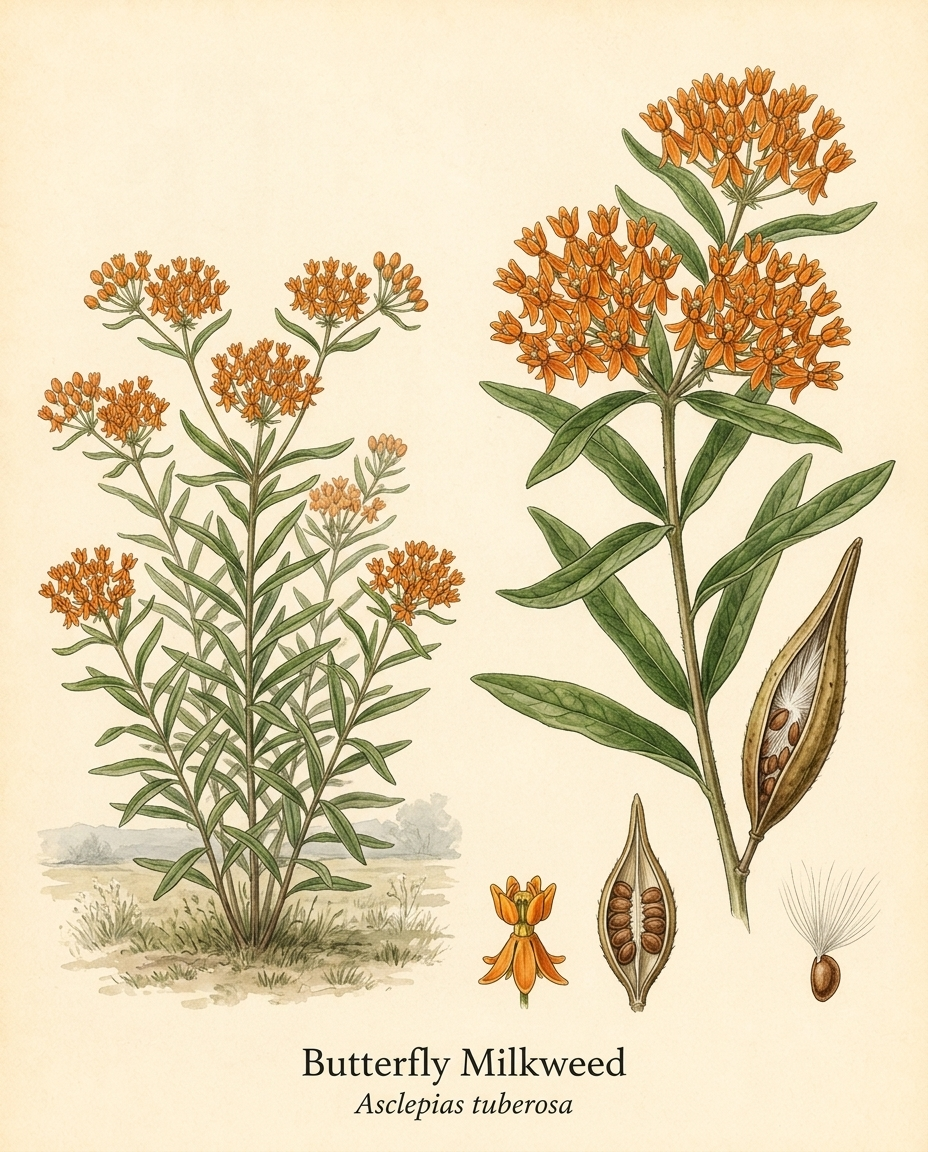
Butterfly Milkweed
NativeAsclepias tuberosa
Compatible on water, sun, and zone. Whether the combination reads well is your call.
- Different structural layer than Cranberry Cotoneaster
- Blooms in summer — extends color when Cranberry Cotoneaster isn't flowering
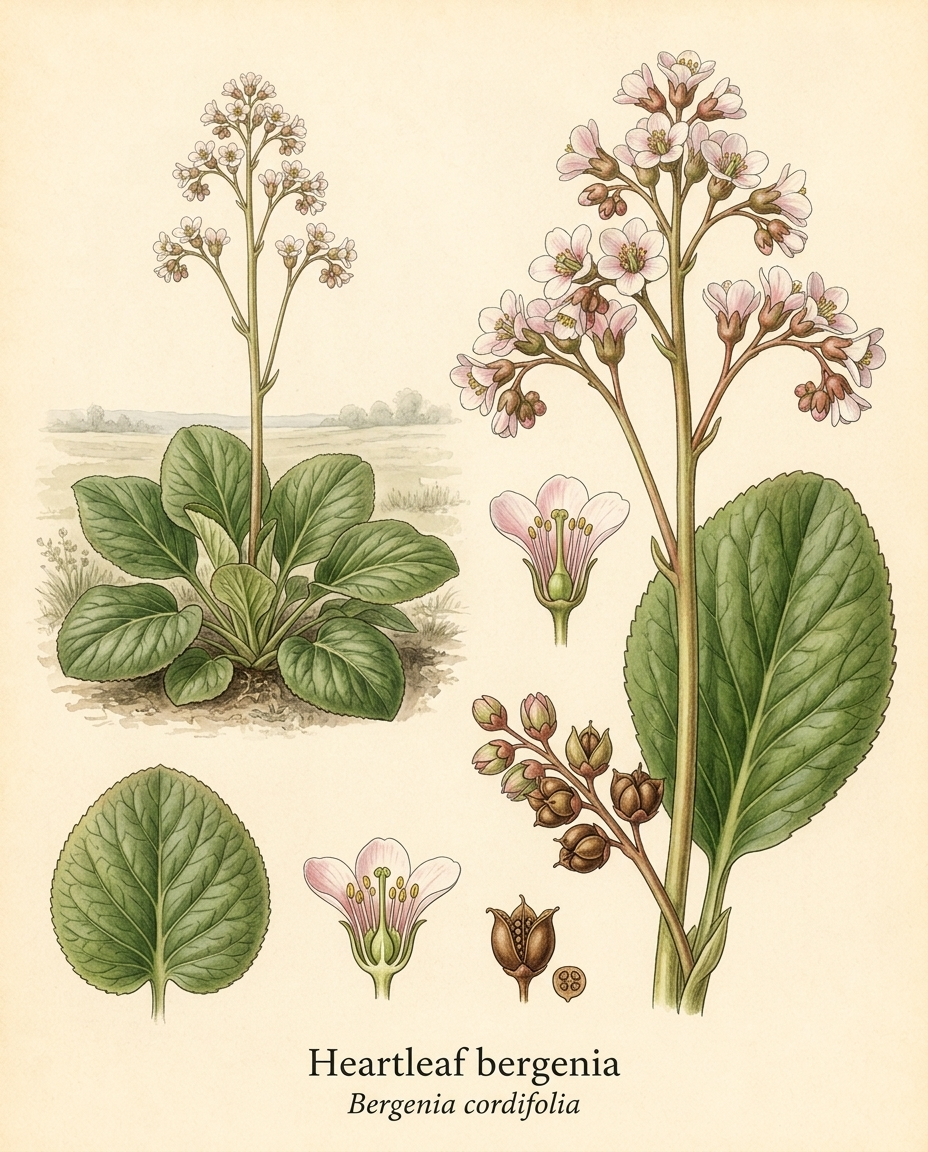
Heartleaf bergenia
Bergenia cordifolia
Compatible on water, sun, and zone. Whether the combination reads well is your call.
- Different structural layer than Cranberry Cotoneaster
- Fire-resistant — good for defensible space
- Same water needs as Cranberry Cotoneaster — one irrigation zone
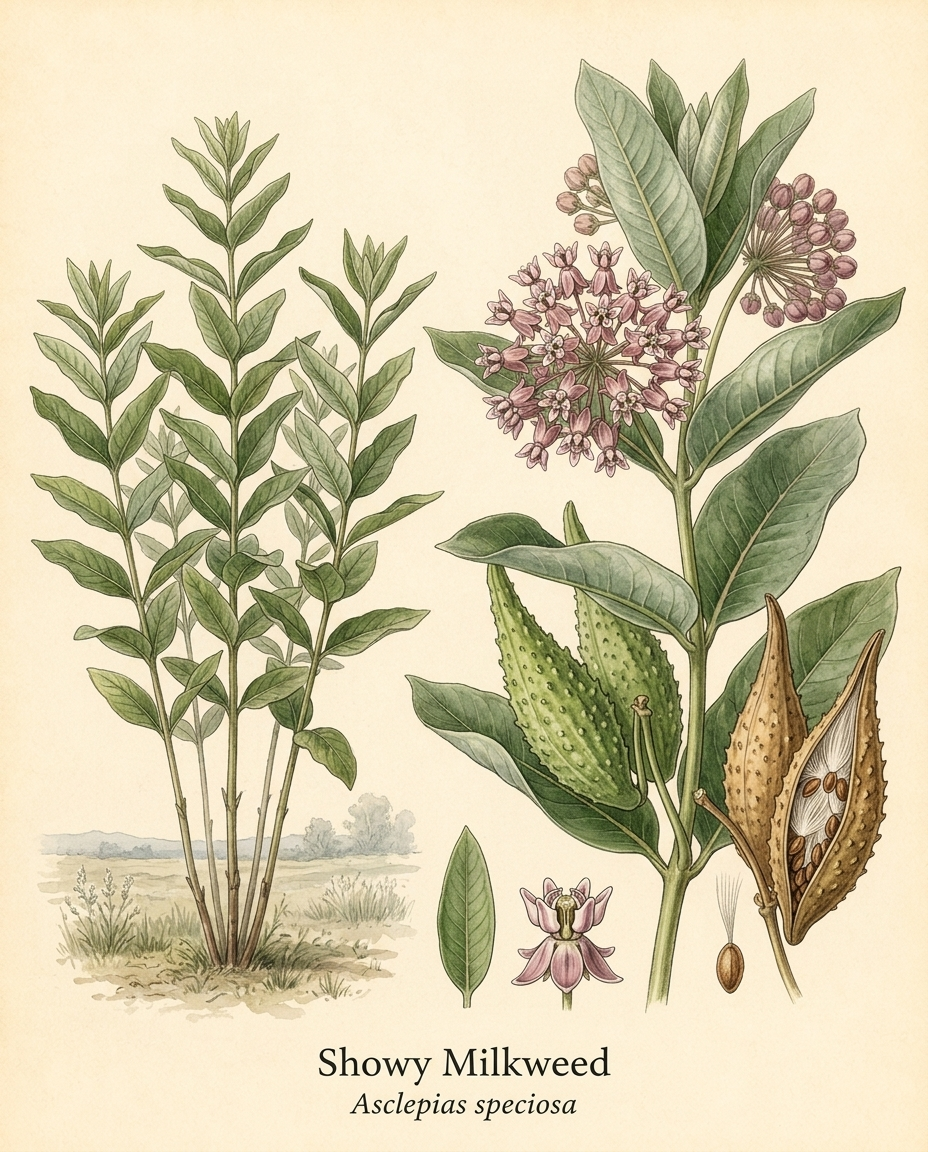
Showy Milkweed
NativeAsclepias speciosa
Compatible on water, sun, and zone. Whether the combination reads well is your call.
- Different structural layer than Cranberry Cotoneaster
- Blooms in summer — extends color when Cranberry Cotoneaster isn't flowering
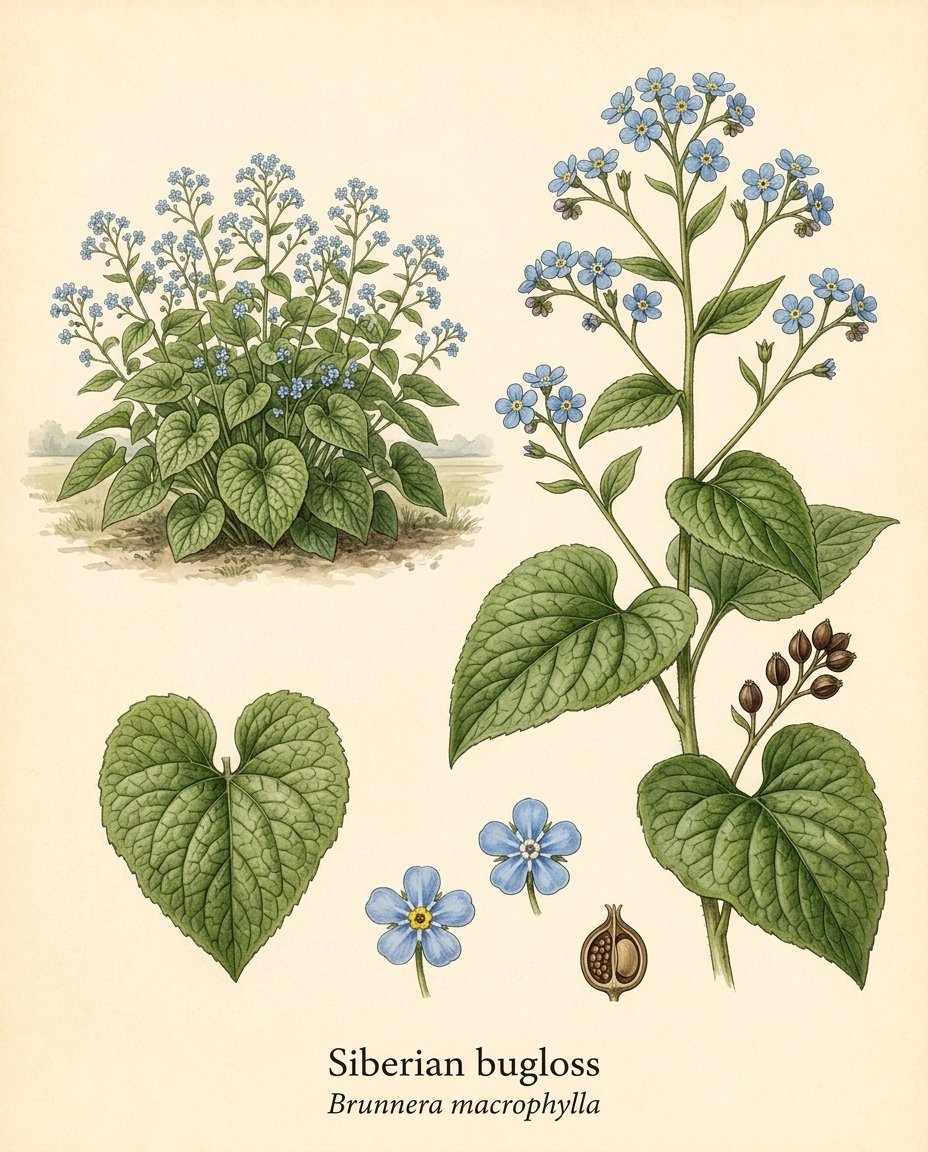
Siberian bugloss
Brunnera macrophylla
Compatible on water, sun, and zone. Whether the combination reads well is your call.
- Different structural layer than Cranberry Cotoneaster
- Fire-resistant — good for defensible space
- Same water needs as Cranberry Cotoneaster — one irrigation zone
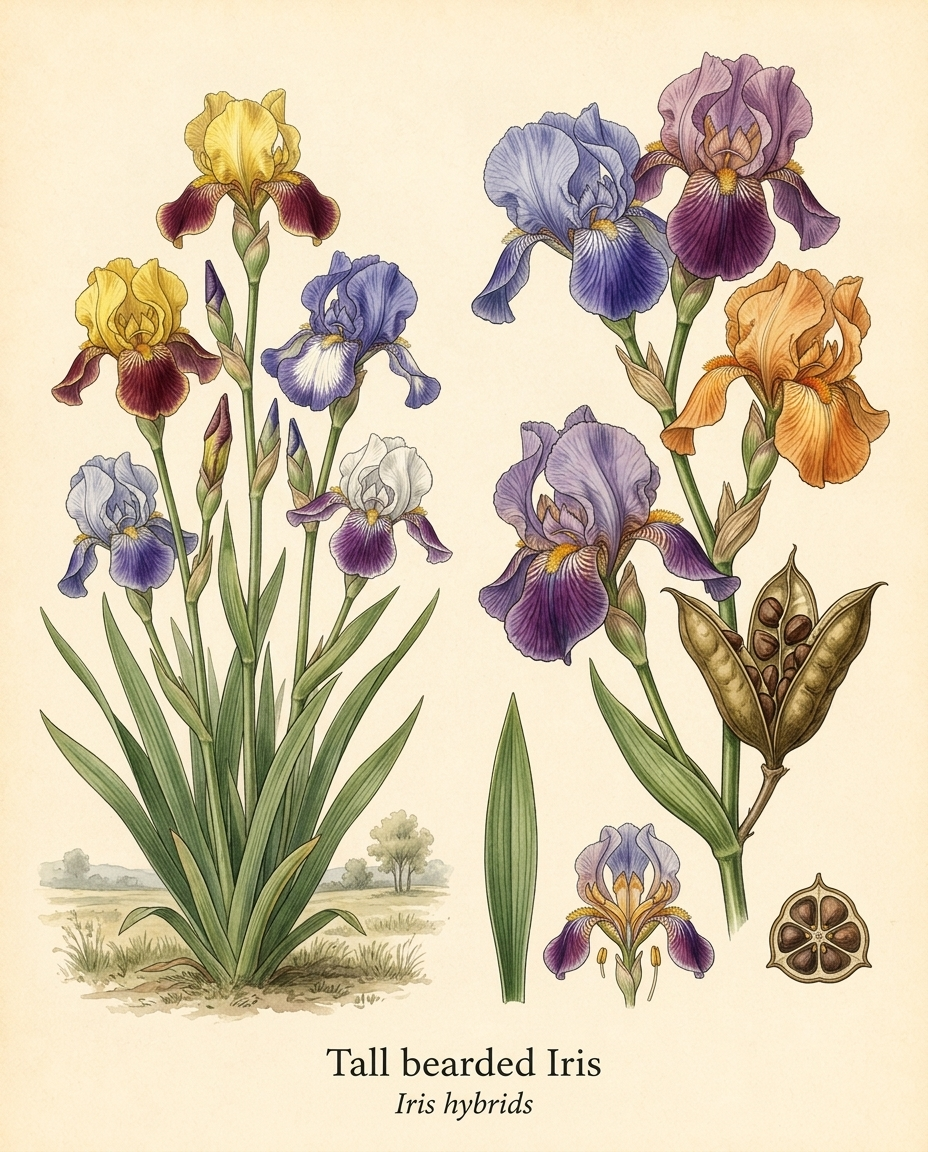
Tall bearded Iris
Iris hybrids
Compatible on water, sun, and zone. Whether the combination reads well is your call.
- Different structural layer than Cranberry Cotoneaster
- Fire-resistant — good for defensible space
- Same water needs as Cranberry Cotoneaster — one irrigation zone
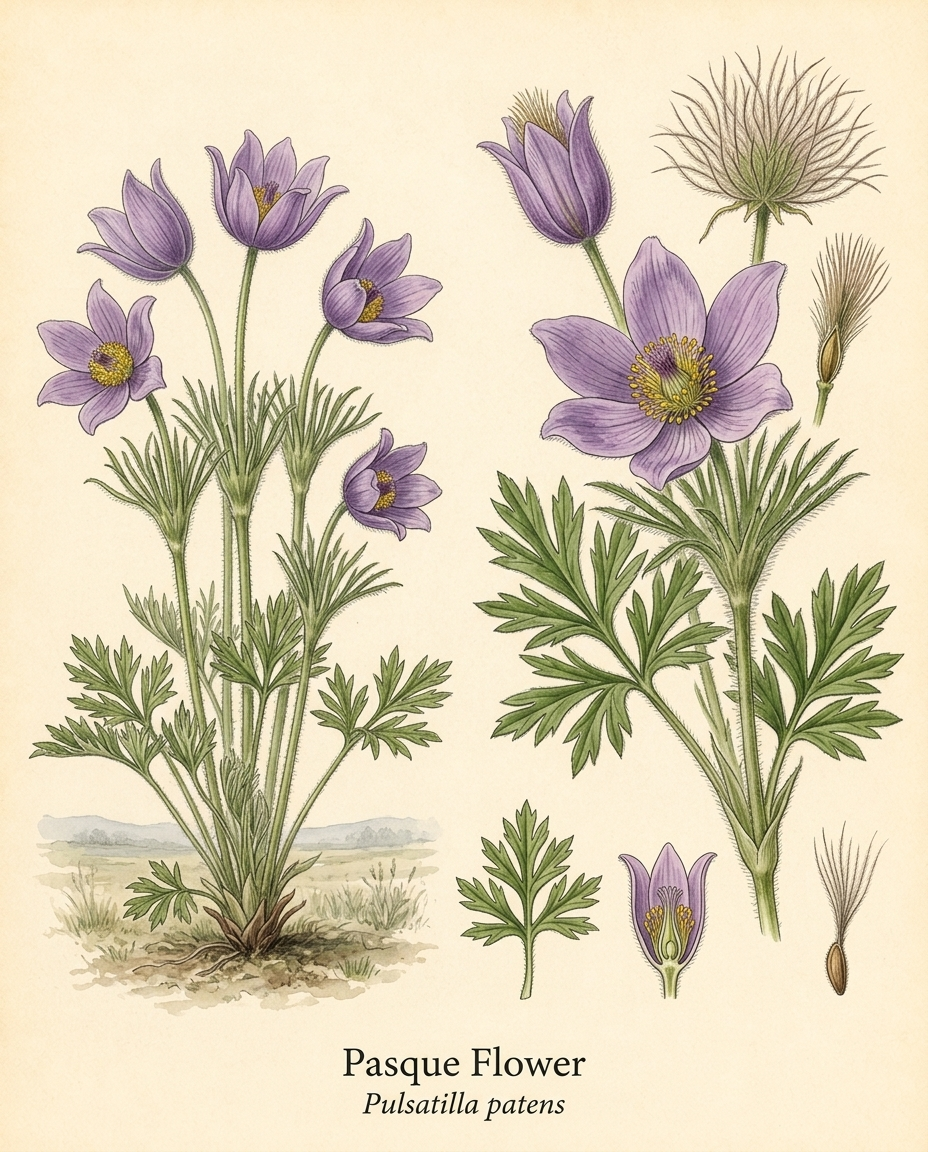
Pasque Flower
NativePulsatilla patens
Compatible on water, sun, and zone. Whether the combination reads well is your call.
- Different structural layer than Cranberry Cotoneaster
- Noticeable height difference for a layered look
Groundcover (8)
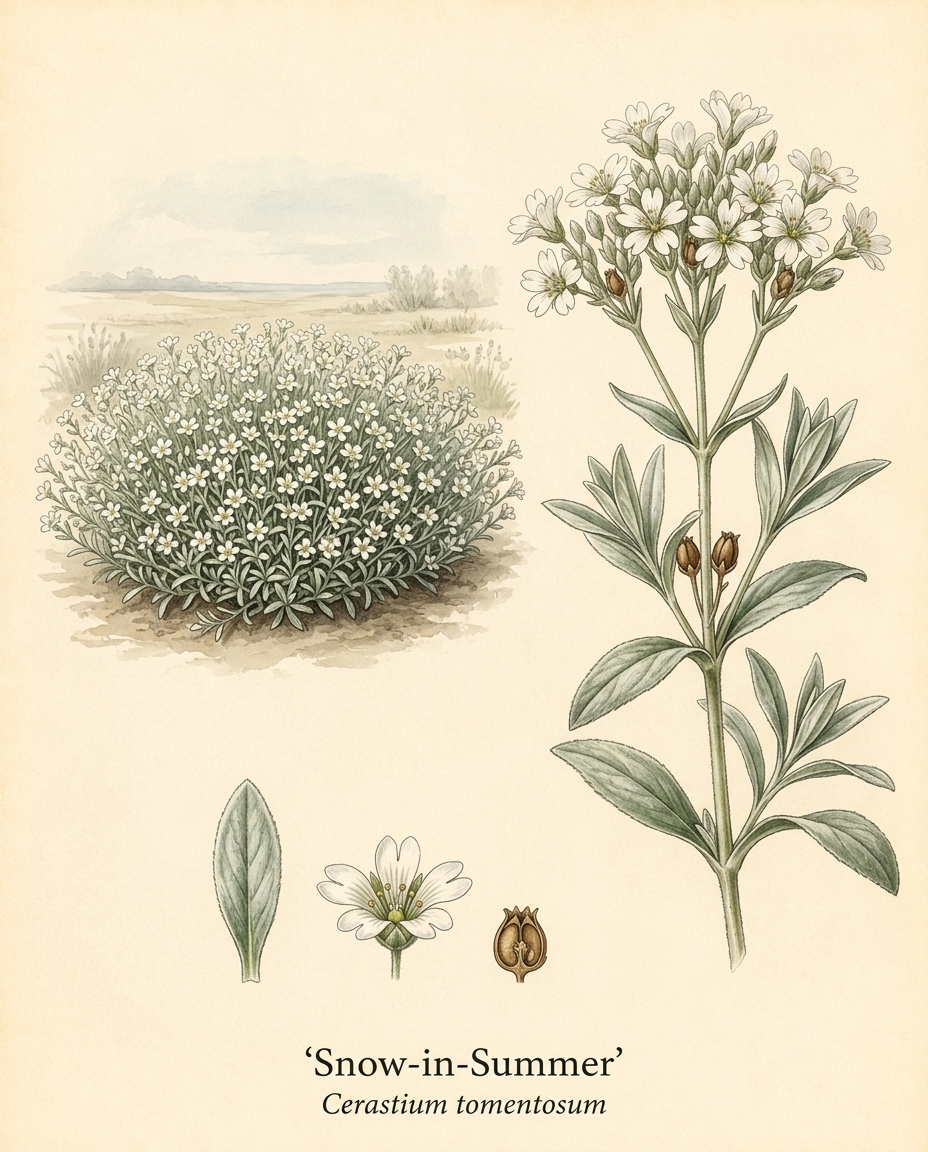
Snow-in-Summer
Cerastium tomentosum
A reliable, well-suited combination.
- Different structural layer than Cranberry Cotoneaster
- Noticeable height difference for a layered look
- Blooms in summer — extends color when Cranberry Cotoneaster isn't flowering
- Silver foliage contrasts with Cranberry Cotoneaster
- Evergreen — holds structure through winter
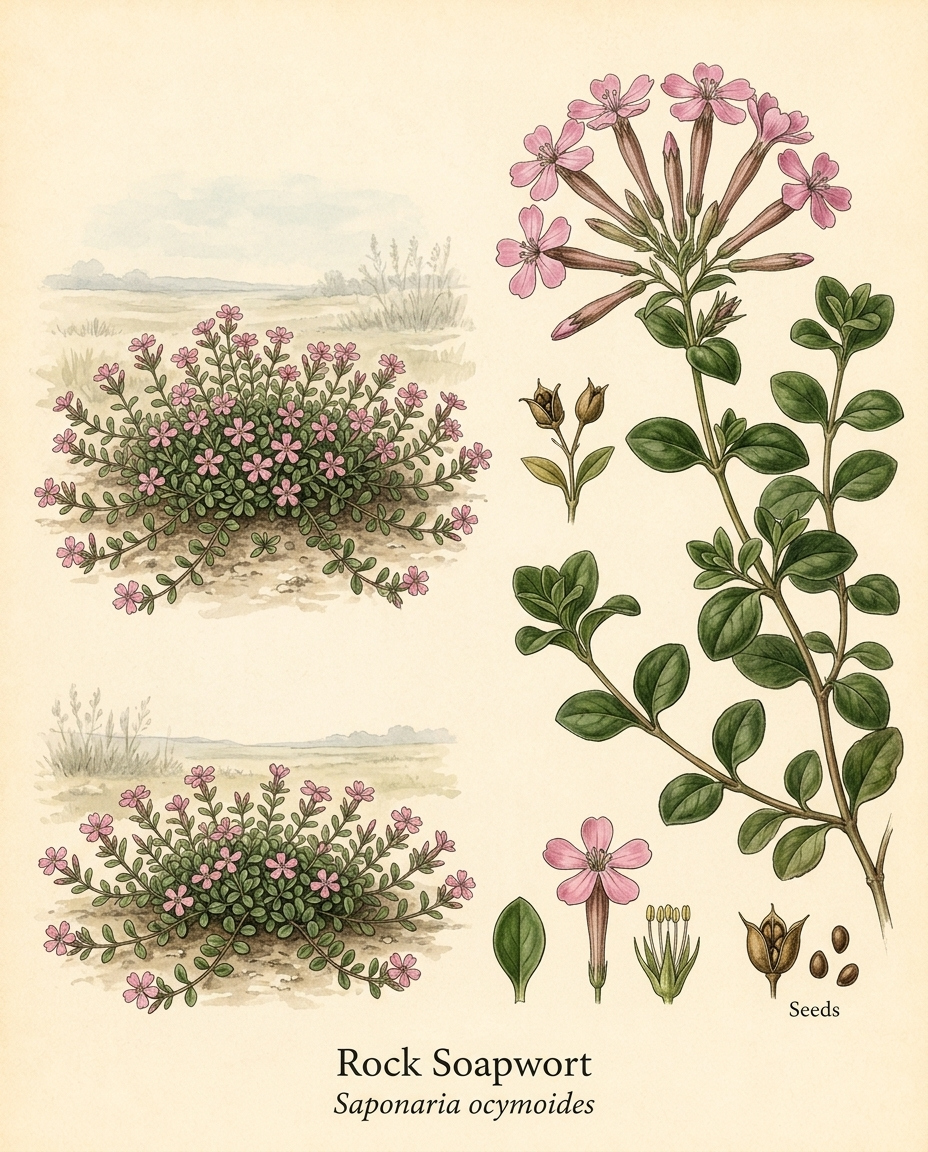
Rock Soapwort
Saponaria ocymoides
Works well together.
- Different structural layer than Cranberry Cotoneaster
- Noticeable height difference for a layered look
- Blooms in summer — extends color when Cranberry Cotoneaster isn't flowering
- Supports pollinators and wildlife
- Fire-resistant — good for defensible space
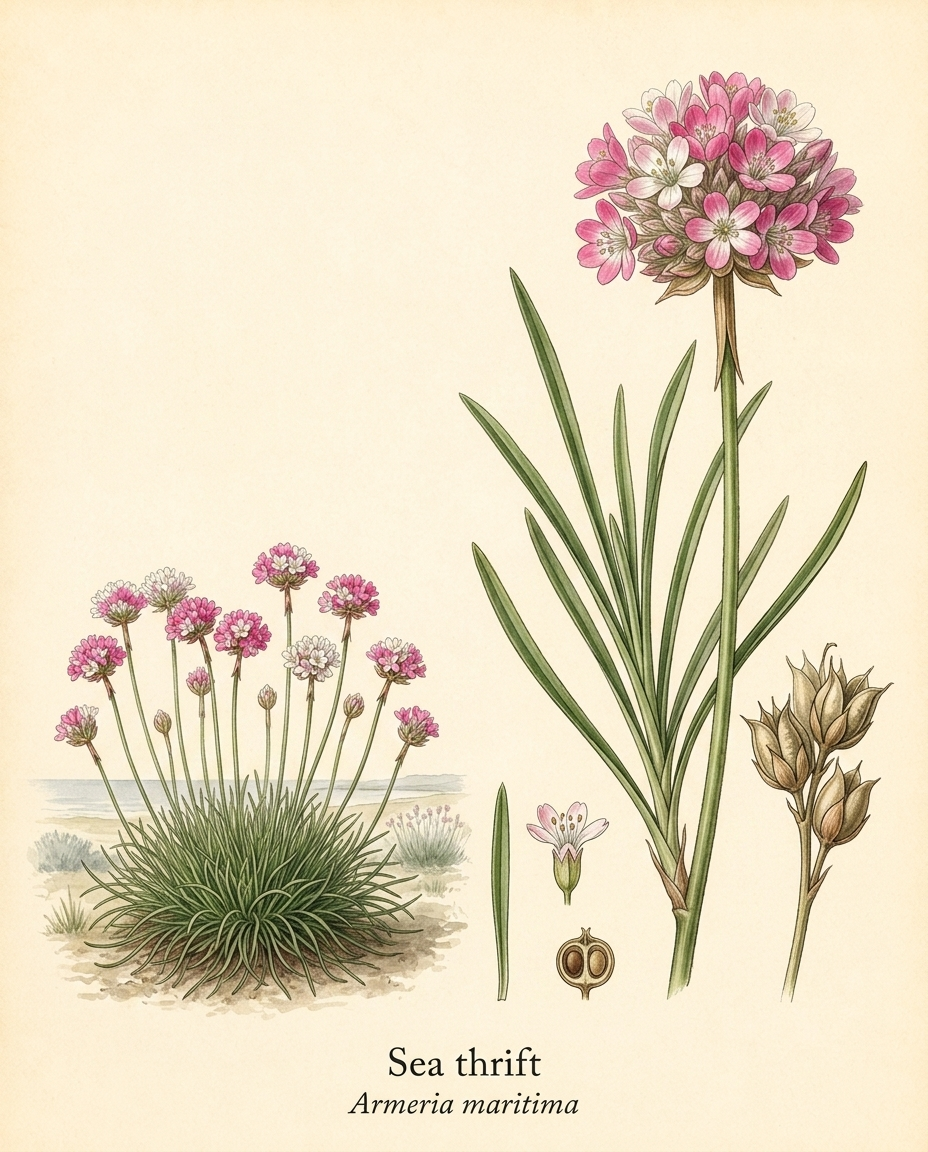
Sea thrift
Armeria maritima
Compatible on water, sun, and zone. Whether the combination reads well is your call.
- Different structural layer than Cranberry Cotoneaster
- Noticeable height difference for a layered look
- Blooms in summer — extends color when Cranberry Cotoneaster isn't flowering
- Fire-resistant — good for defensible space
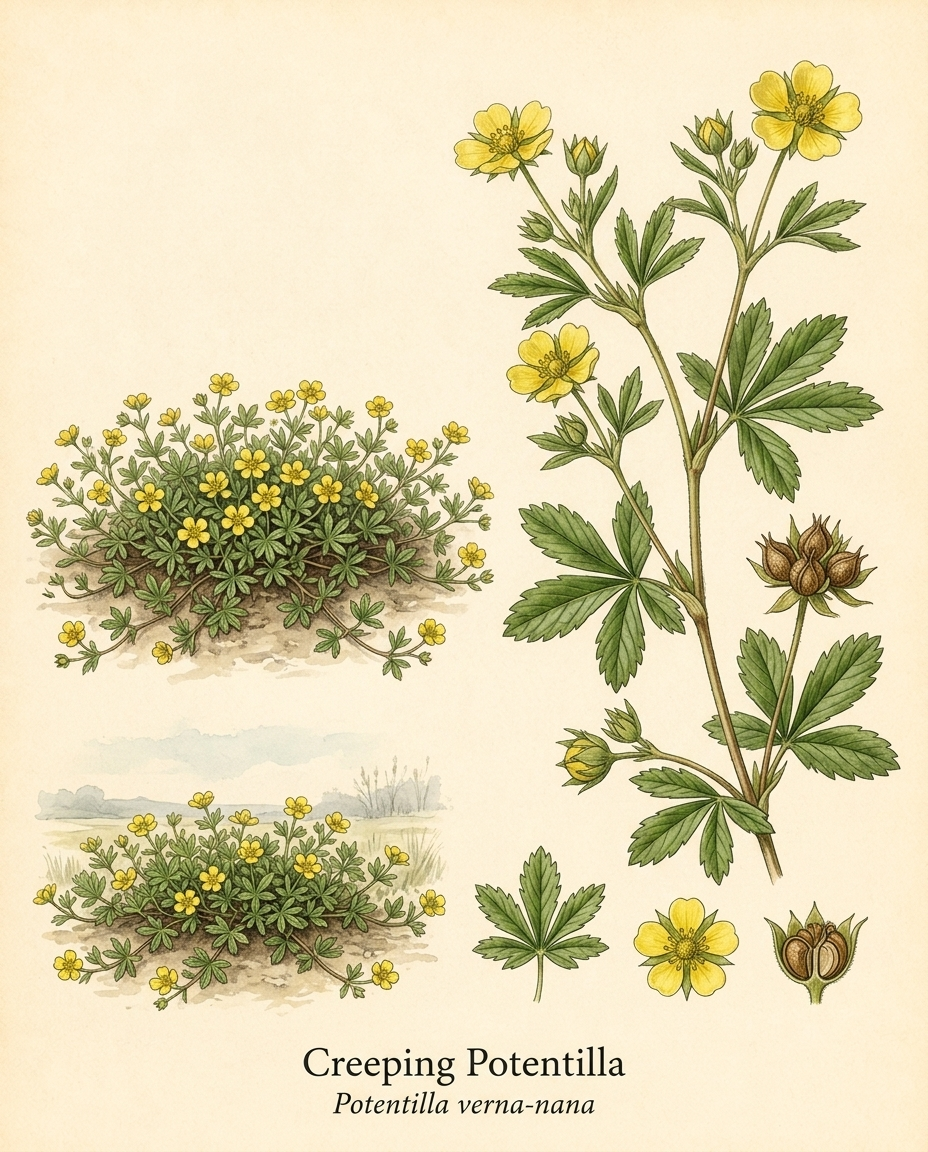
Creeping Potentilla
NativePotentilla verna-nana
Compatible on water, sun, and zone. Whether the combination reads well is your call.
- Different structural layer than Cranberry Cotoneaster
- Noticeable height difference for a layered look
- Blooms in summer — extends color when Cranberry Cotoneaster isn't flowering
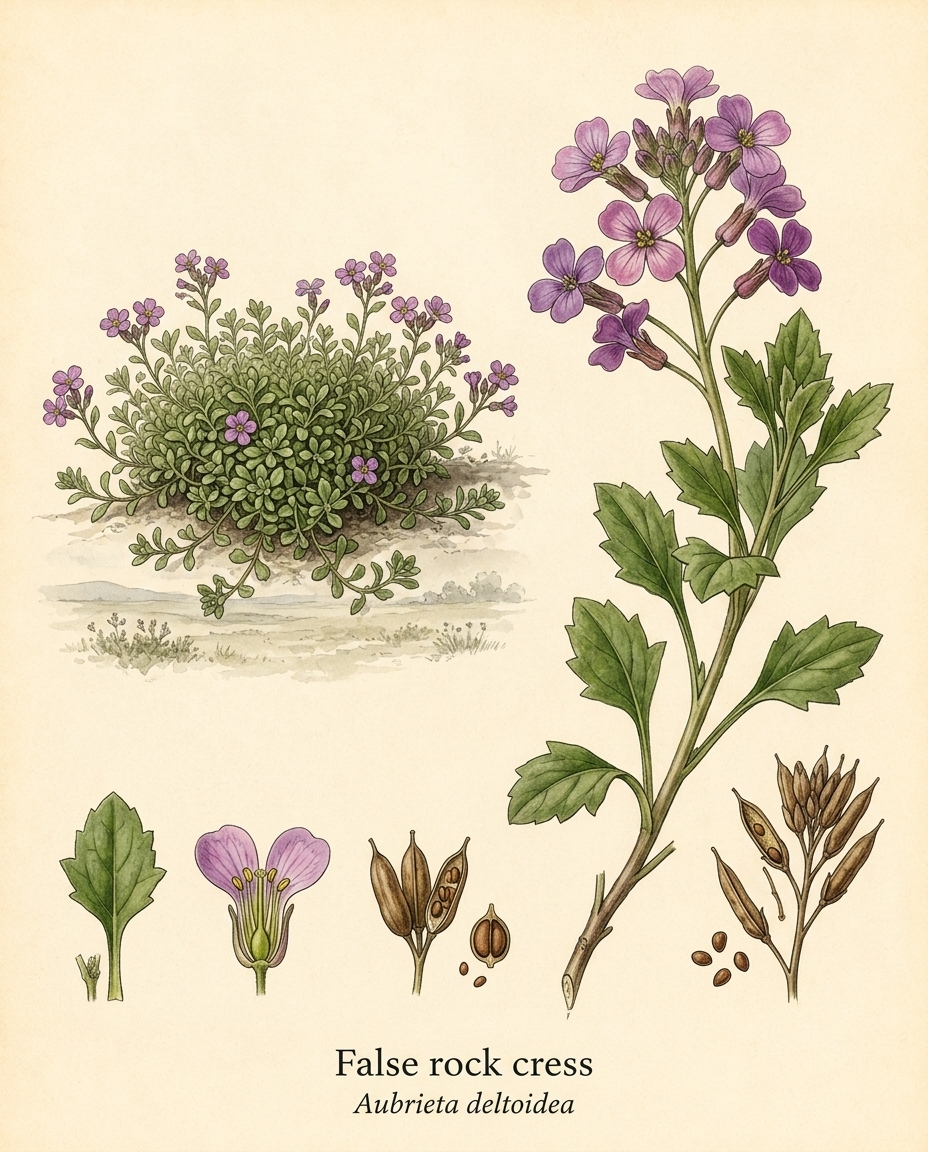
False rock cress
Aubrieta deltoidea
Compatible on water, sun, and zone. Whether the combination reads well is your call.
- Different structural layer than Cranberry Cotoneaster
- Noticeable height difference for a layered look
- Supports pollinators and wildlife
- Fire-resistant — good for defensible space
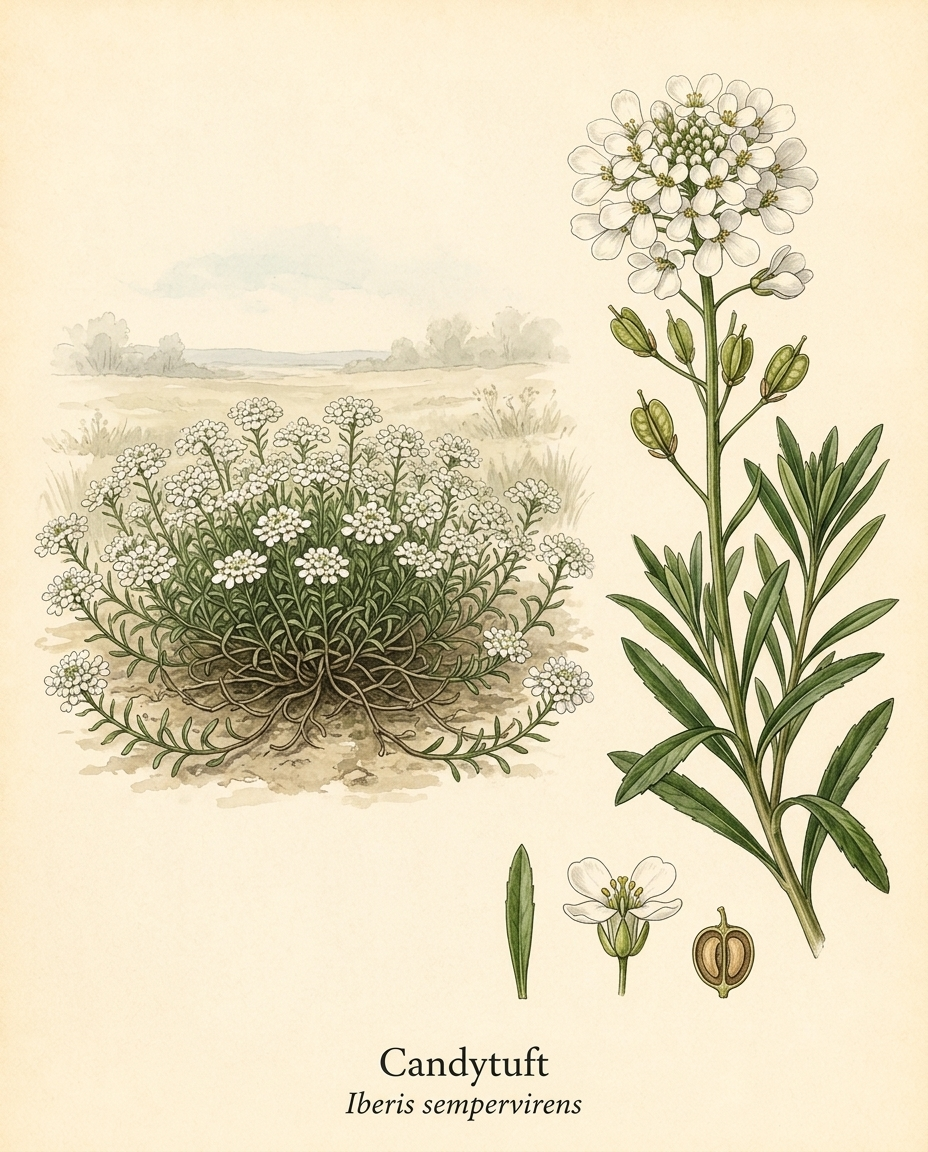
Candytuft
Iberis sempervirens
Compatible on water, sun, and zone. Whether the combination reads well is your call.
- Different structural layer than Cranberry Cotoneaster
- Noticeable height difference for a layered look
- Fire-resistant — good for defensible space
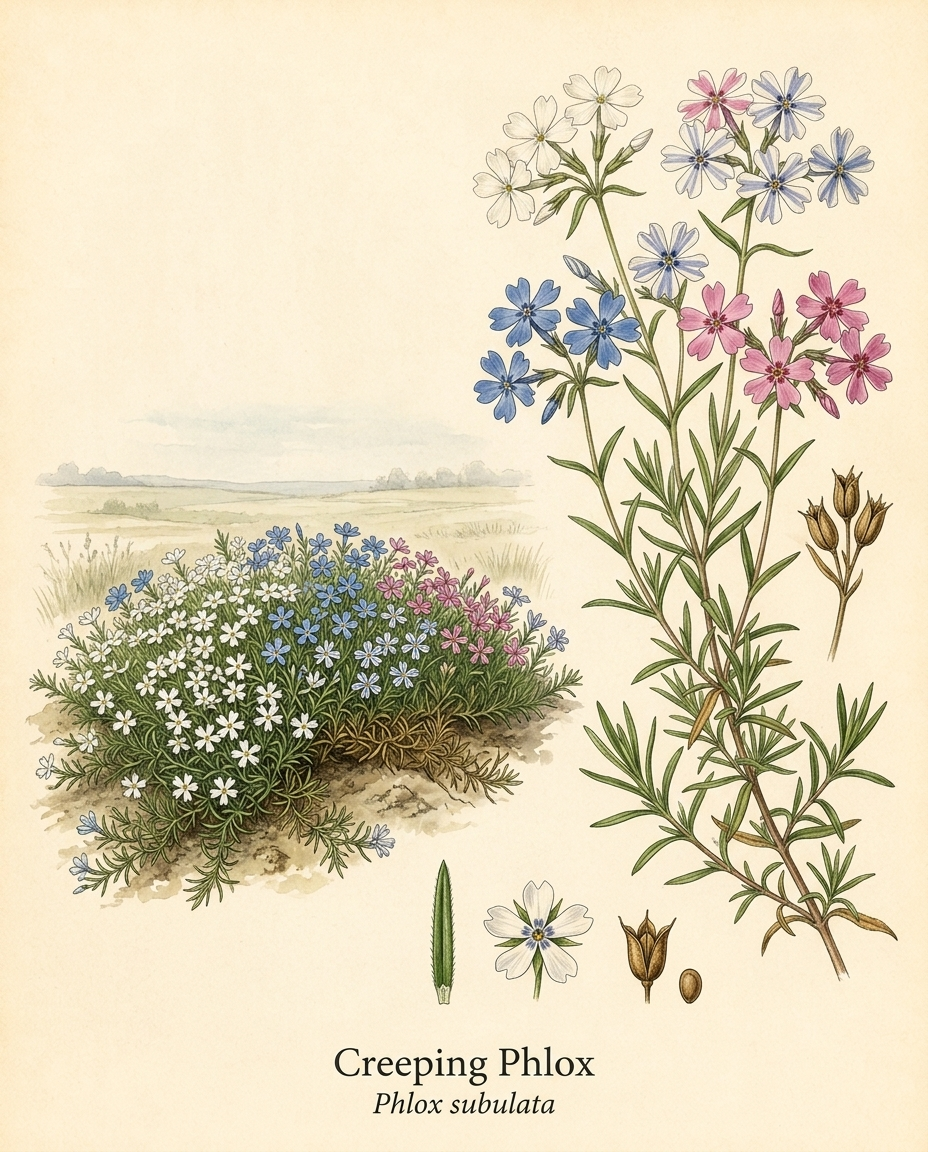
Creeping Phlox
NativePhlox subulata
Compatible on water, sun, and zone. Whether the combination reads well is your call.
- Different structural layer than Cranberry Cotoneaster
- Noticeable height difference for a layered look
- Fire-resistant — good for defensible space
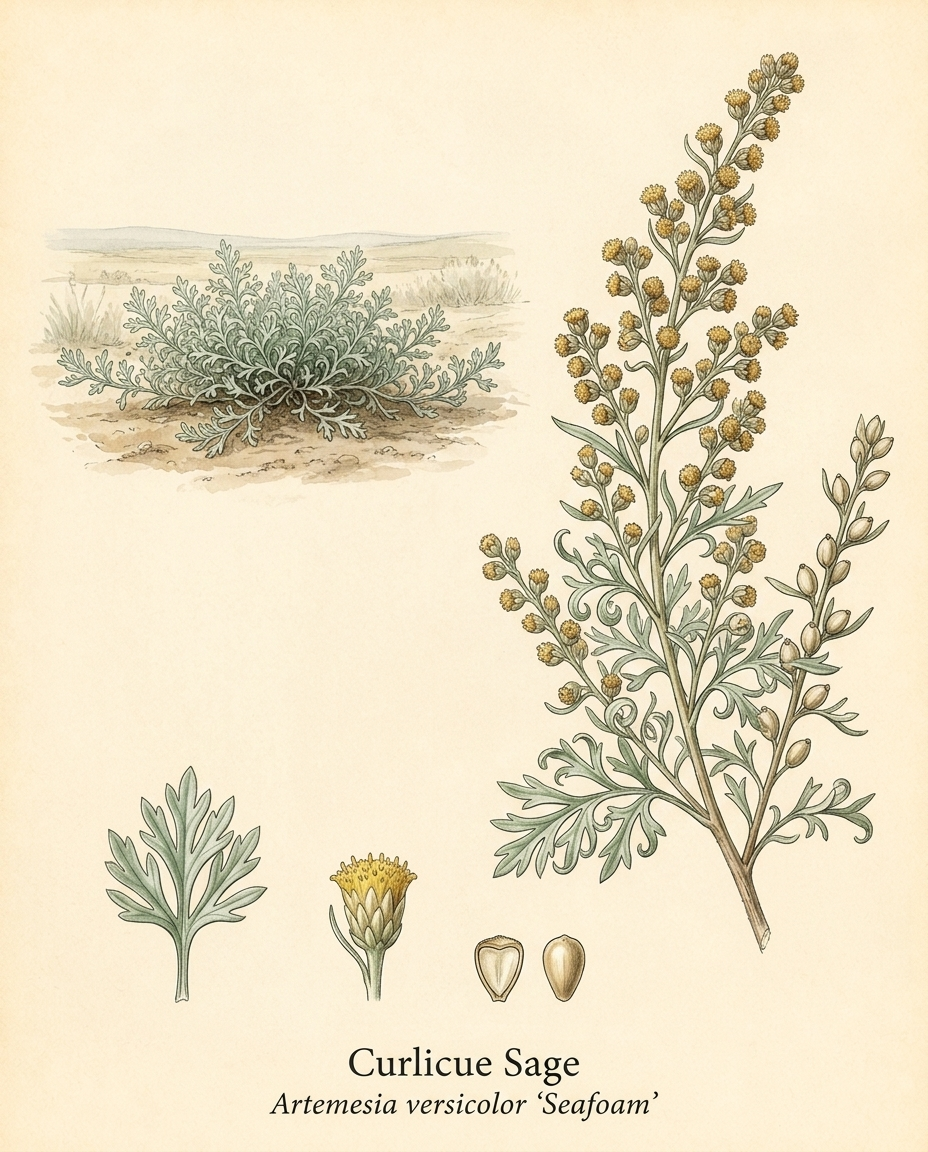
Curlicue Sage
Artemesia versicolor ‘Seafoam’
Compatible on water, sun, and zone. Whether the combination reads well is your call.
- Different structural layer than Cranberry Cotoneaster
- Noticeable height difference for a layered look
Annual (5)
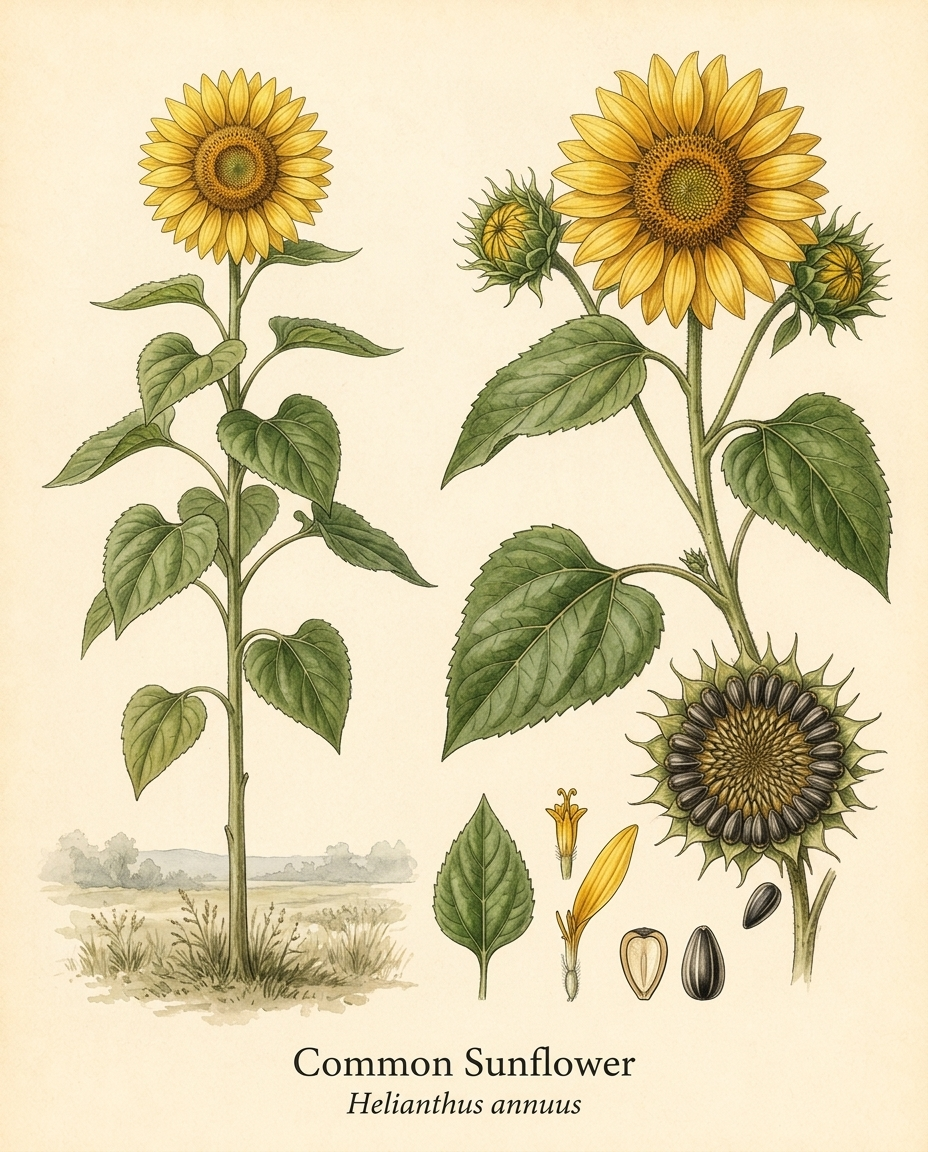
Common Sunflower
NativeHelianthus annuus
Works well together.
- Different structural layer than Cranberry Cotoneaster
- Noticeable height difference for a layered look
- Blooms in fall and summer — extends color when Cranberry Cotoneaster isn't flowering
- Supports pollinators and wildlife
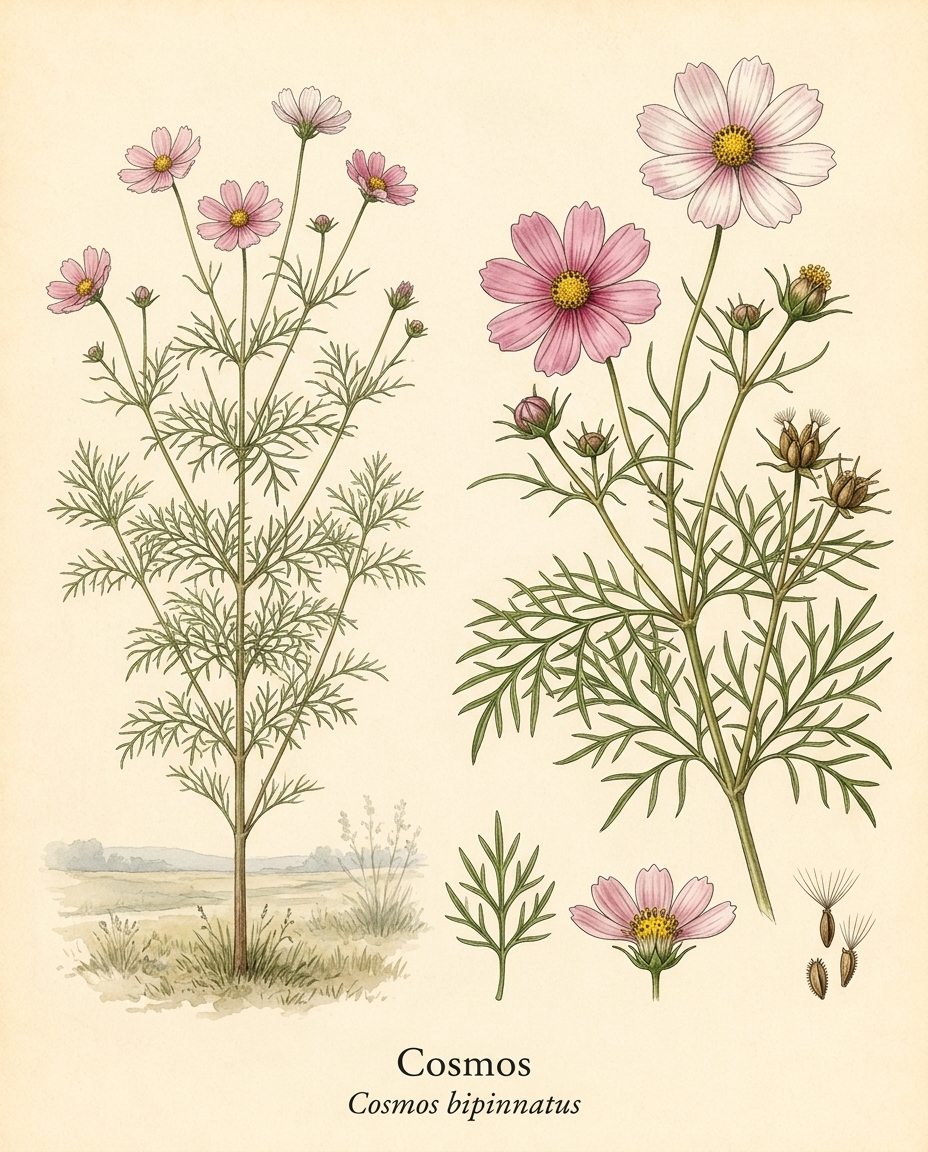
Cosmos
Cosmos bipinnatus
Compatible on water, sun, and zone. Whether the combination reads well is your call.
- Different structural layer than Cranberry Cotoneaster
- Blooms in fall and summer — extends color when Cranberry Cotoneaster isn't flowering
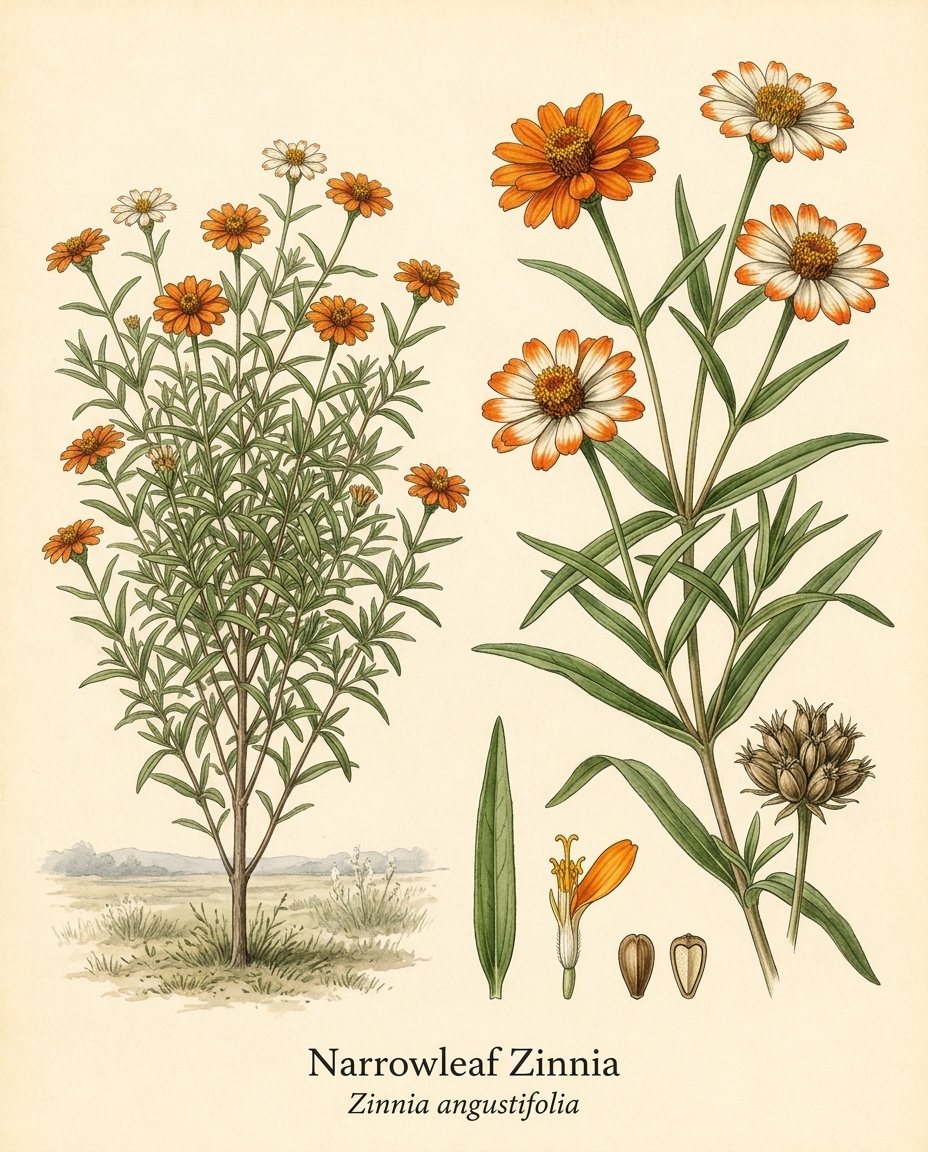
Narrowleaf Zinnia
Zinnia angustifolia
Compatible on water, sun, and zone. Whether the combination reads well is your call.
- Different structural layer than Cranberry Cotoneaster
- Blooms in fall and summer — extends color when Cranberry Cotoneaster isn't flowering
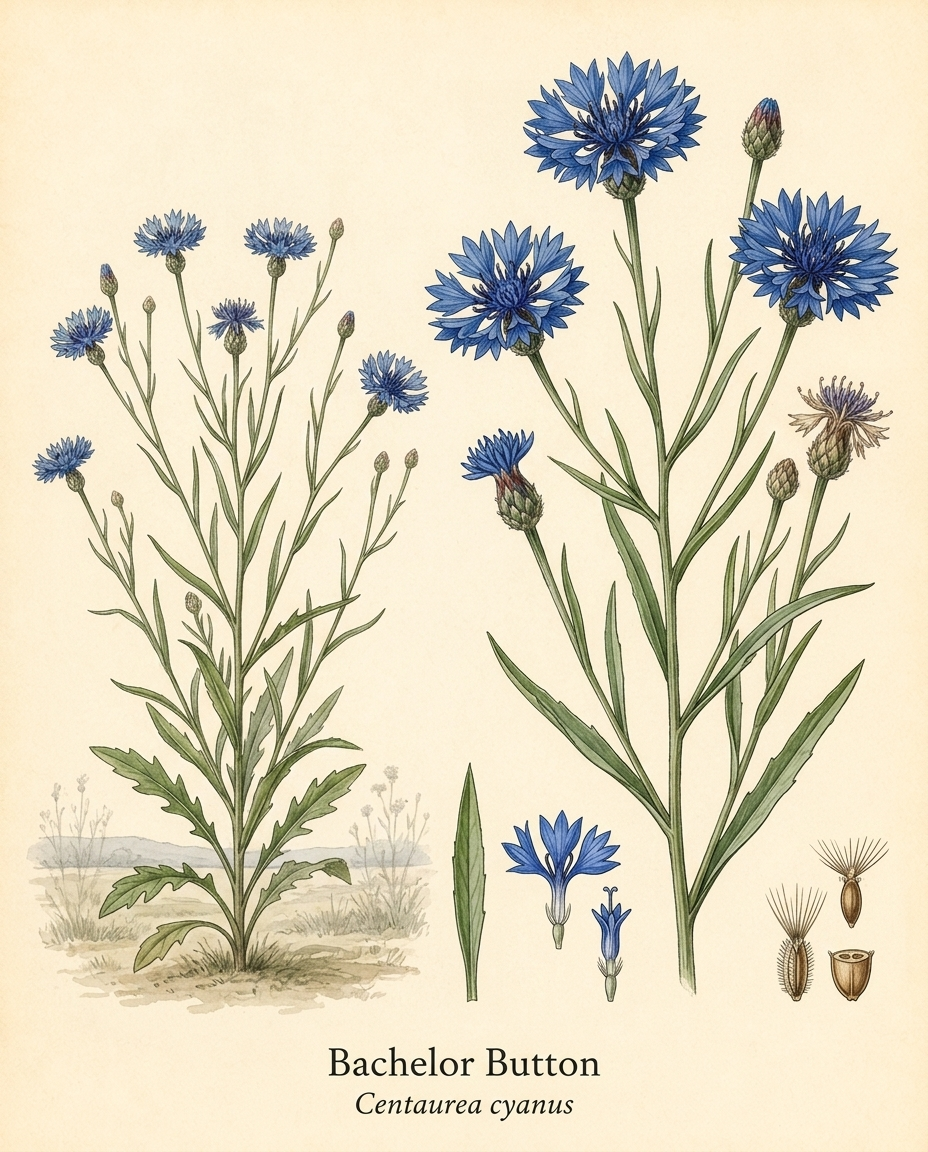
Bachelor Button
Centaurea cyanus
Compatible on water, sun, and zone. Whether the combination reads well is your call.
- Different structural layer than Cranberry Cotoneaster
- Blooms in summer — extends color when Cranberry Cotoneaster isn't flowering
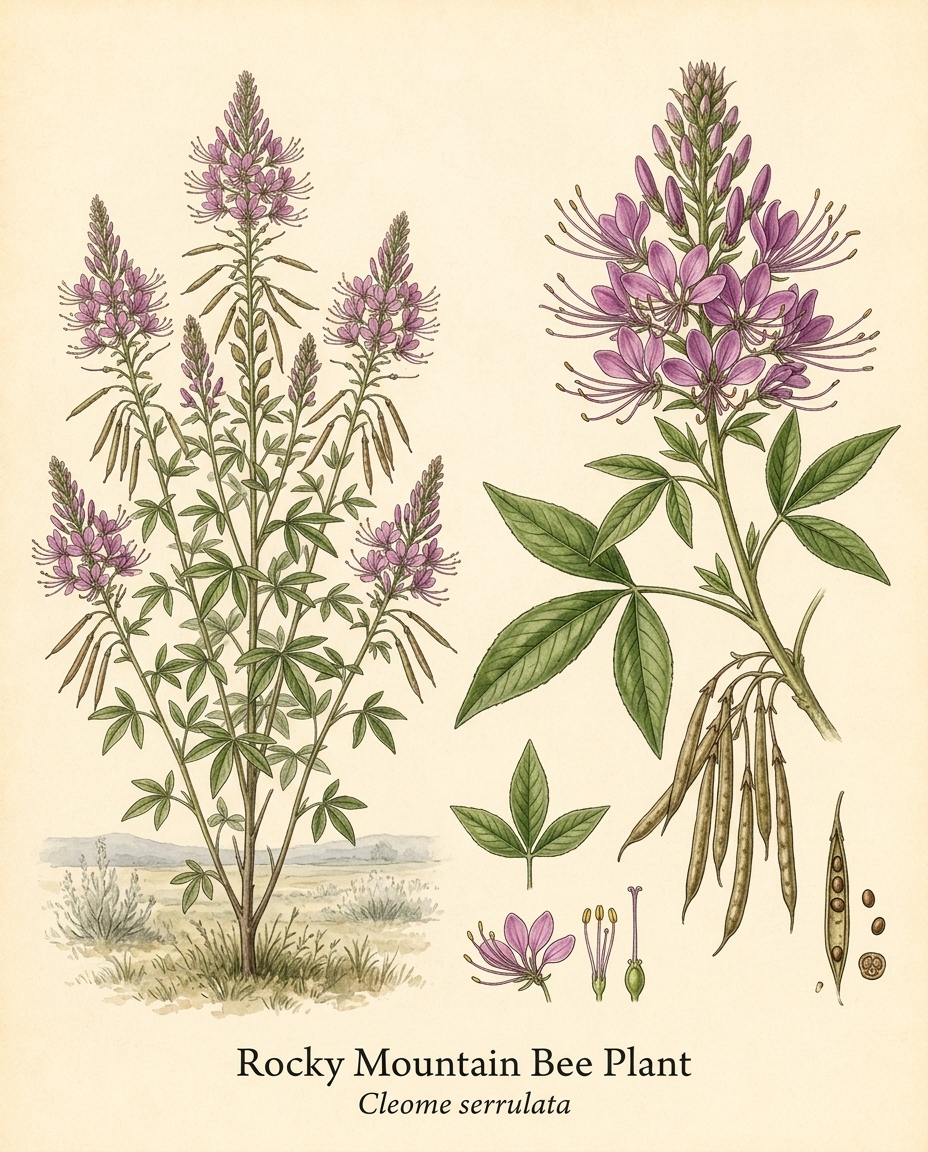
Rocky Mountain Bee Plant
NativeCleome serrulata
Compatible on water, sun, and zone. Whether the combination reads well is your call.
- Different structural layer than Cranberry Cotoneaster
- Blooms in summer — extends color when Cranberry Cotoneaster isn't flowering
Grass (7)
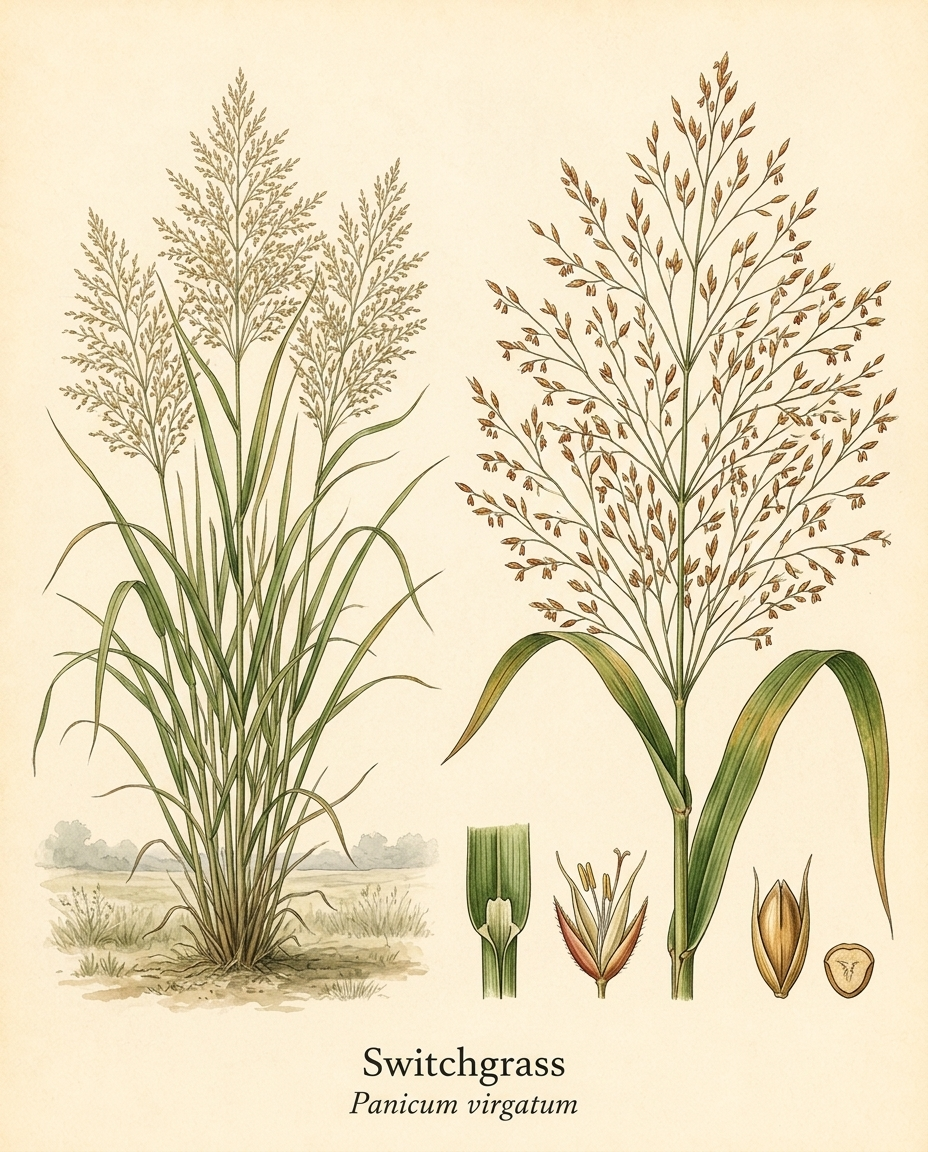
Switchgrass
NativePanicum virgatum
Works well together.
- Different structural layer than Cranberry Cotoneaster
- Blooms in fall and summer — extends color when Cranberry Cotoneaster isn't flowering
- Fine grass texture contrasts with Cranberry Cotoneaster's form
- Supports pollinators and wildlife
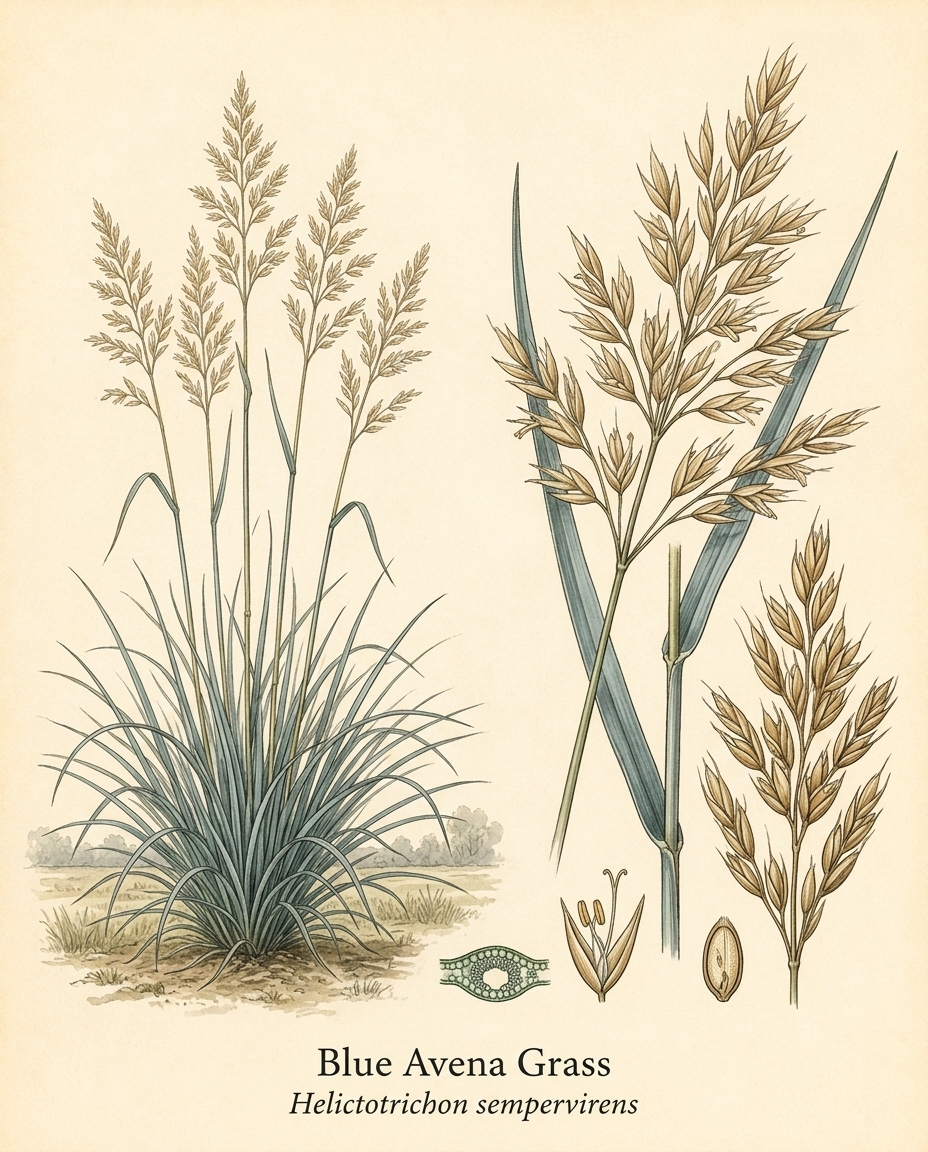
Blue Avena Grass
Helictotrichon sempervirens
Works well together.
- Different structural layer than Cranberry Cotoneaster
- Blooms in summer — extends color when Cranberry Cotoneaster isn't flowering
- Evergreen — holds structure through winter
- Fine grass texture contrasts with Cranberry Cotoneaster's form
- Same water needs as Cranberry Cotoneaster — one irrigation zone
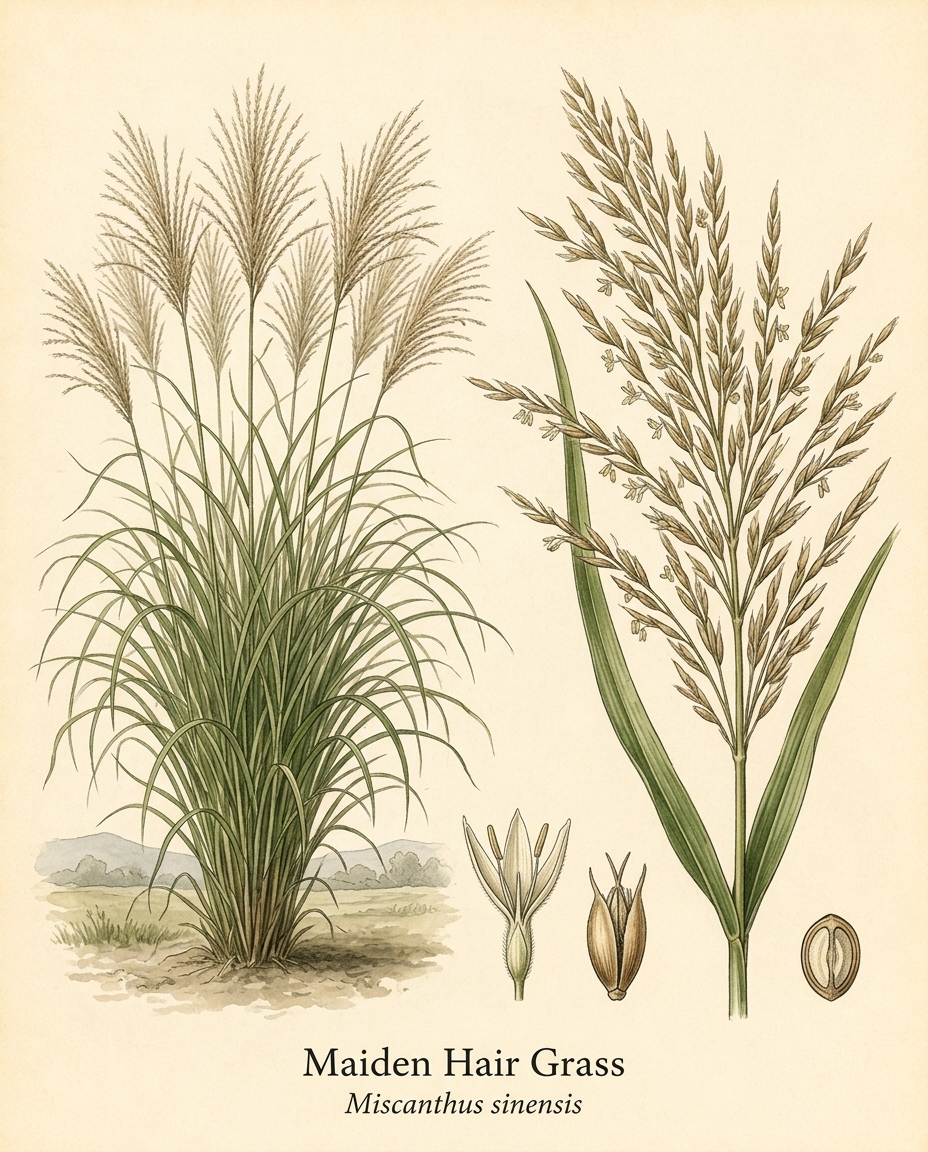
Maiden Hair Grass
Miscanthus sinensis
Works well together.
- Different structural layer than Cranberry Cotoneaster
- Noticeable height difference for a layered look
- Blooms in fall — extends color when Cranberry Cotoneaster isn't flowering
- Fine grass texture contrasts with Cranberry Cotoneaster's form
- Same water needs as Cranberry Cotoneaster — one irrigation zone
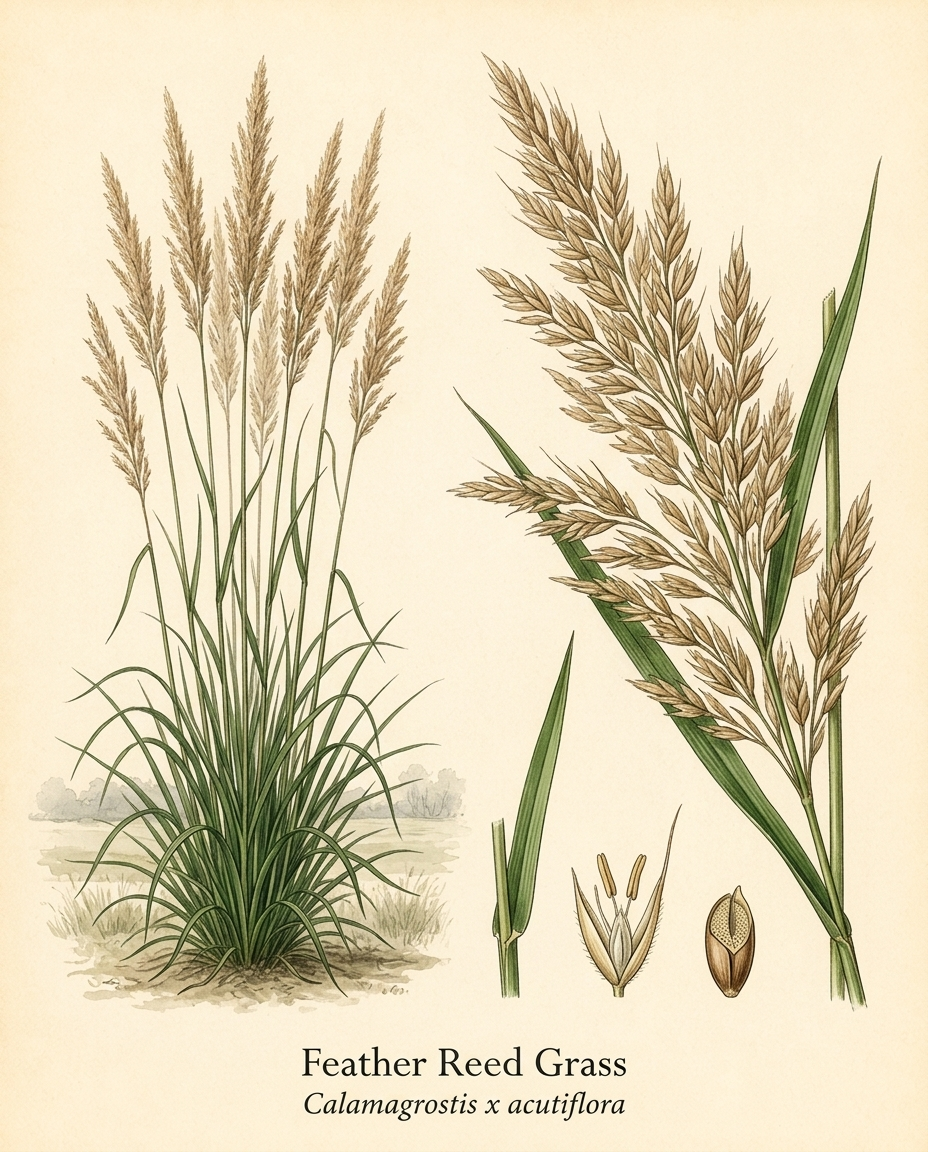
Feather Reed Grass
Calamagrostis x acutiflora
Works well together.
- Different structural layer than Cranberry Cotoneaster
- Blooms in fall and summer — extends color when Cranberry Cotoneaster isn't flowering
- Fine grass texture contrasts with Cranberry Cotoneaster's form
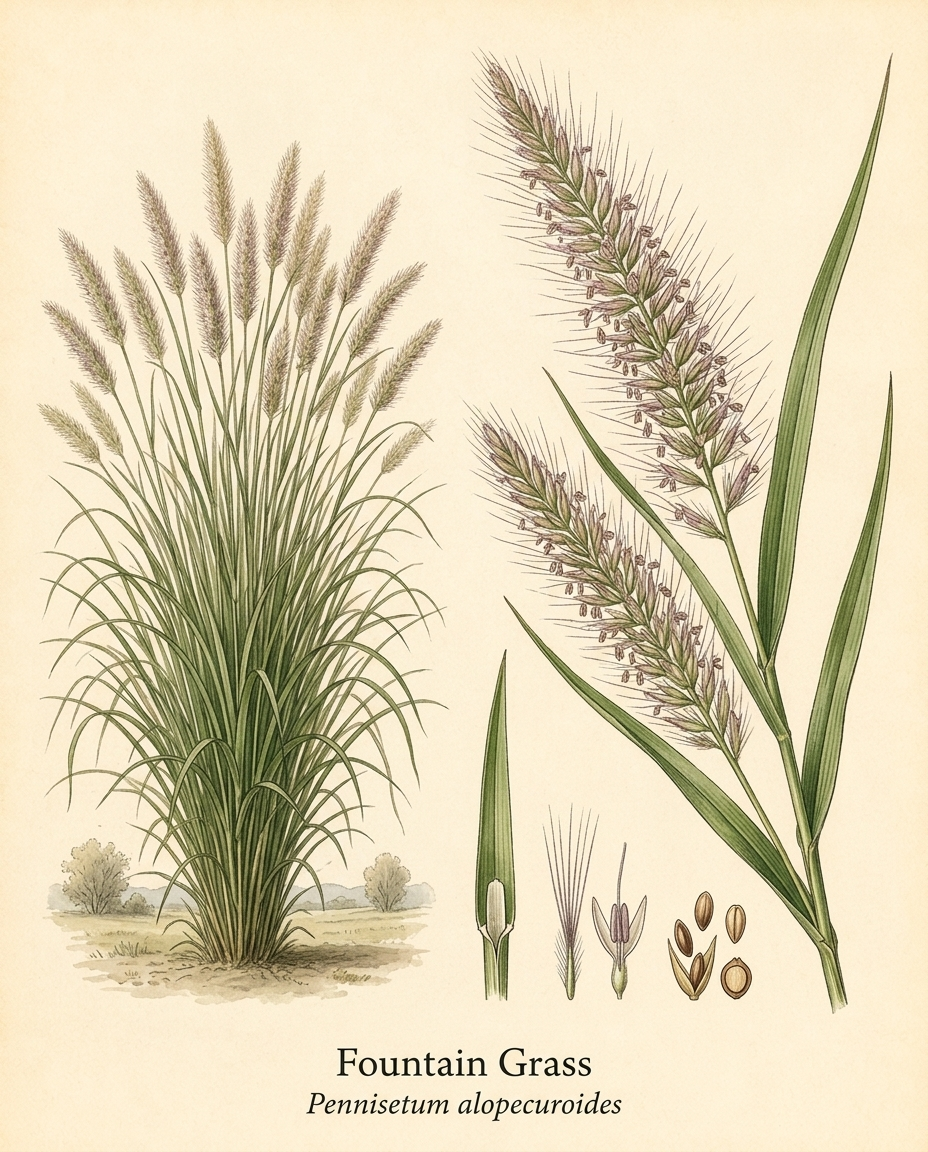
Fountain Grass
Pennisetum alopecuroides
Works well together.
- Different structural layer than Cranberry Cotoneaster
- Blooms in fall and summer — extends color when Cranberry Cotoneaster isn't flowering
- Fine grass texture contrasts with Cranberry Cotoneaster's form
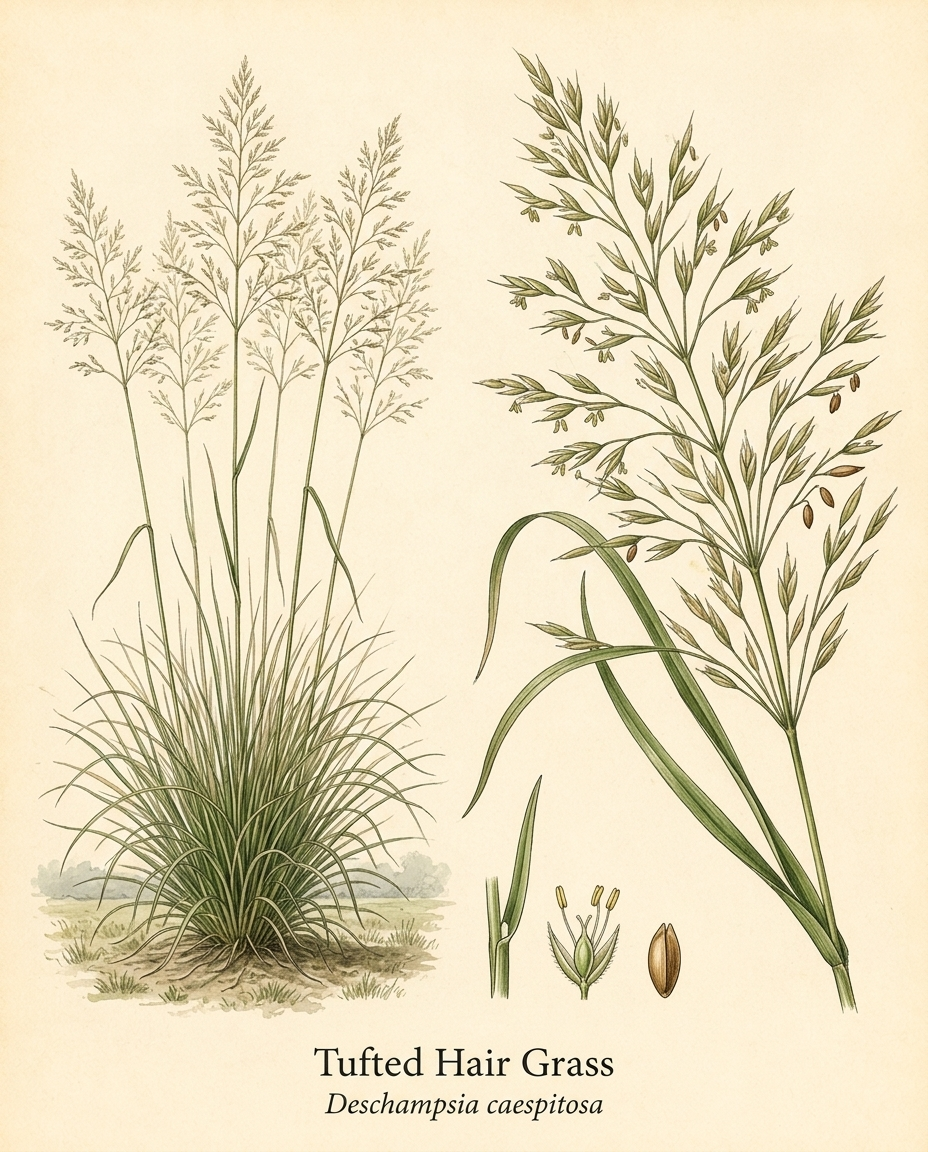
Tufted Hair Grass
Deschampsia caespitosa
Works well together.
- Different structural layer than Cranberry Cotoneaster
- Blooms in summer — extends color when Cranberry Cotoneaster isn't flowering
- Fine grass texture contrasts with Cranberry Cotoneaster's form
- Same water needs as Cranberry Cotoneaster — one irrigation zone
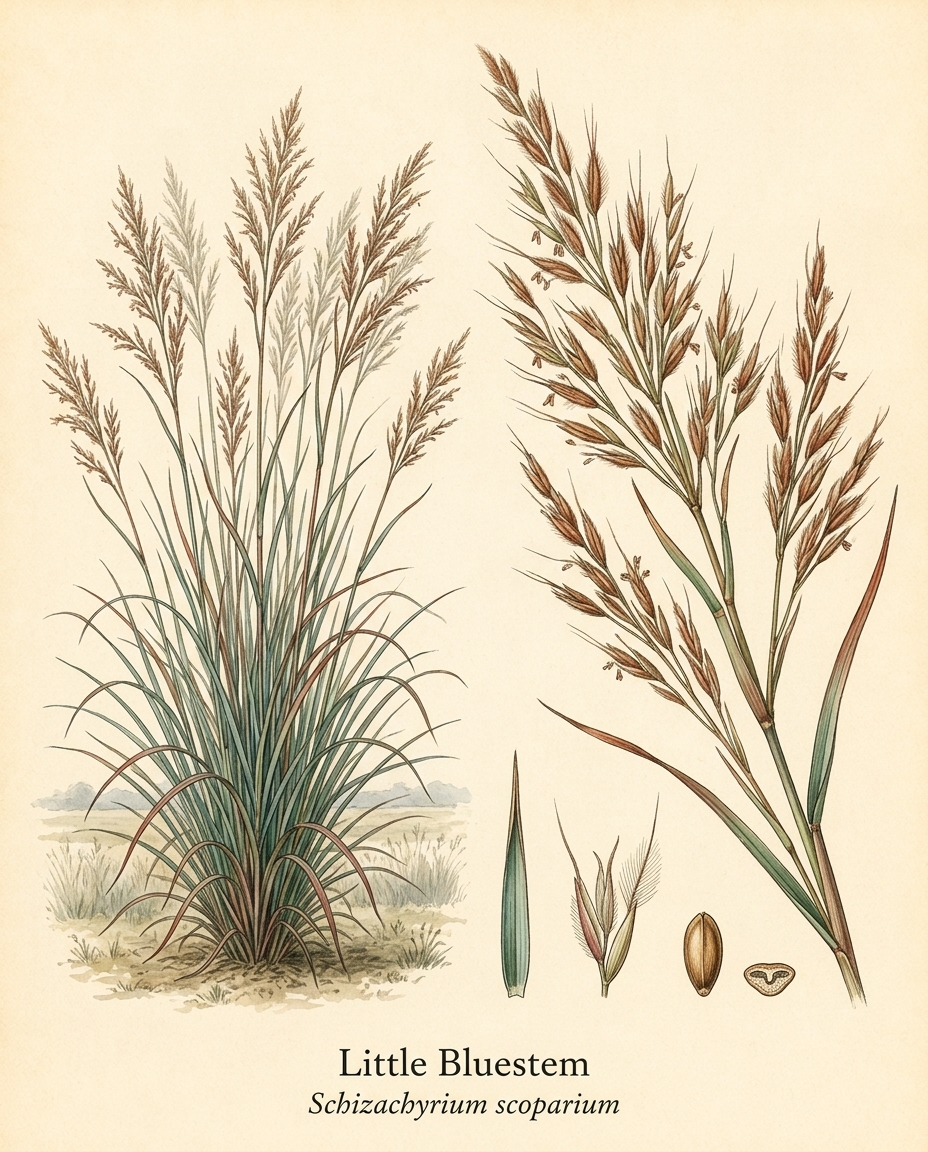
Little Bluestem
NativeSchizachyrium scoparium
Compatible on water, sun, and zone. Whether the combination reads well is your call.
- Different structural layer than Cranberry Cotoneaster
- Blooms in fall — extends color when Cranberry Cotoneaster isn't flowering
- Fine grass texture contrasts with Cranberry Cotoneaster's form
Vine (5)
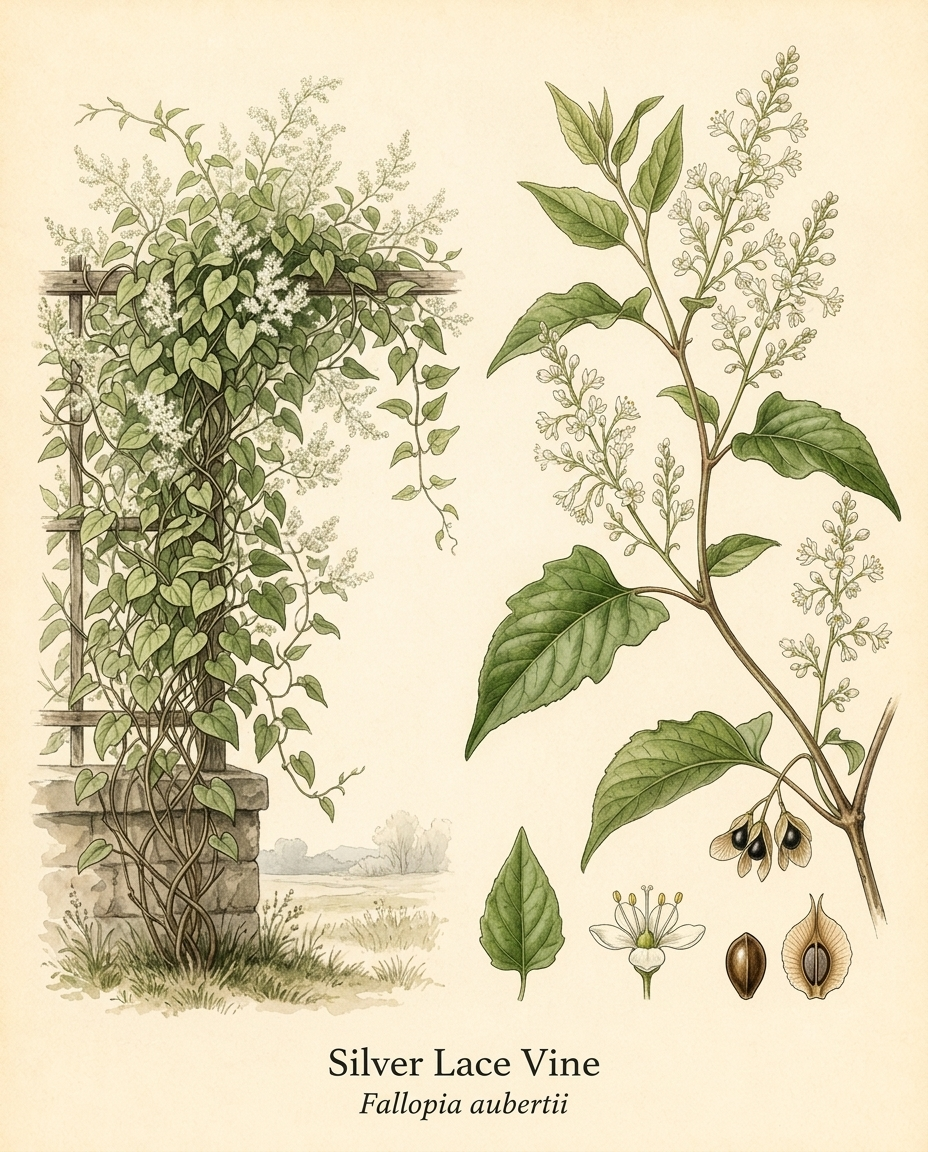
Silver Lace Vine
Fallopia aubertii
Works well together.
- Different structural layer than Cranberry Cotoneaster
- Noticeable height difference for a layered look
- Blooms in fall and summer — extends color when Cranberry Cotoneaster isn't flowering
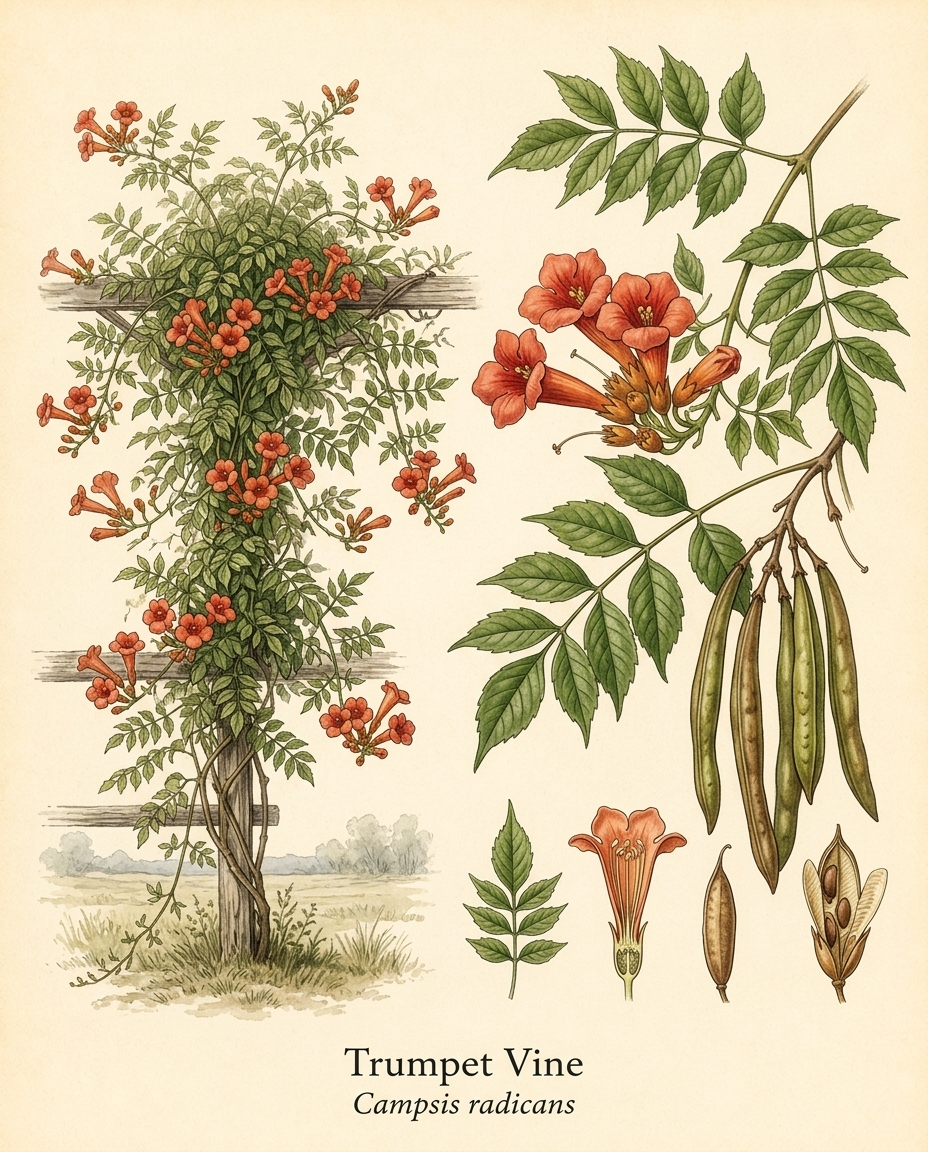
Trumpet Vine
NativeCampsis radicans
Works well together.
- Different structural layer than Cranberry Cotoneaster
- Noticeable height difference for a layered look
- Blooms in summer — extends color when Cranberry Cotoneaster isn't flowering
- Supports pollinators and wildlife
- Fire-resistant — good for defensible space
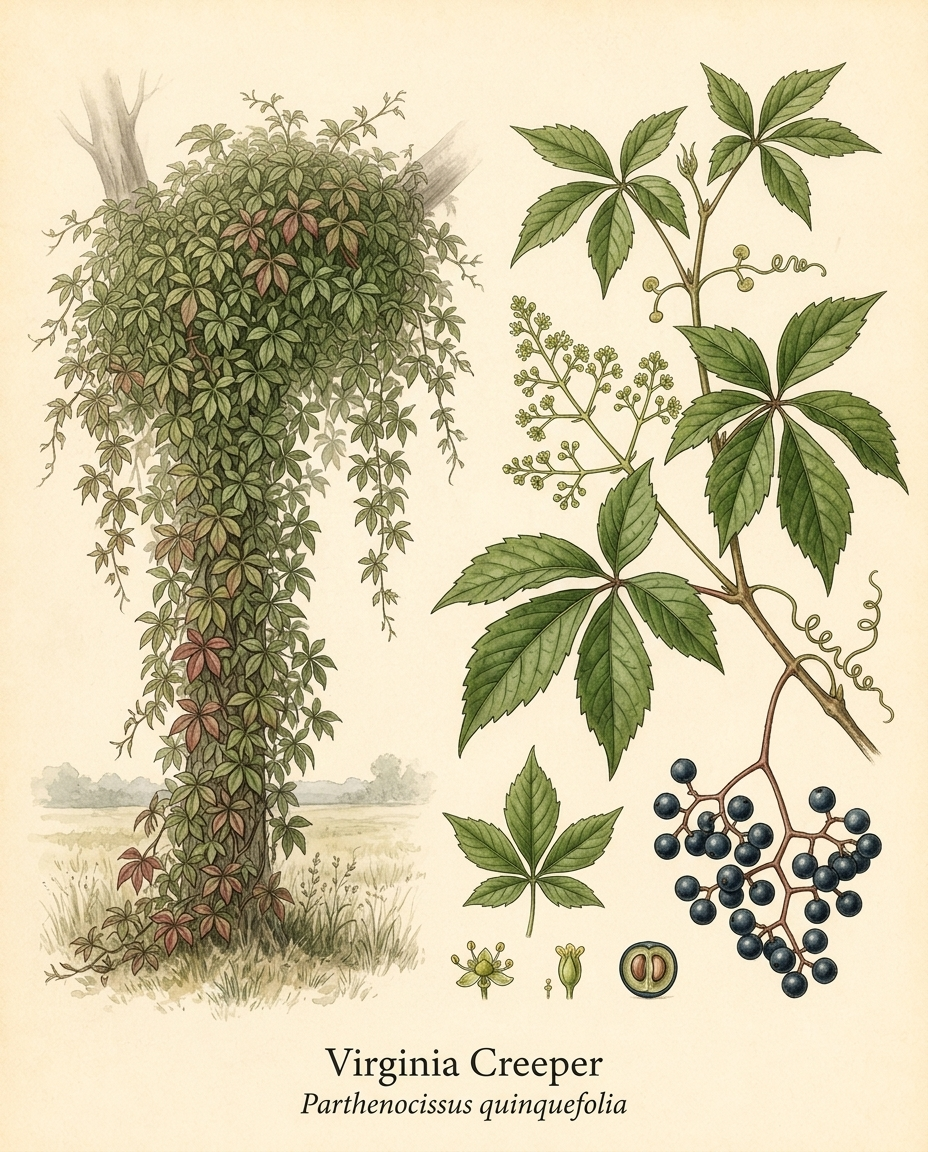
Virginia Creeper
NativeParthenocissus quinquefolia
Works well together.
- Different structural layer than Cranberry Cotoneaster
- Noticeable height difference for a layered look
- Blooms in summer — extends color when Cranberry Cotoneaster isn't flowering
- Supports pollinators and wildlife
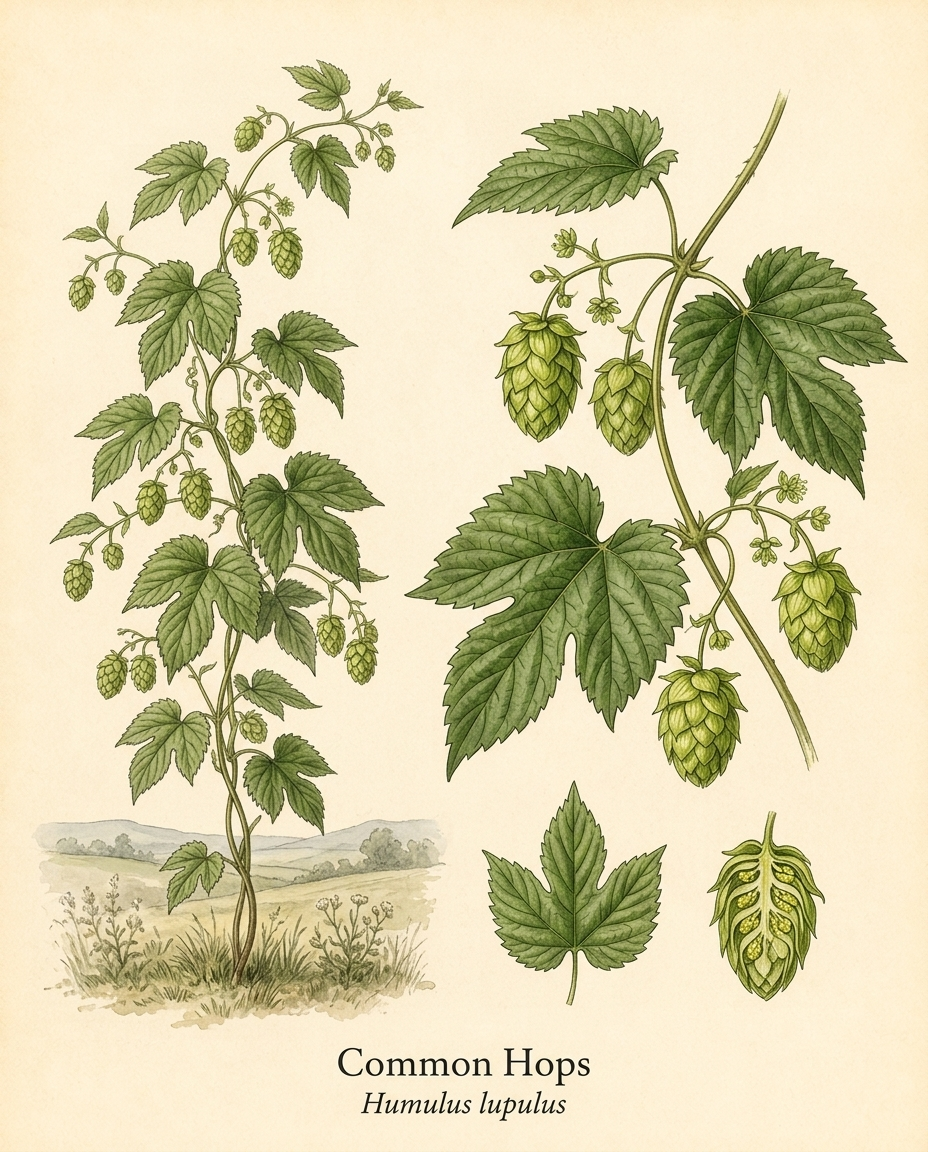
Common Hops
NativeHumulus lupulus
Compatible on water, sun, and zone. Whether the combination reads well is your call.
- Different structural layer than Cranberry Cotoneaster
- Noticeable height difference for a layered look
- Blooms in summer — extends color when Cranberry Cotoneaster isn't flowering
- Fire-resistant — good for defensible space
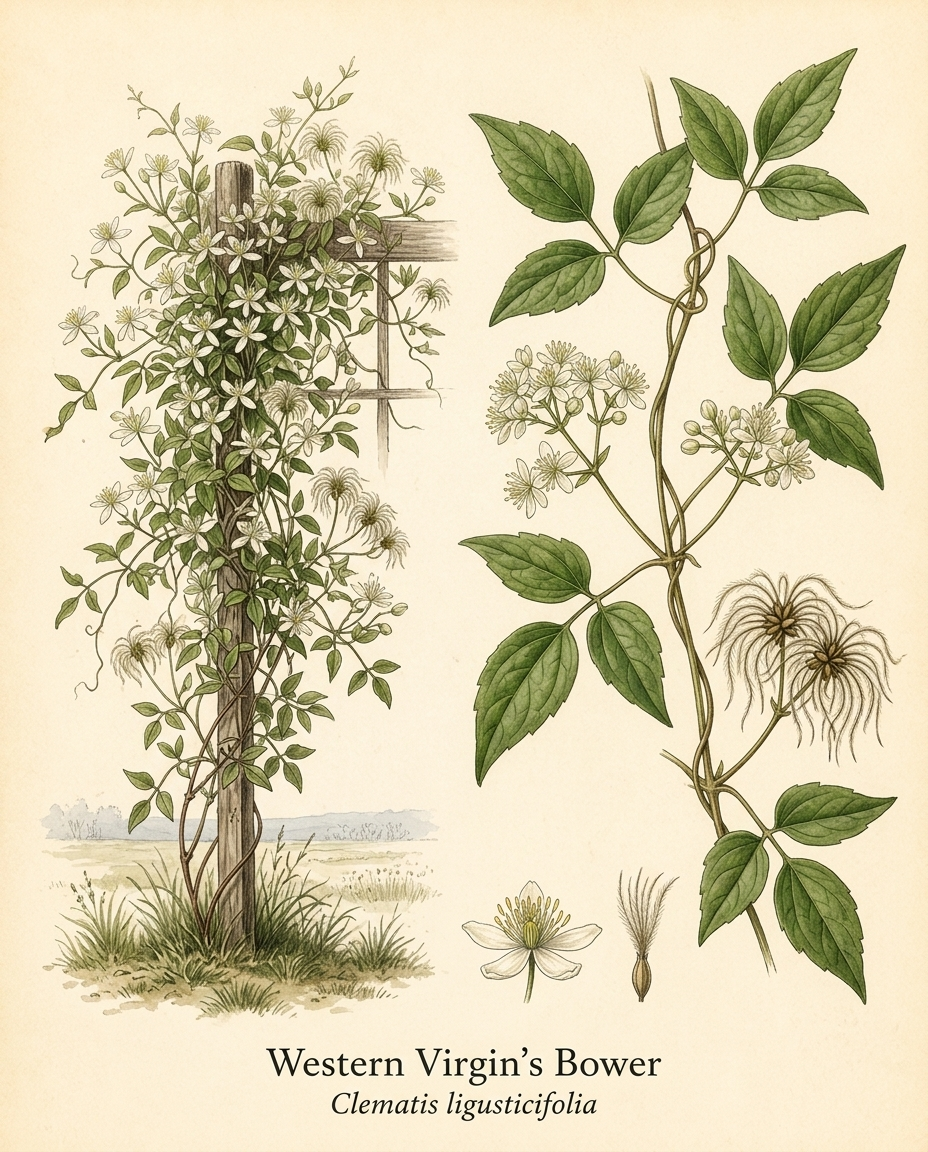
Western Virgin's Bower
NativeClematis ligusticifolia
Compatible on water, sun, and zone. Whether the combination reads well is your call.
- Different structural layer than Cranberry Cotoneaster
- Noticeable height difference for a layered look
- Blooms in summer — extends color when Cranberry Cotoneaster isn't flowering
Tree (32)
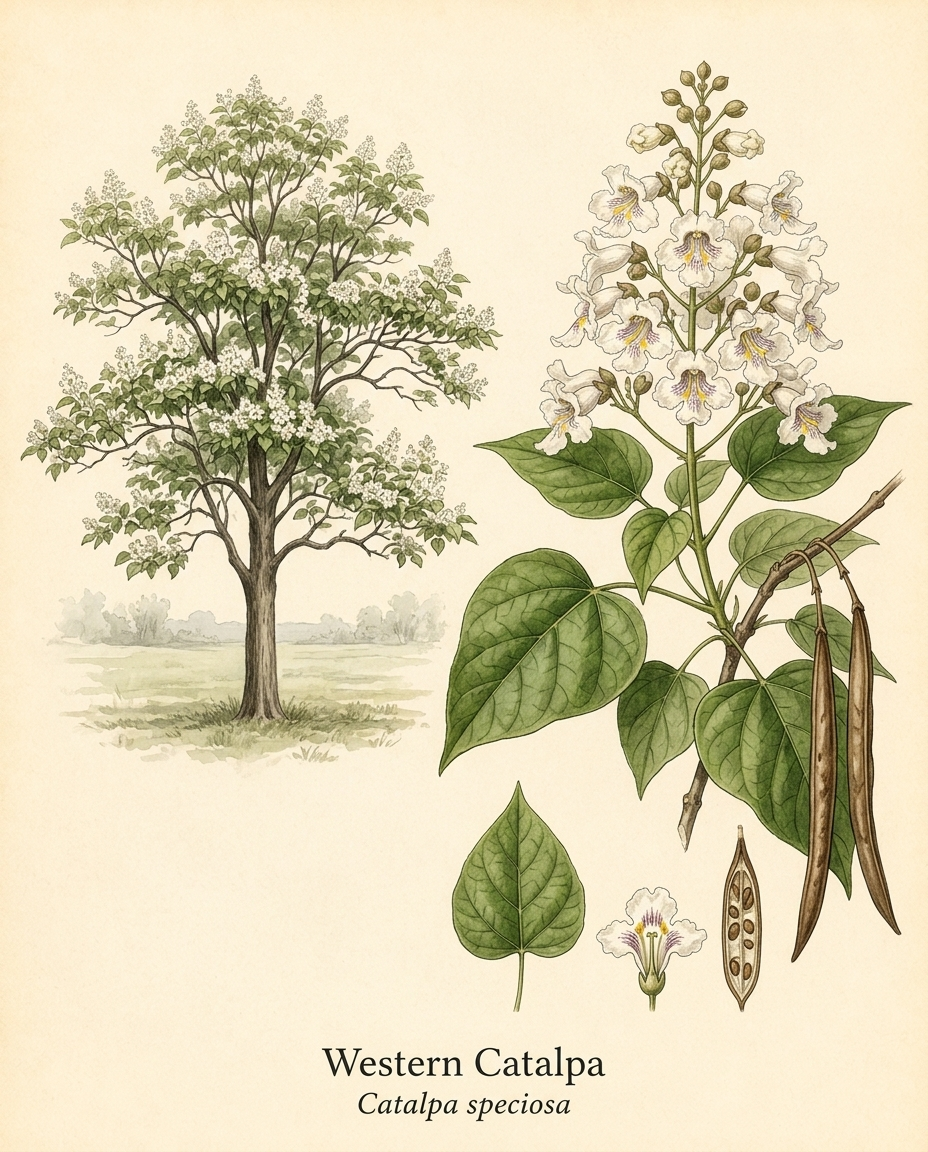
Western Catalpa
NativeCatalpa speciosa
Works well together.
- Different structural layer than Cranberry Cotoneaster
- Noticeable height difference for a layered look
- Blooms in summer — extends color when Cranberry Cotoneaster isn't flowering
- Fire-resistant — good for defensible space
- Same water needs as Cranberry Cotoneaster — one irrigation zone
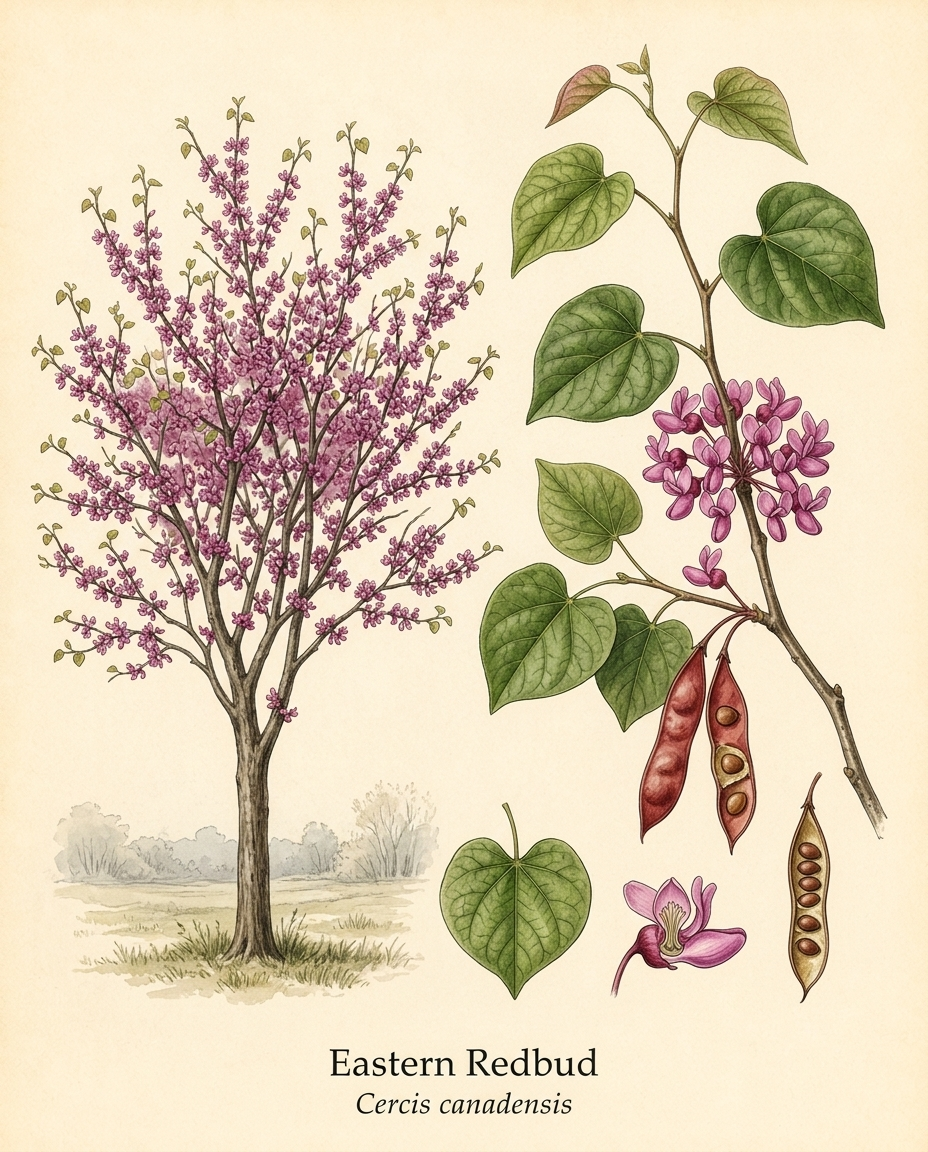
Eastern Redbud
Cercis canadensis
Works well together.
- Different structural layer than Cranberry Cotoneaster
- Noticeable height difference for a layered look
- Supports pollinators and wildlife
- Fire-resistant — good for defensible space
- Same water needs as Cranberry Cotoneaster — one irrigation zone
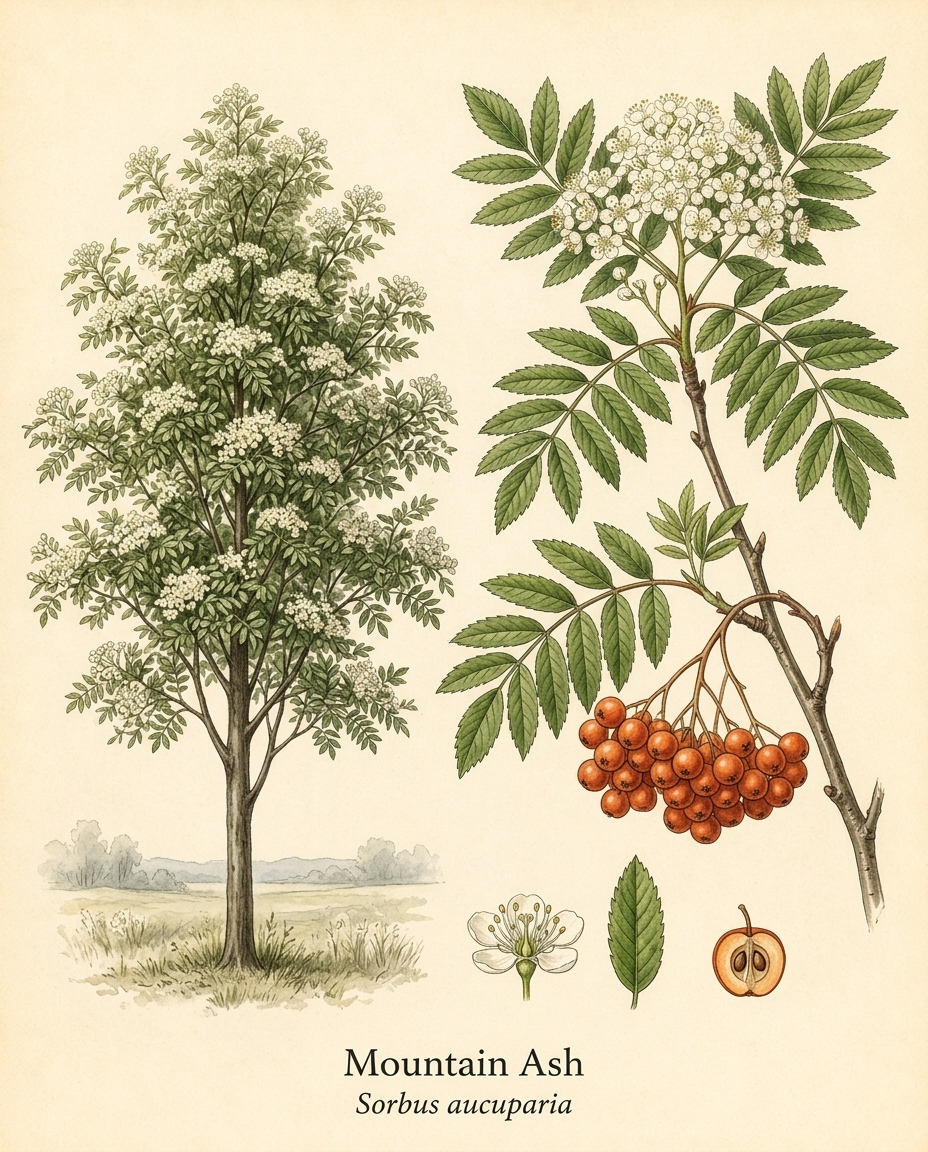
Mountain Ash
Sorbus aucuparia
Works well together.
- Different structural layer than Cranberry Cotoneaster
- Noticeable height difference for a layered look
- Supports pollinators and wildlife
- Fire-resistant — good for defensible space
- Same water needs as Cranberry Cotoneaster — one irrigation zone
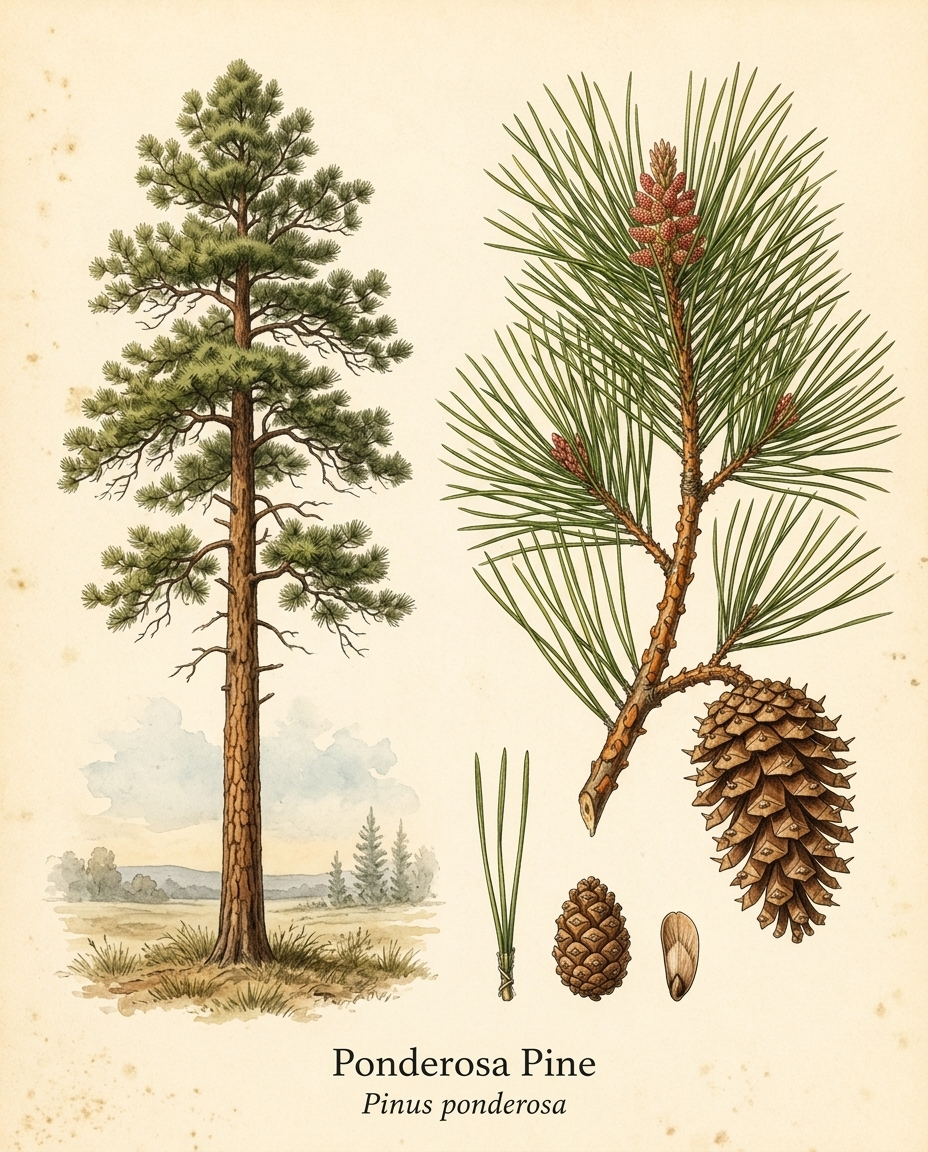
Ponderosa Pine
NativePinus ponderosa
Works well together.
- Different structural layer than Cranberry Cotoneaster
- Noticeable height difference for a layered look
- Evergreen — holds structure through winter
- Supports pollinators and wildlife
- Fire-resistant — good for defensible space
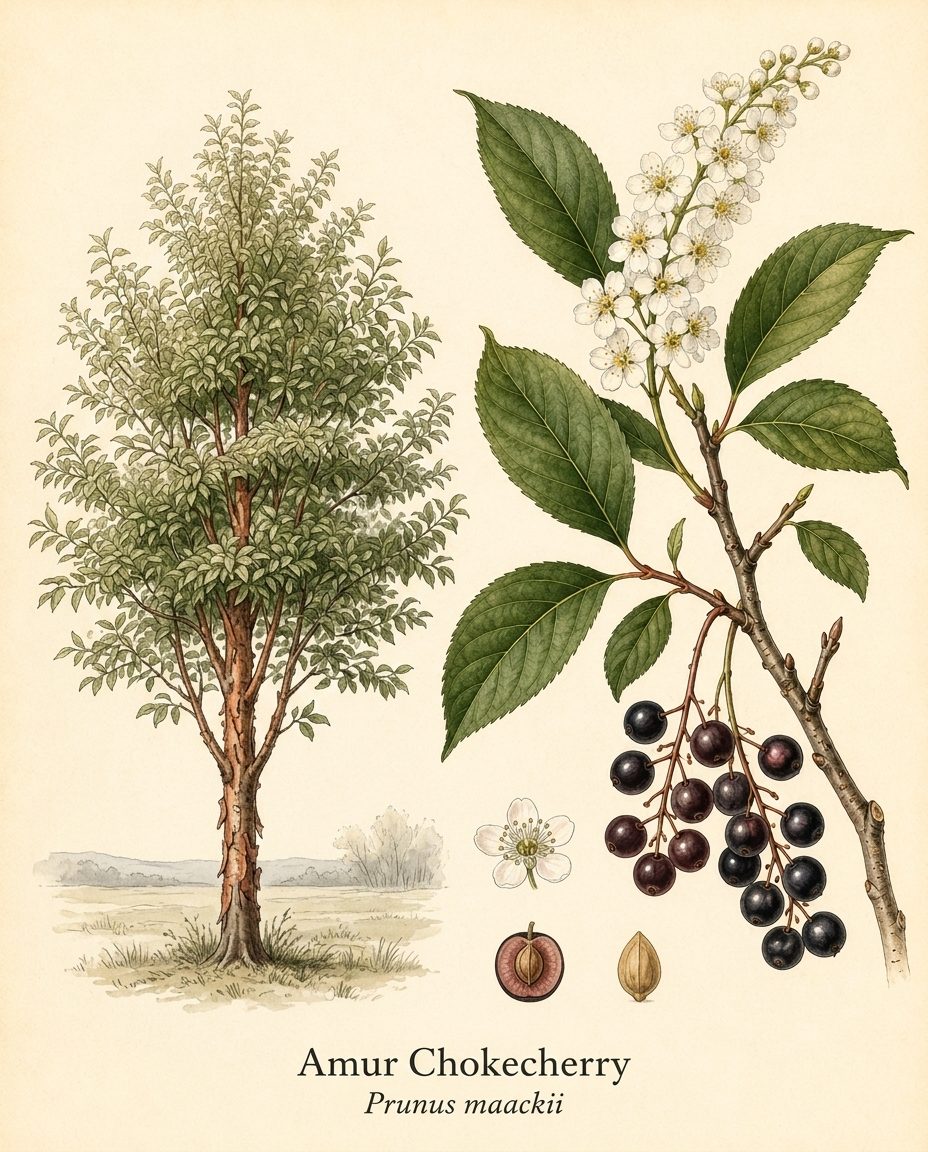
Amur Chokecherry
Prunus maackii
Compatible on water, sun, and zone. Whether the combination reads well is your call.
- Different structural layer than Cranberry Cotoneaster
- Noticeable height difference for a layered look
- Supports pollinators and wildlife
- Same water needs as Cranberry Cotoneaster — one irrigation zone
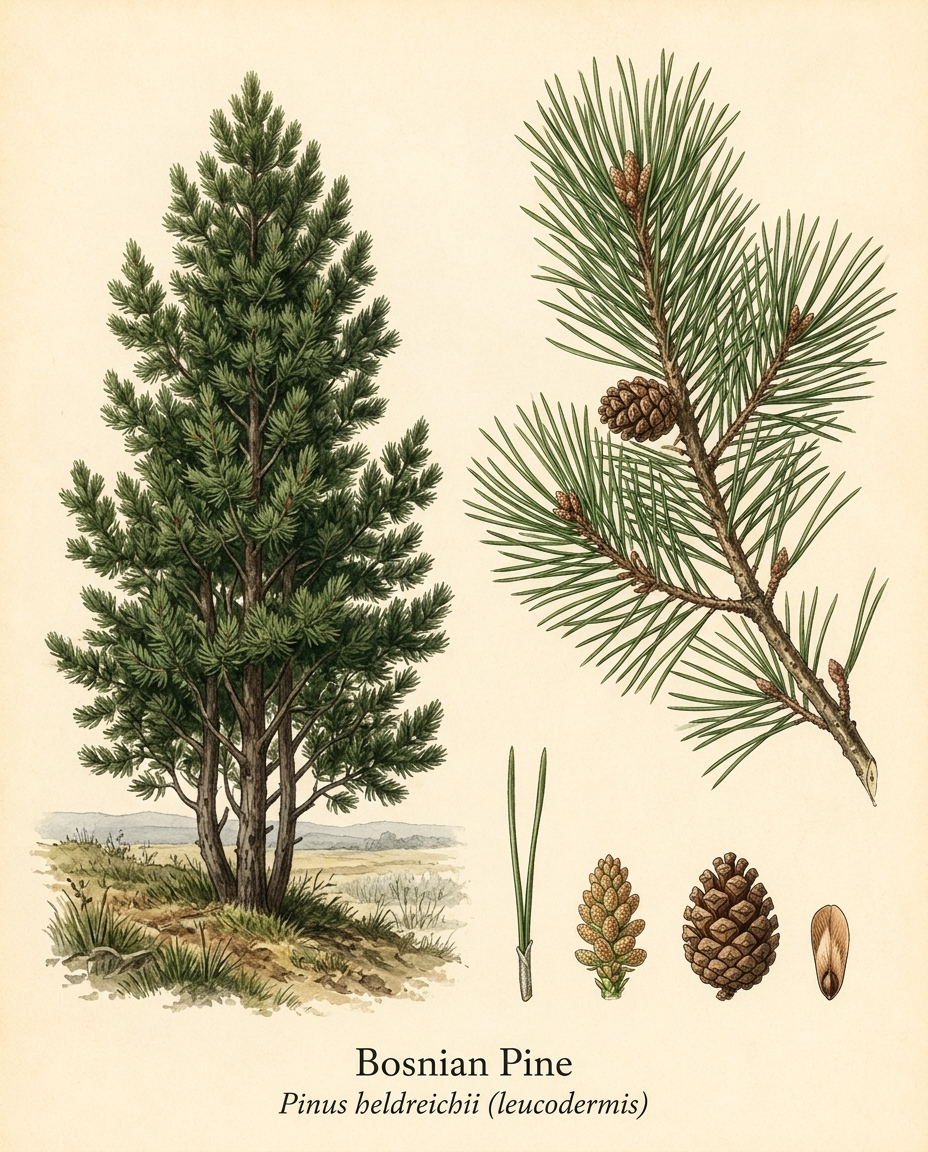
Bosnian Pine
Pinus heldreichii (leucodermis)
Compatible on water, sun, and zone. Whether the combination reads well is your call.
- Different structural layer than Cranberry Cotoneaster
- Noticeable height difference for a layered look
- Evergreen — holds structure through winter
- Same water needs as Cranberry Cotoneaster — one irrigation zone
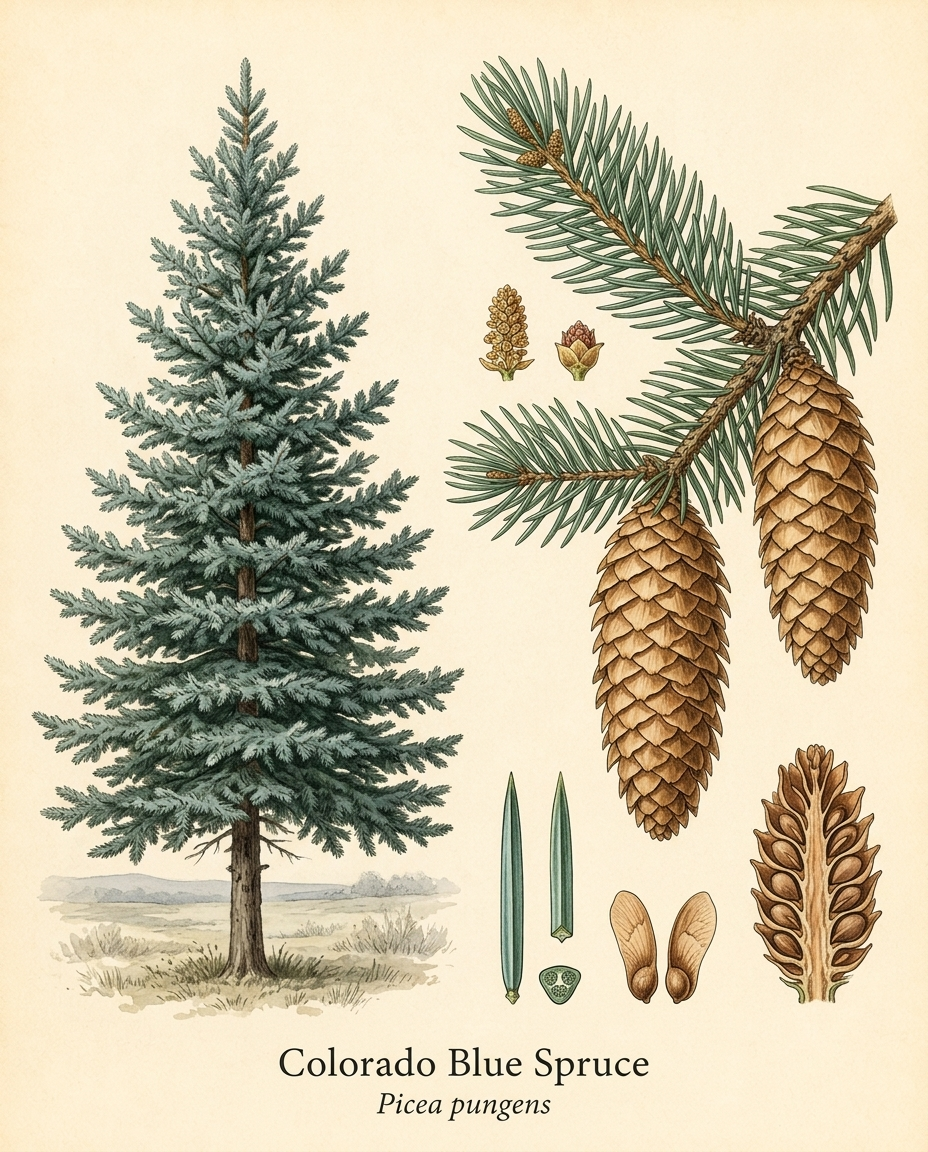
Colorado Blue Spruce
NativePicea pungens
Compatible on water, sun, and zone. Whether the combination reads well is your call.
- Different structural layer than Cranberry Cotoneaster
- Noticeable height difference for a layered look
- Evergreen — holds structure through winter
- Same water needs as Cranberry Cotoneaster — one irrigation zone
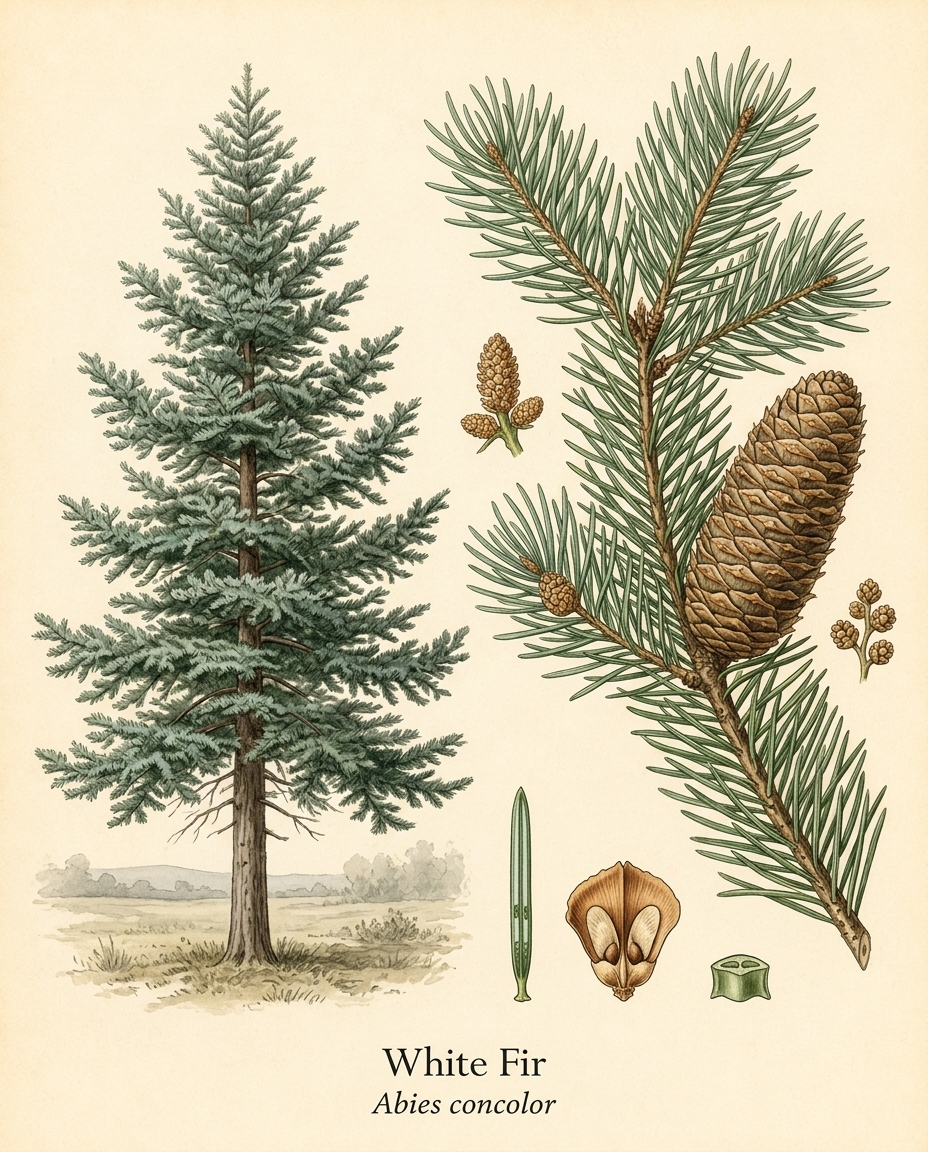
White Fir
Abies concolor
Compatible on water, sun, and zone. Whether the combination reads well is your call.
- Different structural layer than Cranberry Cotoneaster
- Noticeable height difference for a layered look
- Evergreen — holds structure through winter
- Same water needs as Cranberry Cotoneaster — one irrigation zone
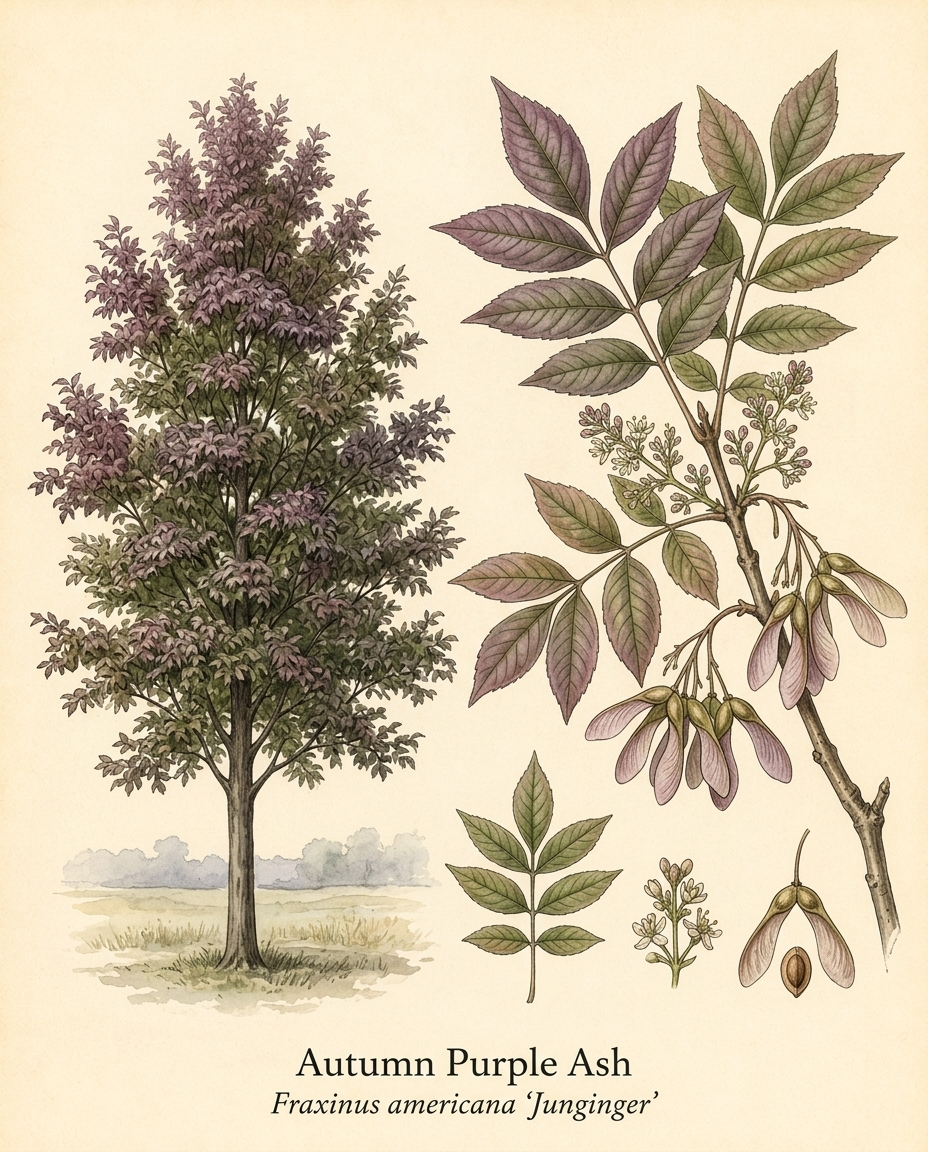
Autumn Purple Ash
Fraxinus americana 'Junginger'
Compatible on water, sun, and zone. Whether the combination reads well is your call.
- Different structural layer than Cranberry Cotoneaster
- Noticeable height difference for a layered look
- Fire-resistant — good for defensible space
- Same water needs as Cranberry Cotoneaster — one irrigation zone
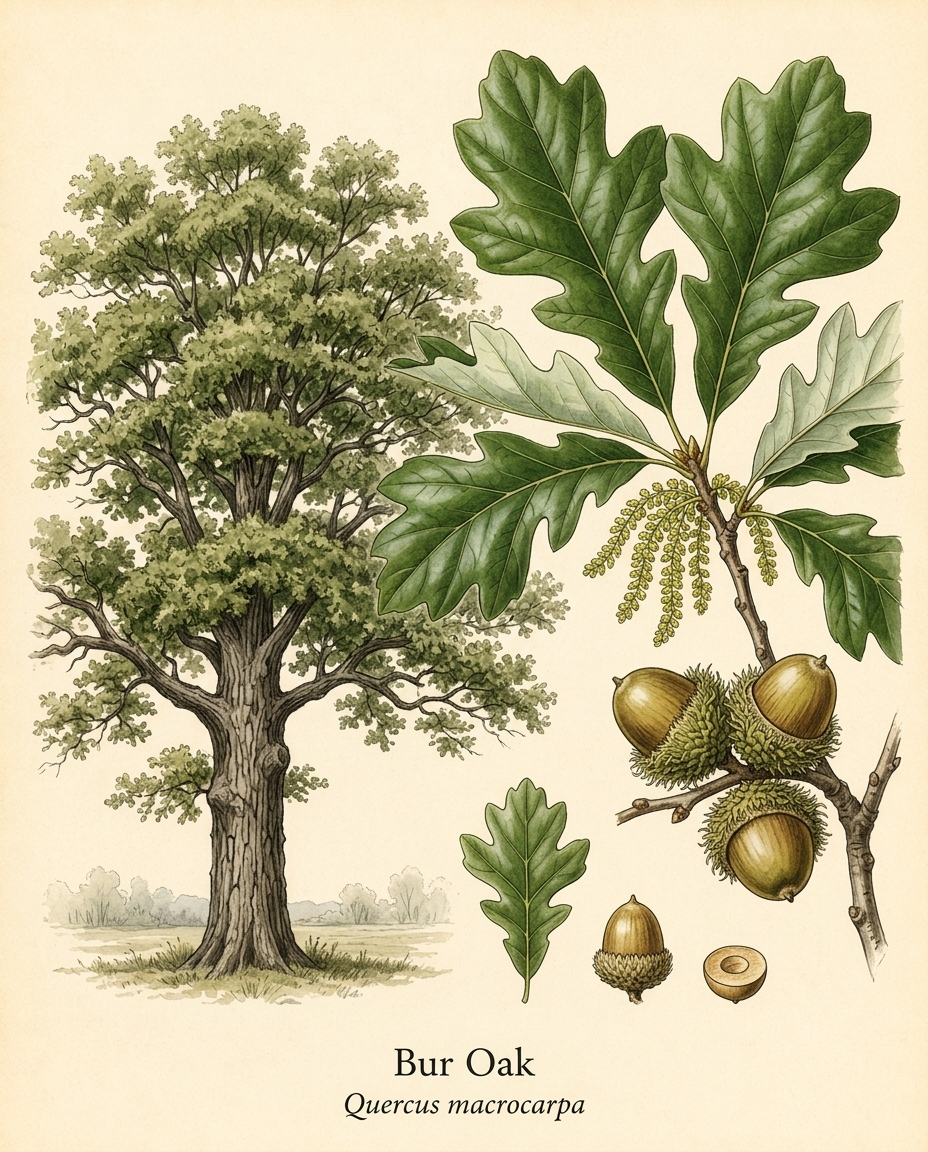
Bur Oak
NativeQuercus macrocarpa
Compatible on water, sun, and zone. Whether the combination reads well is your call.
- Different structural layer than Cranberry Cotoneaster
- Noticeable height difference for a layered look
- Supports pollinators and wildlife
- Fire-resistant — good for defensible space
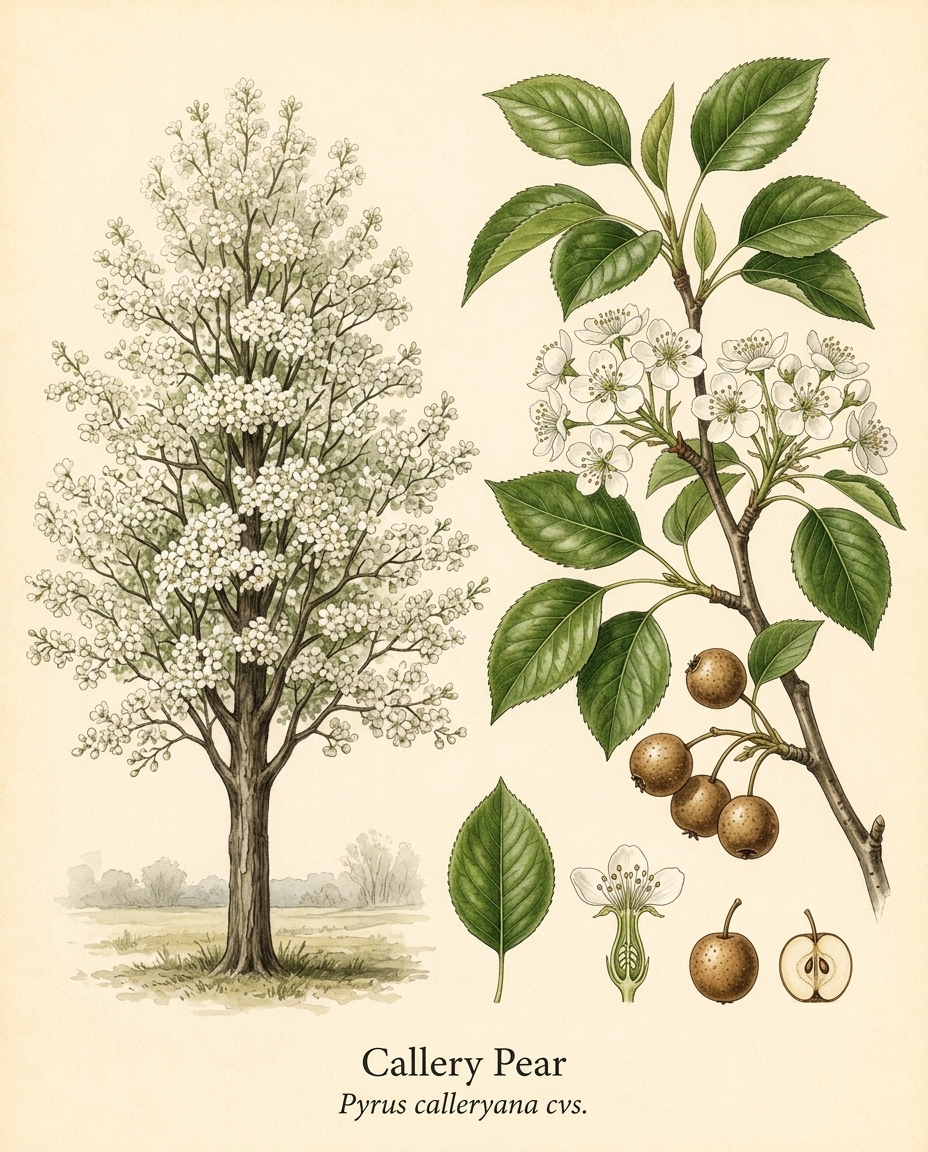
Callery Pear
Pyrus calleryana cvs.
Compatible on water, sun, and zone. Whether the combination reads well is your call.
- Different structural layer than Cranberry Cotoneaster
- Noticeable height difference for a layered look
- Fire-resistant — good for defensible space
- Same water needs as Cranberry Cotoneaster — one irrigation zone
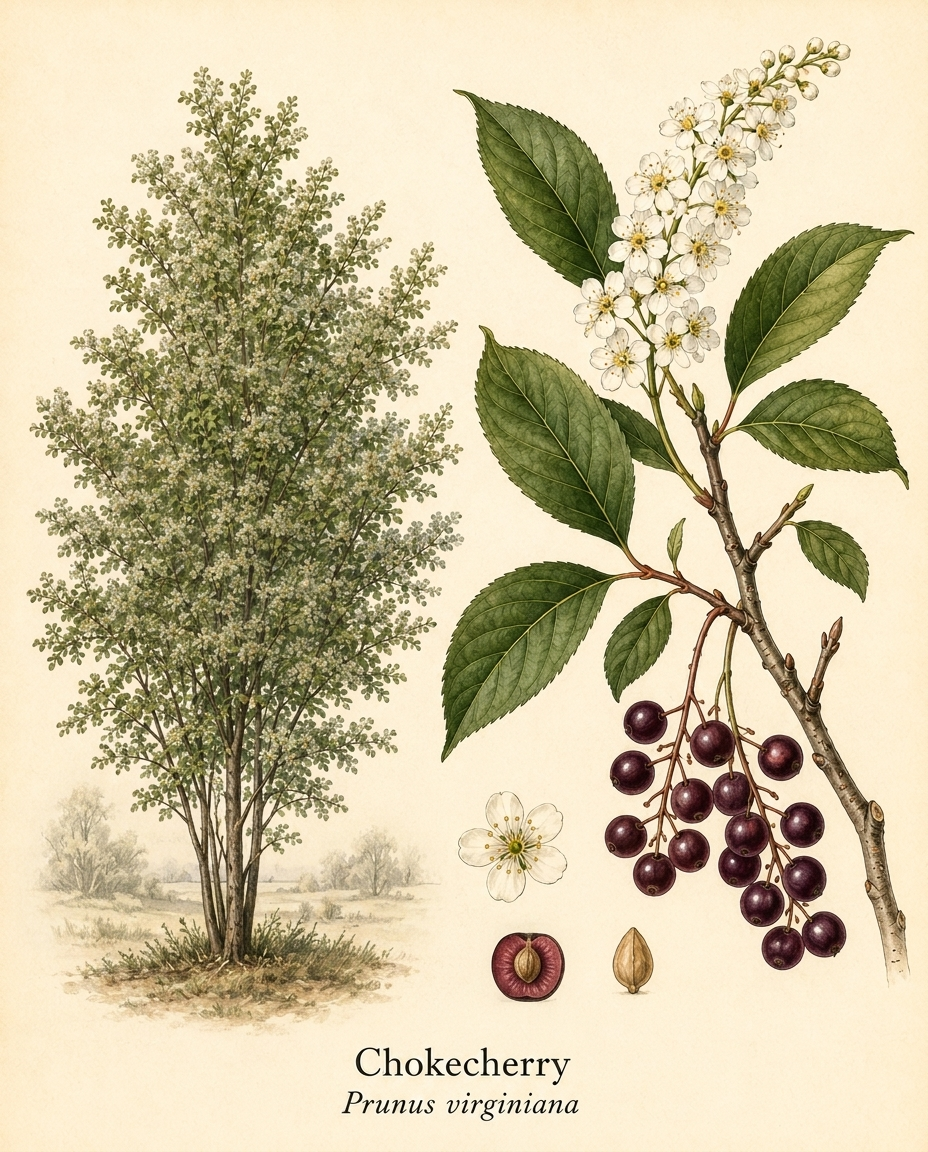
Chokecherry
NativePrunus virginiana
Compatible on water, sun, and zone. Whether the combination reads well is your call.
- Different structural layer than Cranberry Cotoneaster
- Noticeable height difference for a layered look
- Supports pollinators and wildlife
- Fire-resistant — good for defensible space
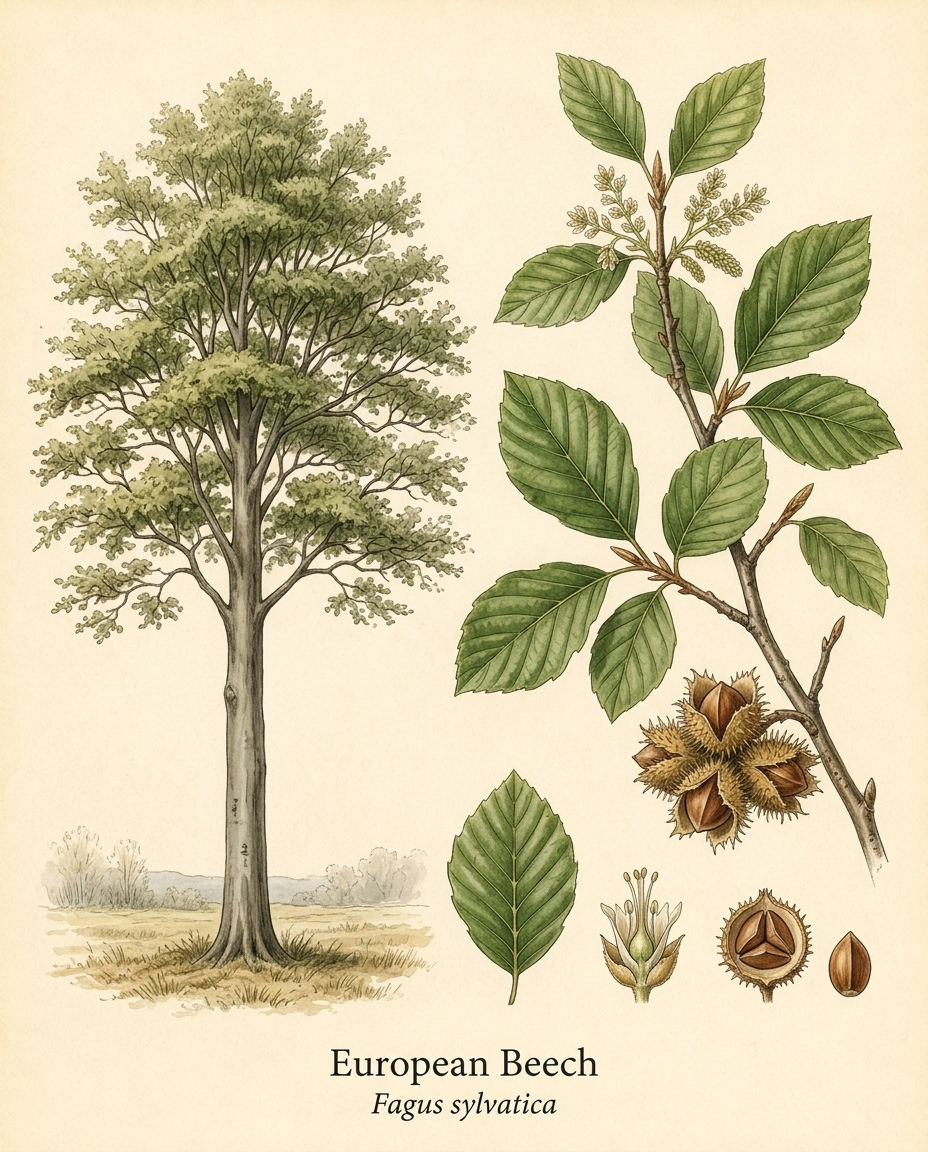
European Beech
Fagus sylvatica
Compatible on water, sun, and zone. Whether the combination reads well is your call.
- Different structural layer than Cranberry Cotoneaster
- Noticeable height difference for a layered look
- Fire-resistant — good for defensible space
- Same water needs as Cranberry Cotoneaster — one irrigation zone
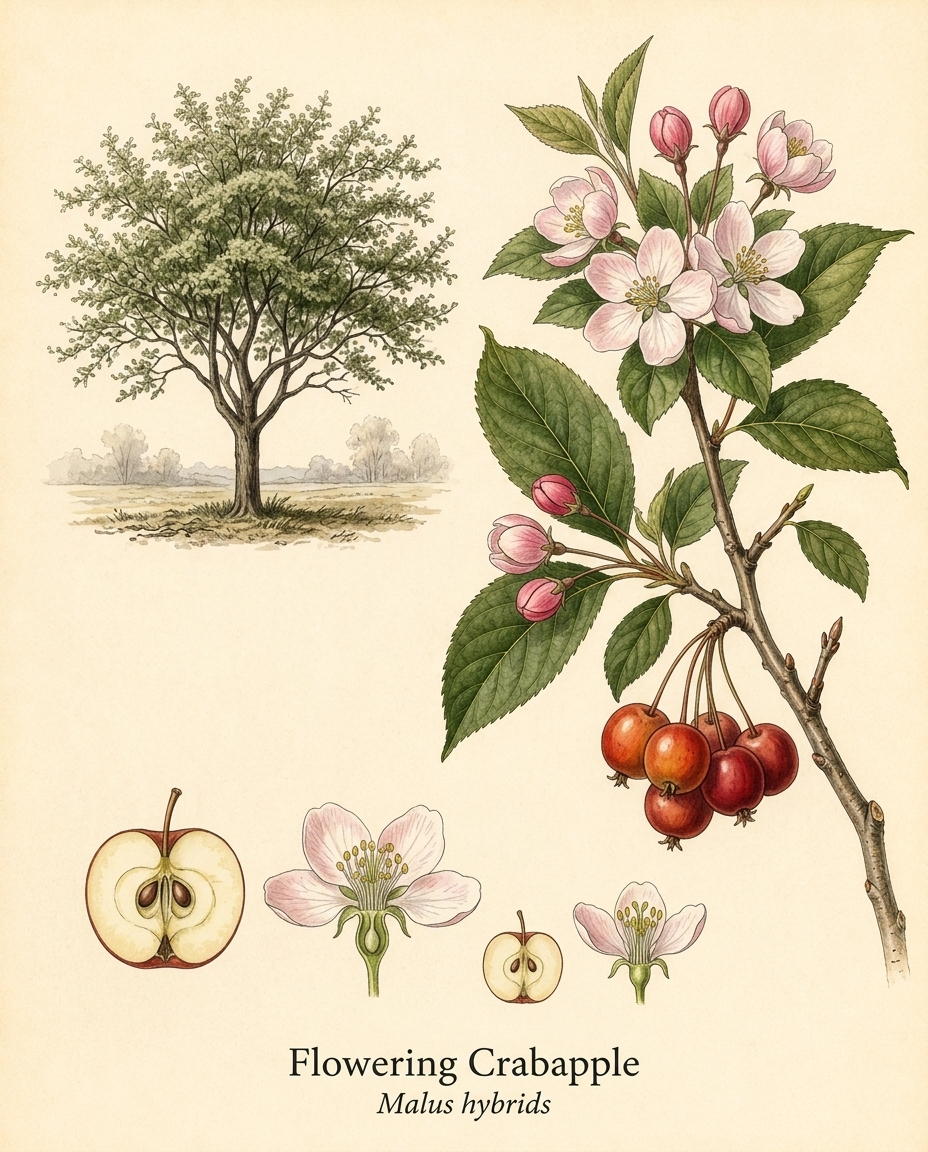
Flowering Crabapple
Malus hybrids
Compatible on water, sun, and zone. Whether the combination reads well is your call.
- Different structural layer than Cranberry Cotoneaster
- Noticeable height difference for a layered look
- Supports pollinators and wildlife
- Fire-resistant — good for defensible space
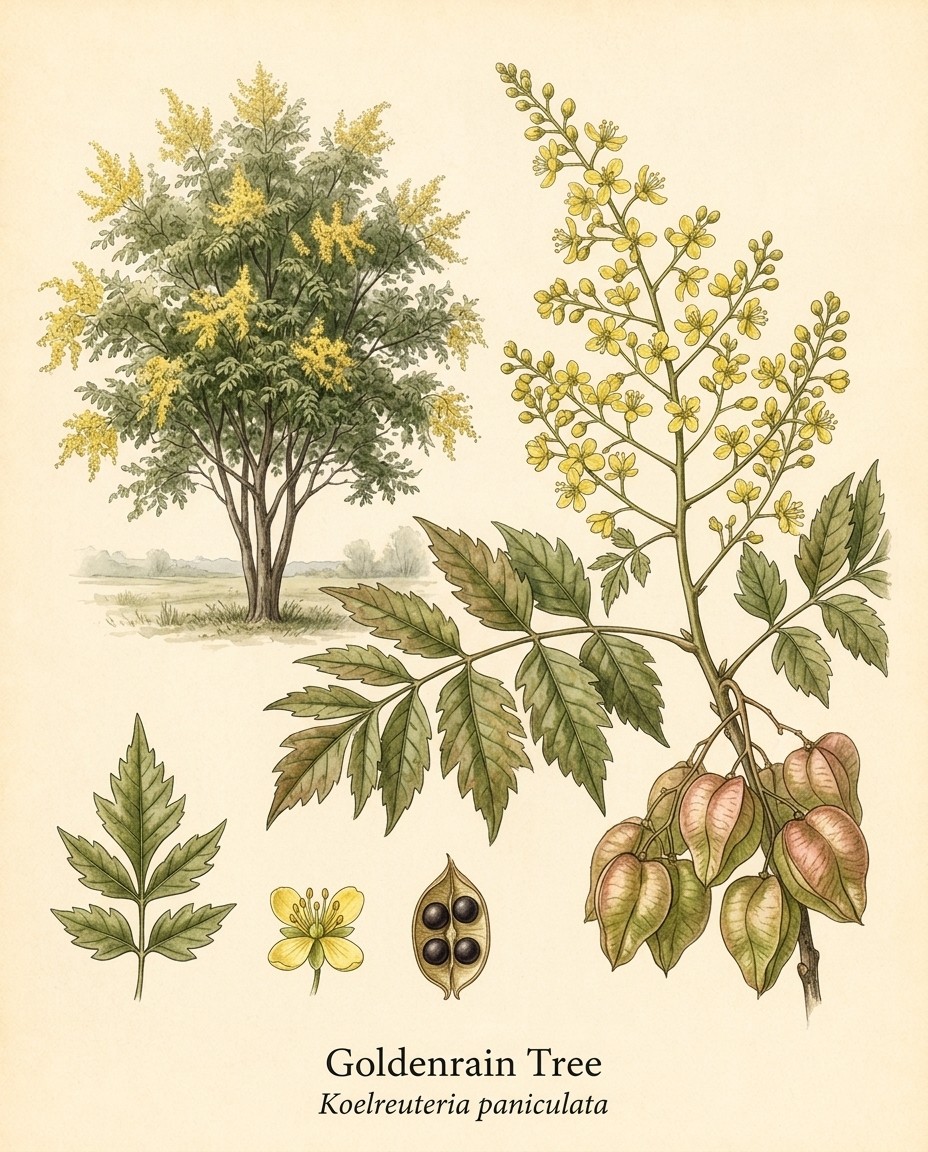
Goldenrain Tree
Koelreuteria paniculata
Compatible on water, sun, and zone. Whether the combination reads well is your call.
- Different structural layer than Cranberry Cotoneaster
- Noticeable height difference for a layered look
- Blooms in summer — extends color when Cranberry Cotoneaster isn't flowering
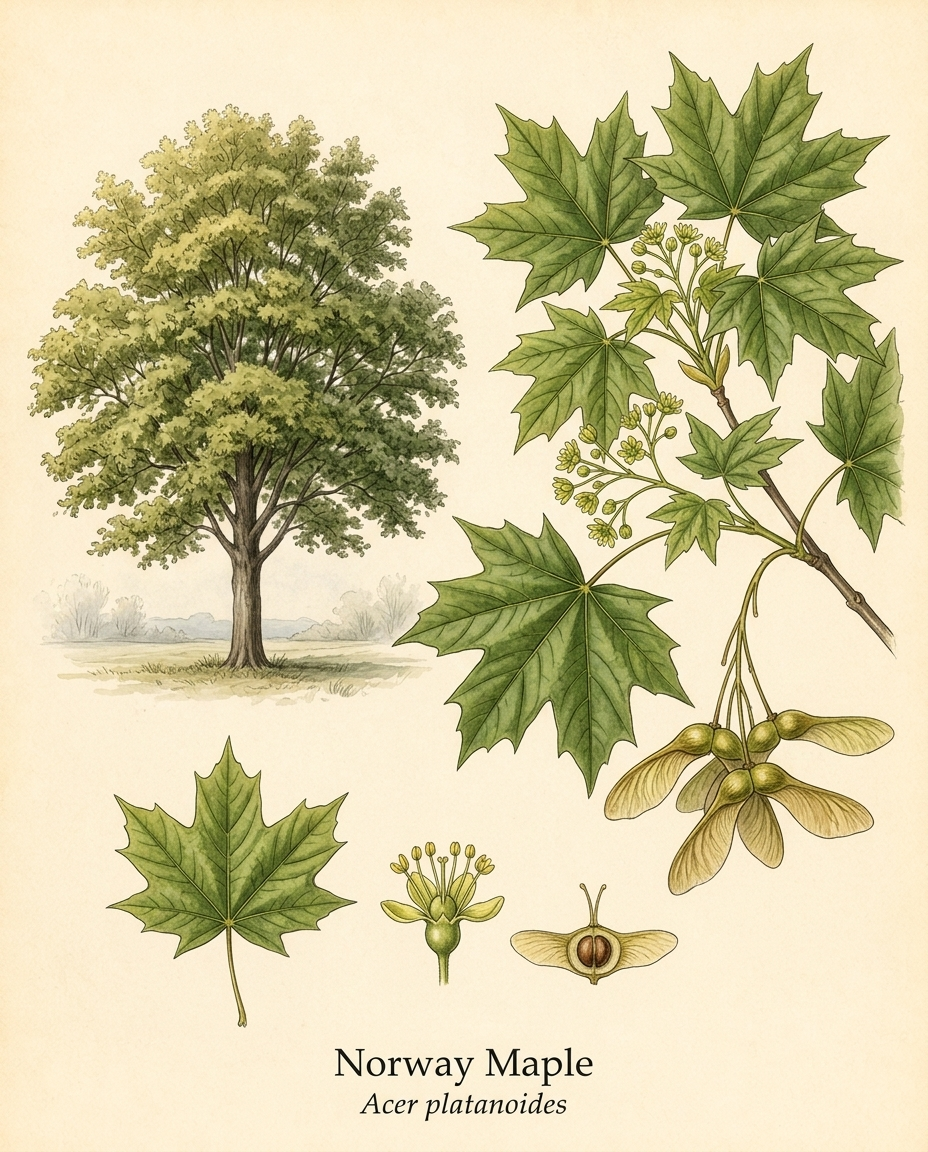
Norway Maple
Acer platanoides
Compatible on water, sun, and zone. Whether the combination reads well is your call.
- Different structural layer than Cranberry Cotoneaster
- Noticeable height difference for a layered look
- Fire-resistant — good for defensible space
- Same water needs as Cranberry Cotoneaster — one irrigation zone
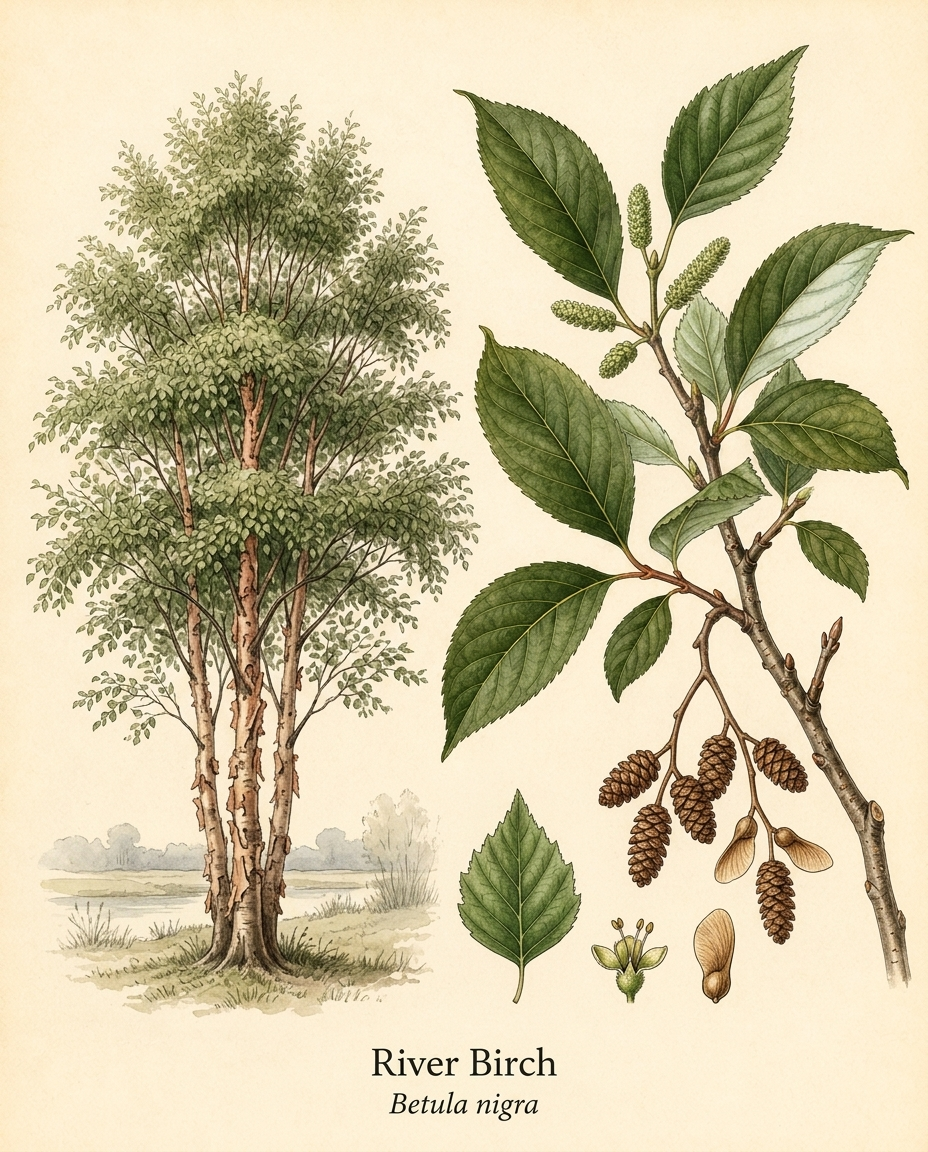
River Birch
Betula nigra
Compatible on water, sun, and zone. Whether the combination reads well is your call.
- Different structural layer than Cranberry Cotoneaster
- Noticeable height difference for a layered look
- Fire-resistant — good for defensible space
- Same water needs as Cranberry Cotoneaster — one irrigation zone
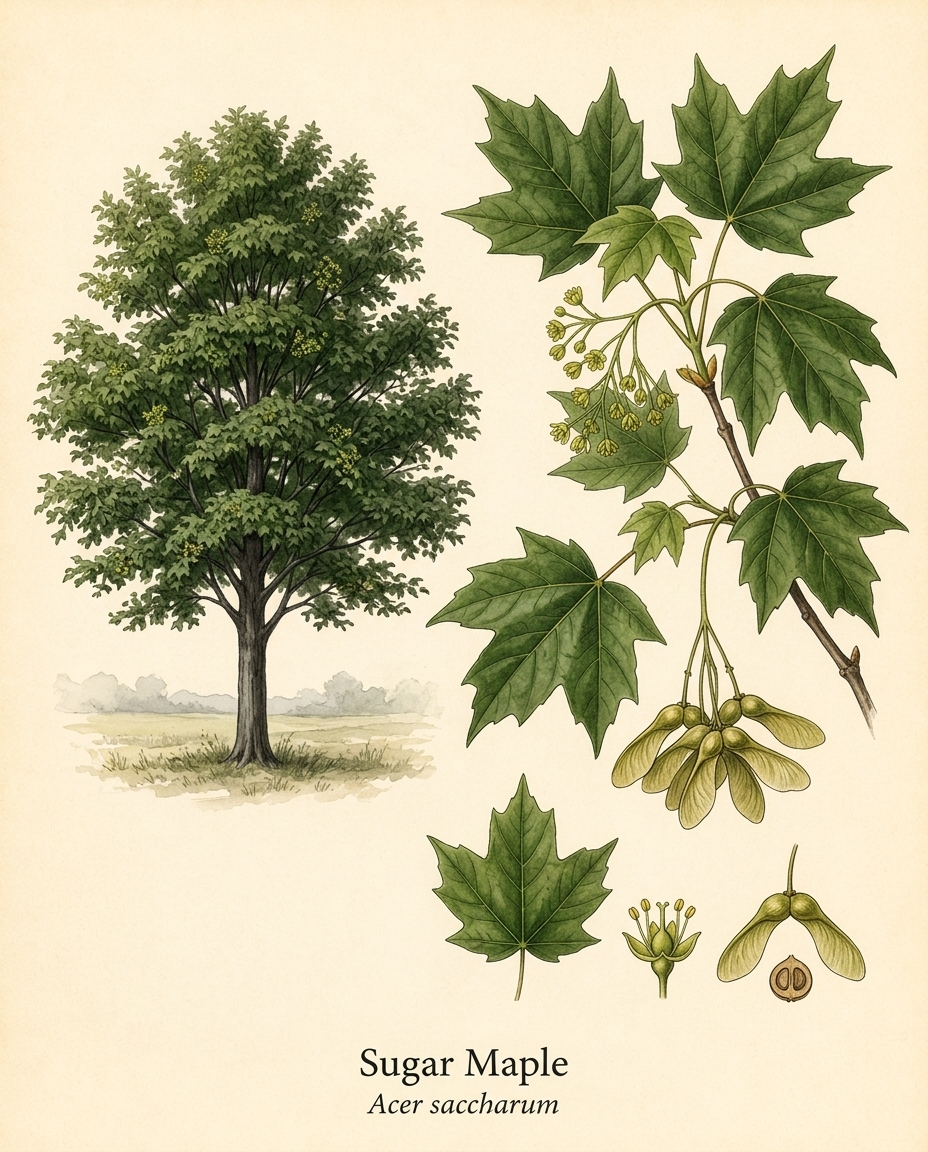
Sugar Maple
Acer saccharum
Compatible on water, sun, and zone. Whether the combination reads well is your call.
- Different structural layer than Cranberry Cotoneaster
- Noticeable height difference for a layered look
- Fire-resistant — good for defensible space
- Same water needs as Cranberry Cotoneaster — one irrigation zone
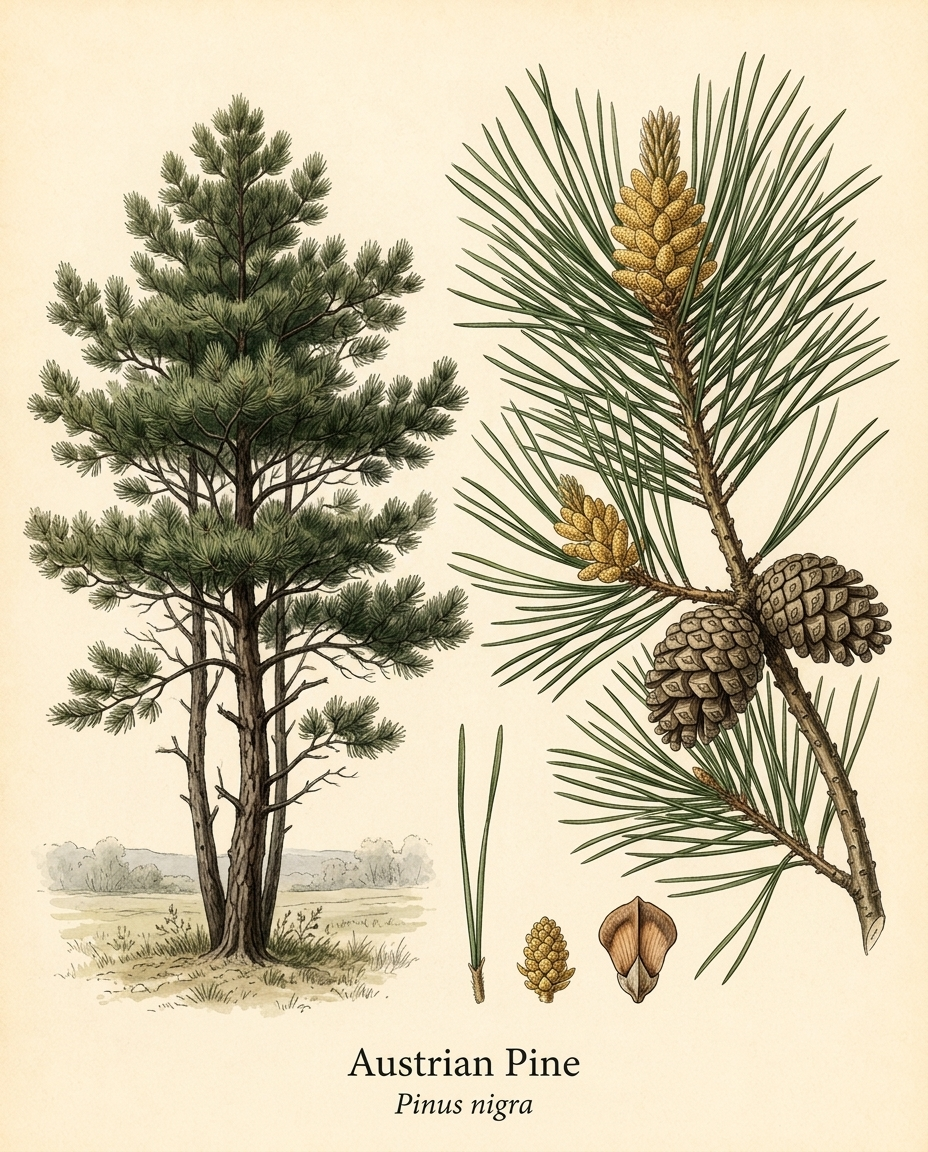
Austrian Pine
Pinus nigra
Compatible on water, sun, and zone. Whether the combination reads well is your call.
- Different structural layer than Cranberry Cotoneaster
- Noticeable height difference for a layered look
- Evergreen — holds structure through winter
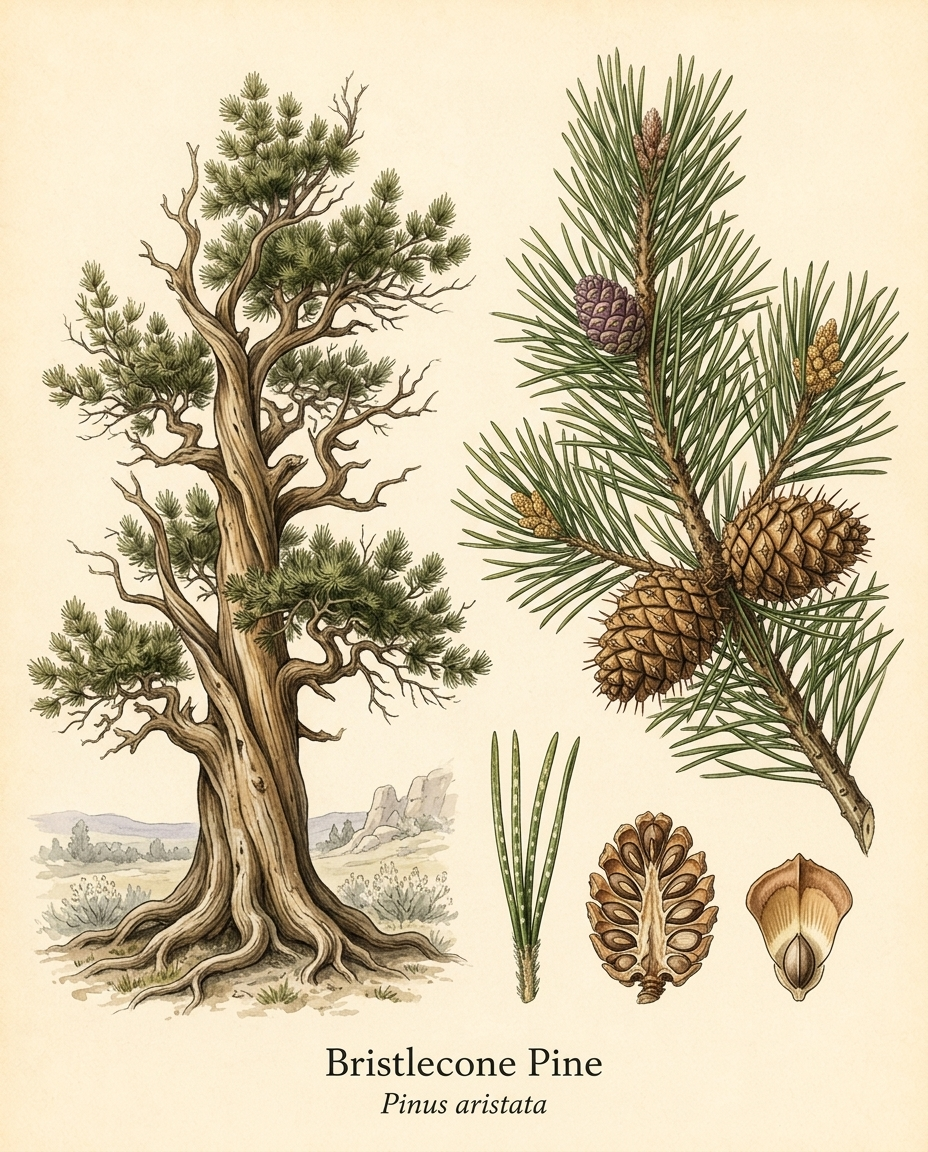
Bristlecone Pine
NativePinus aristata
Compatible on water, sun, and zone. Whether the combination reads well is your call.
- Different structural layer than Cranberry Cotoneaster
- Noticeable height difference for a layered look
- Evergreen — holds structure through winter
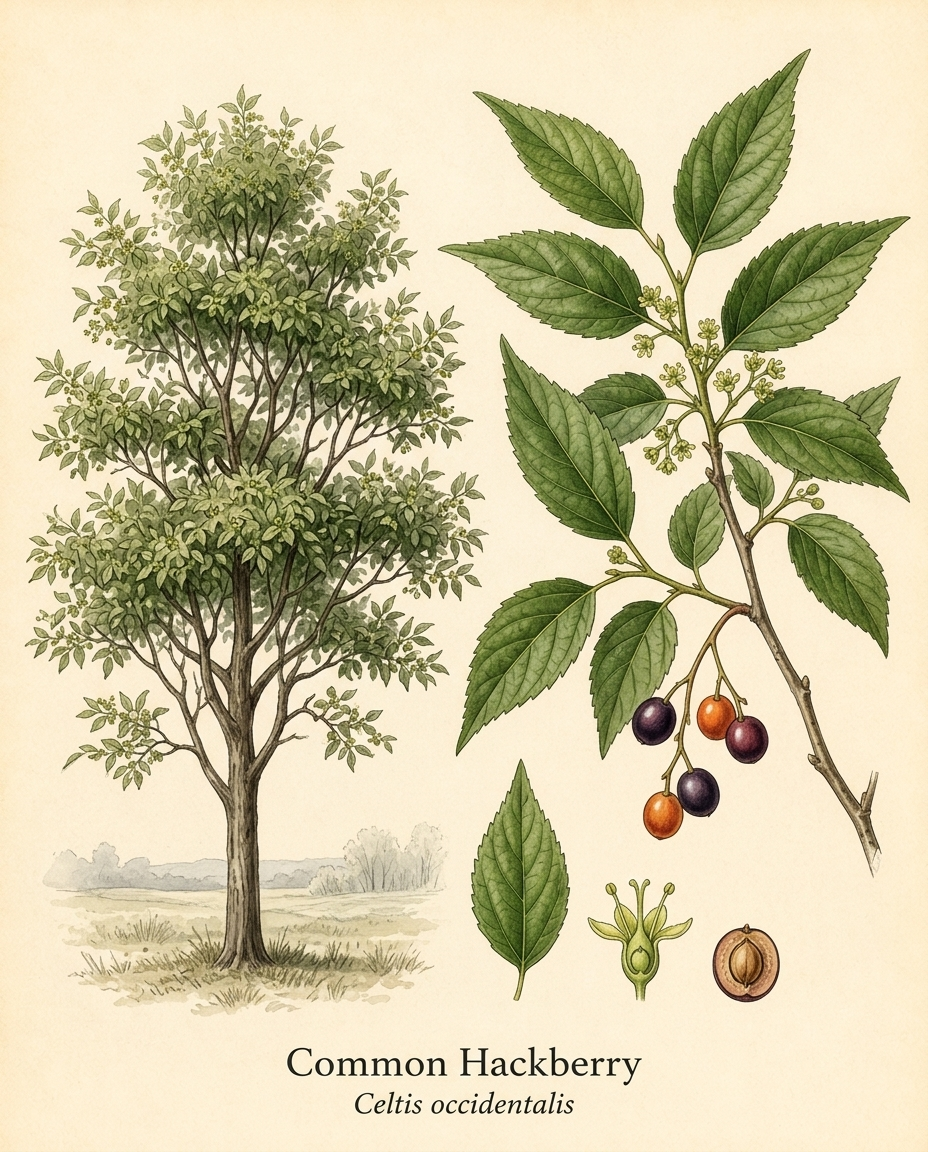
Common Hackberry
NativeCeltis occidentalis
Compatible on water, sun, and zone. Whether the combination reads well is your call.
- Different structural layer than Cranberry Cotoneaster
- Noticeable height difference for a layered look
- Supports pollinators and wildlife
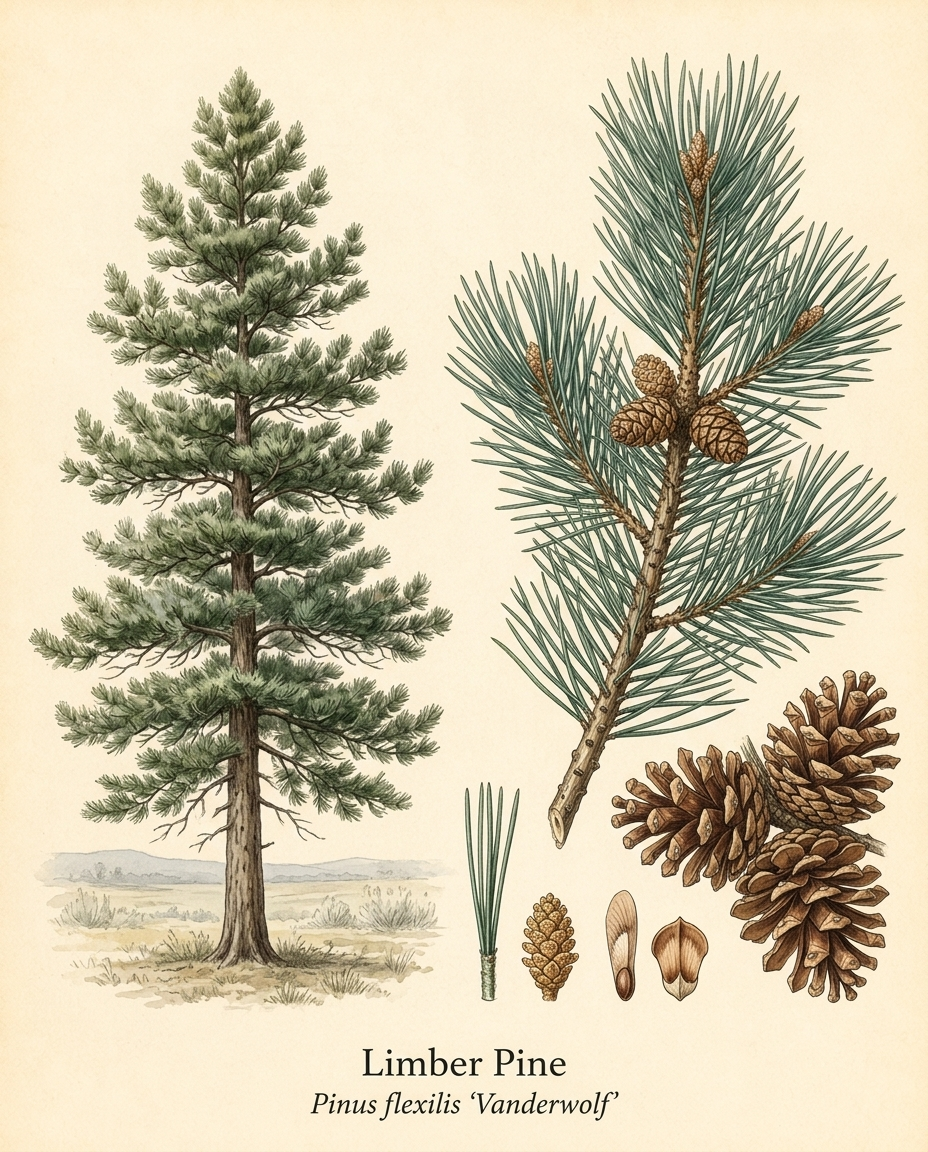
Limber Pine
Pinus flexilis ‘Vanderwolf ’
Compatible on water, sun, and zone. Whether the combination reads well is your call.
- Different structural layer than Cranberry Cotoneaster
- Noticeable height difference for a layered look
- Evergreen — holds structure through winter
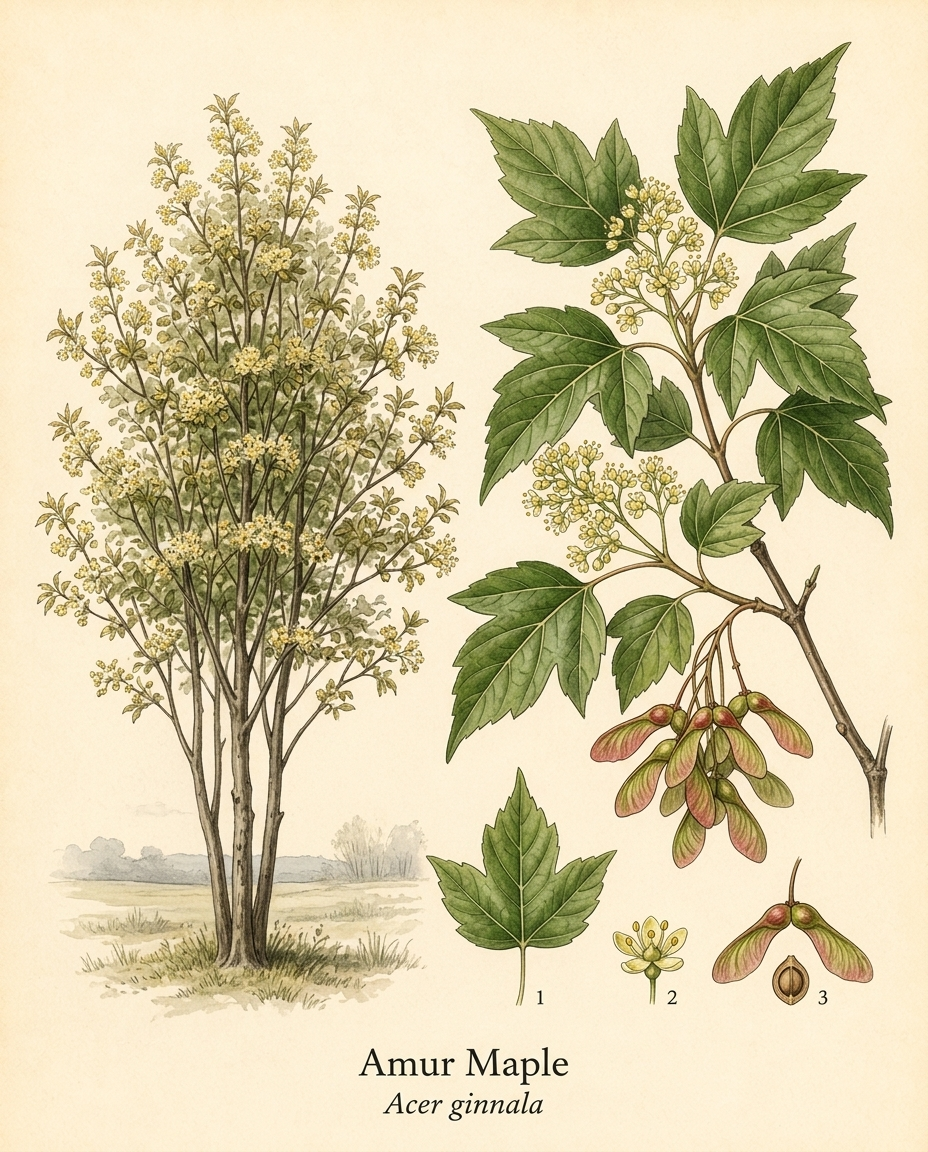
Amur Maple
Acer ginnala
Compatible on water, sun, and zone. Whether the combination reads well is your call.
- Different structural layer than Cranberry Cotoneaster
- Noticeable height difference for a layered look
- Fire-resistant — good for defensible space
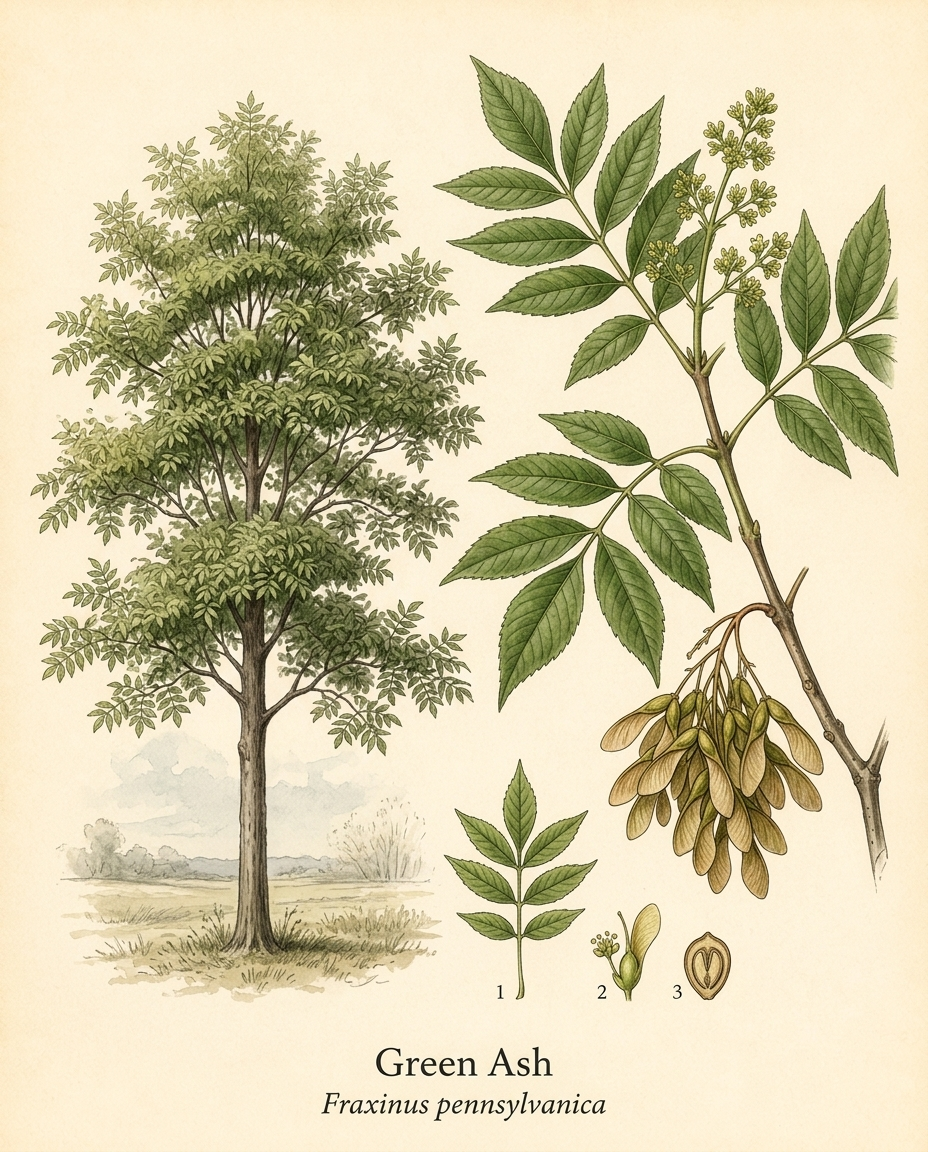
Green Ash
Fraxinus pennsylvanica
Compatible on water, sun, and zone. Whether the combination reads well is your call.
- Different structural layer than Cranberry Cotoneaster
- Noticeable height difference for a layered look
- Fire-resistant — good for defensible space
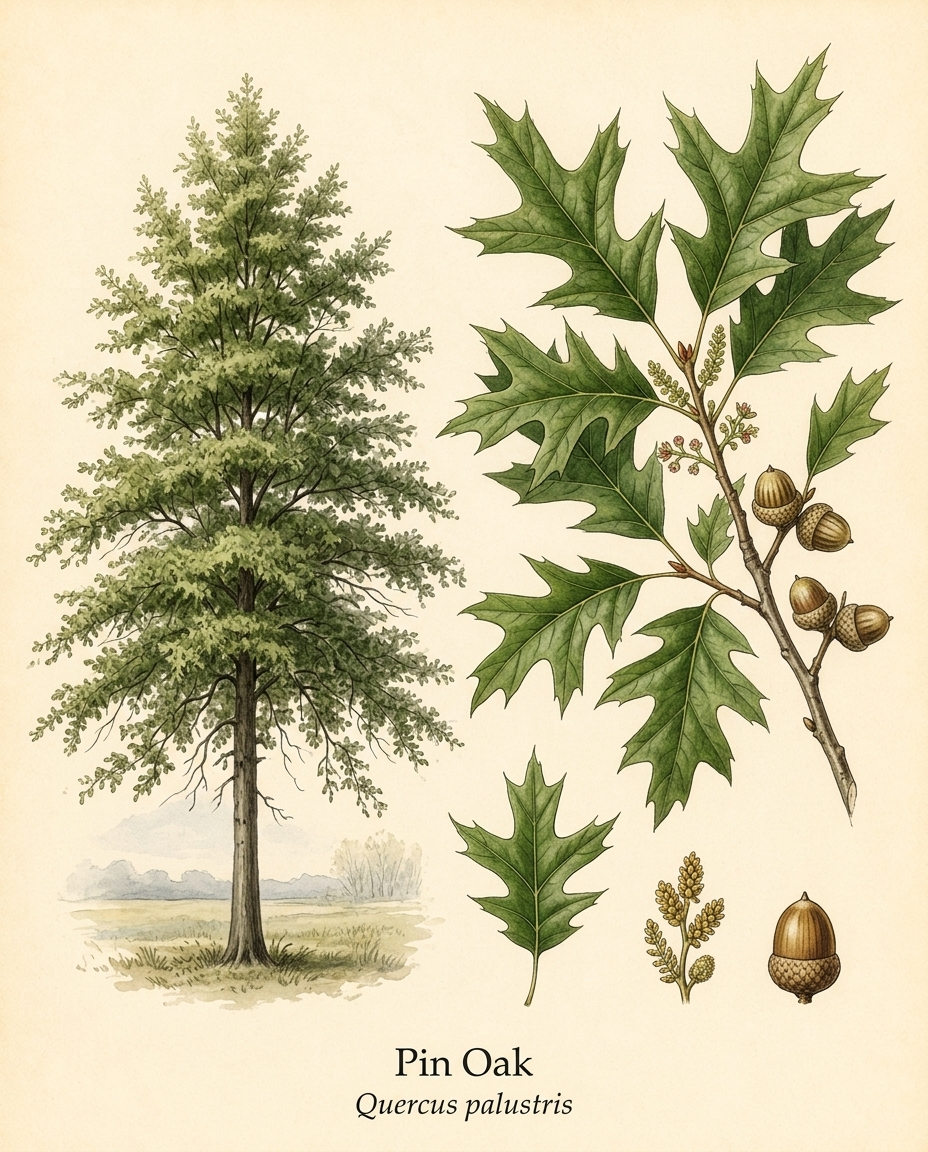
Pin Oak
Quercus palustris
Compatible on water, sun, and zone. Whether the combination reads well is your call.
- Different structural layer than Cranberry Cotoneaster
- Noticeable height difference for a layered look
- Fire-resistant — good for defensible space
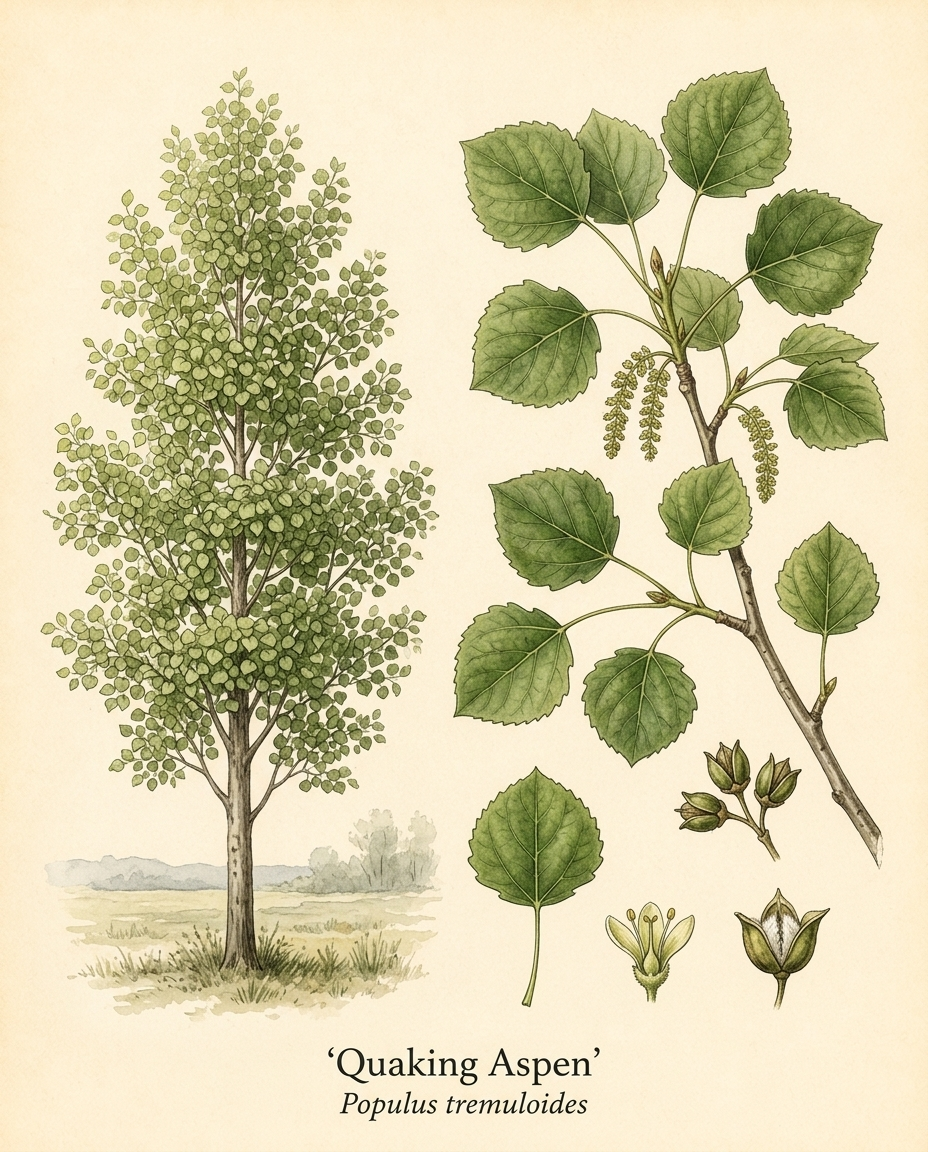
Quaking Aspen
NativePopulus tremuloides
Compatible on water, sun, and zone. Whether the combination reads well is your call.
- Different structural layer than Cranberry Cotoneaster
- Noticeable height difference for a layered look
- Fire-resistant — good for defensible space
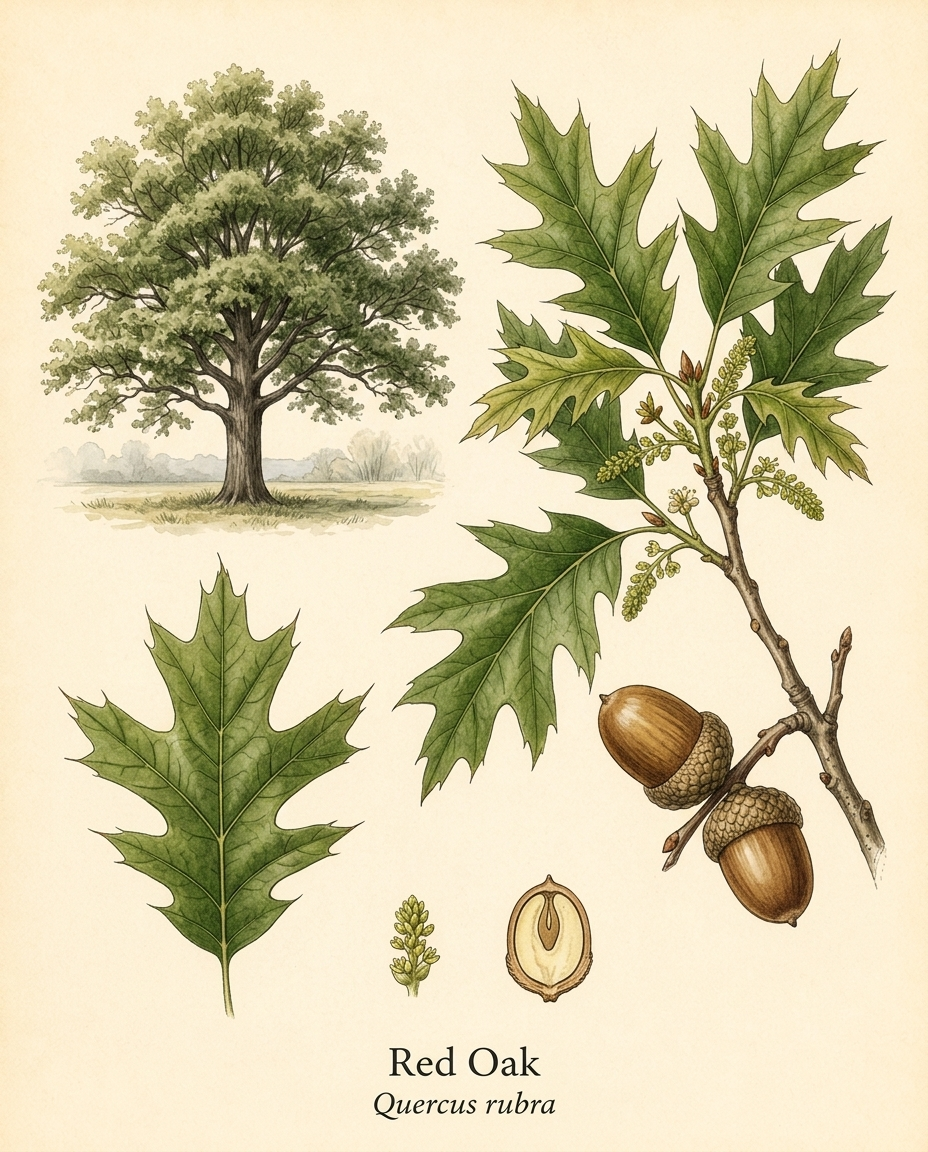
Red Oak
Quercus rubra
Compatible on water, sun, and zone. Whether the combination reads well is your call.
- Different structural layer than Cranberry Cotoneaster
- Noticeable height difference for a layered look
- Fire-resistant — good for defensible space
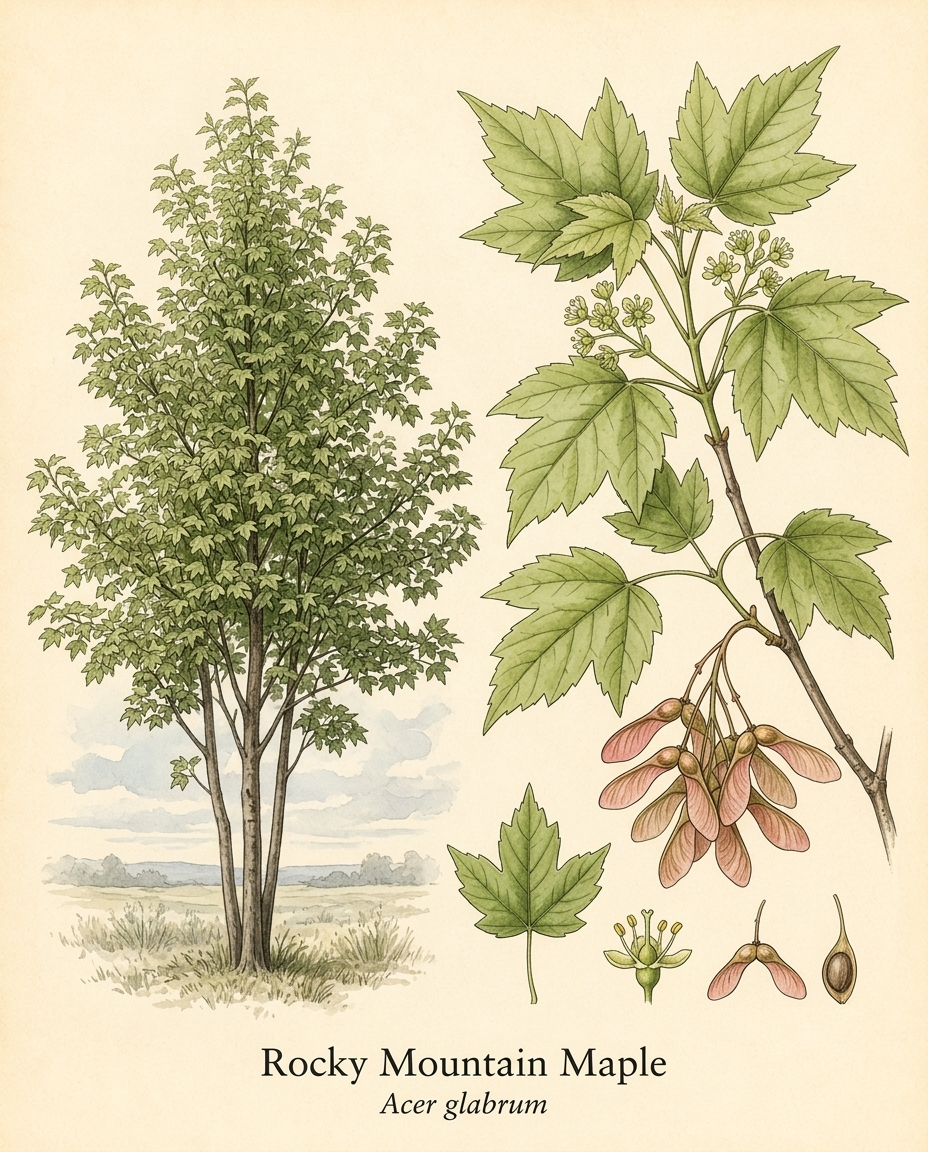
Rocky Mountain Maple
NativeAcer glabrum
Compatible on water, sun, and zone. Whether the combination reads well is your call.
- Different structural layer than Cranberry Cotoneaster
- Noticeable height difference for a layered look
- Fire-resistant — good for defensible space
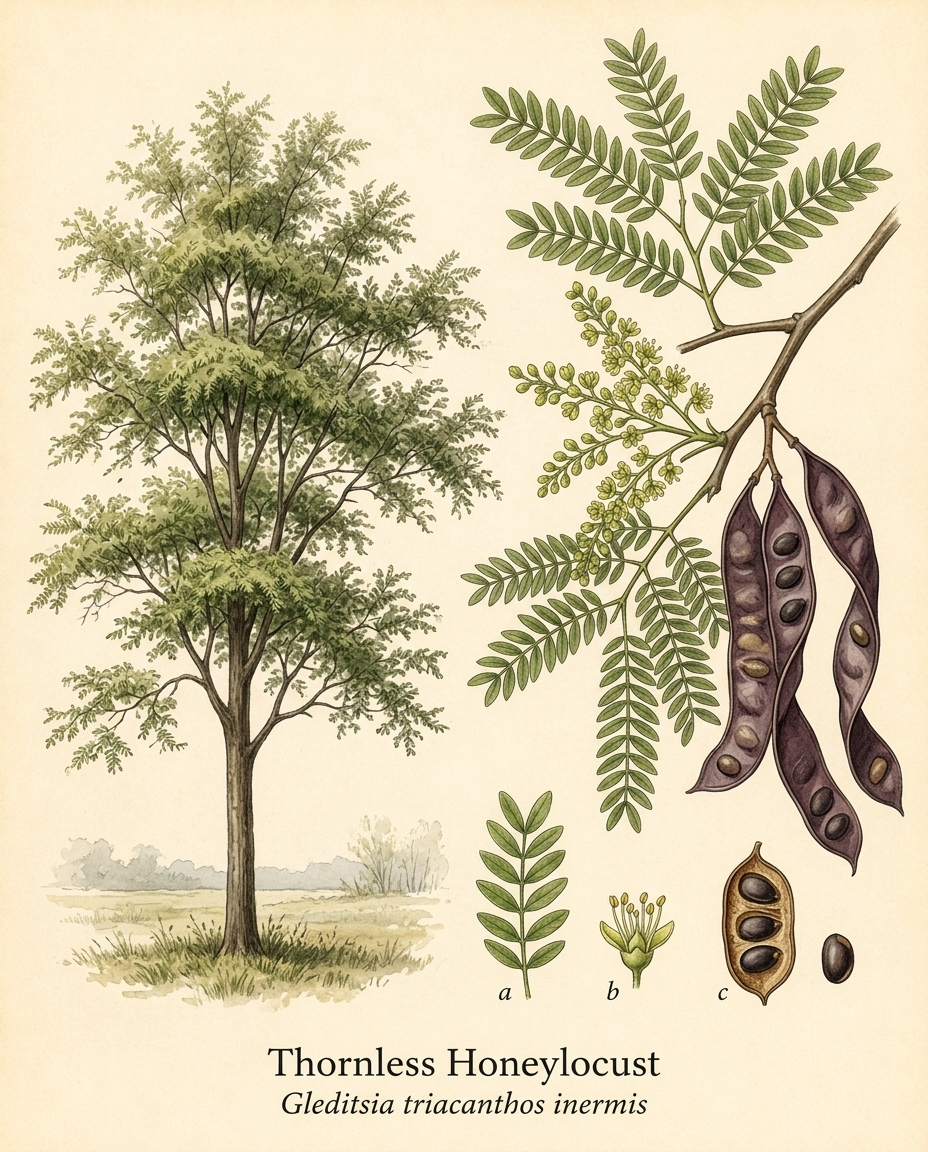
Thornless Honeylocust
NativeGleditsia triacanthos inermis
Compatible on water, sun, and zone. Whether the combination reads well is your call.
- Different structural layer than Cranberry Cotoneaster
- Noticeable height difference for a layered look
- Fire-resistant — good for defensible space
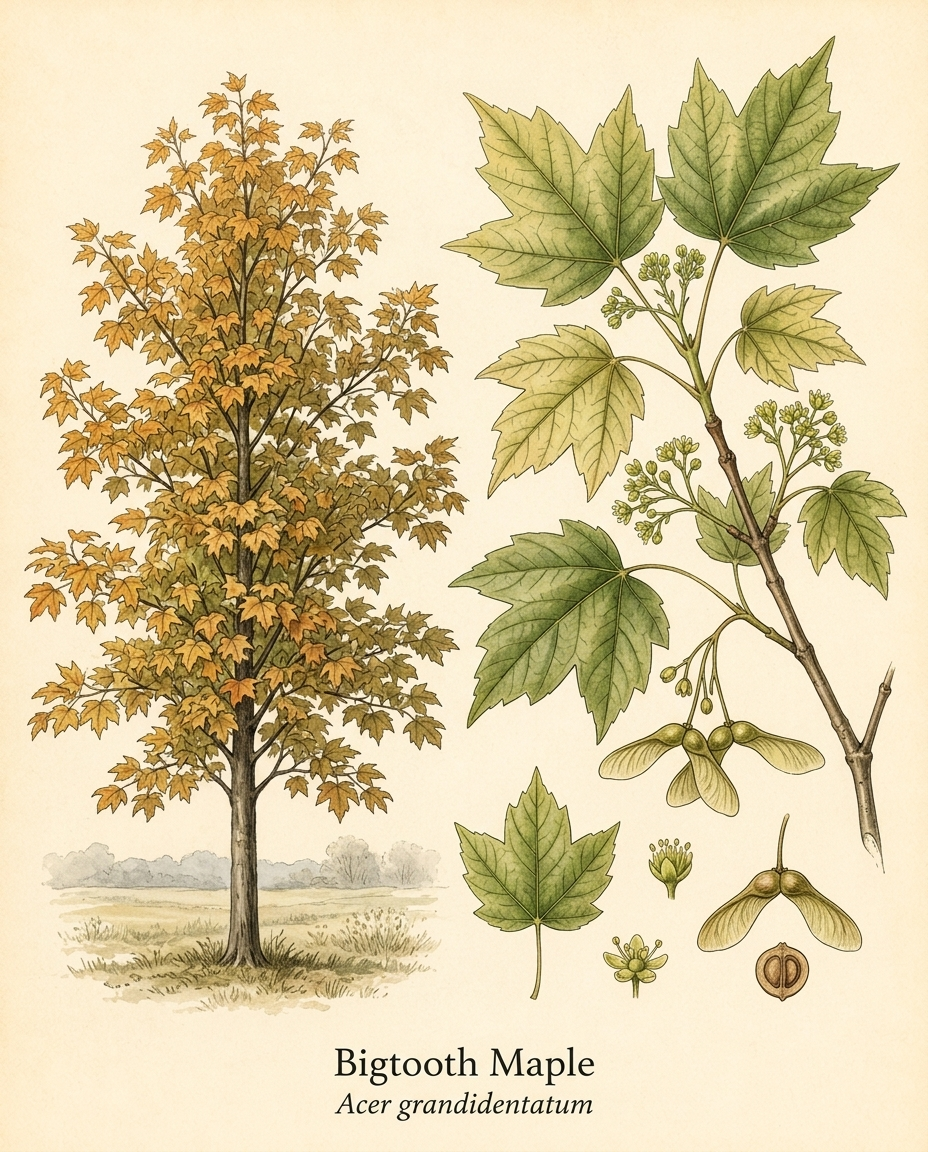
Bigtooth Maple
NativeAcer grandidentatum
Compatible on water, sun, and zone. Whether the combination reads well is your call.
- Different structural layer than Cranberry Cotoneaster
- Noticeable height difference for a layered look
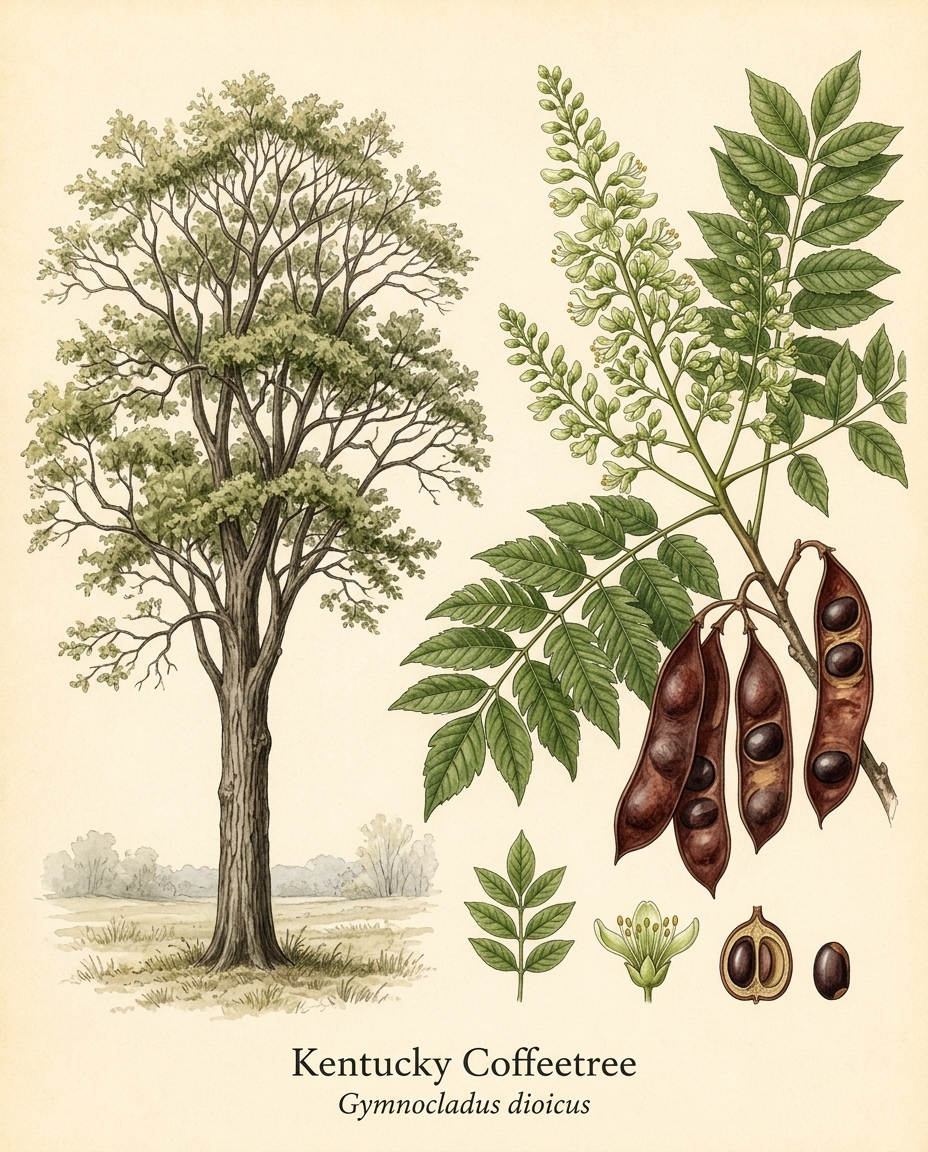
Kentucky Coffeetree
NativeGymnocladus dioicus
Compatible on water, sun, and zone. Whether the combination reads well is your call.
- Different structural layer than Cranberry Cotoneaster
- Noticeable height difference for a layered look
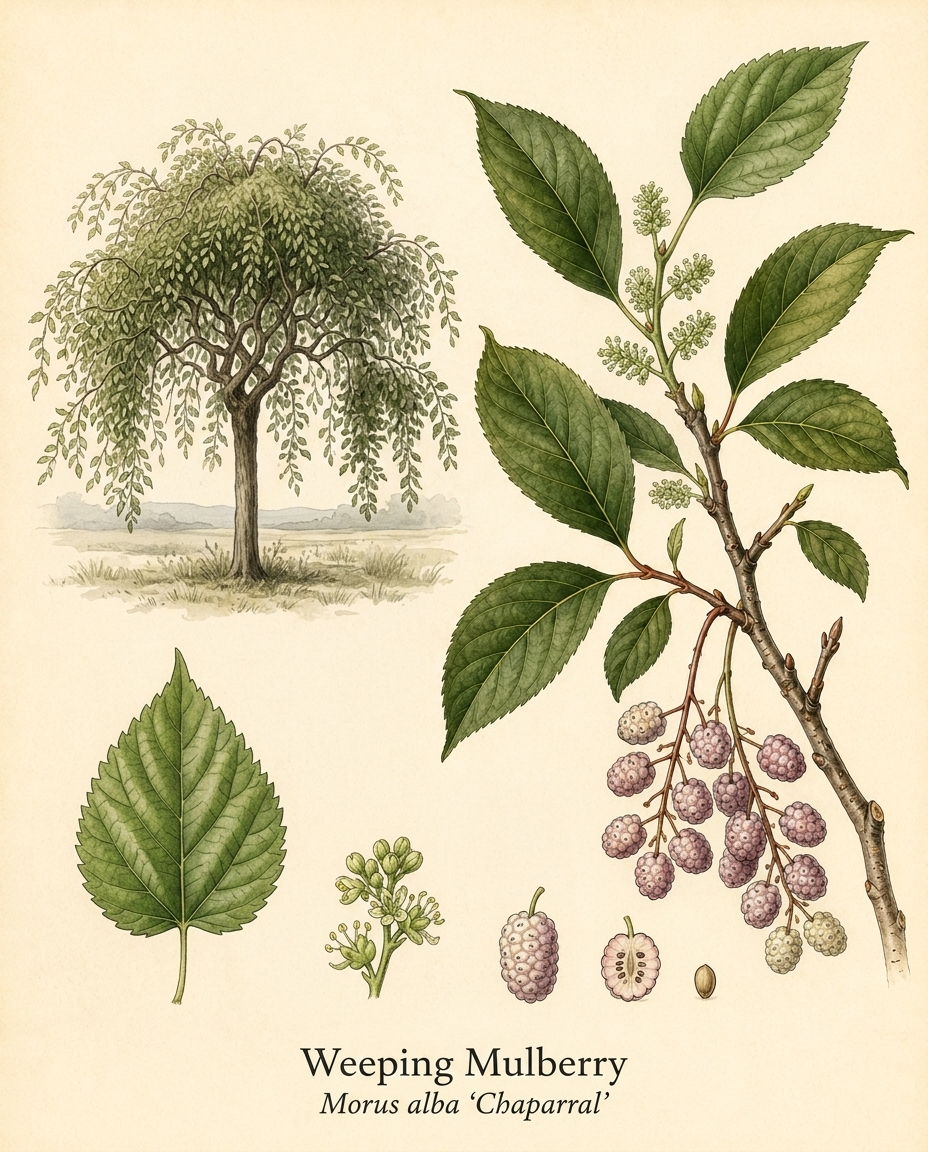
Weeping Mulberry
Morus alba 'Chaparral'
Compatible on water, sun, and zone. Whether the combination reads well is your call.
- Different structural layer than Cranberry Cotoneaster
- Noticeable height difference for a layered look
Shrub (3)
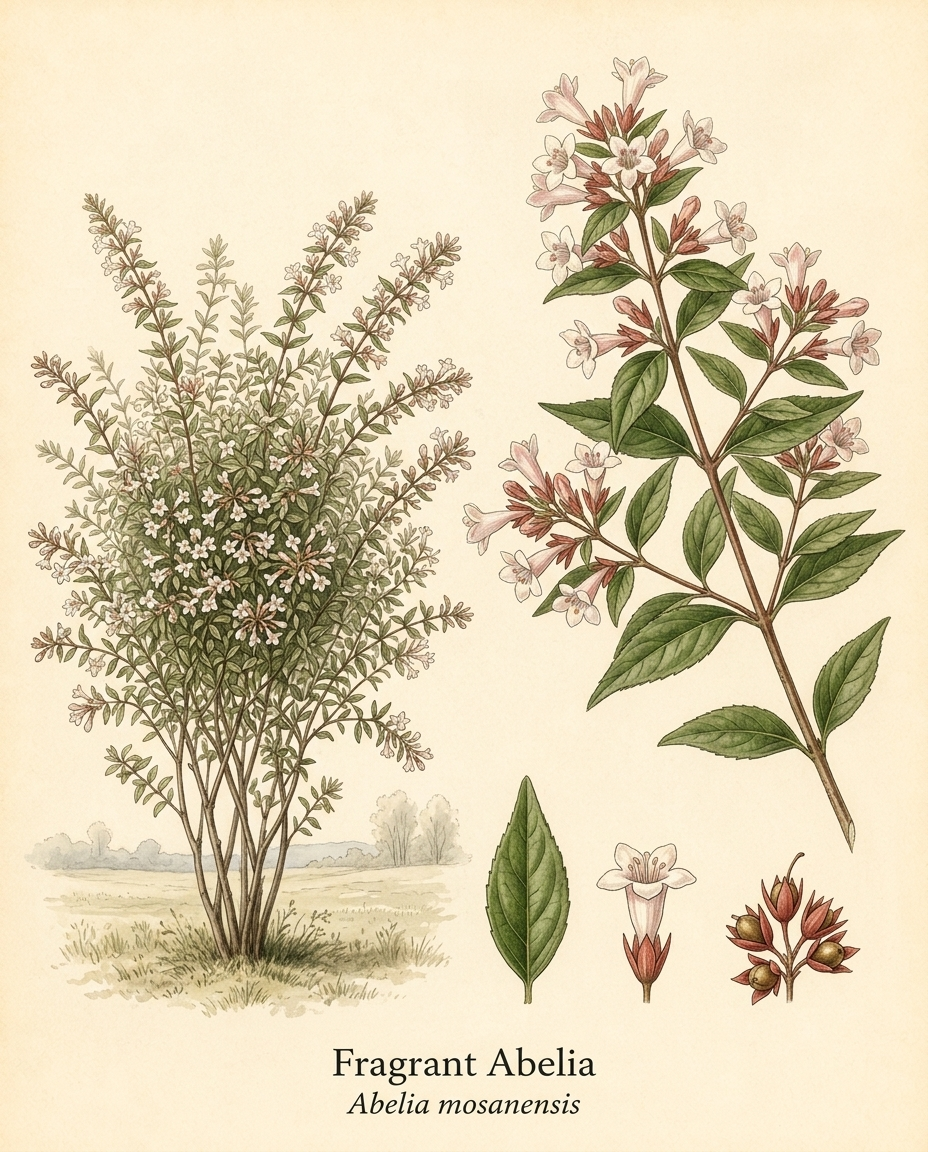
Fragrant Abelia
Abelia mosanensis
Compatible on water, sun, and zone. Whether the combination reads well is your call.
- Blooms in fall and summer — extends color when Cranberry Cotoneaster isn't flowering
- Supports pollinators and wildlife
- Fire-resistant — good for defensible space
- Same water needs as Cranberry Cotoneaster — one irrigation zone
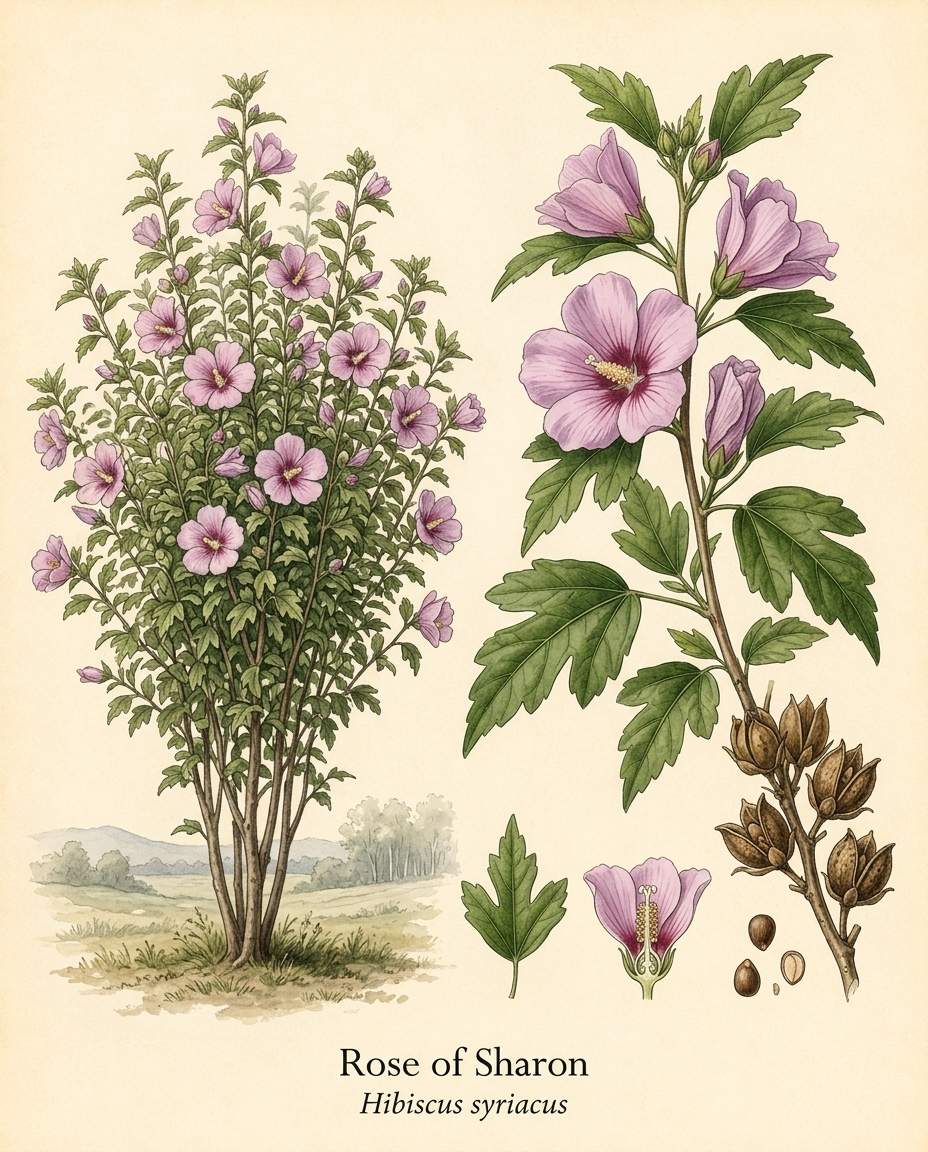
Rose of Sharon
Hibiscus syriacus
Compatible on water, sun, and zone. Whether the combination reads well is your call.
- Blooms in fall and summer — extends color when Cranberry Cotoneaster isn't flowering
- Fire-resistant — good for defensible space
- Same water needs as Cranberry Cotoneaster — one irrigation zone
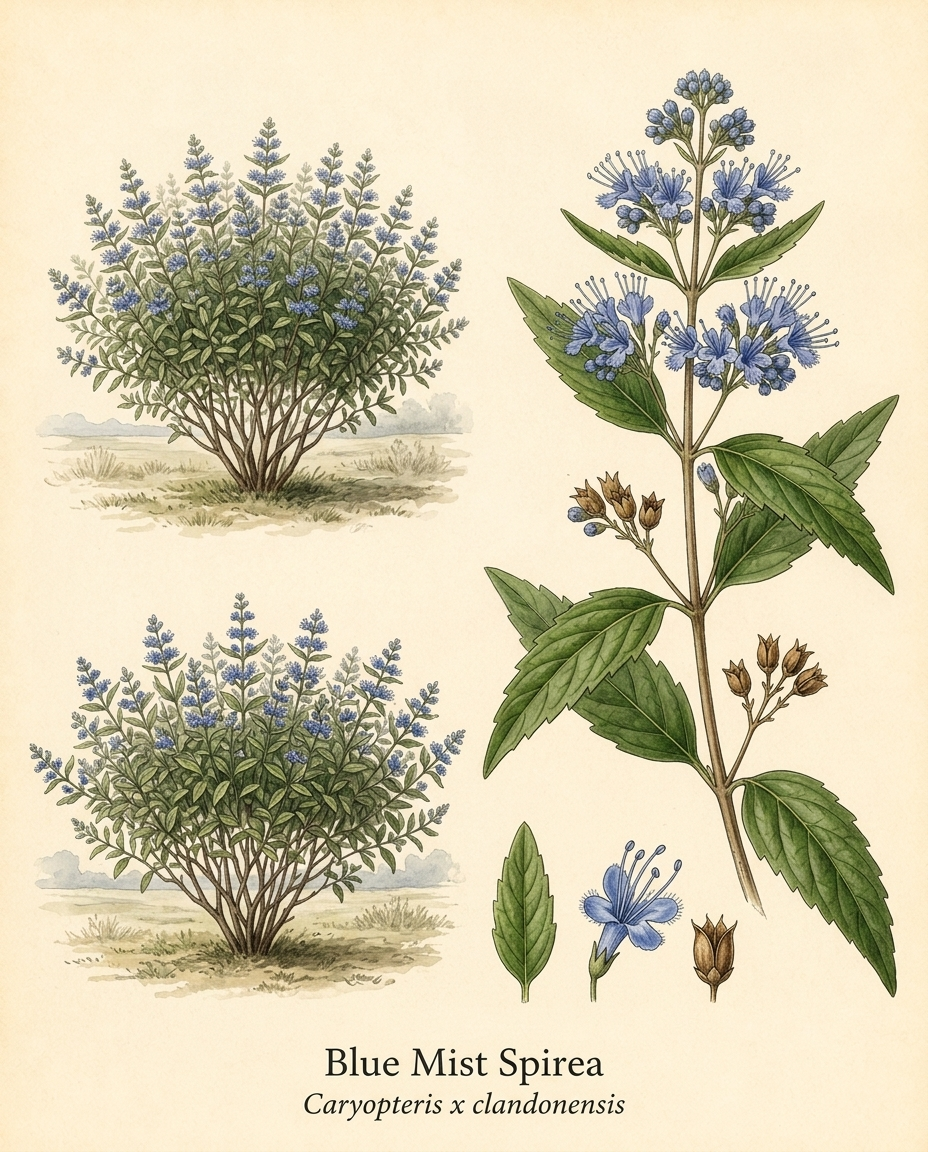
Blue Mist Spirea
Caryopteris x clandonensis
Compatible on water, sun, and zone. Whether the combination reads well is your call.
- Blooms in fall and summer — extends color when Cranberry Cotoneaster isn't flowering
- Supports pollinators and wildlife