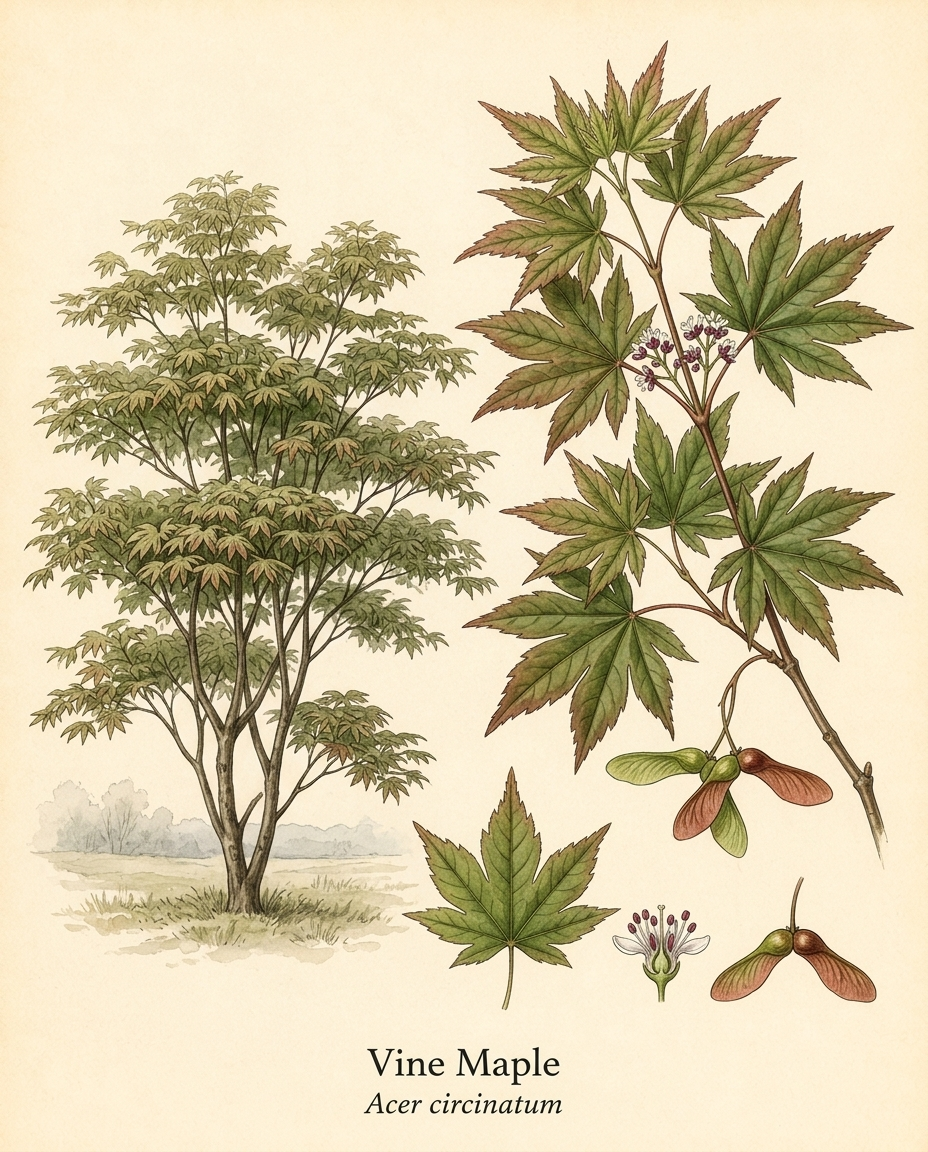
Acer circinatum
Vine Maple
- Mature size
- 10–15 ft tall
10–15 ft wide - Sun
- Part–Full Shade
- Water use
- Low
- USDA zones
- 5–9
- Bloom
- —
Spring
Notable features
Best companions for Vine Maple
Six water-wise companions matched on water use, sun, USDA zone, and how they layer visually beside Vine Maple.
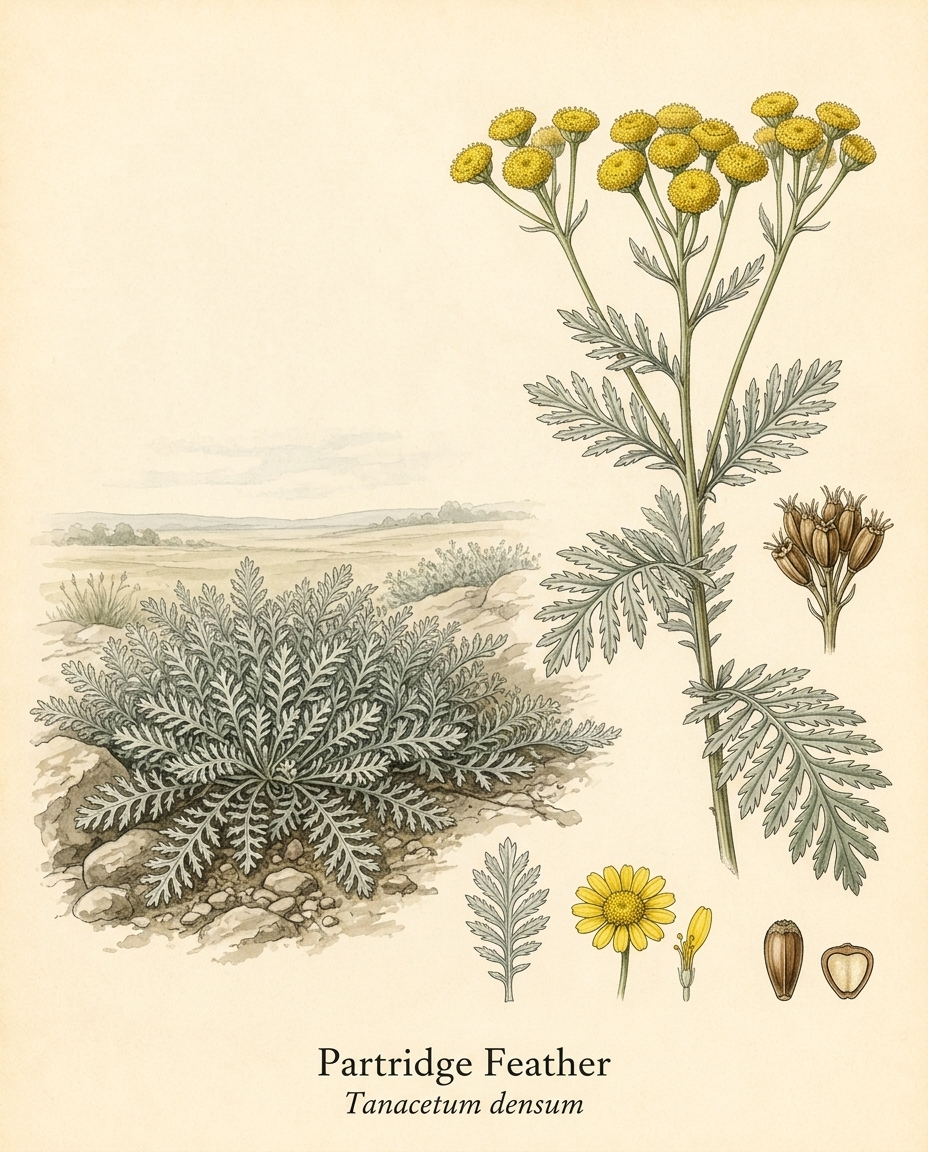
Partridge Feather
Tanacetum densum
A reliable, well-suited combination.
- Different structural layer than Vine Maple
- Noticeable height difference for a layered look
- Blooms in summer — extends color when Vine Maple isn't flowering
- Silver foliage contrasts with Vine Maple
- Evergreen — holds structure through winter
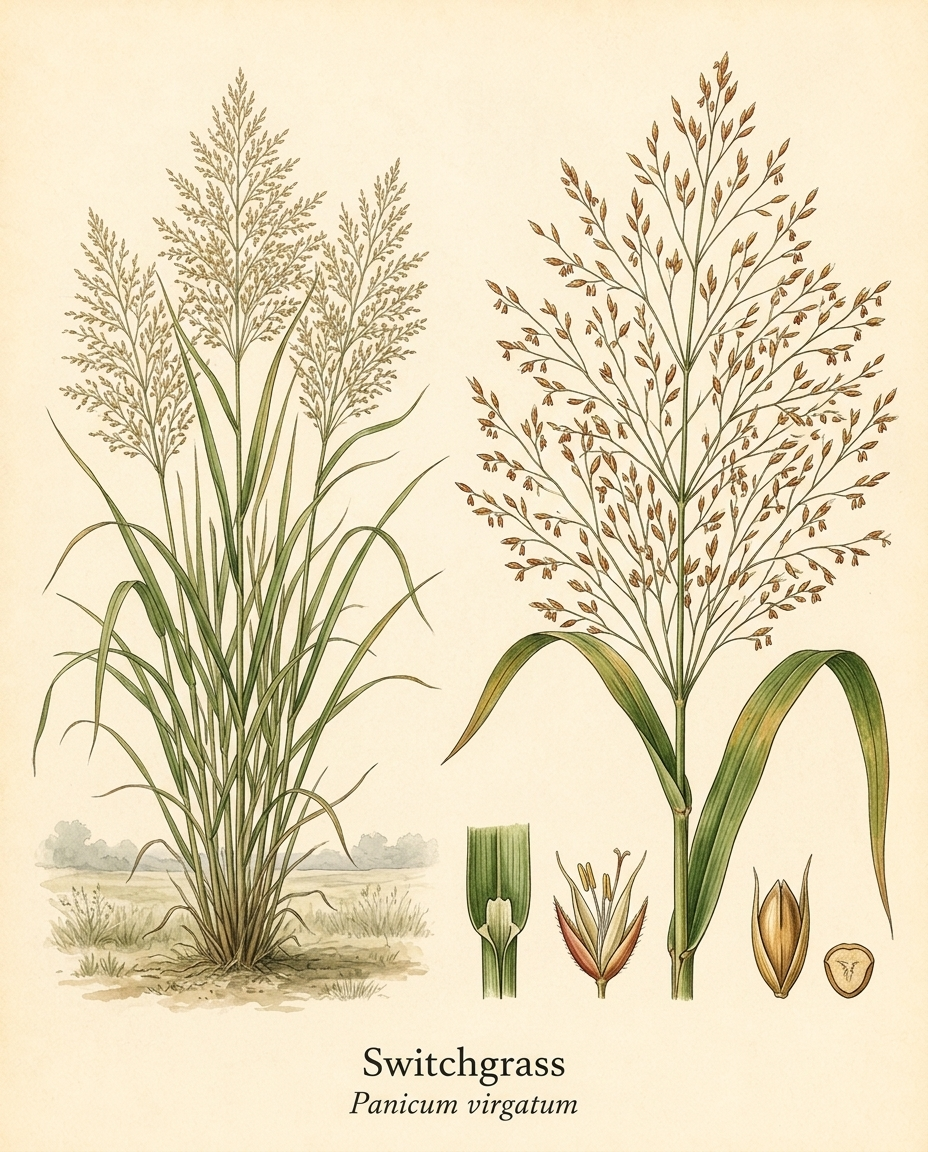
Switchgrass
NativePanicum virgatum
Checks nearly every box — a confident pairing.
- Different structural layer than Vine Maple
- Noticeable height difference for a layered look
- Blooms in fall and summer — extends color when Vine Maple isn't flowering
- Fine grass texture contrasts with Vine Maple's form
- Supports pollinators and wildlife
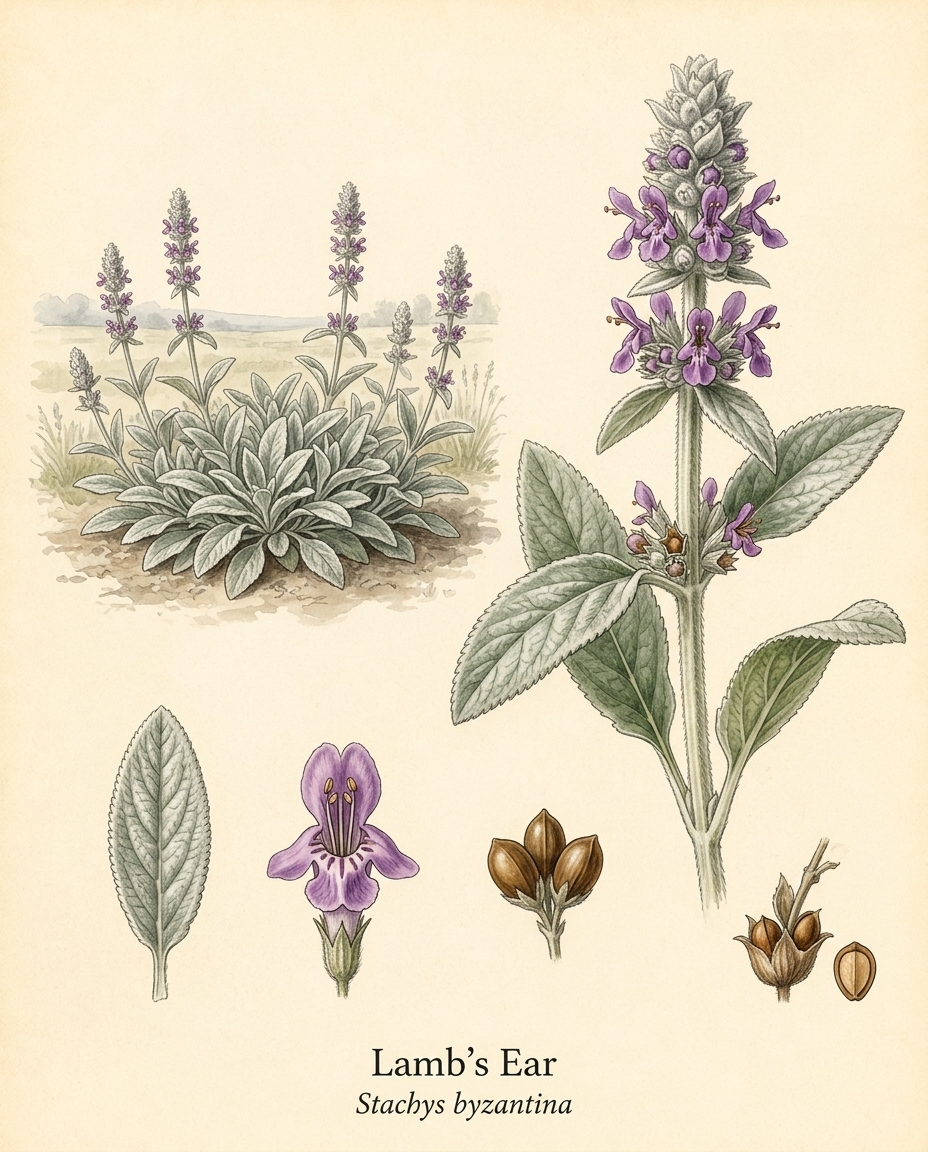
Lamb's Ear
Stachys byzantina
A reliable, well-suited combination.
- Different structural layer than Vine Maple
- Noticeable height difference for a layered look
- Blooms in summer — extends color when Vine Maple isn't flowering
- Silver foliage contrasts with Vine Maple
- Evergreen — holds structure through winter
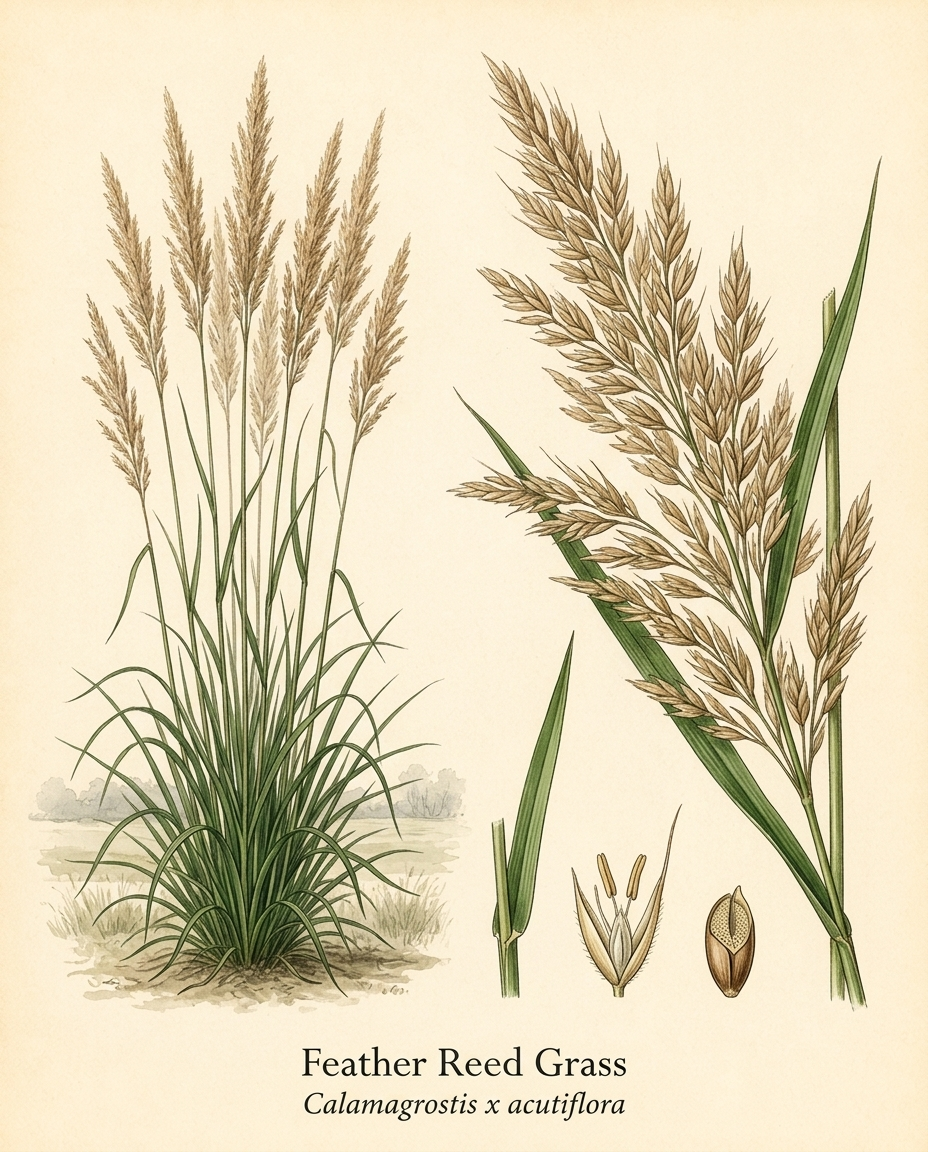
Feather Reed Grass
Calamagrostis x acutiflora
A reliable, well-suited combination.
- Different structural layer than Vine Maple
- Noticeable height difference for a layered look
- Blooms in fall and summer — extends color when Vine Maple isn't flowering
- Fine grass texture contrasts with Vine Maple's form
- Same water needs as Vine Maple — one irrigation zone
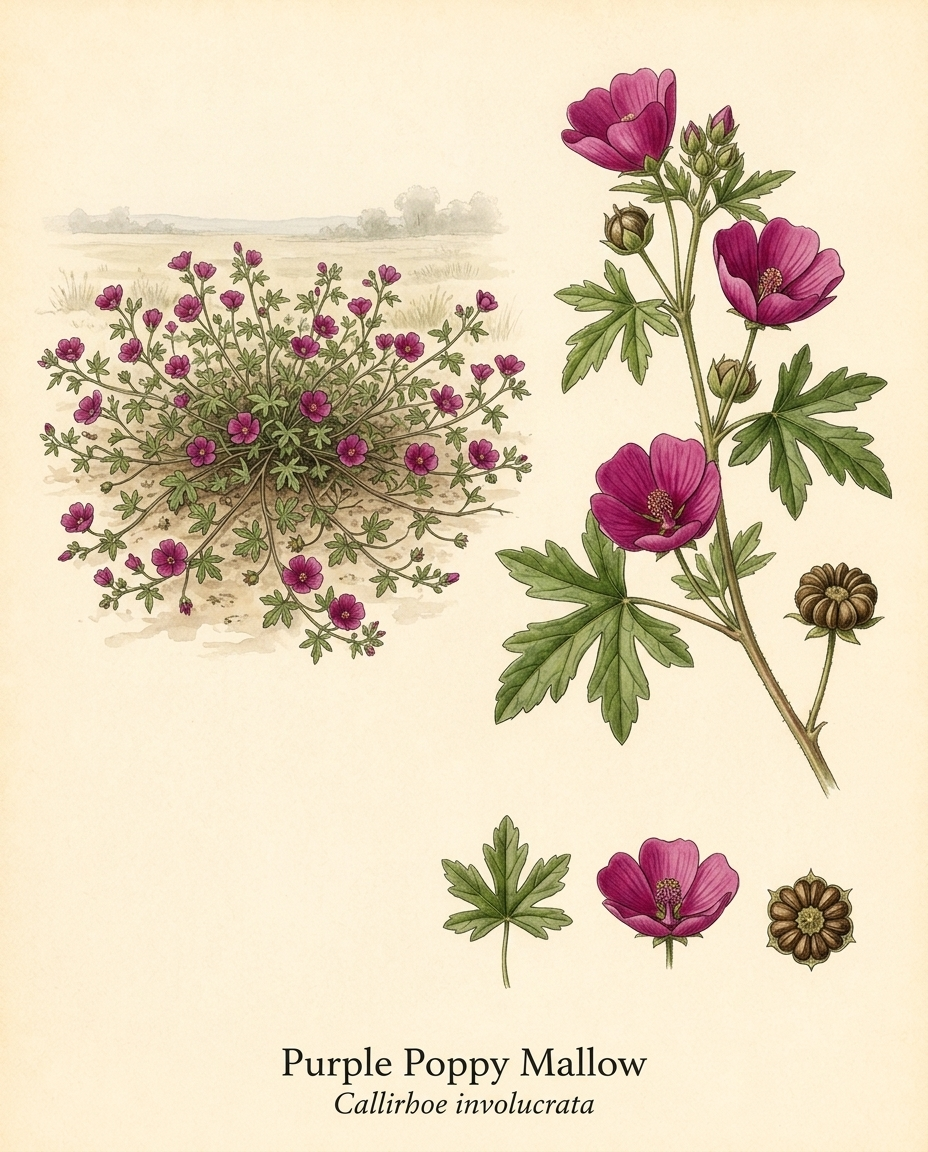
Purple Poppy Mallow
NativeCallirhoe involucrata
Works well together.
- Different structural layer than Vine Maple
- Noticeable height difference for a layered look
- Blooms in summer — extends color when Vine Maple isn't flowering
- Supports pollinators and wildlife
- Fire-resistant — good for defensible space
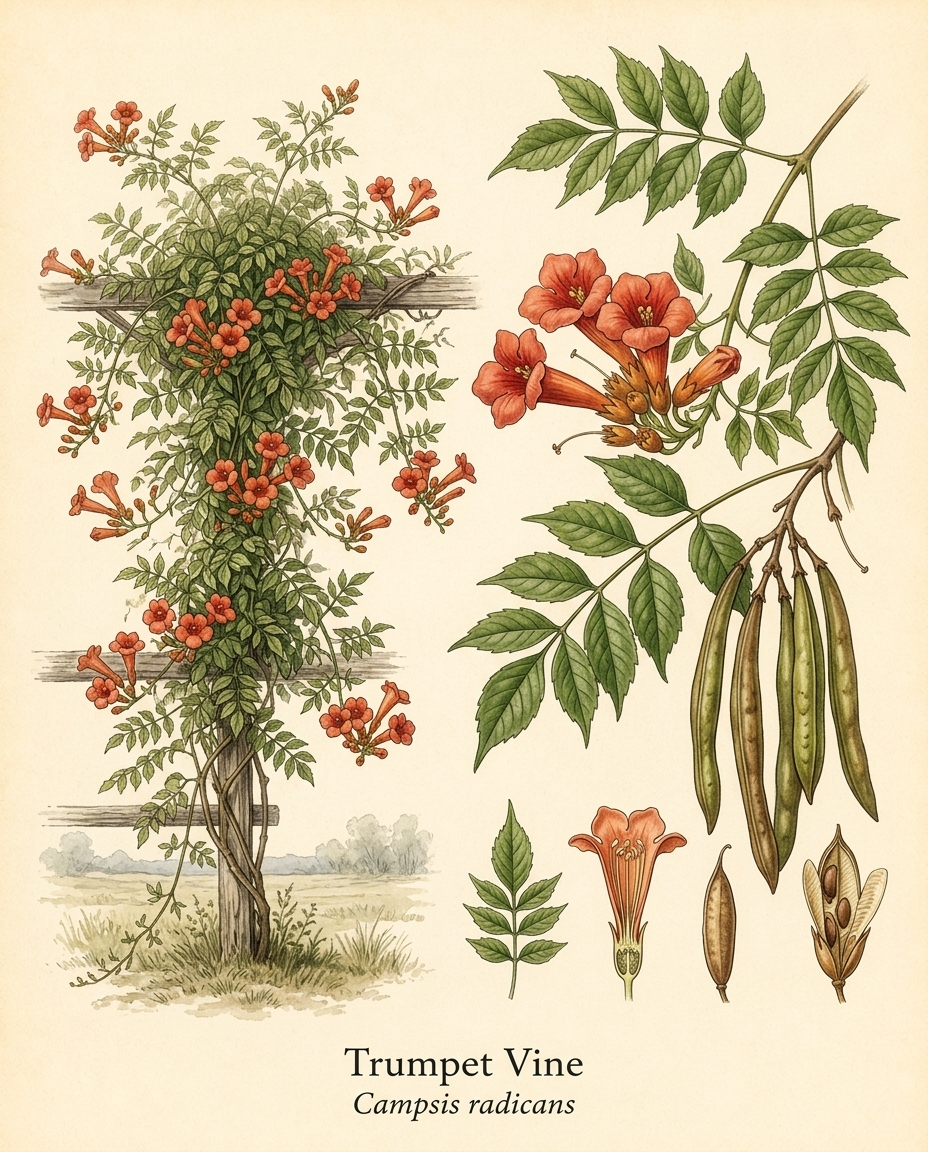
Trumpet Vine
NativeCampsis radicans
Works well together.
- Different structural layer than Vine Maple
- Noticeable height difference for a layered look
- Blooms in summer — extends color when Vine Maple isn't flowering
- Supports pollinators and wildlife
- Fire-resistant — good for defensible space
More that work
44 more compatible plants that pair well with Vine Maple, grouped by category. Pin any of them to your palette.
Groundcover (8)
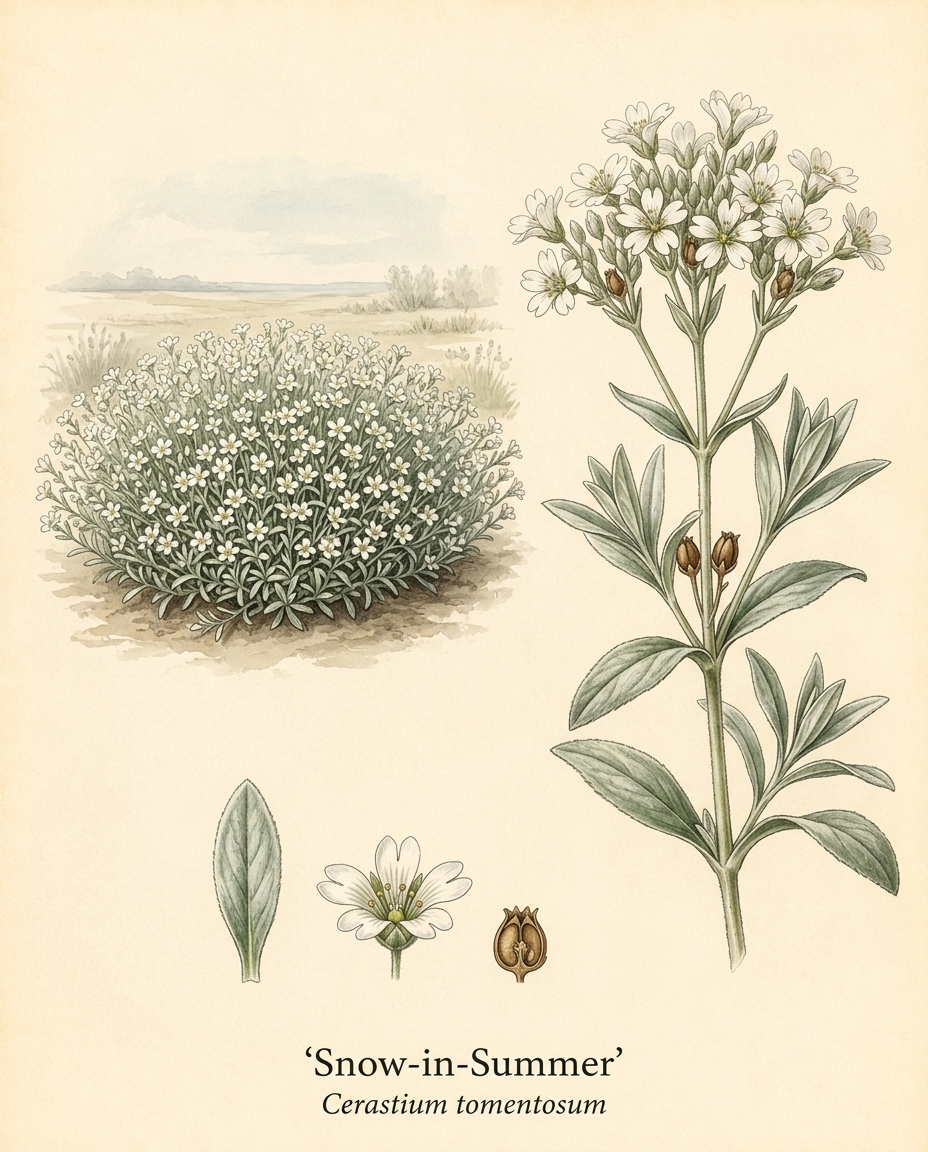
Snow-in-Summer
Cerastium tomentosum
A reliable, well-suited combination.
- Different structural layer than Vine Maple
- Noticeable height difference for a layered look
- Blooms in summer — extends color when Vine Maple isn't flowering
- Silver foliage contrasts with Vine Maple
- Evergreen — holds structure through winter
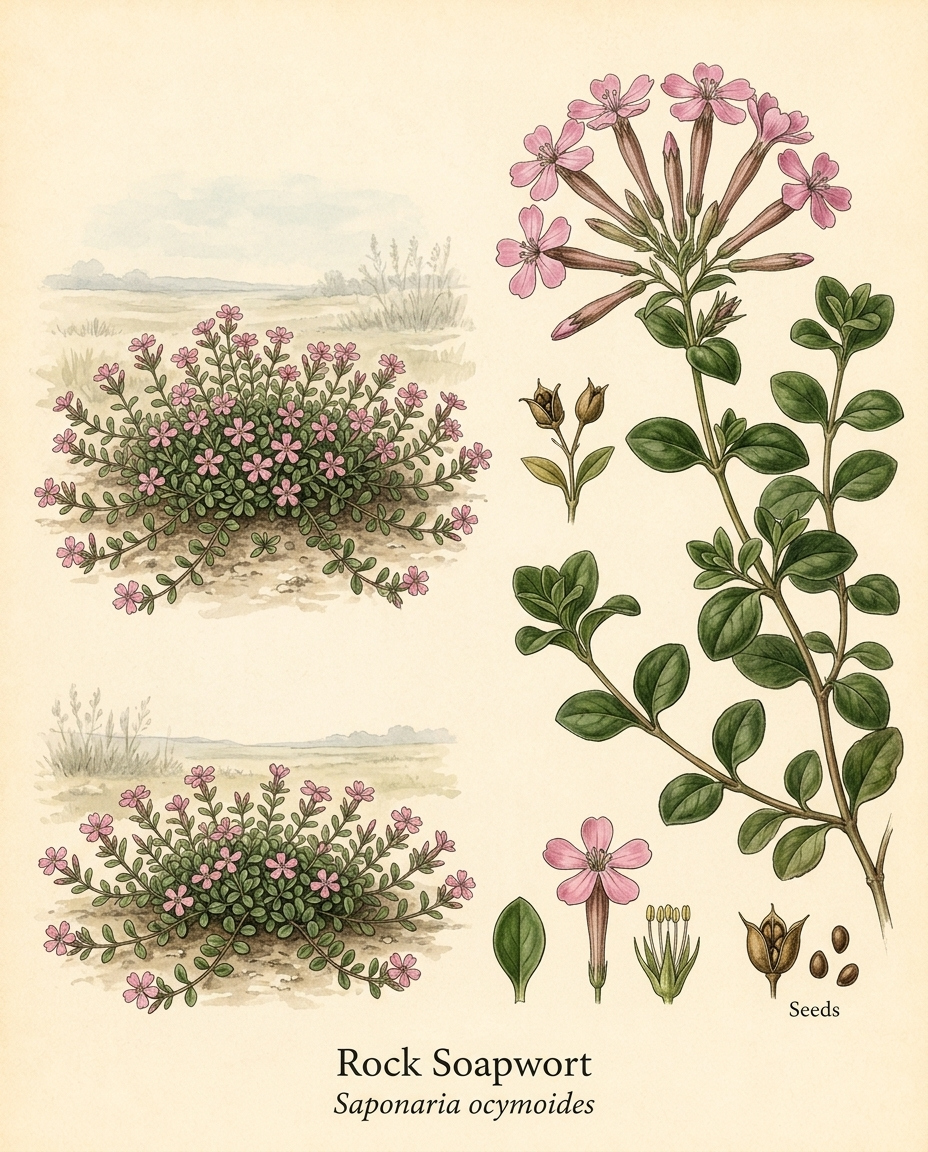
Rock Soapwort
Saponaria ocymoides
Works well together.
- Different structural layer than Vine Maple
- Noticeable height difference for a layered look
- Blooms in summer — extends color when Vine Maple isn't flowering
- Supports pollinators and wildlife
- Fire-resistant — good for defensible space
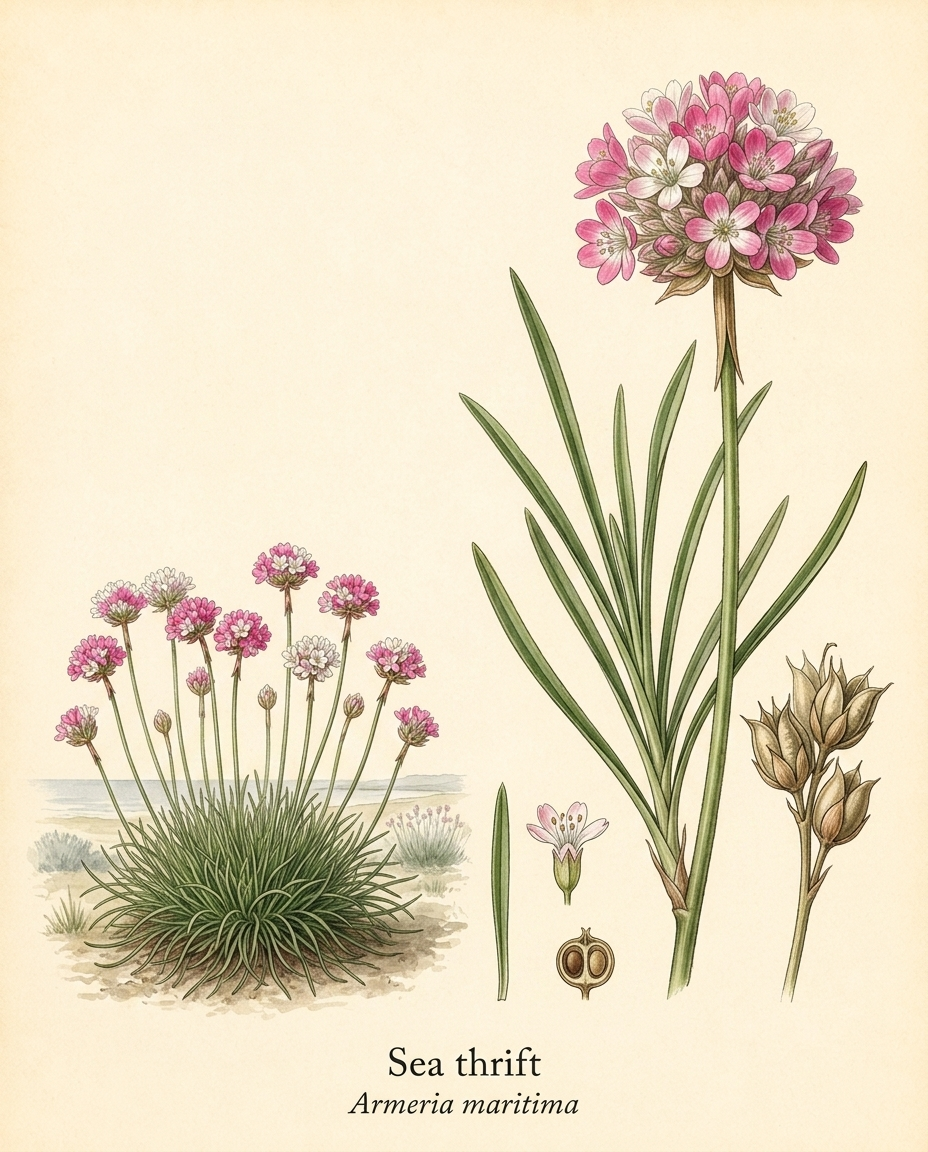
Sea thrift
Armeria maritima
Works well together.
- Different structural layer than Vine Maple
- Noticeable height difference for a layered look
- Blooms in summer — extends color when Vine Maple isn't flowering
- Fire-resistant — good for defensible space
- Same water needs as Vine Maple — one irrigation zone
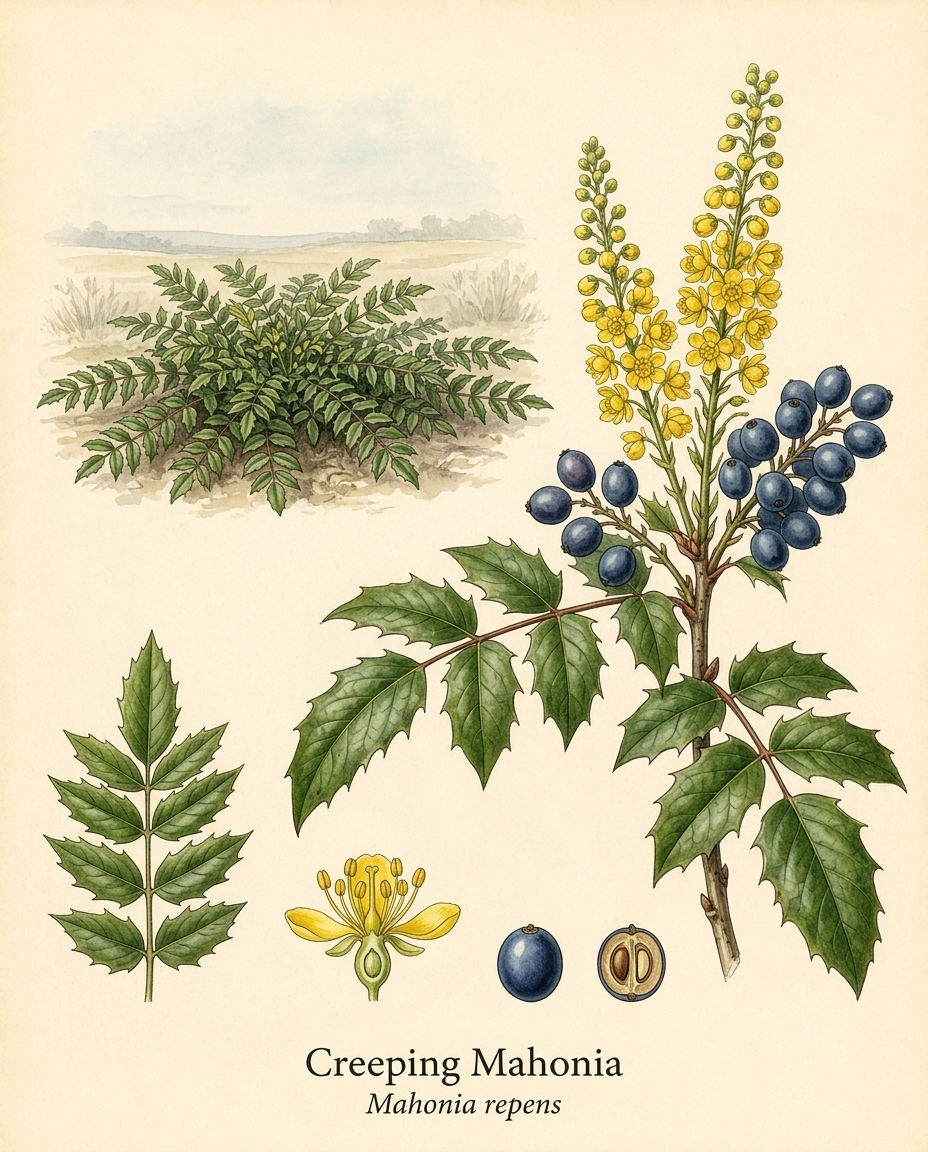
Creeping Mahonia
NativeMahonia repens
Works well together.
- Different structural layer than Vine Maple
- Noticeable height difference for a layered look
- Evergreen — holds structure through winter
- Supports pollinators and wildlife
- Fire-resistant — good for defensible space
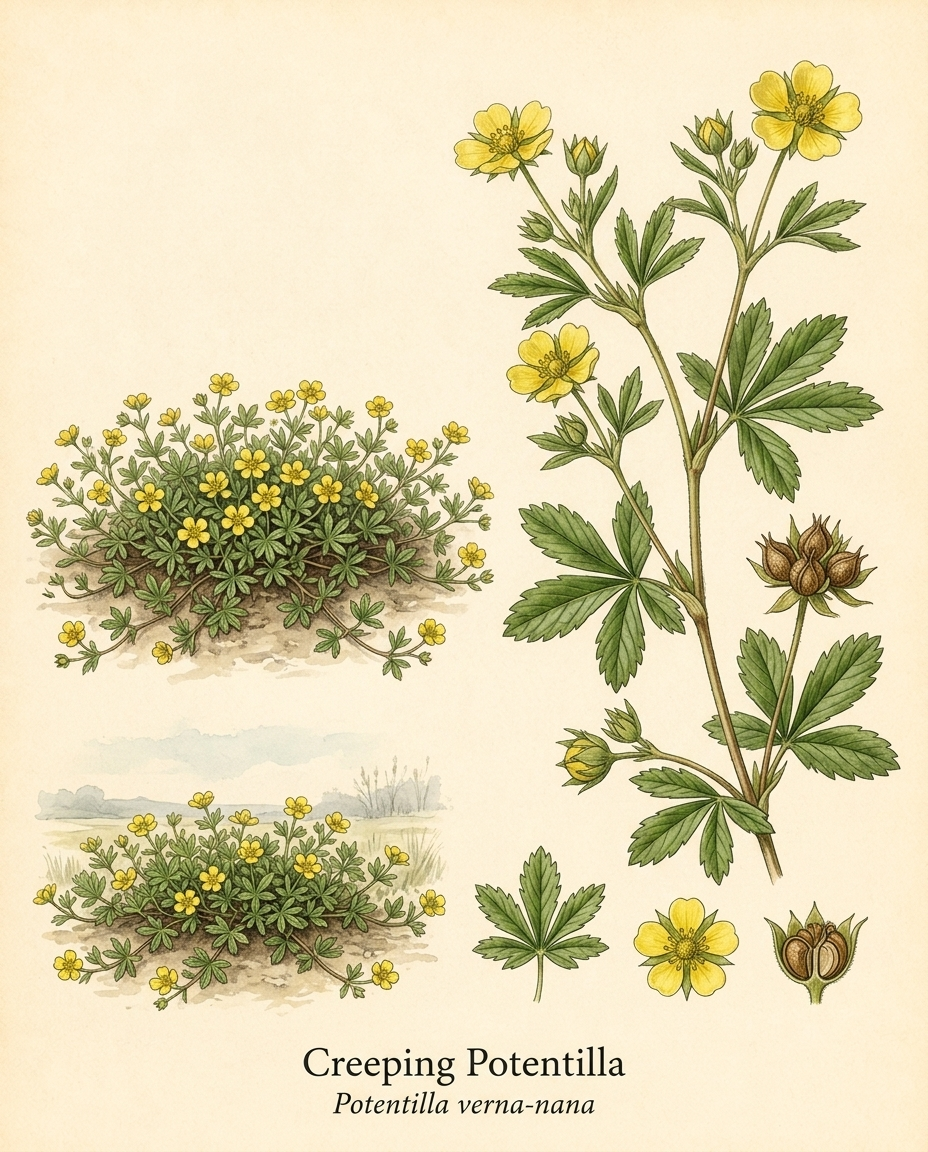
Creeping Potentilla
NativePotentilla verna-nana
Works well together.
- Different structural layer than Vine Maple
- Noticeable height difference for a layered look
- Blooms in summer — extends color when Vine Maple isn't flowering
- Same water needs as Vine Maple — one irrigation zone
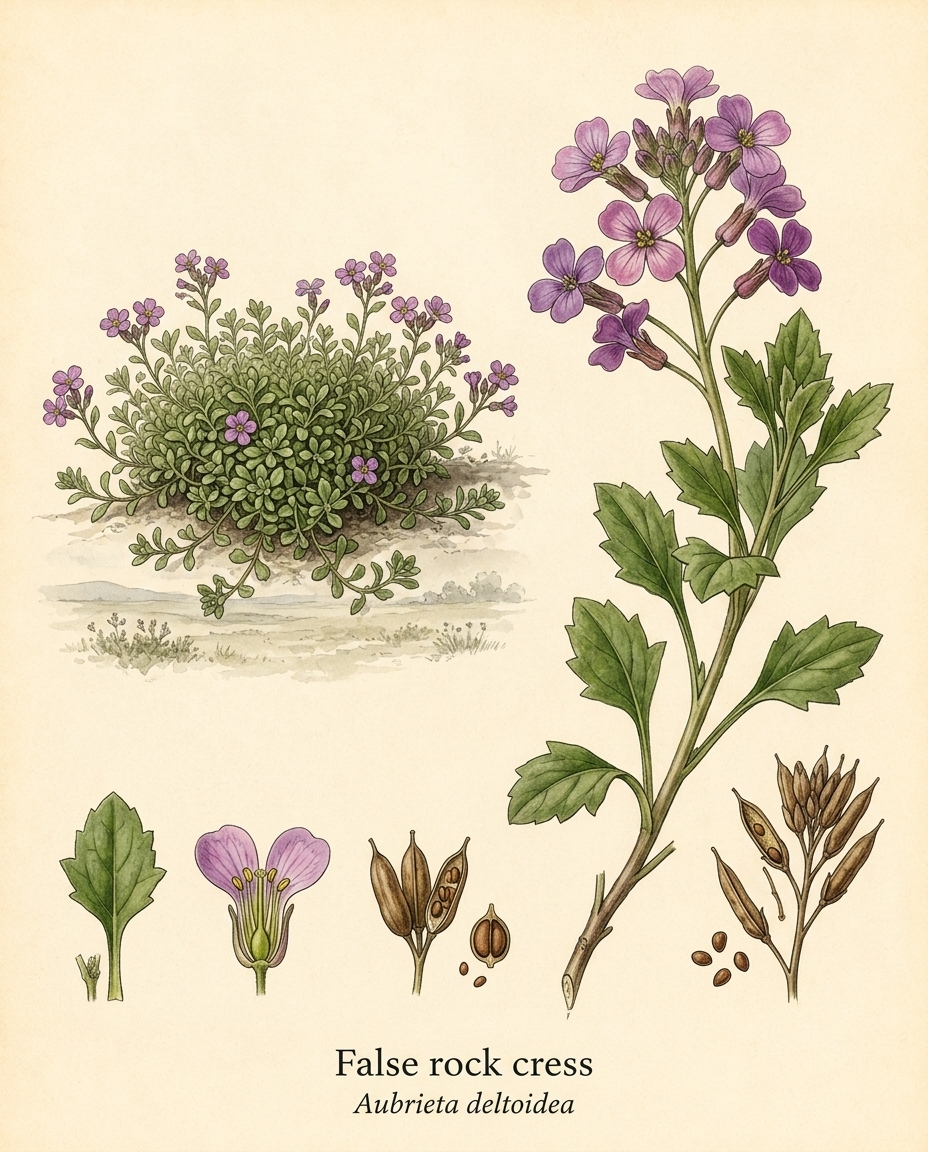
False rock cress
Aubrieta deltoidea
Works well together.
- Different structural layer than Vine Maple
- Noticeable height difference for a layered look
- Supports pollinators and wildlife
- Fire-resistant — good for defensible space
- Same water needs as Vine Maple — one irrigation zone
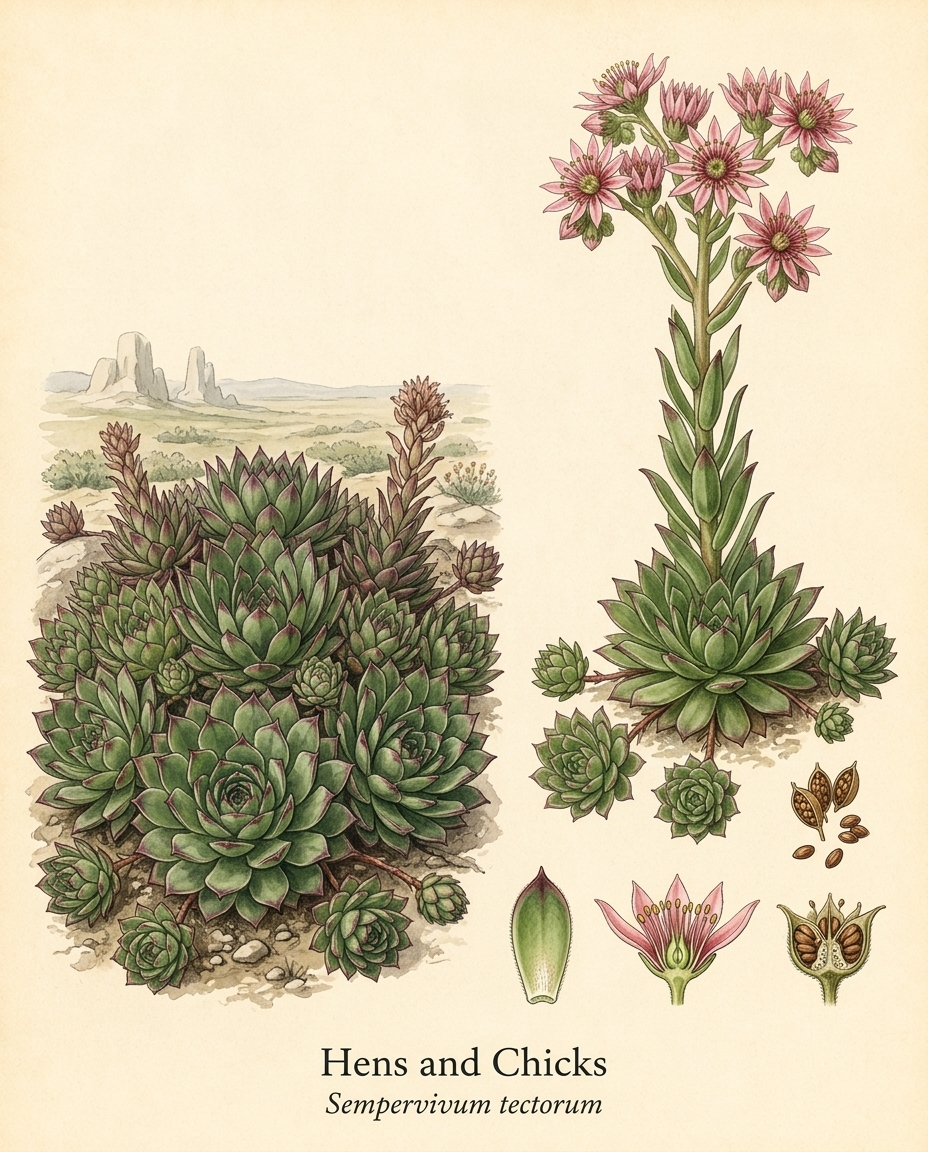
Hens and Chicks
Sempervivum tectorum
Works well together.
- Different structural layer than Vine Maple
- Noticeable height difference for a layered look
- Blooms in summer — extends color when Vine Maple isn't flowering
- Evergreen — holds structure through winter
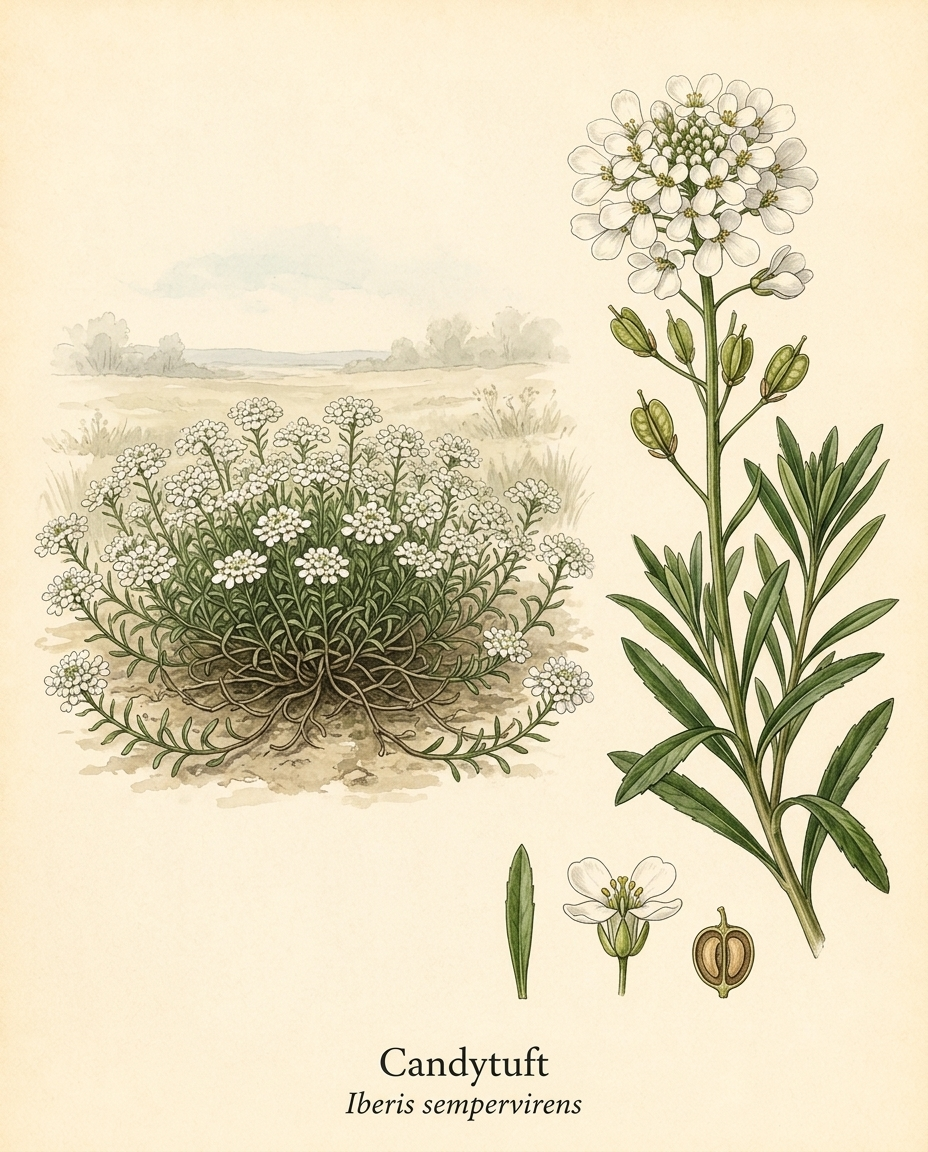
Candytuft
Iberis sempervirens
Compatible on water, sun, and zone. Whether the combination reads well is your call.
- Different structural layer than Vine Maple
- Noticeable height difference for a layered look
- Fire-resistant — good for defensible space
- Same water needs as Vine Maple — one irrigation zone
Perennial (12)
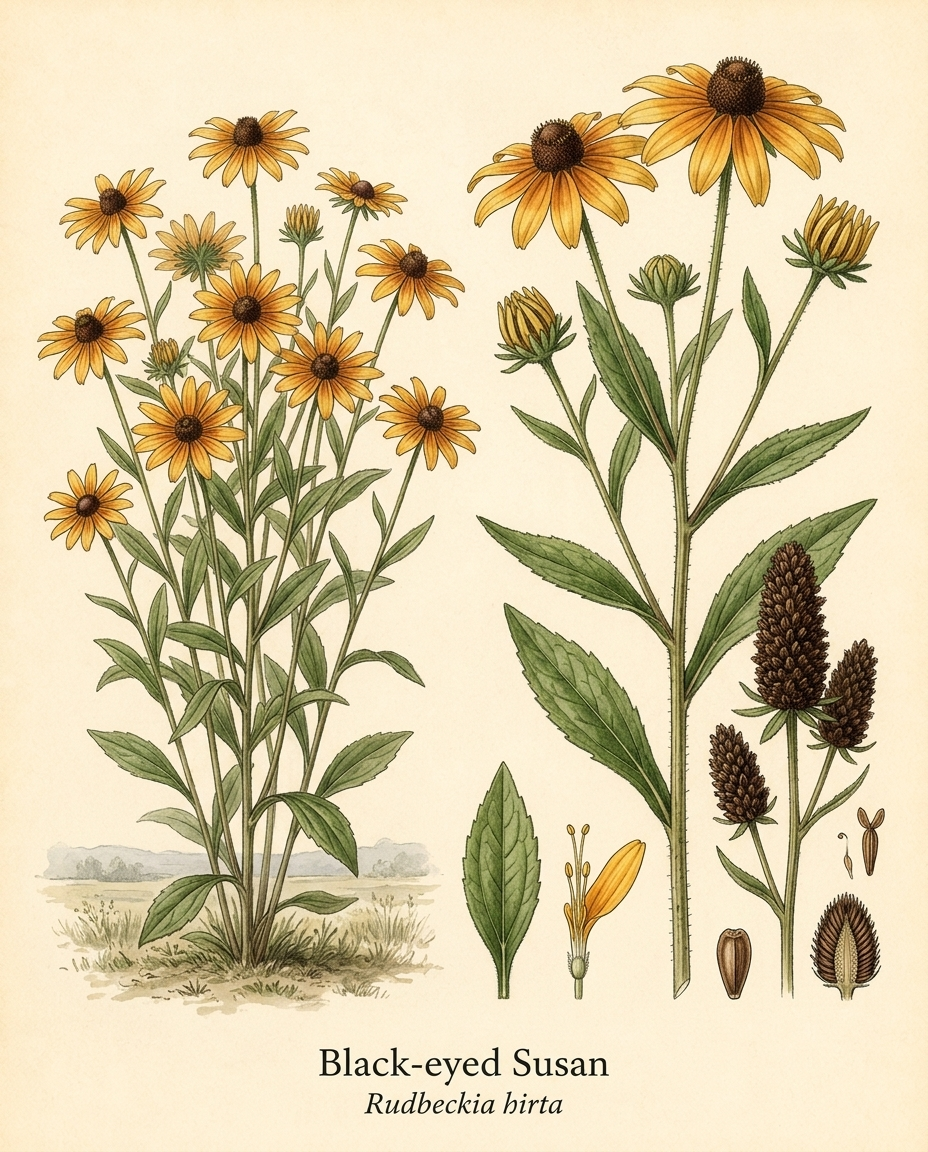
Black-eyed Susan
NativeRudbeckia hirta
Works well together.
- Different structural layer than Vine Maple
- Noticeable height difference for a layered look
- Blooms in fall and summer — extends color when Vine Maple isn't flowering
- Same water needs as Vine Maple — one irrigation zone
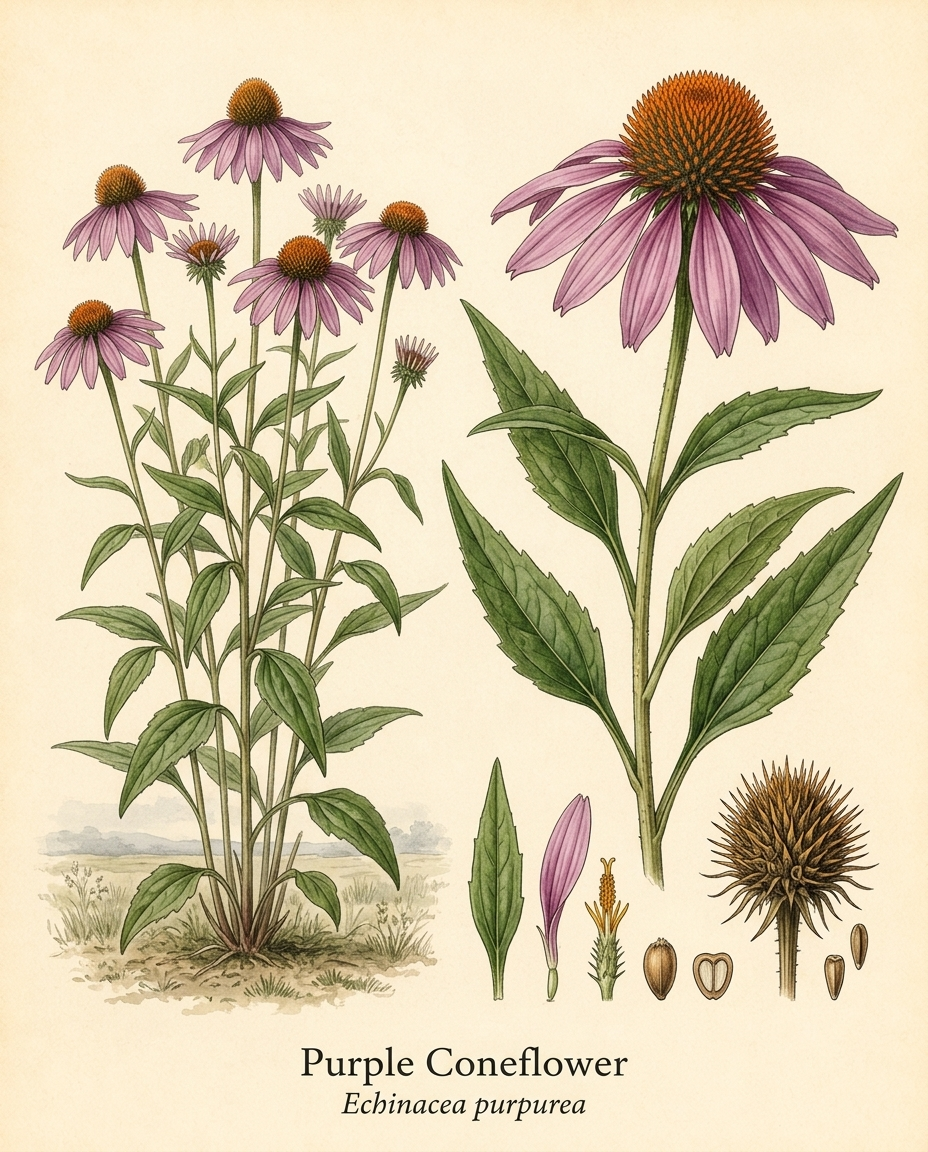
Purple Coneflower
NativeEchinacea purpurea
Works well together.
- Different structural layer than Vine Maple
- Noticeable height difference for a layered look
- Blooms in fall and summer — extends color when Vine Maple isn't flowering
- Same water needs as Vine Maple — one irrigation zone
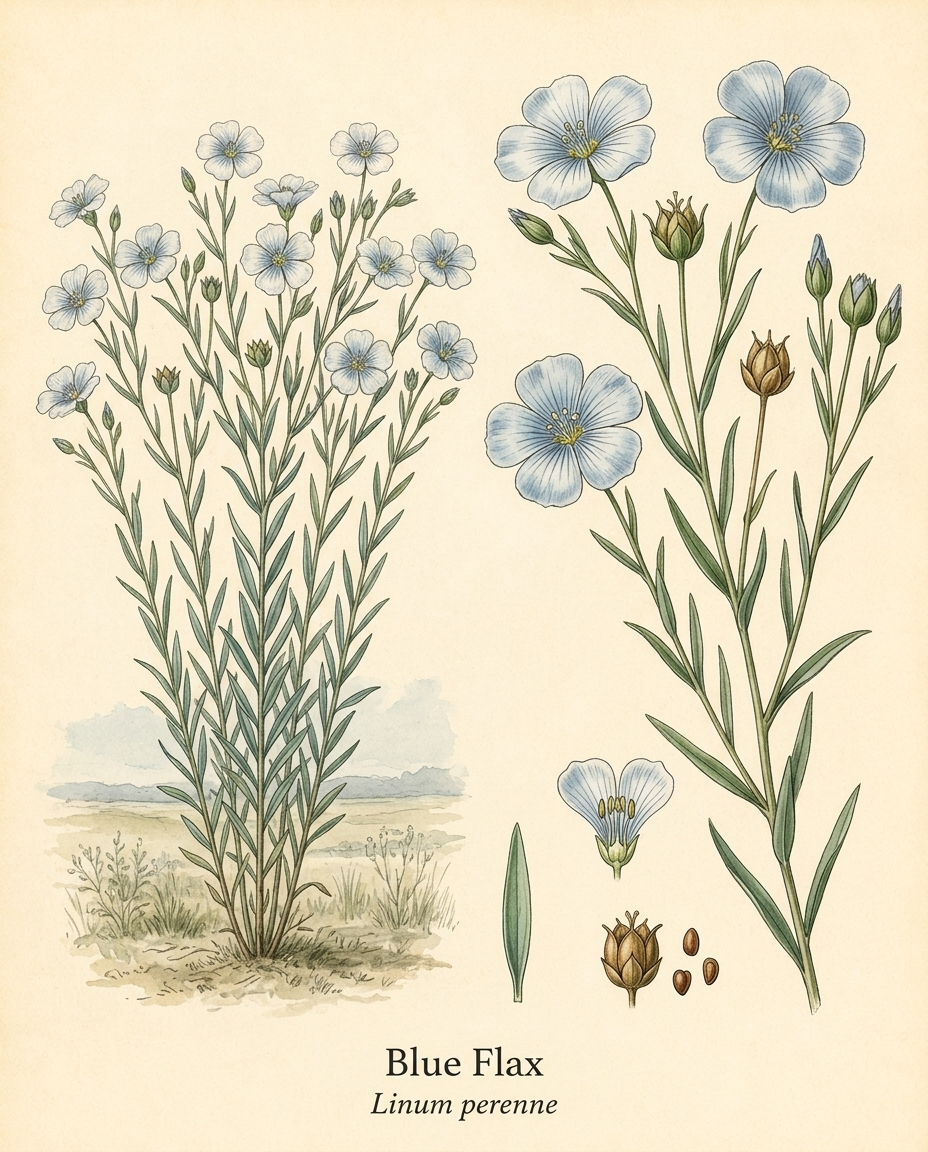
Blue Flax
NativeLinum perenne
Works well together.
- Different structural layer than Vine Maple
- Noticeable height difference for a layered look
- Blooms in summer — extends color when Vine Maple isn't flowering
- Supports pollinators and wildlife
- Fire-resistant — good for defensible space
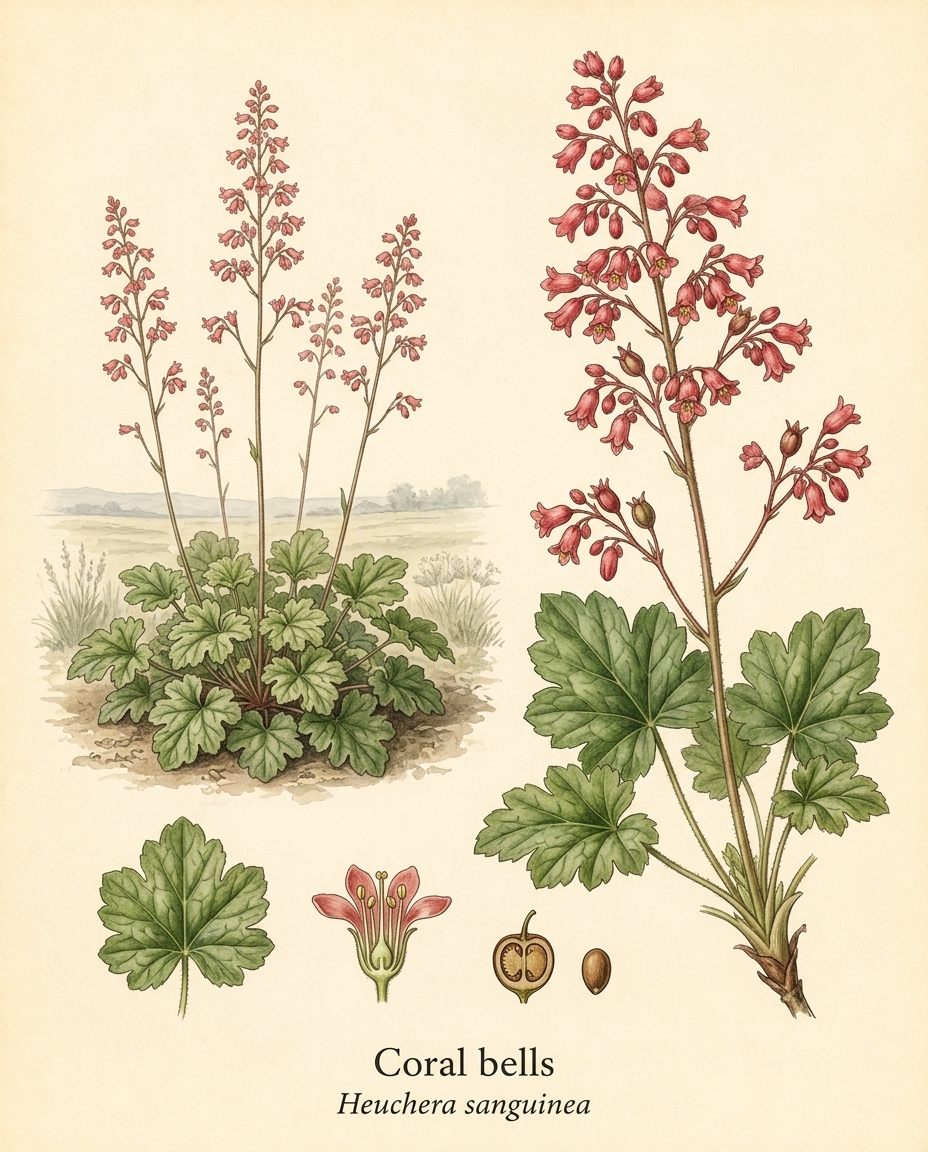
Coral bells
Heuchera sanguinea
Works well together.
- Different structural layer than Vine Maple
- Noticeable height difference for a layered look
- Blooms in summer — extends color when Vine Maple isn't flowering
- Supports pollinators and wildlife
- Fire-resistant — good for defensible space
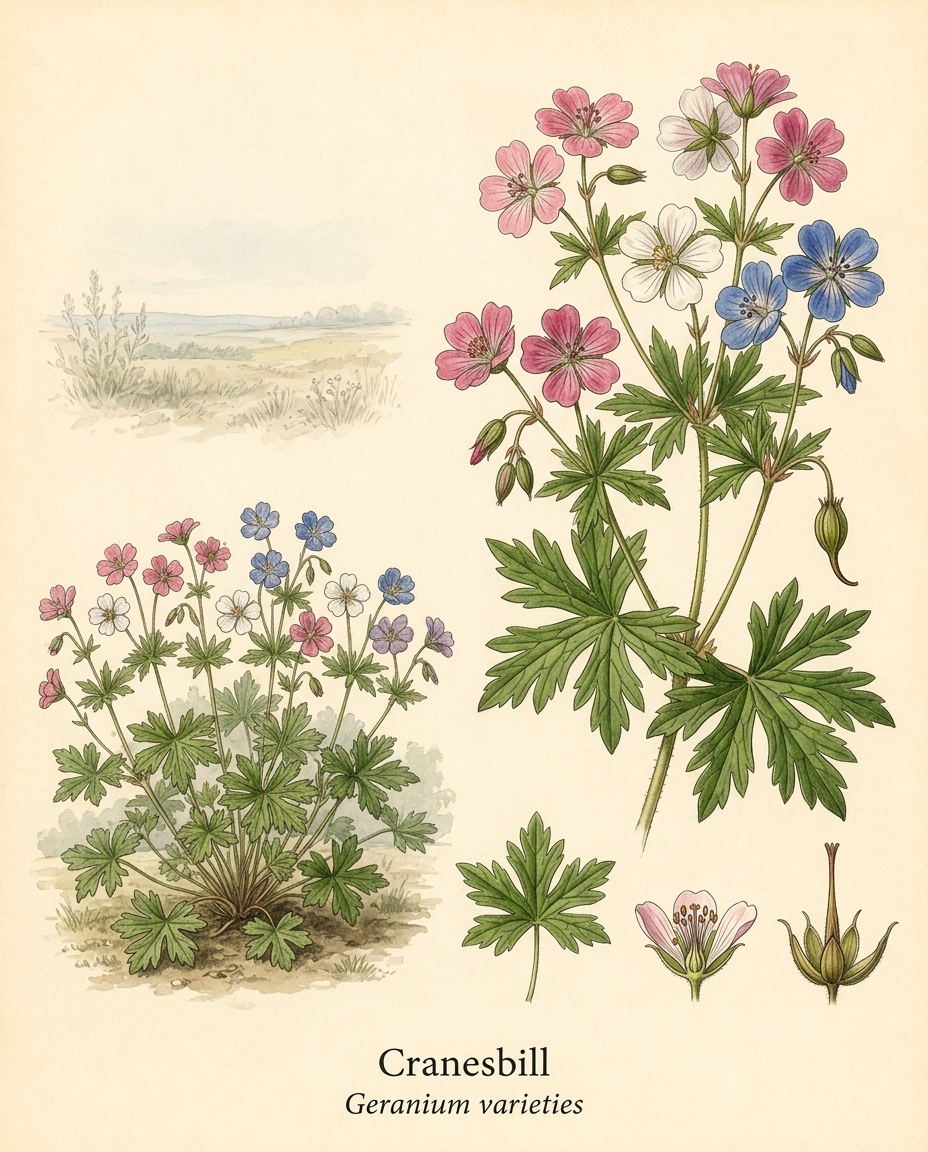
Cranesbill
Geranium varieties
Works well together.
- Different structural layer than Vine Maple
- Noticeable height difference for a layered look
- Blooms in summer — extends color when Vine Maple isn't flowering
- Fire-resistant — good for defensible space
- Same water needs as Vine Maple — one irrigation zone
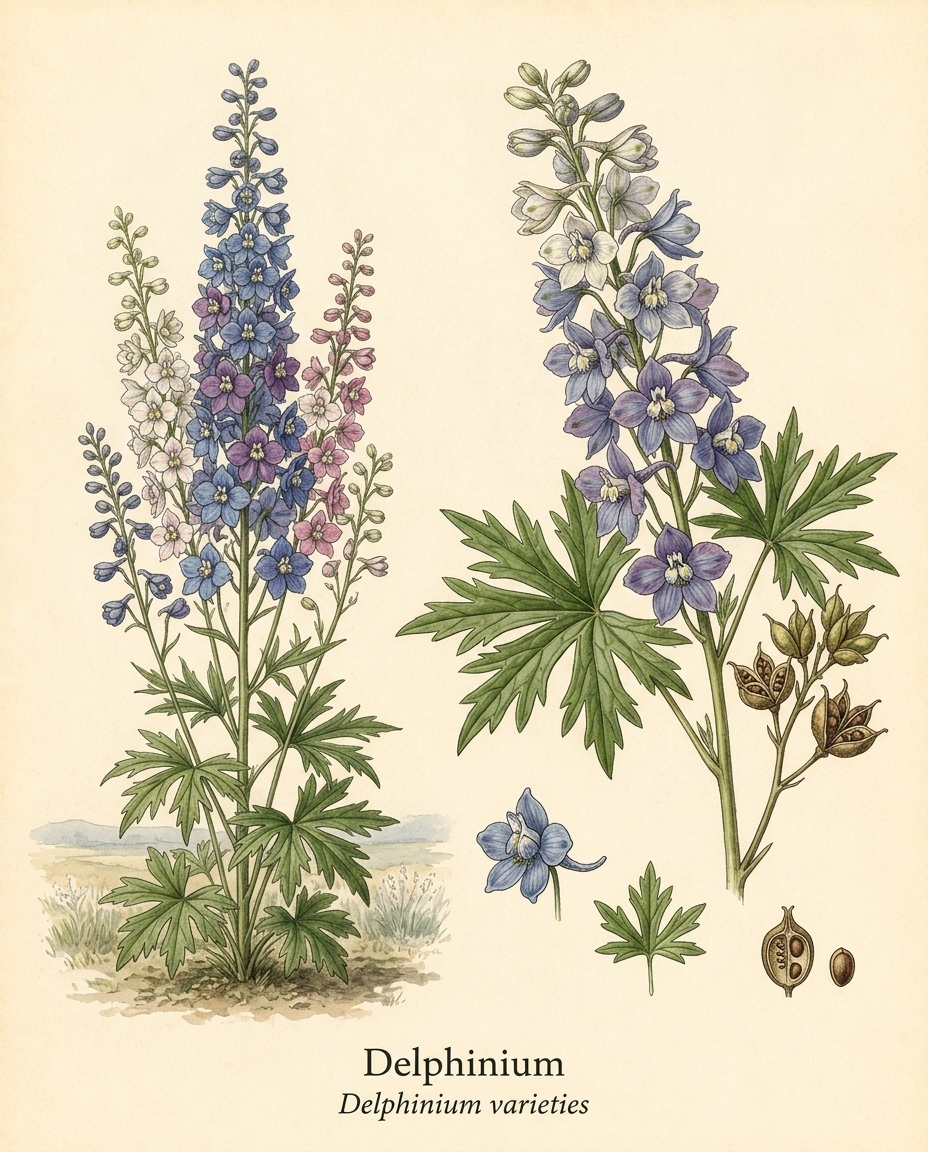
Delphinium
Delphinium varieties
Works well together.
- Different structural layer than Vine Maple
- Noticeable height difference for a layered look
- Blooms in summer — extends color when Vine Maple isn't flowering
- Fire-resistant — good for defensible space
- Same water needs as Vine Maple — one irrigation zone
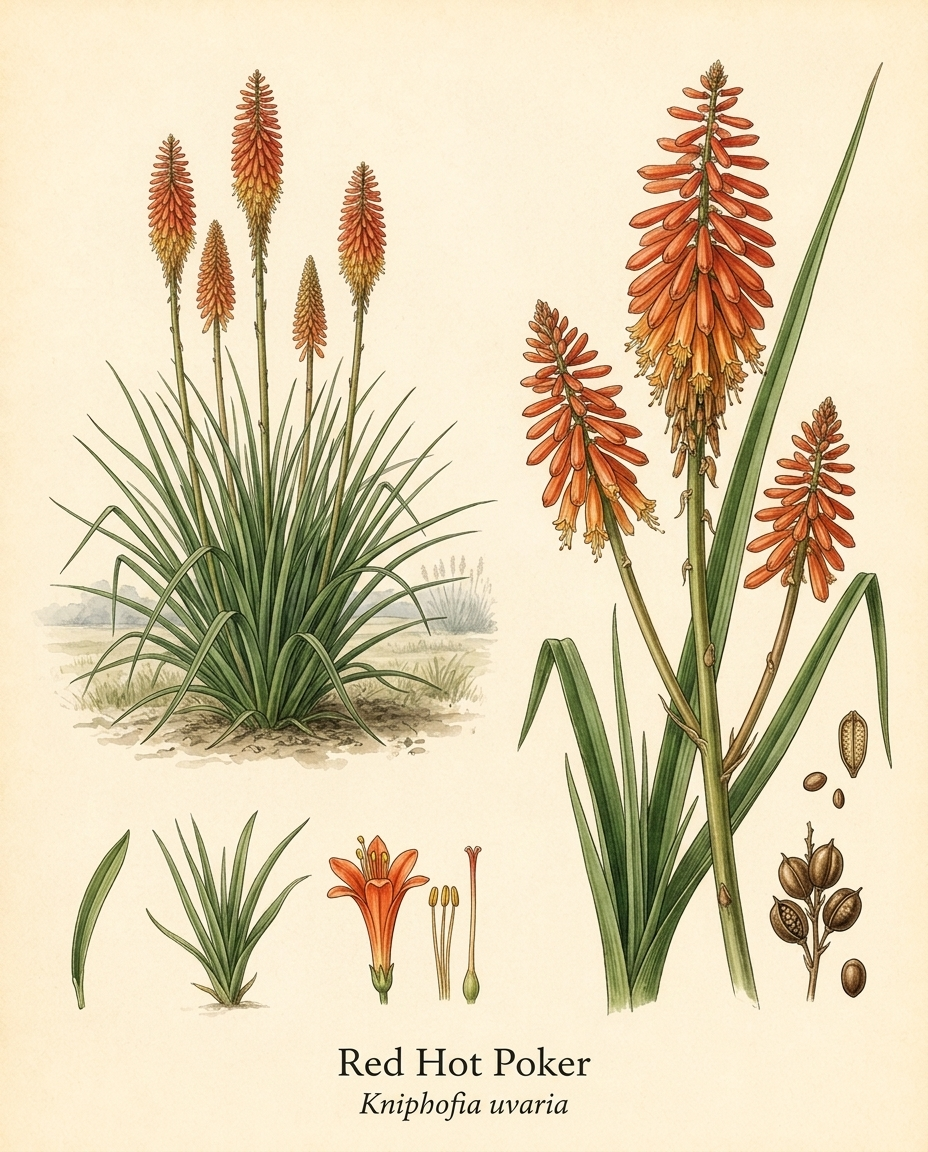
Red Hot Poker
Kniphofia uvaria
Works well together.
- Different structural layer than Vine Maple
- Noticeable height difference for a layered look
- Blooms in summer — extends color when Vine Maple isn't flowering
- Evergreen — holds structure through winter
- Fire-resistant — good for defensible space
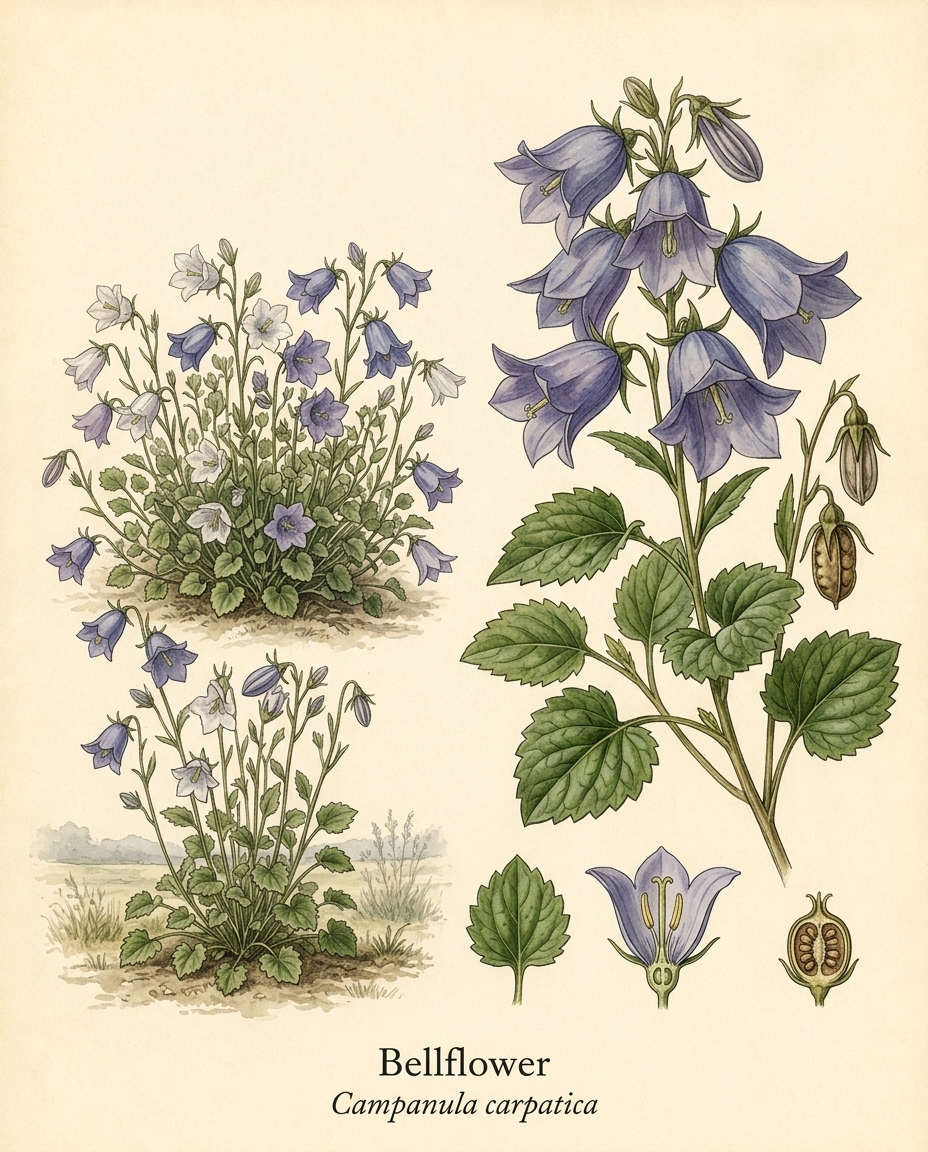
Bellflower
Campanula carpatica
Compatible on water, sun, and zone. Whether the combination reads well is your call.
- Different structural layer than Vine Maple
- Noticeable height difference for a layered look
- Blooms in summer — extends color when Vine Maple isn't flowering
- Fire-resistant — good for defensible space
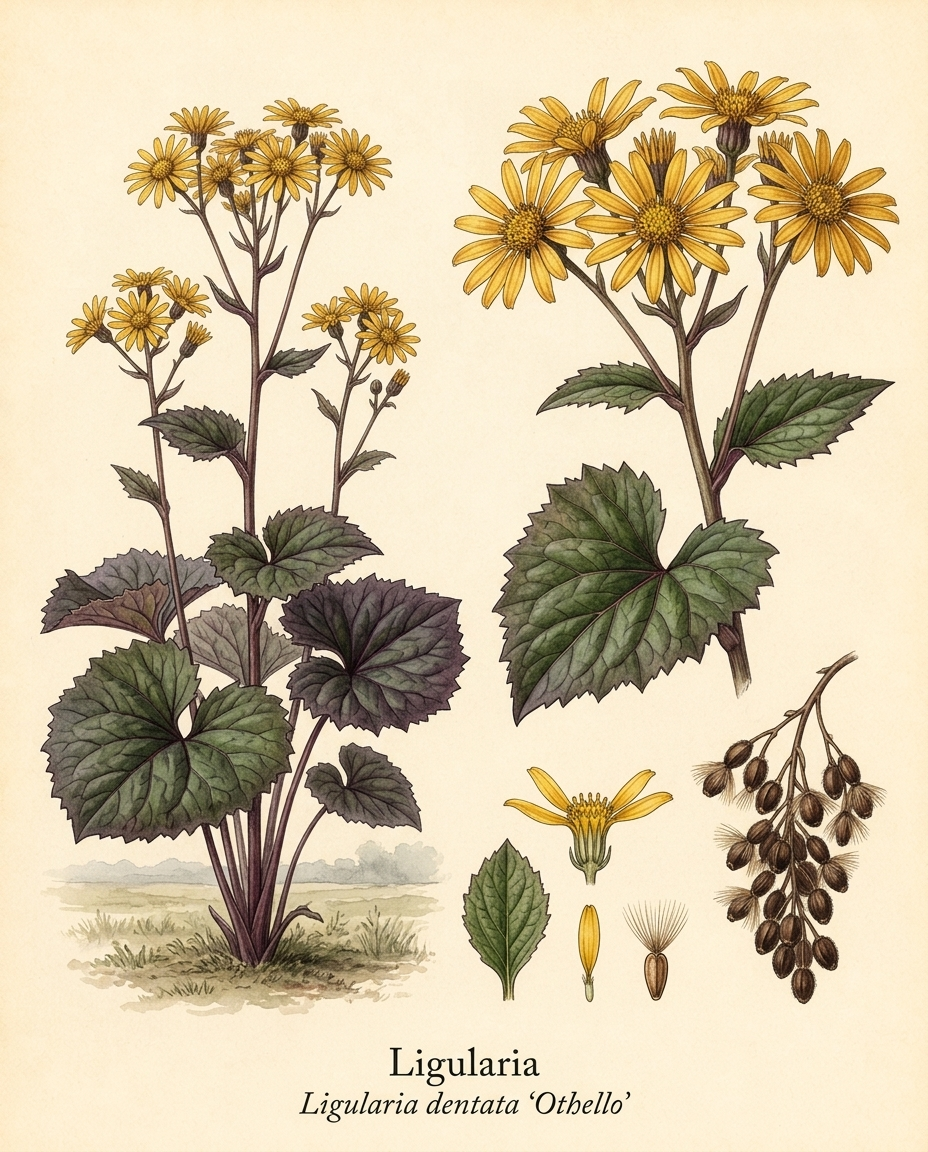
Ligularia
Ligularia dentata ‘Othello’
Compatible on water, sun, and zone. Whether the combination reads well is your call.
- Different structural layer than Vine Maple
- Noticeable height difference for a layered look
- Blooms in summer — extends color when Vine Maple isn't flowering
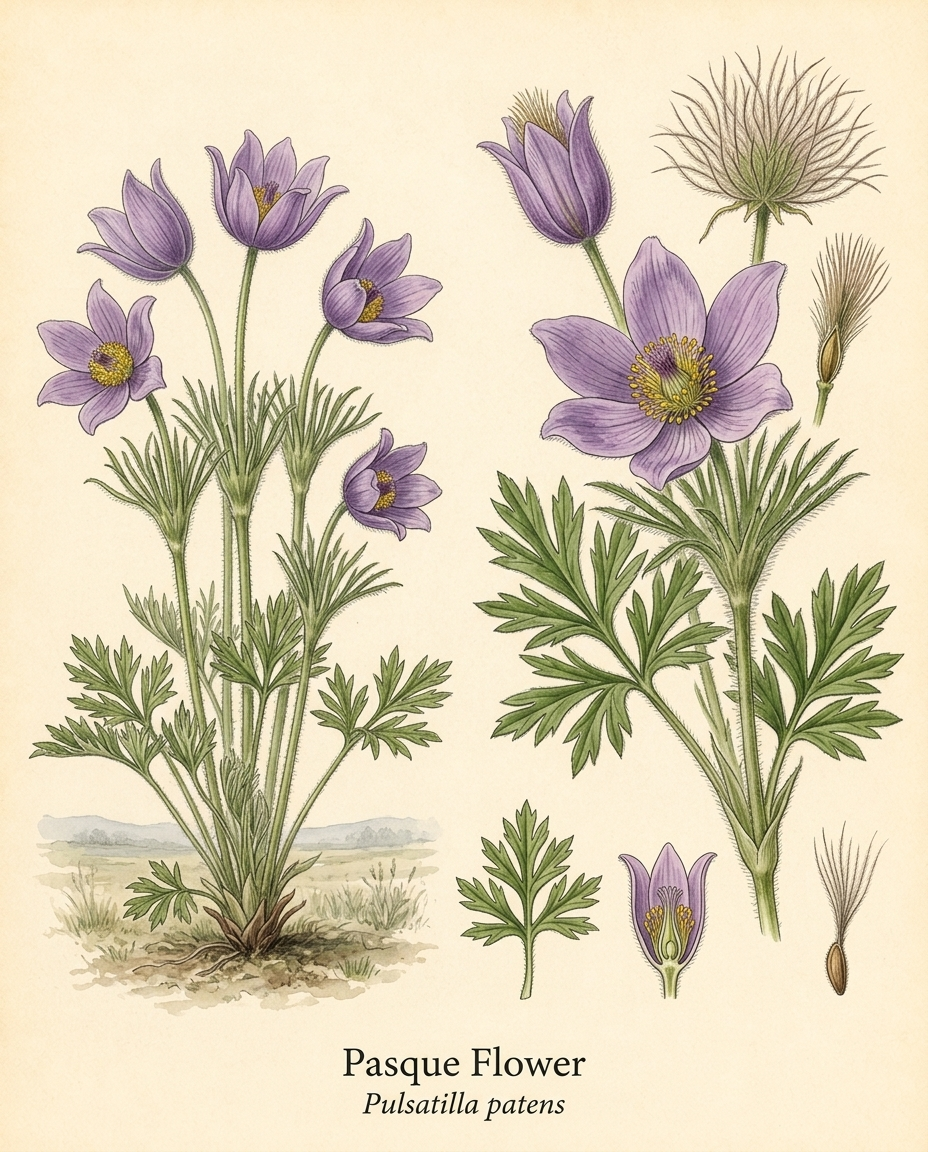
Pasque Flower
NativePulsatilla patens
Compatible on water, sun, and zone. Whether the combination reads well is your call.
- Different structural layer than Vine Maple
- Noticeable height difference for a layered look
- Same water needs as Vine Maple — one irrigation zone
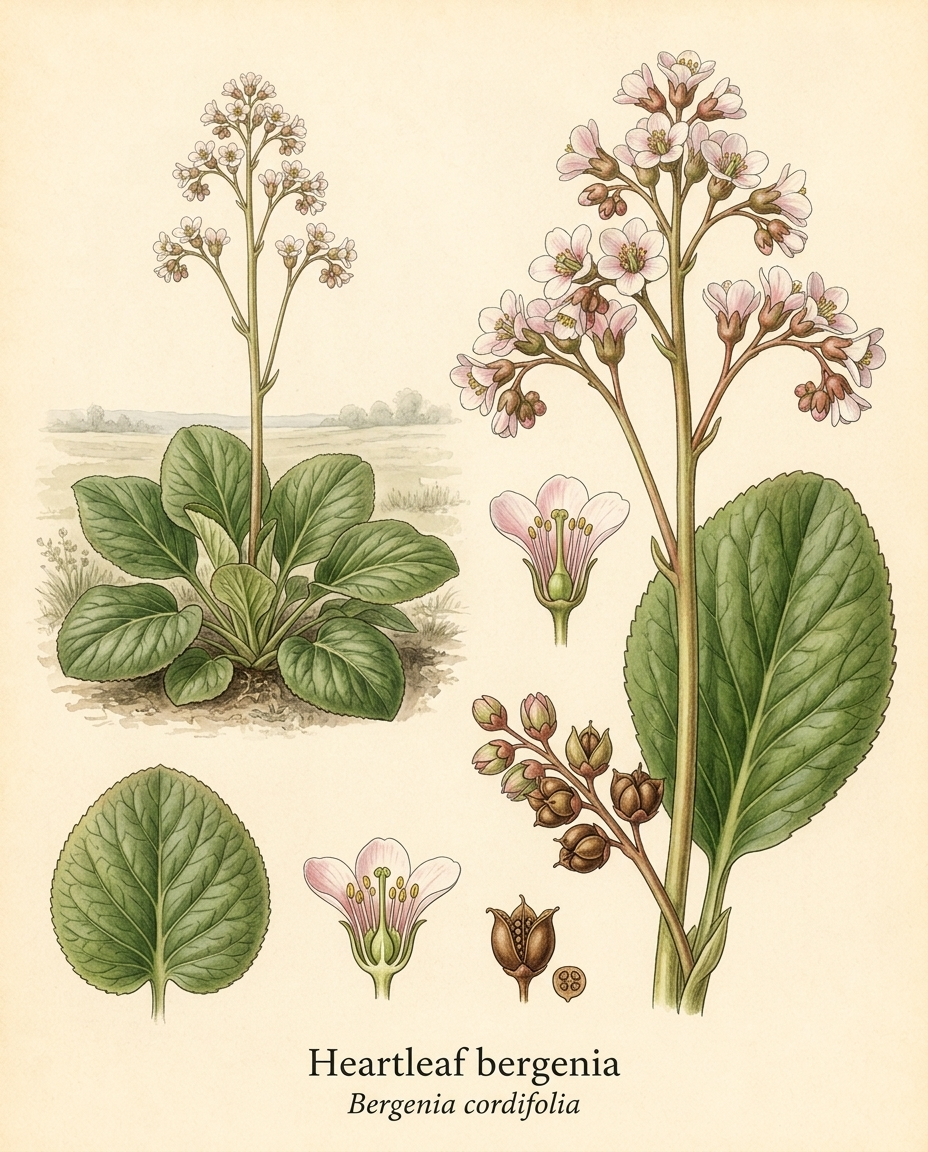
Heartleaf bergenia
Bergenia cordifolia
Compatible on water, sun, and zone. Whether the combination reads well is your call.
- Different structural layer than Vine Maple
- Noticeable height difference for a layered look
- Fire-resistant — good for defensible space
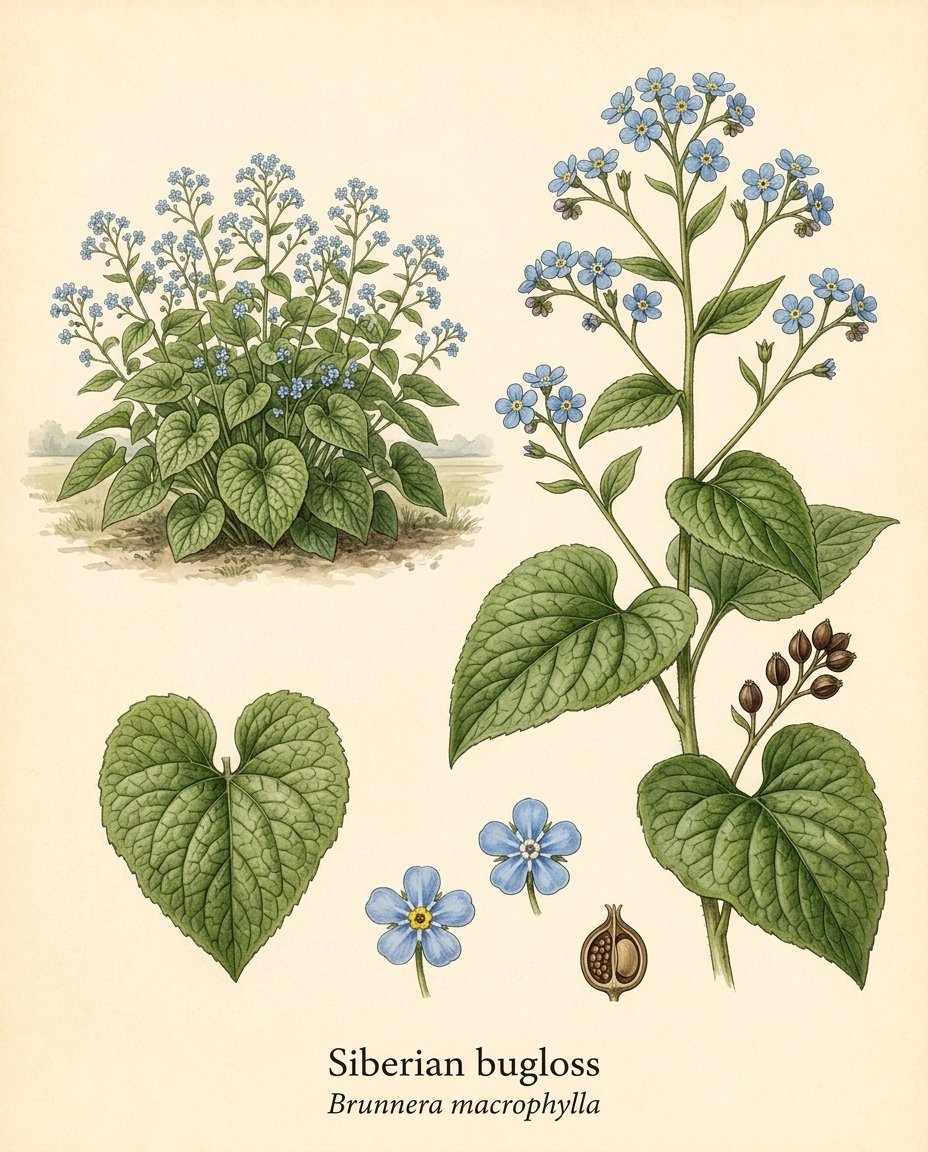
Siberian bugloss
Brunnera macrophylla
Compatible on water, sun, and zone. Whether the combination reads well is your call.
- Different structural layer than Vine Maple
- Noticeable height difference for a layered look
- Fire-resistant — good for defensible space
Vine (4)
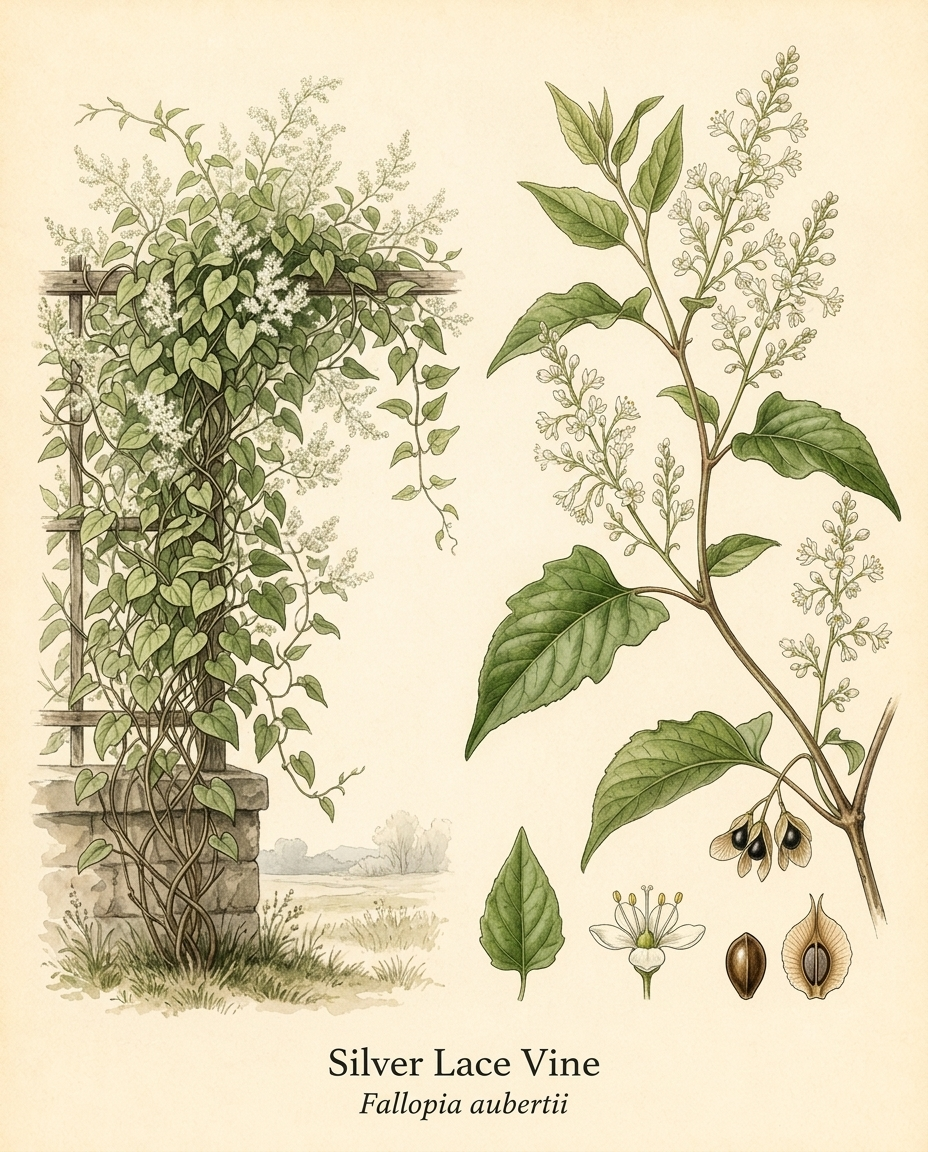
Silver Lace Vine
Fallopia aubertii
Works well together.
- Different structural layer than Vine Maple
- Noticeable height difference for a layered look
- Blooms in fall and summer — extends color when Vine Maple isn't flowering
- Same water needs as Vine Maple — one irrigation zone
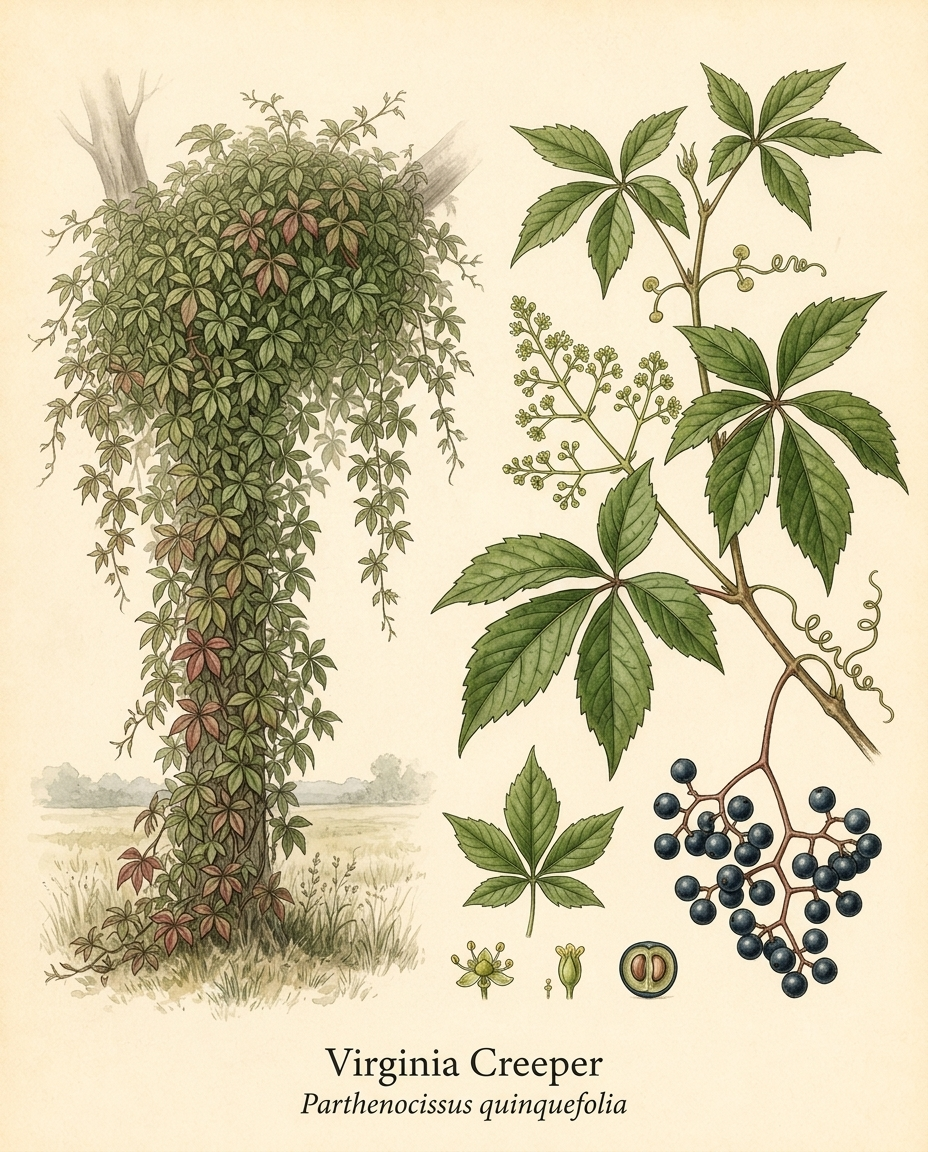
Virginia Creeper
NativeParthenocissus quinquefolia
Works well together.
- Different structural layer than Vine Maple
- Noticeable height difference for a layered look
- Blooms in summer — extends color when Vine Maple isn't flowering
- Supports pollinators and wildlife
- Same water needs as Vine Maple — one irrigation zone
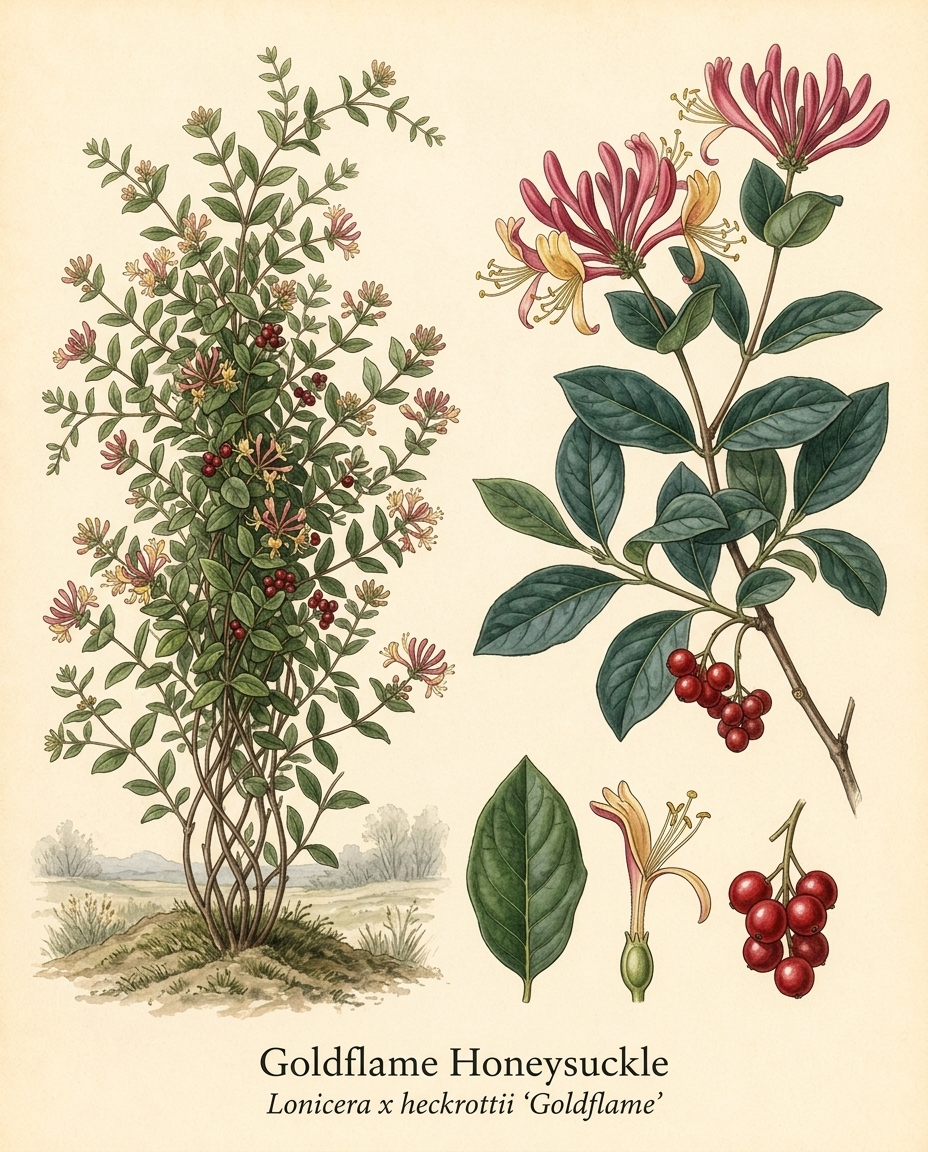
Goldflame Honeysuckle
Lonicera x heckrottii ‘Goldflame’
Works well together.
- Different structural layer than Vine Maple
- Noticeable height difference for a layered look
- Blooms in summer — extends color when Vine Maple isn't flowering
- Supports pollinators and wildlife
- Fire-resistant — good for defensible space
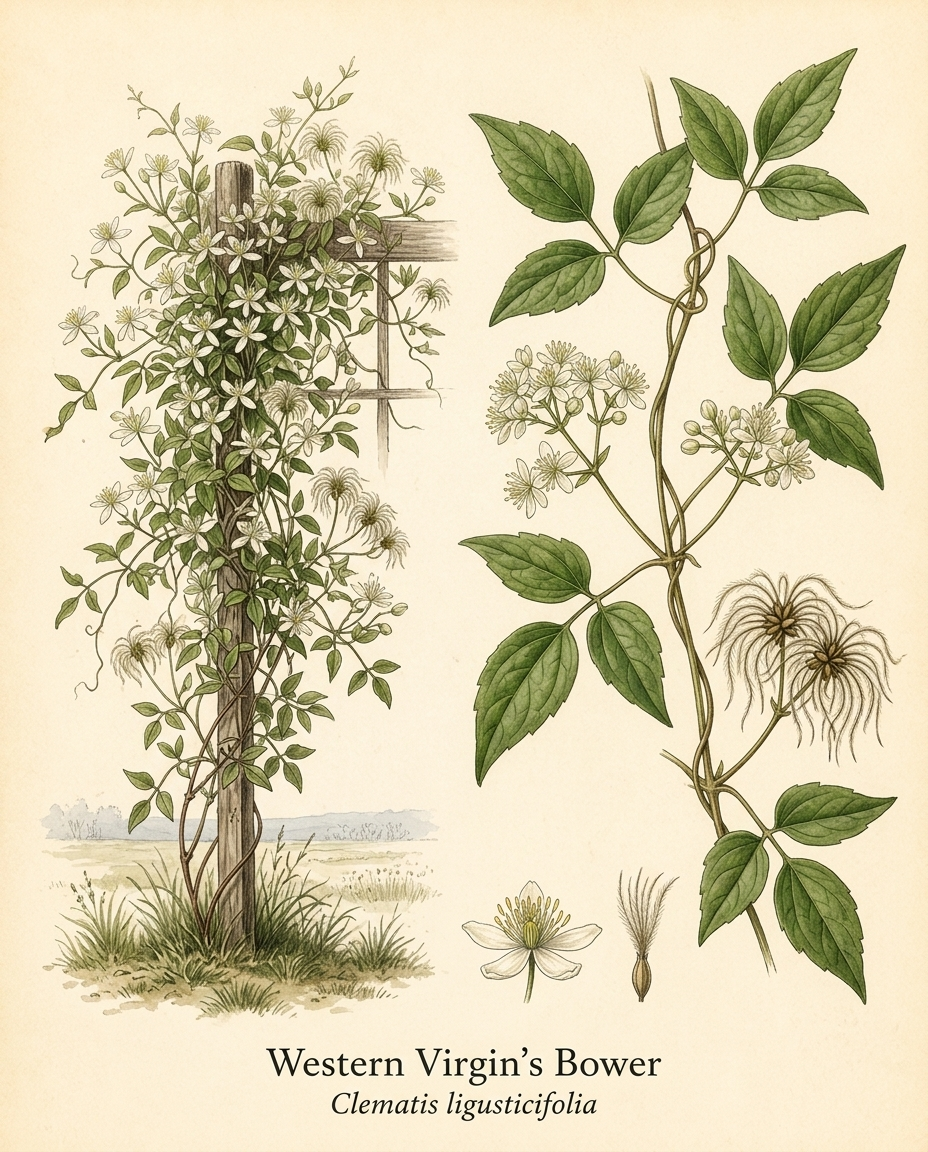
Western Virgin's Bower
NativeClematis ligusticifolia
Works well together.
- Different structural layer than Vine Maple
- Noticeable height difference for a layered look
- Blooms in summer — extends color when Vine Maple isn't flowering
- Same water needs as Vine Maple — one irrigation zone
Tree (13)
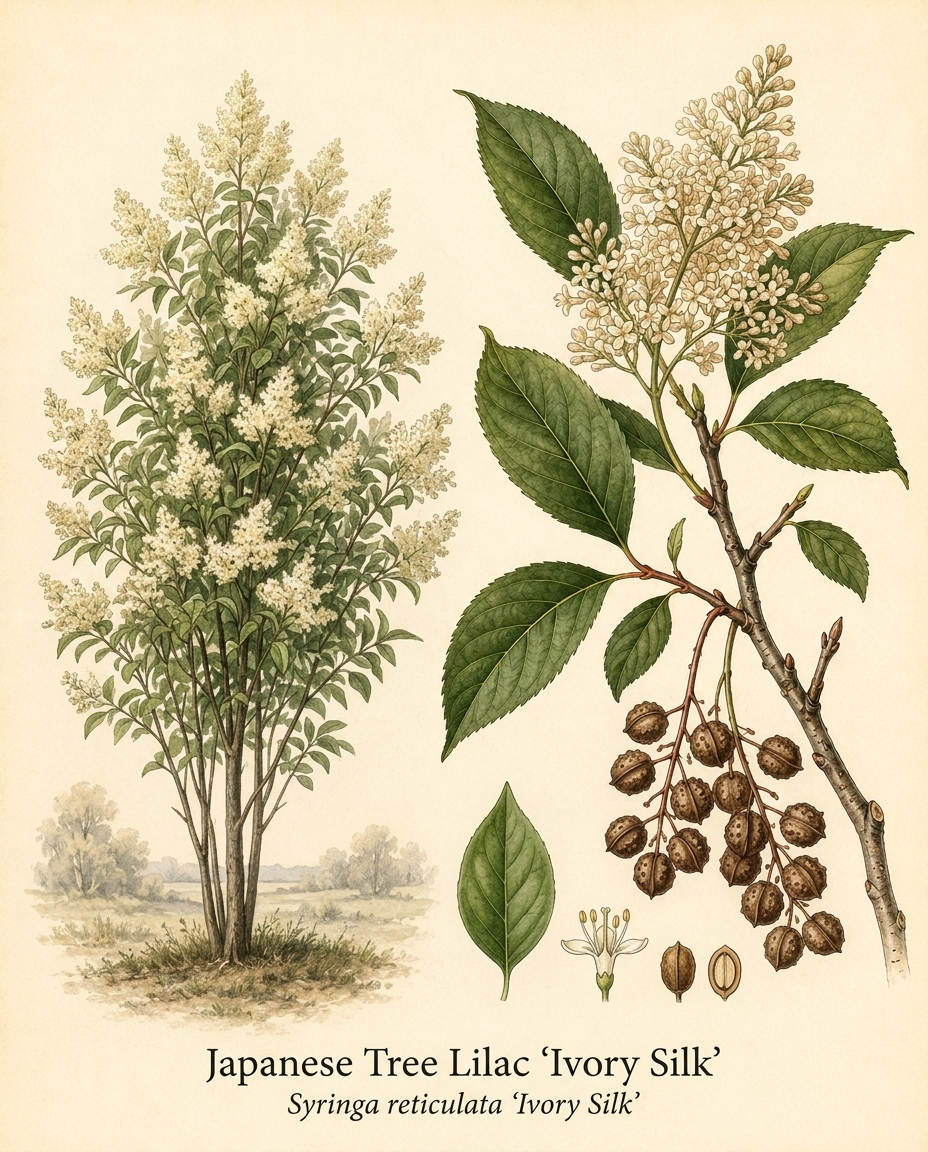
Japanese Tree Lilac 'Ivory Silk'
Syringa reticulata 'Ivory Silk'
Works well together.
- Different structural layer than Vine Maple
- Noticeable height difference for a layered look
- Blooms in summer — extends color when Vine Maple isn't flowering
- Supports pollinators and wildlife
- Fire-resistant — good for defensible space
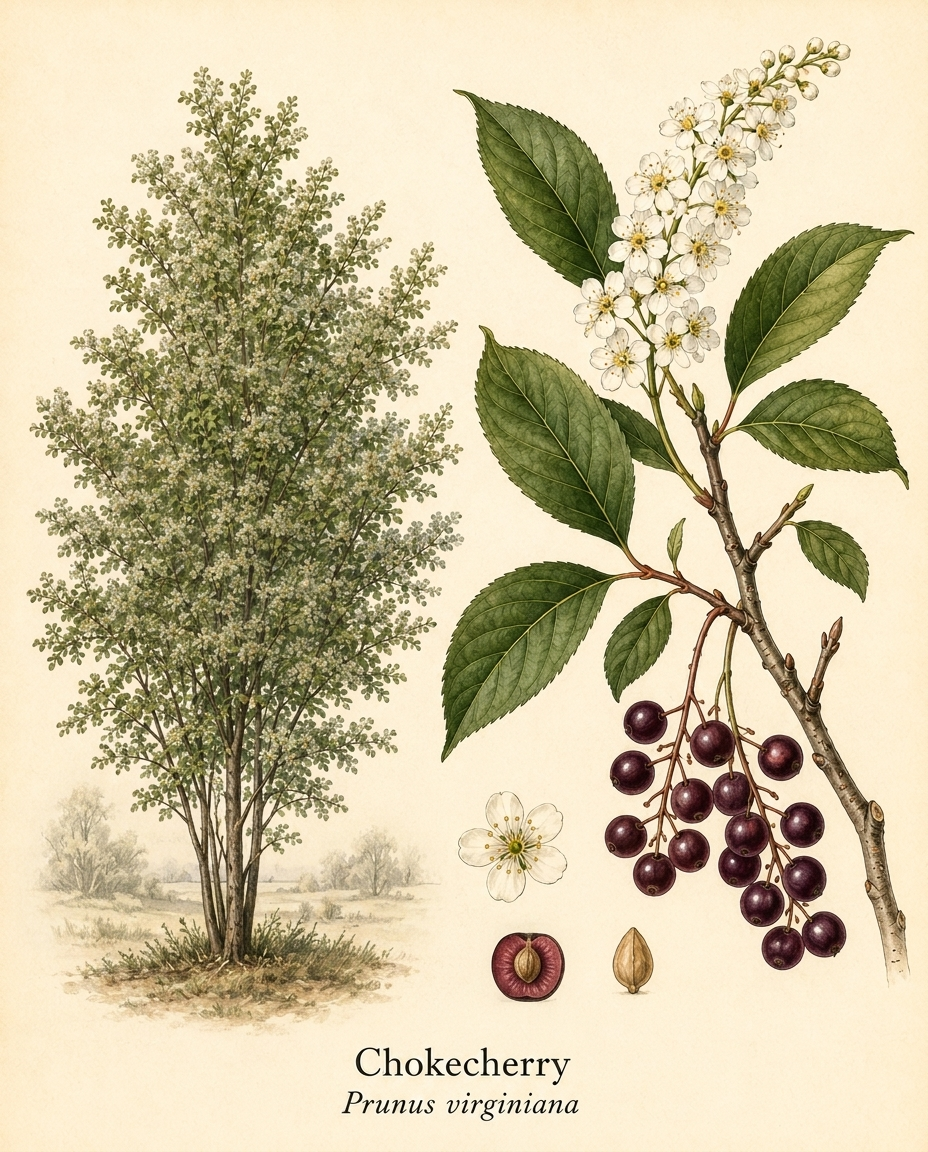
Chokecherry
NativePrunus virginiana
Works well together.
- Different structural layer than Vine Maple
- Noticeable height difference for a layered look
- Supports pollinators and wildlife
- Fire-resistant — good for defensible space
- Same water needs as Vine Maple — one irrigation zone
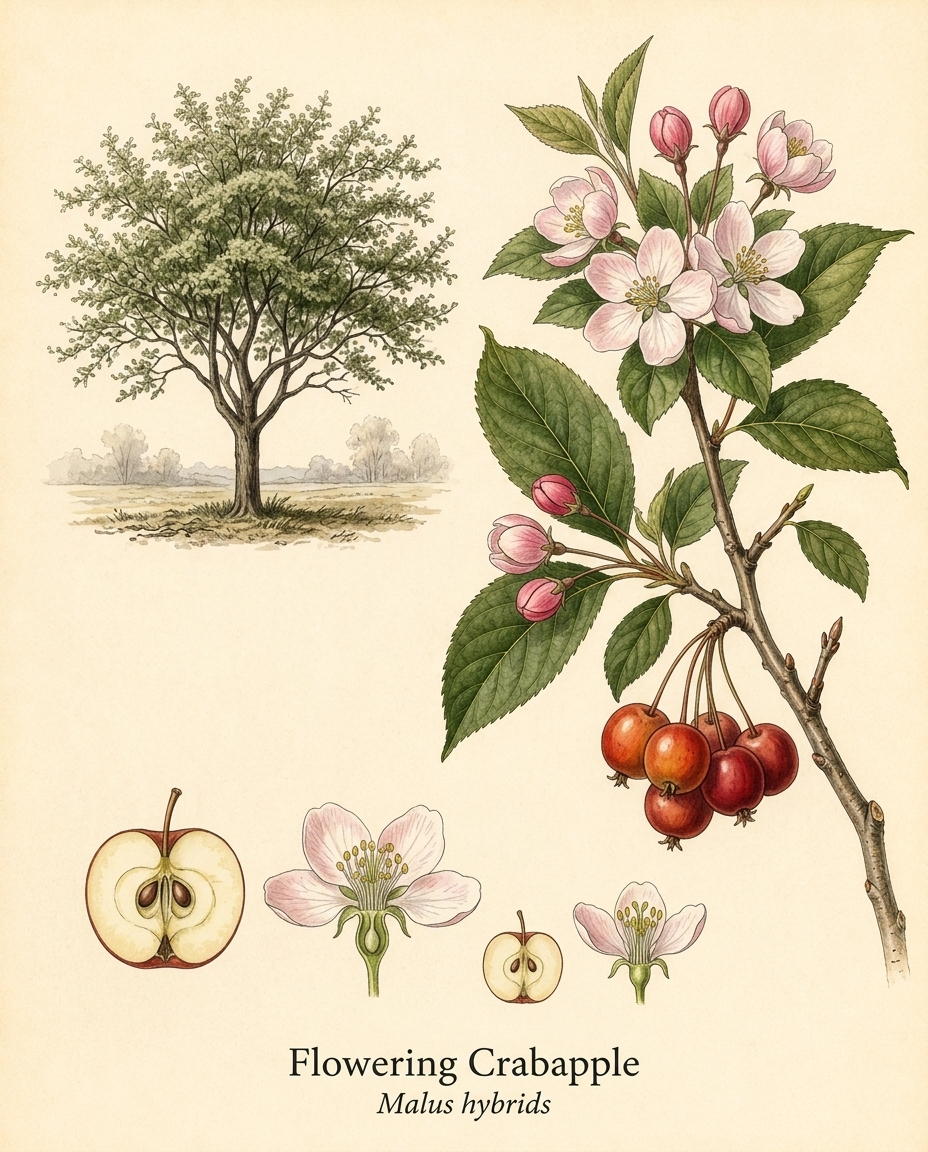
Flowering Crabapple
Malus hybrids
Works well together.
- Different structural layer than Vine Maple
- Noticeable height difference for a layered look
- Supports pollinators and wildlife
- Fire-resistant — good for defensible space
- Same water needs as Vine Maple — one irrigation zone
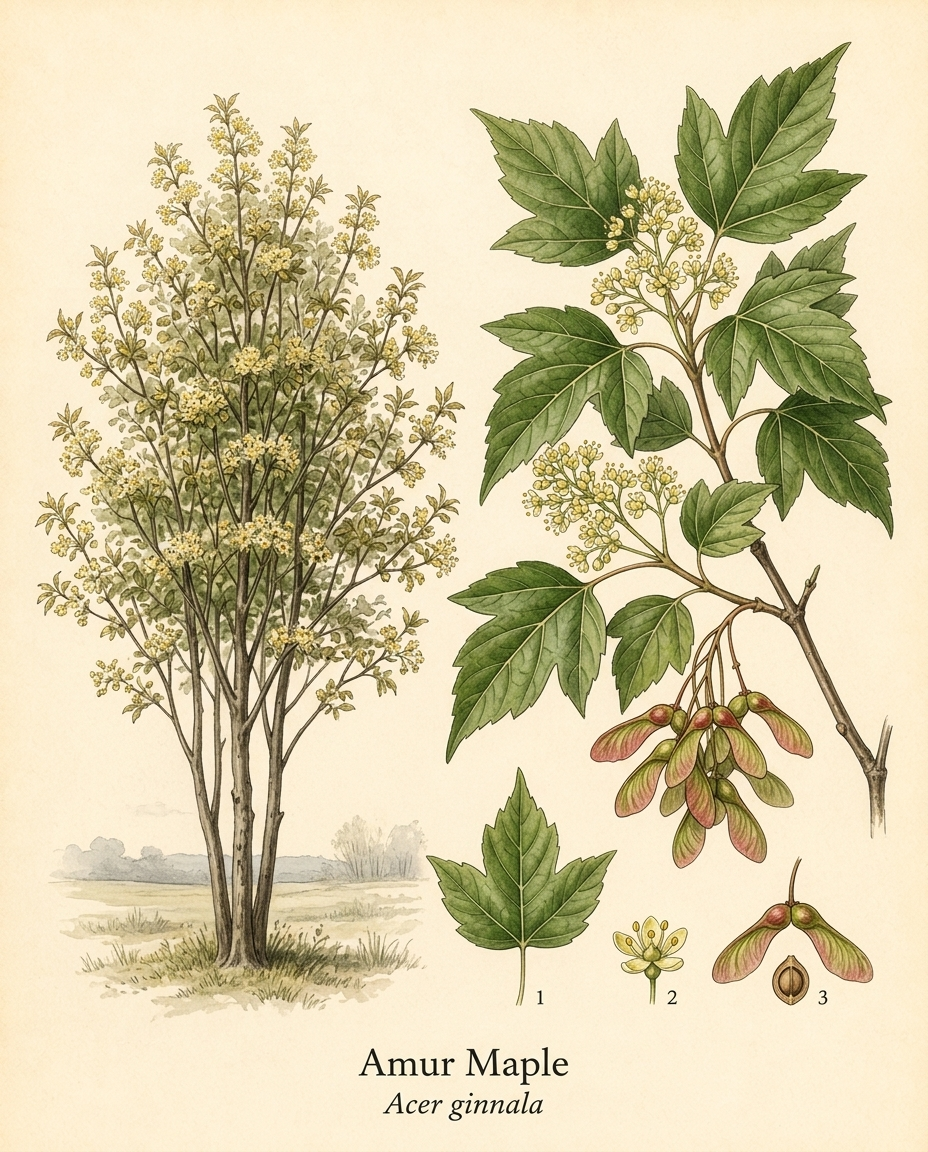
Amur Maple
Acer ginnala
Compatible on water, sun, and zone. Whether the combination reads well is your call.
- Different structural layer than Vine Maple
- Noticeable height difference for a layered look
- Fire-resistant — good for defensible space
- Same water needs as Vine Maple — one irrigation zone
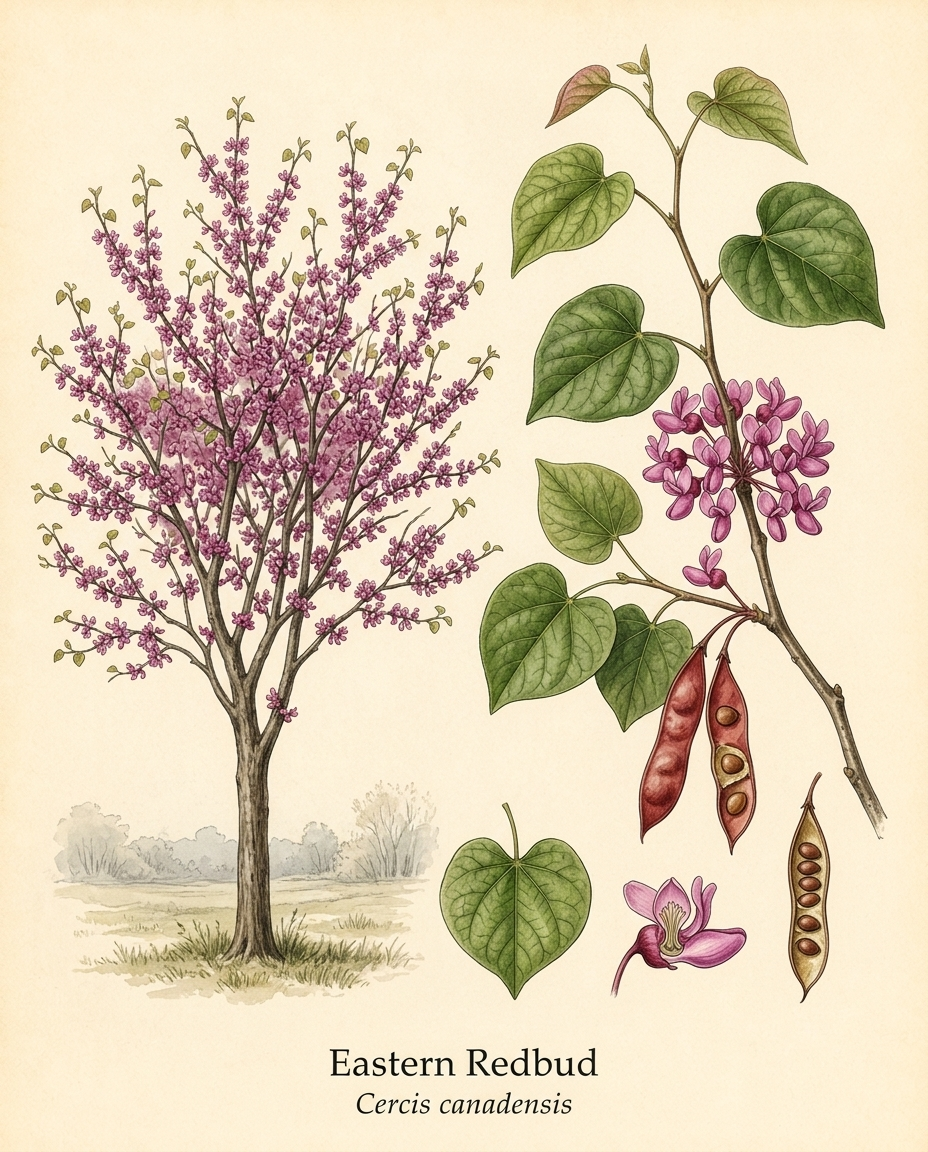
Eastern Redbud
Cercis canadensis
Compatible on water, sun, and zone. Whether the combination reads well is your call.
- Different structural layer than Vine Maple
- Noticeable height difference for a layered look
- Supports pollinators and wildlife
- Fire-resistant — good for defensible space
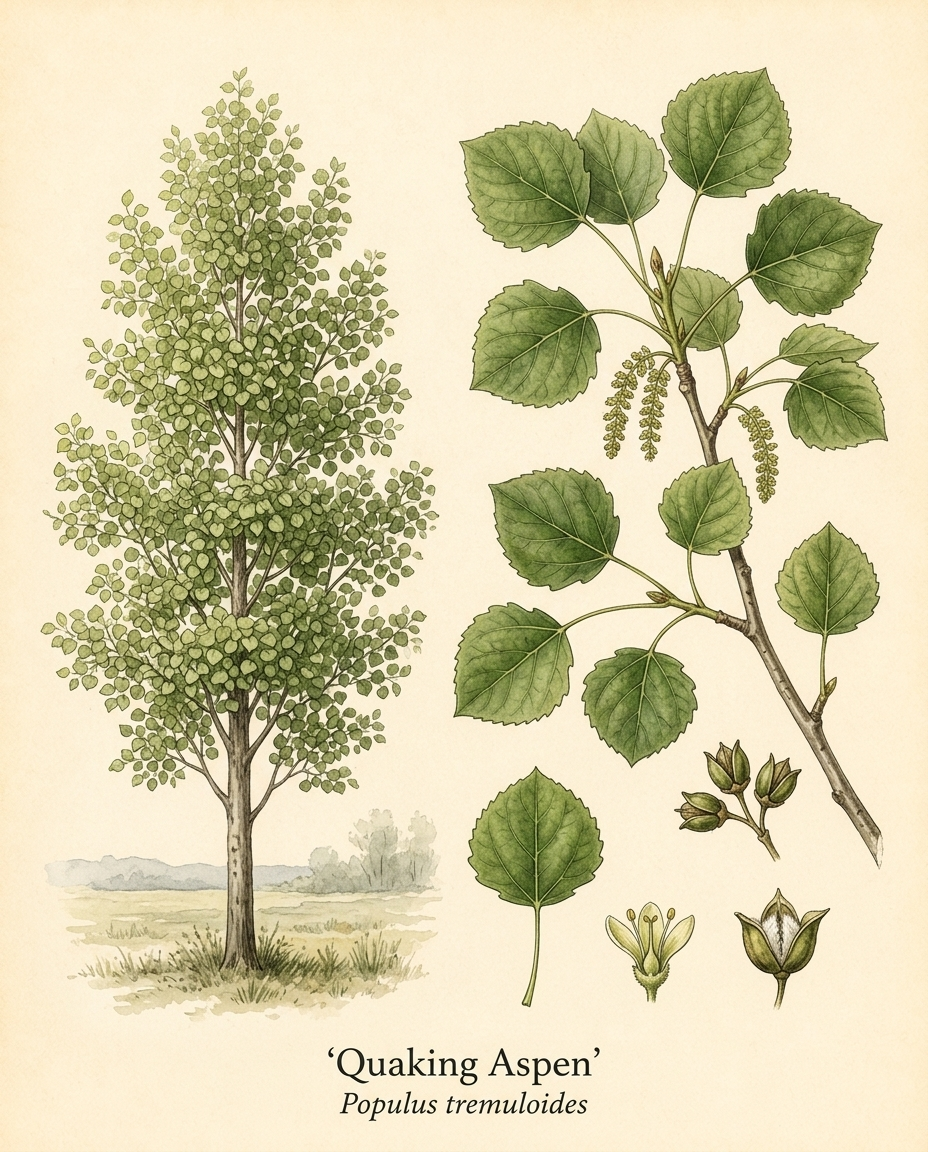
Quaking Aspen
NativePopulus tremuloides
Compatible on water, sun, and zone. Whether the combination reads well is your call.
- Different structural layer than Vine Maple
- Noticeable height difference for a layered look
- Fire-resistant — good for defensible space
- Same water needs as Vine Maple — one irrigation zone
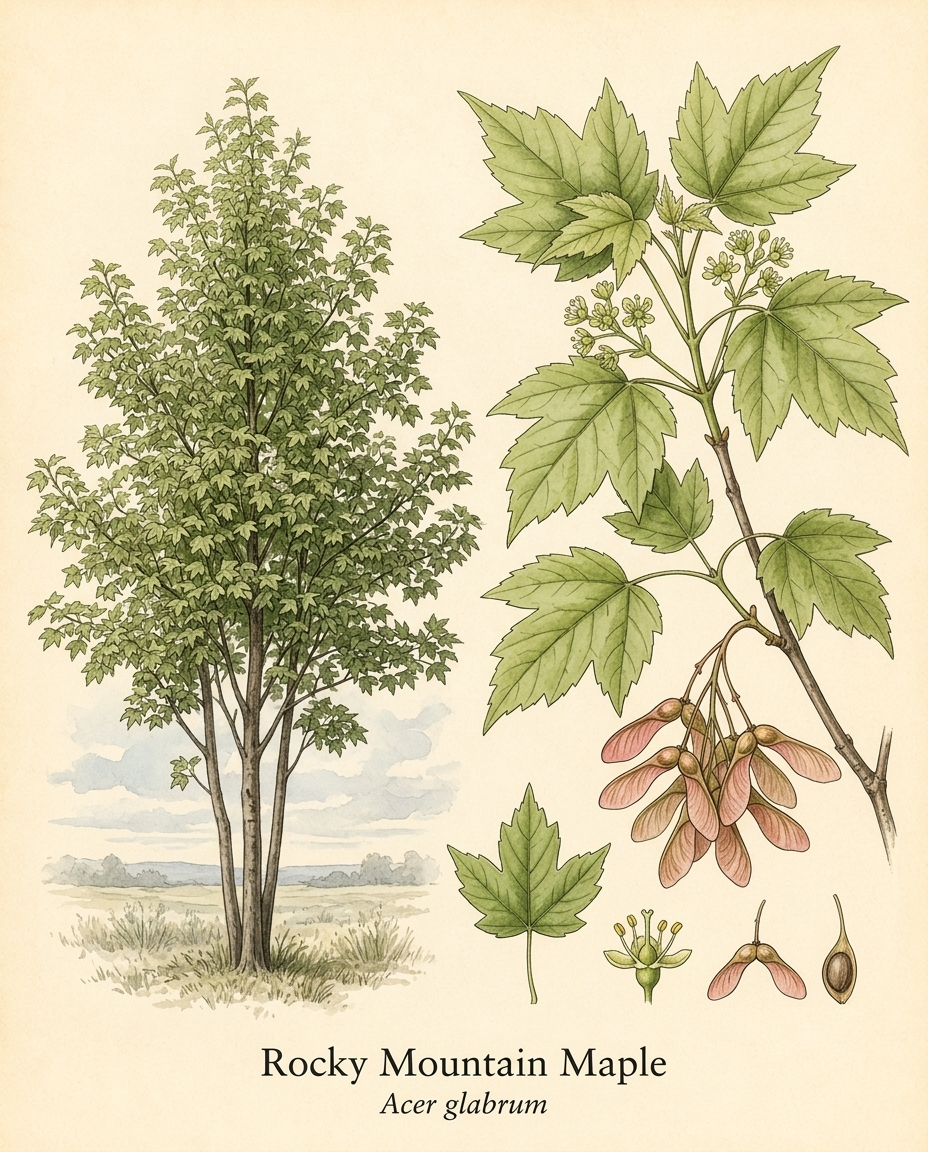
Rocky Mountain Maple
NativeAcer glabrum
Compatible on water, sun, and zone. Whether the combination reads well is your call.
- Different structural layer than Vine Maple
- Noticeable height difference for a layered look
- Fire-resistant — good for defensible space
- Same water needs as Vine Maple — one irrigation zone
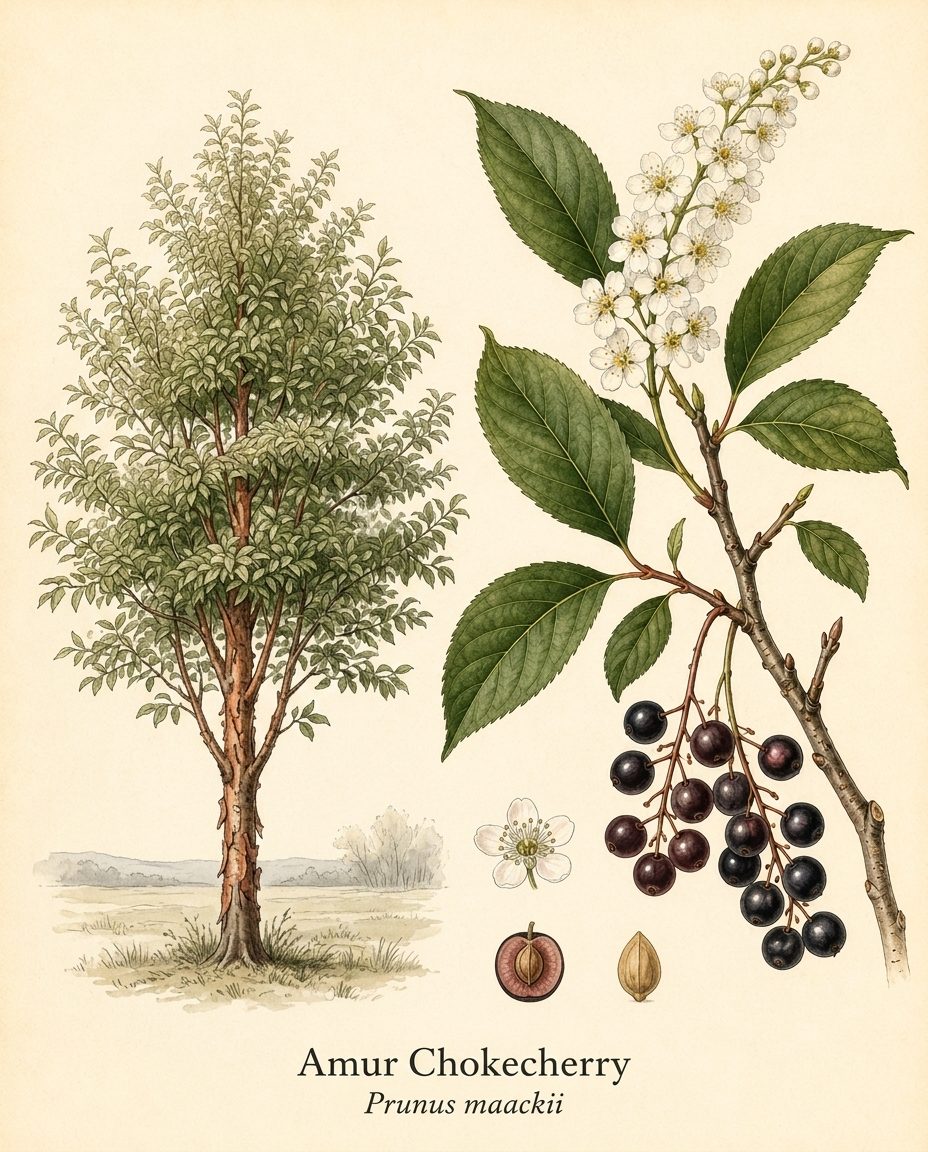
Amur Chokecherry
Prunus maackii
Compatible on water, sun, and zone. Whether the combination reads well is your call.
- Different structural layer than Vine Maple
- Noticeable height difference for a layered look
- Supports pollinators and wildlife
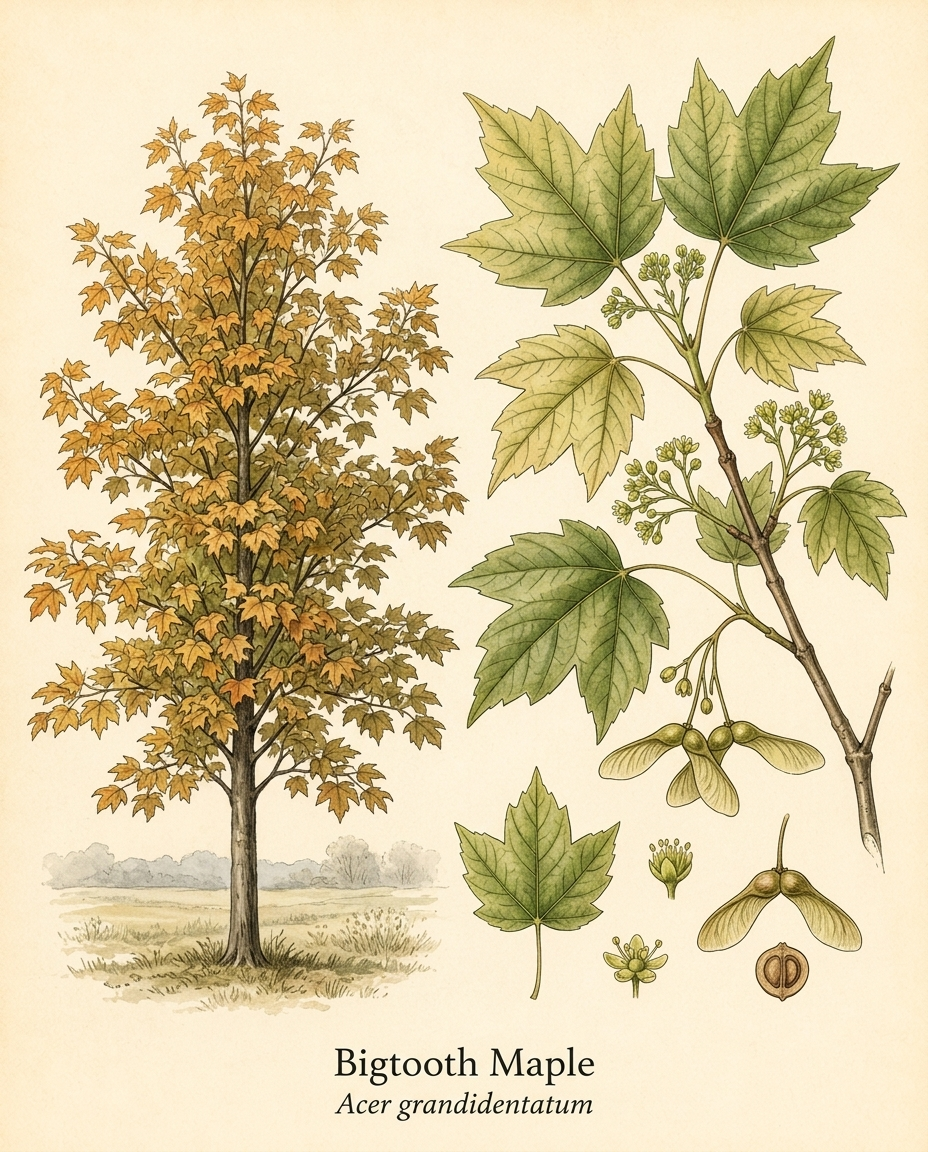
Bigtooth Maple
NativeAcer grandidentatum
Compatible on water, sun, and zone. Whether the combination reads well is your call.
- Different structural layer than Vine Maple
- Noticeable height difference for a layered look
- Same water needs as Vine Maple — one irrigation zone
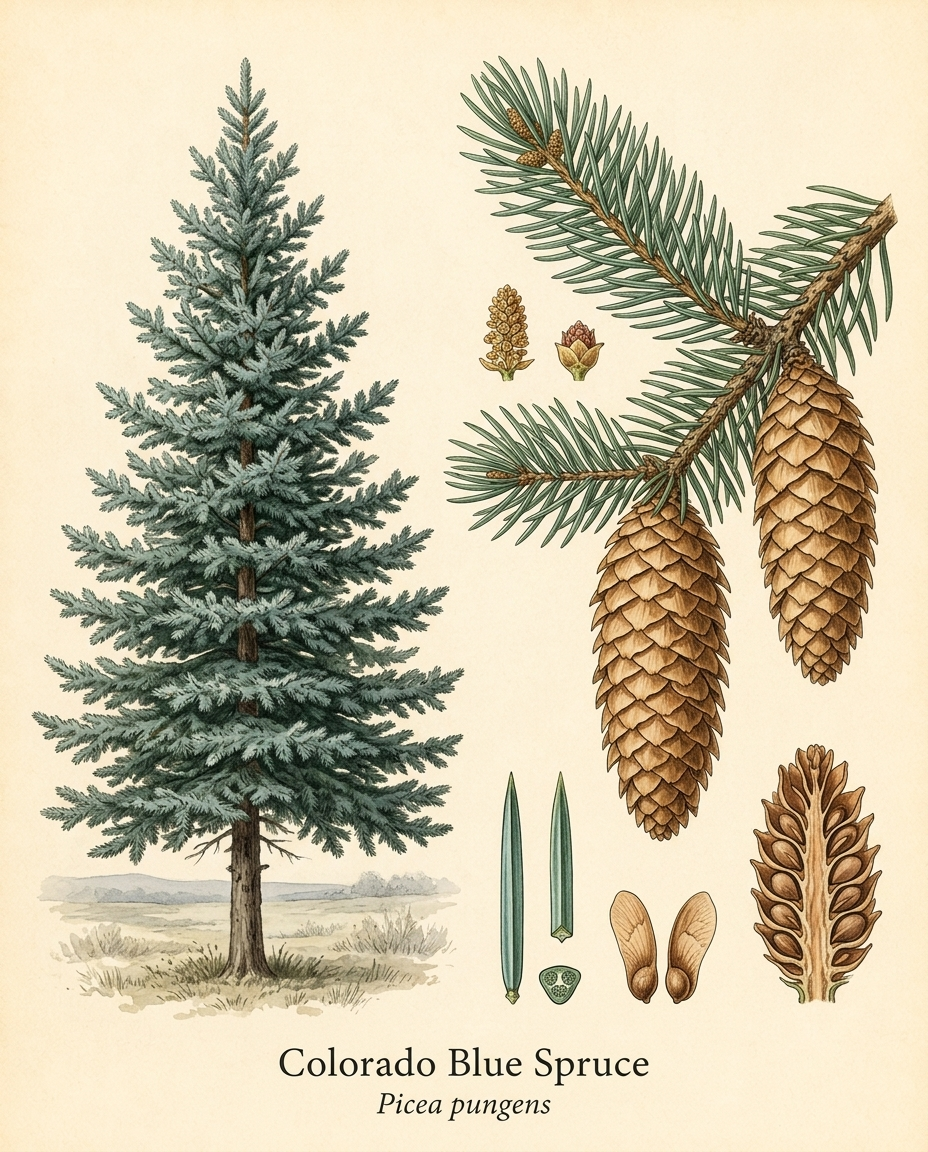
Colorado Blue Spruce
NativePicea pungens
Compatible on water, sun, and zone. Whether the combination reads well is your call.
- Different structural layer than Vine Maple
- Noticeable height difference for a layered look
- Evergreen — holds structure through winter
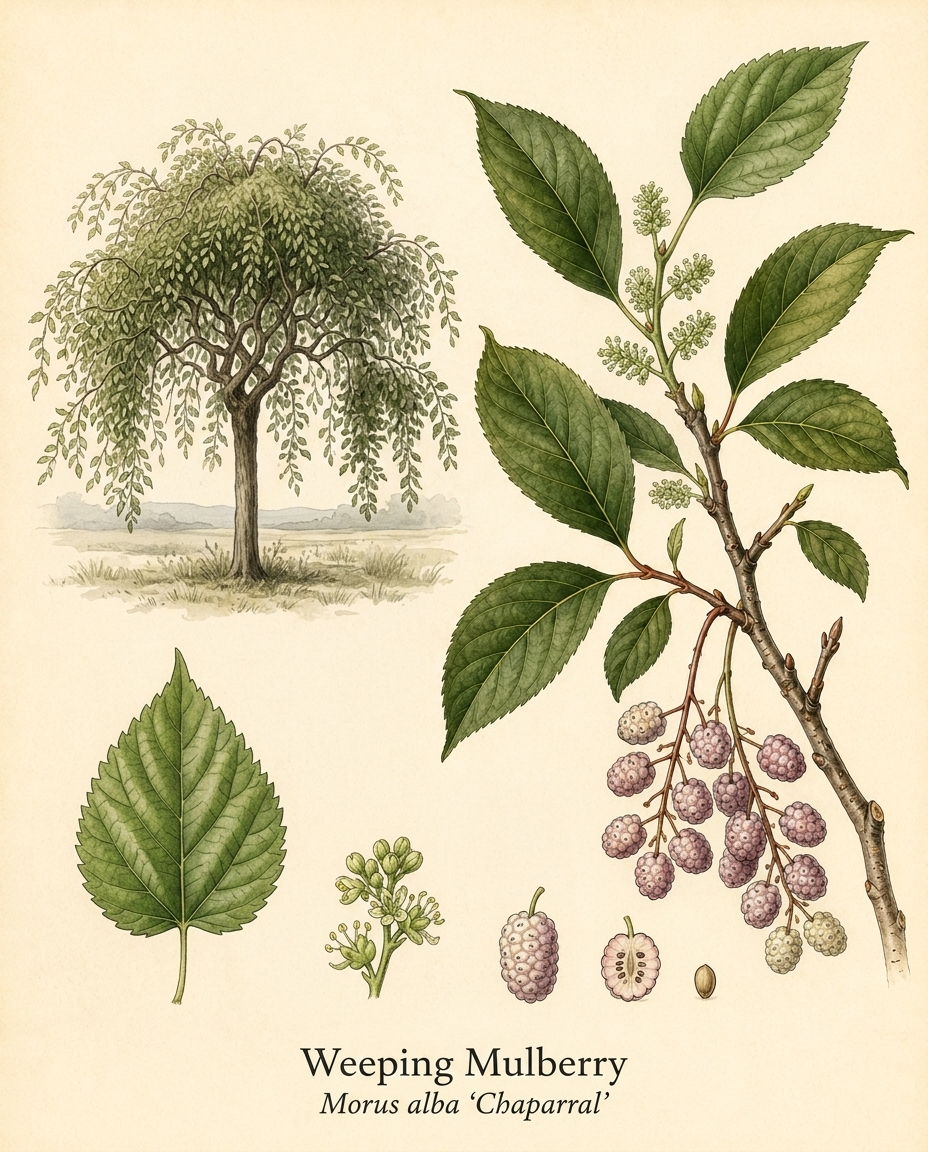
Weeping Mulberry
Morus alba 'Chaparral'
Compatible on water, sun, and zone. Whether the combination reads well is your call.
- Different structural layer than Vine Maple
- Noticeable height difference for a layered look
- Same water needs as Vine Maple — one irrigation zone
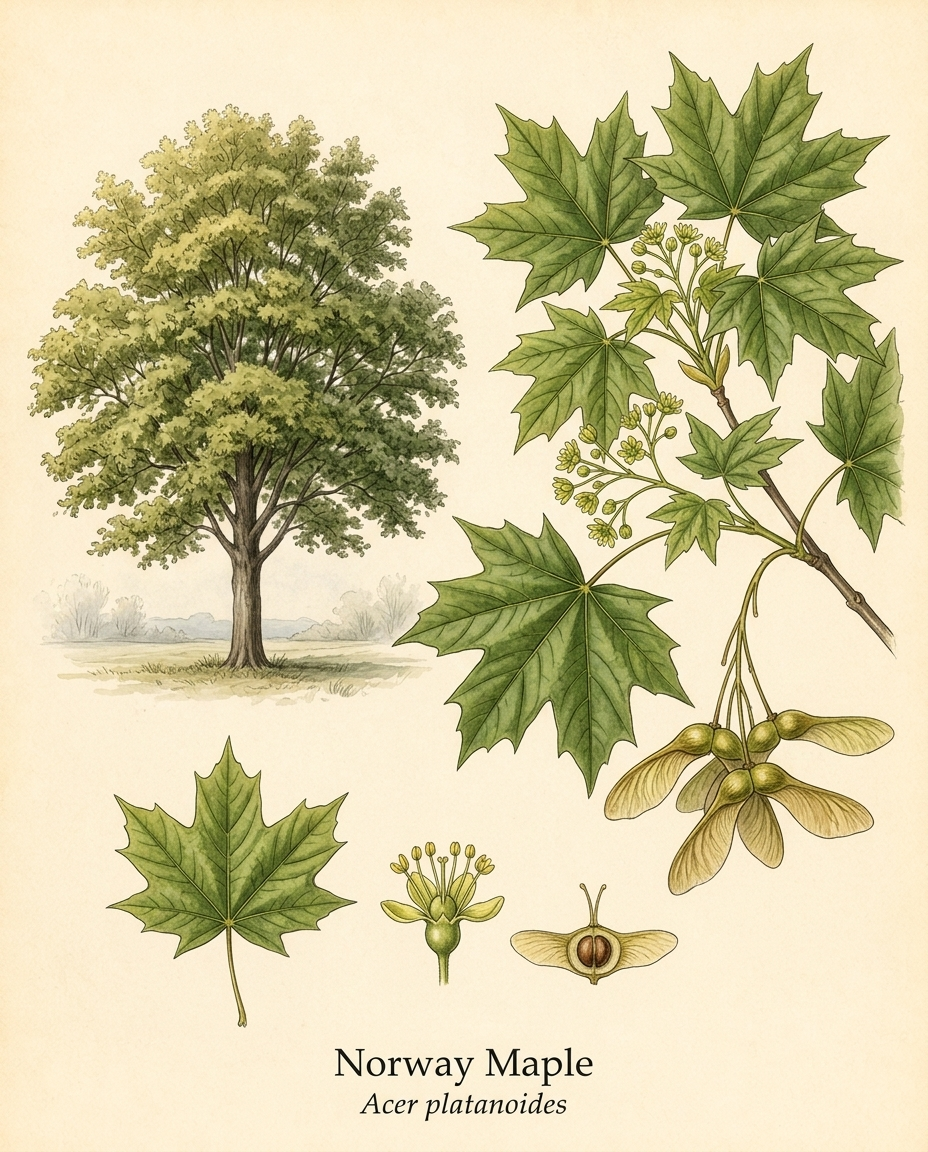
Norway Maple
Acer platanoides
Compatible on water, sun, and zone. Whether the combination reads well is your call.
- Different structural layer than Vine Maple
- Noticeable height difference for a layered look
- Fire-resistant — good for defensible space
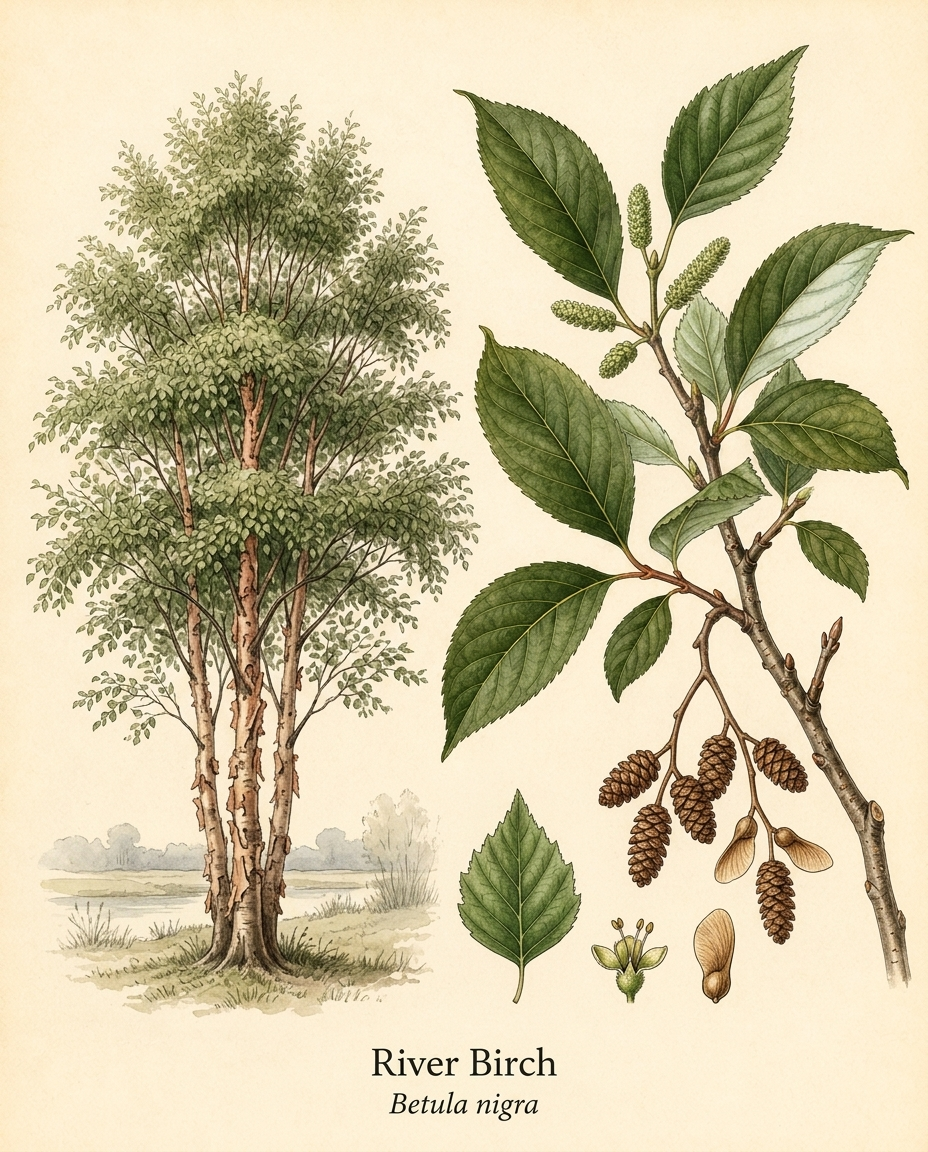
River Birch
Betula nigra
Compatible on water, sun, and zone. Whether the combination reads well is your call.
- Different structural layer than Vine Maple
- Noticeable height difference for a layered look
- Fire-resistant — good for defensible space
Grass (3)
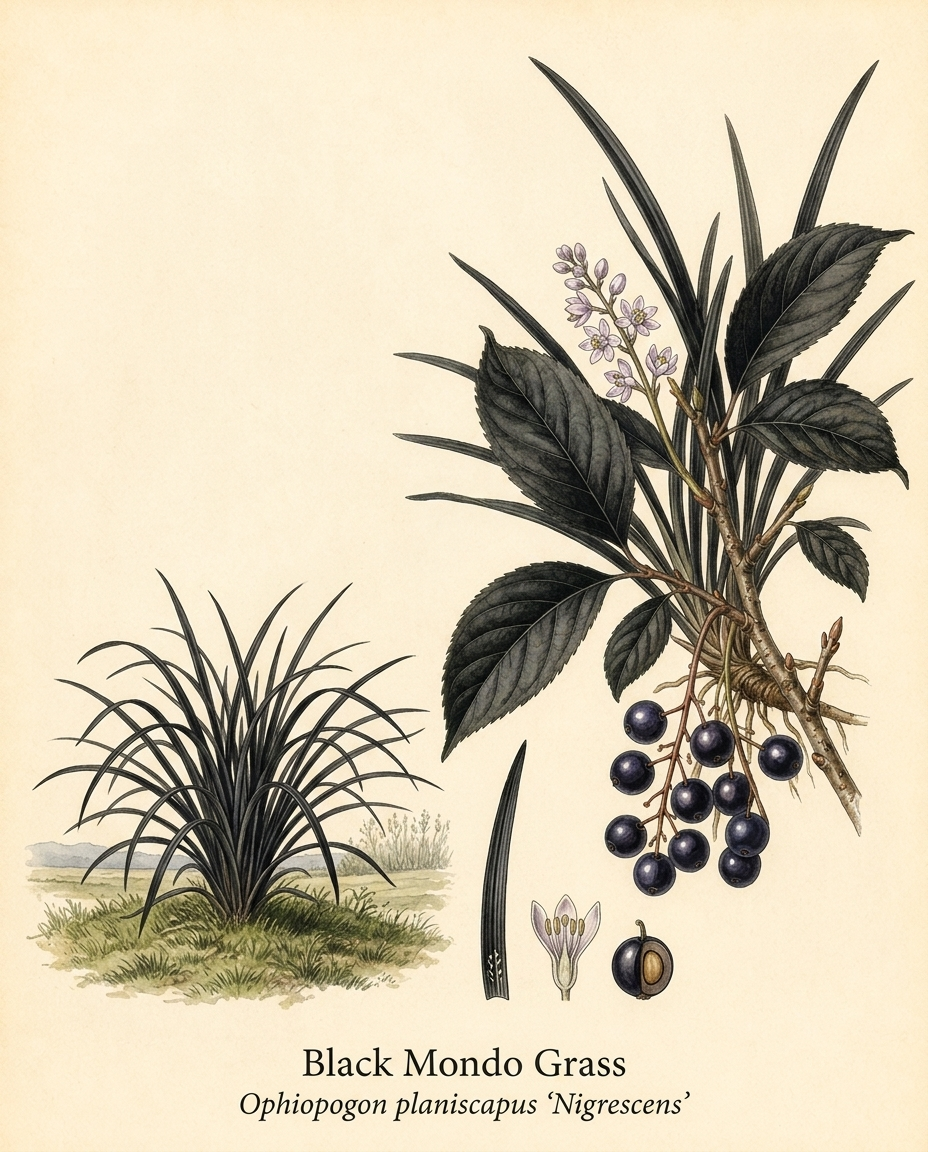
Black Mondo Grass
Ophiopogon planiscapus ‘Nigrescens’
Works well together.
- Different structural layer than Vine Maple
- Noticeable height difference for a layered look
- Blooms in summer — extends color when Vine Maple isn't flowering
- Fine grass texture contrasts with Vine Maple's form
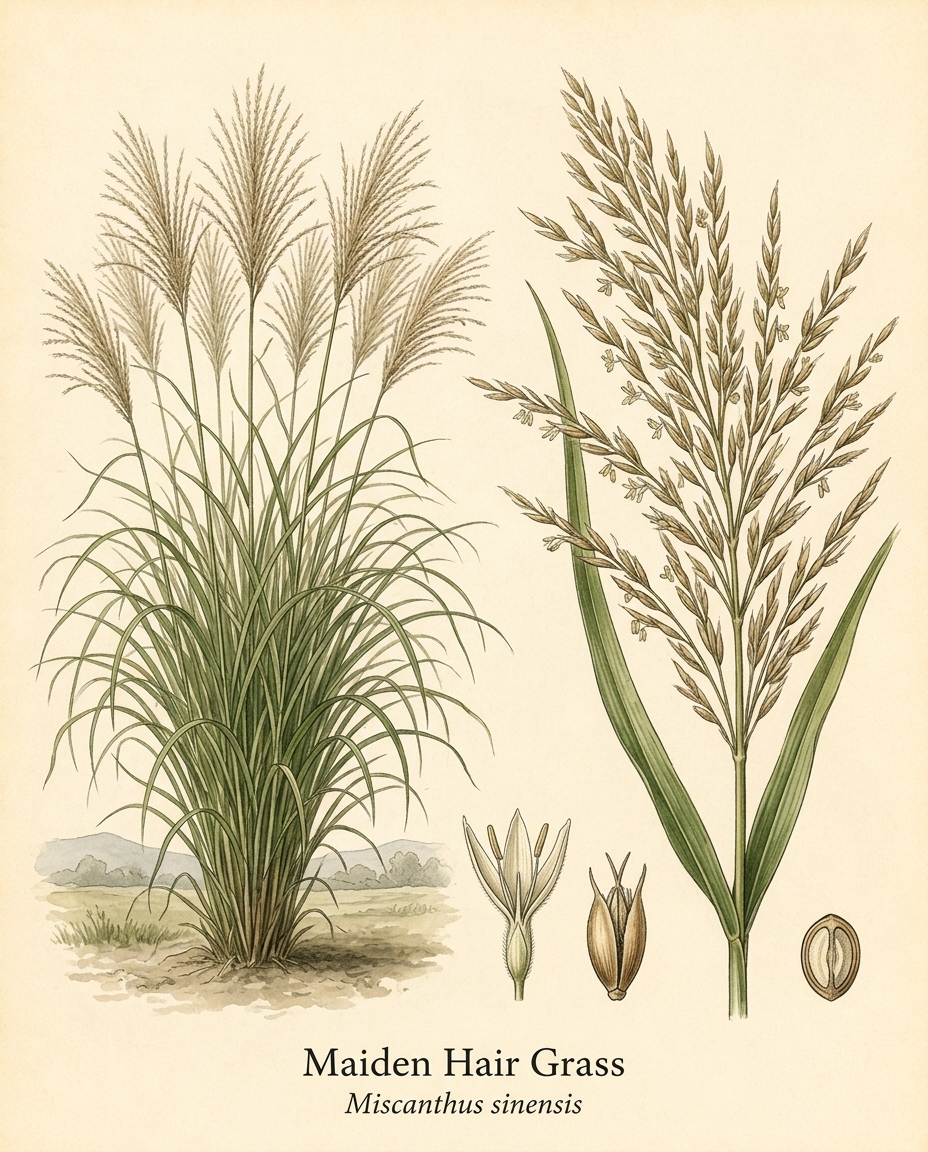
Maiden Hair Grass
Miscanthus sinensis
Works well together.
- Different structural layer than Vine Maple
- Noticeable height difference for a layered look
- Blooms in fall — extends color when Vine Maple isn't flowering
- Fine grass texture contrasts with Vine Maple's form
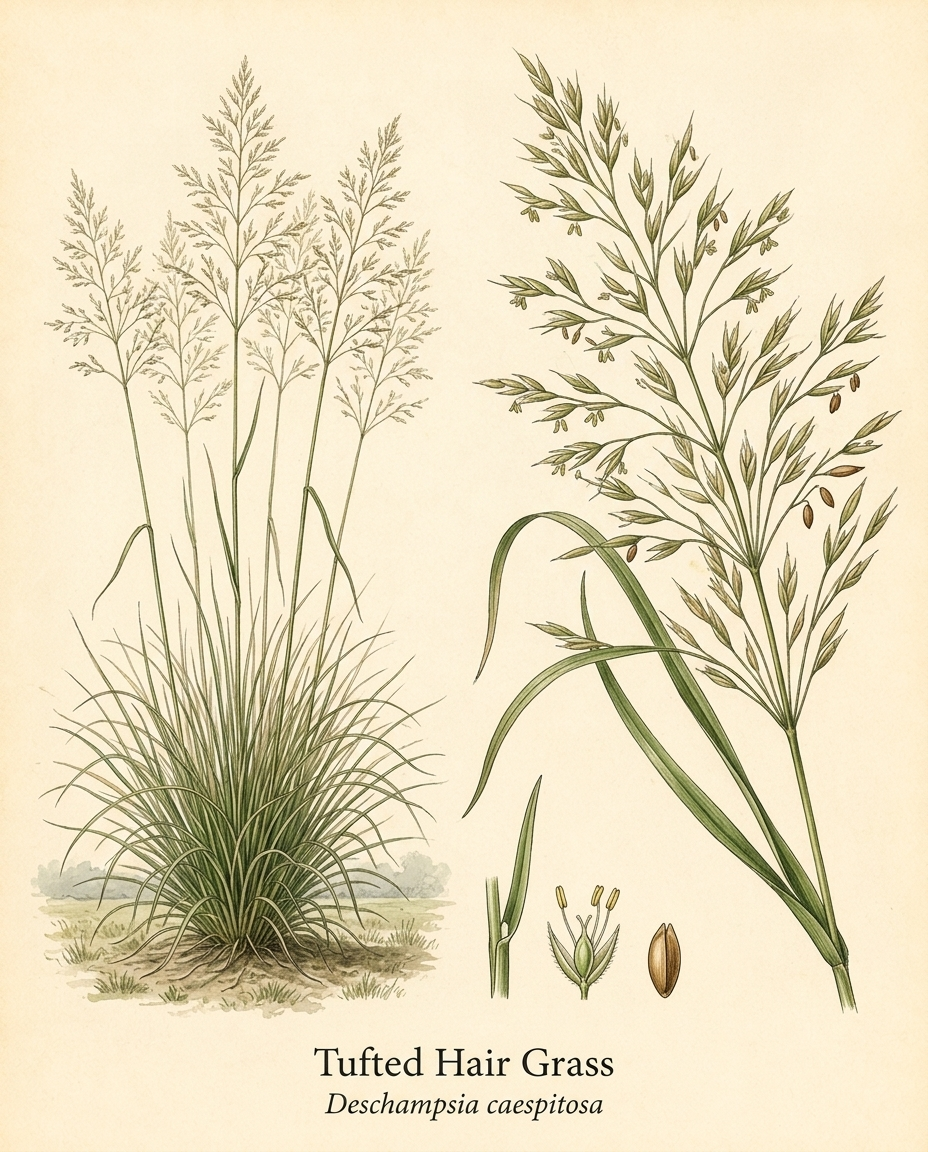
Tufted Hair Grass
Deschampsia caespitosa
Works well together.
- Different structural layer than Vine Maple
- Noticeable height difference for a layered look
- Blooms in summer — extends color when Vine Maple isn't flowering
- Fine grass texture contrasts with Vine Maple's form
Shrub (4)
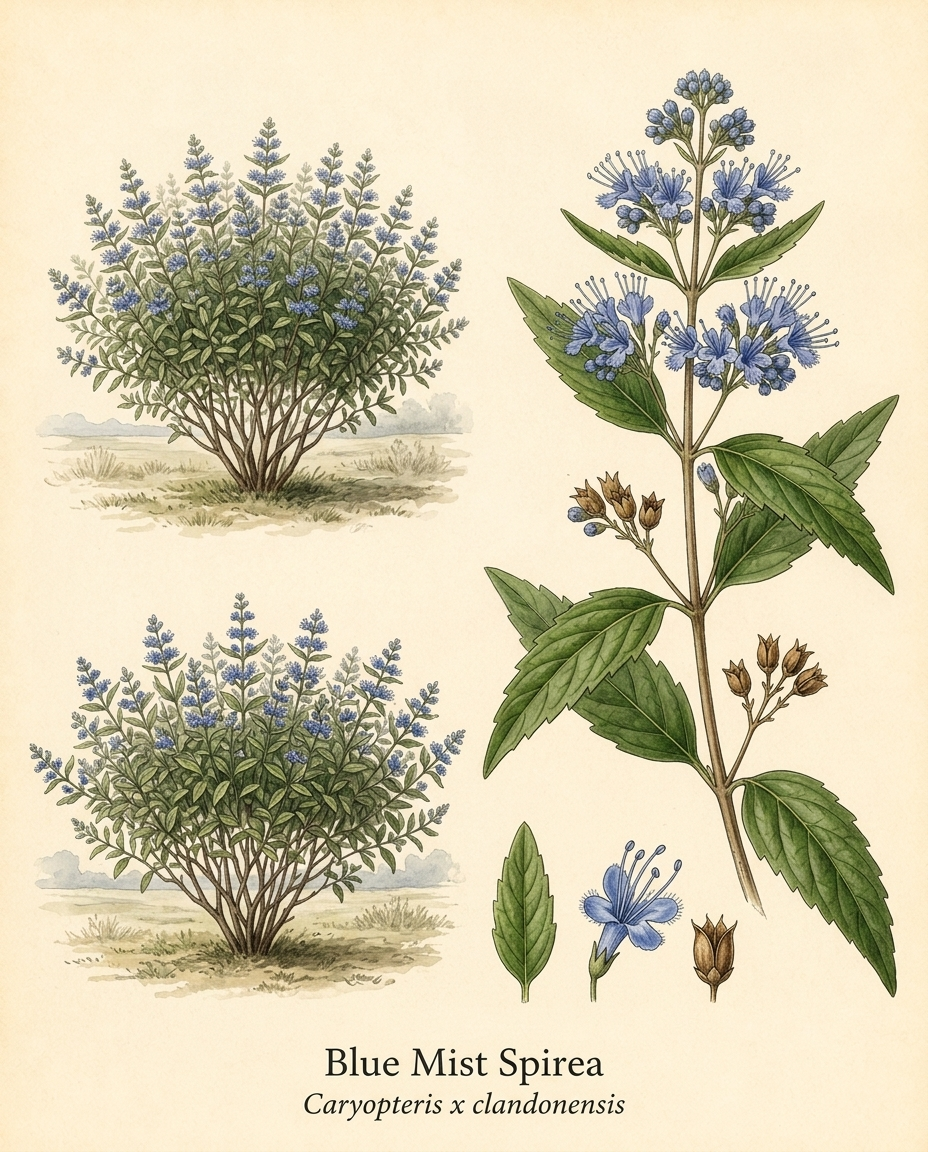
Blue Mist Spirea
Caryopteris x clandonensis
Compatible on water, sun, and zone. Whether the combination reads well is your call.
- Blooms in fall and summer — extends color when Vine Maple isn't flowering
- Supports pollinators and wildlife
- Same water needs as Vine Maple — one irrigation zone
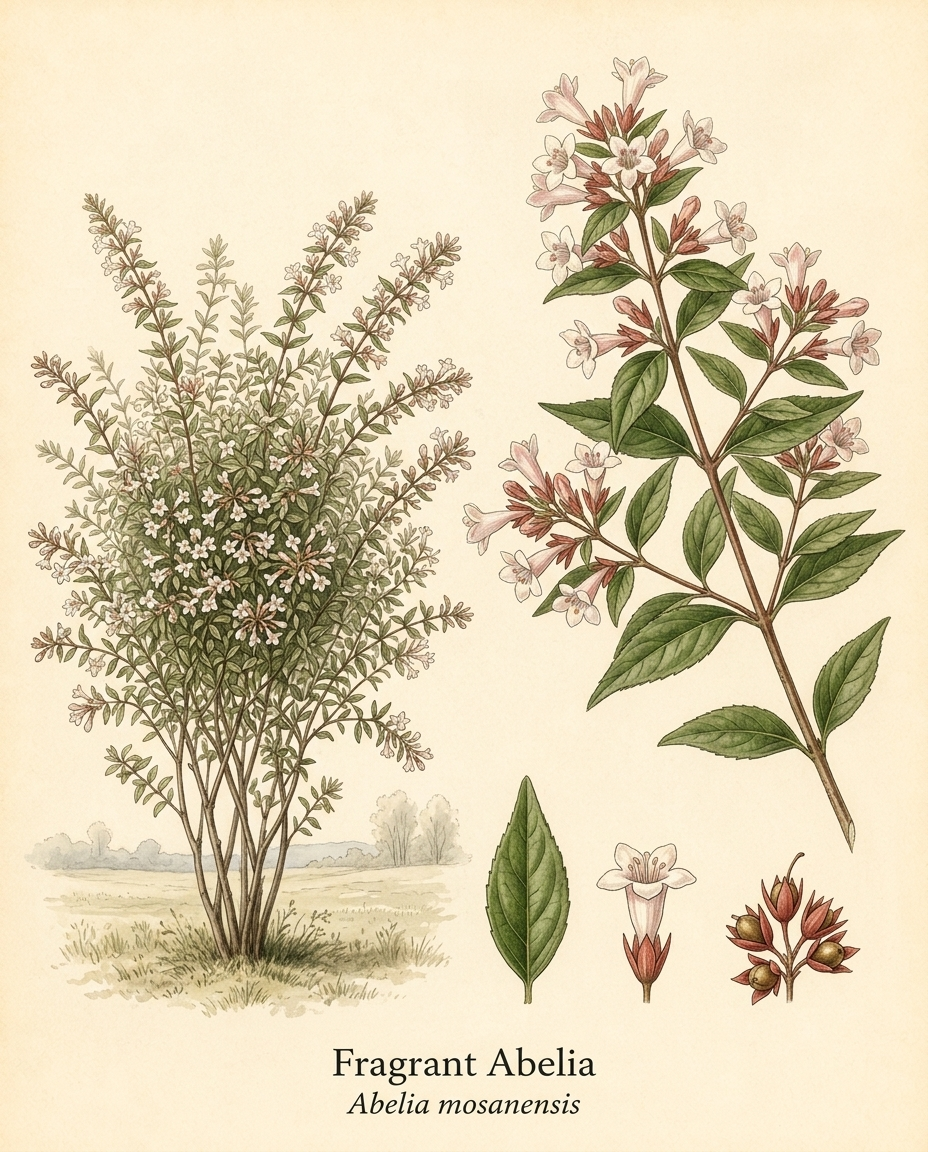
Fragrant Abelia
Abelia mosanensis
Compatible on water, sun, and zone. Whether the combination reads well is your call.
- Blooms in fall and summer — extends color when Vine Maple isn't flowering
- Supports pollinators and wildlife
- Fire-resistant — good for defensible space
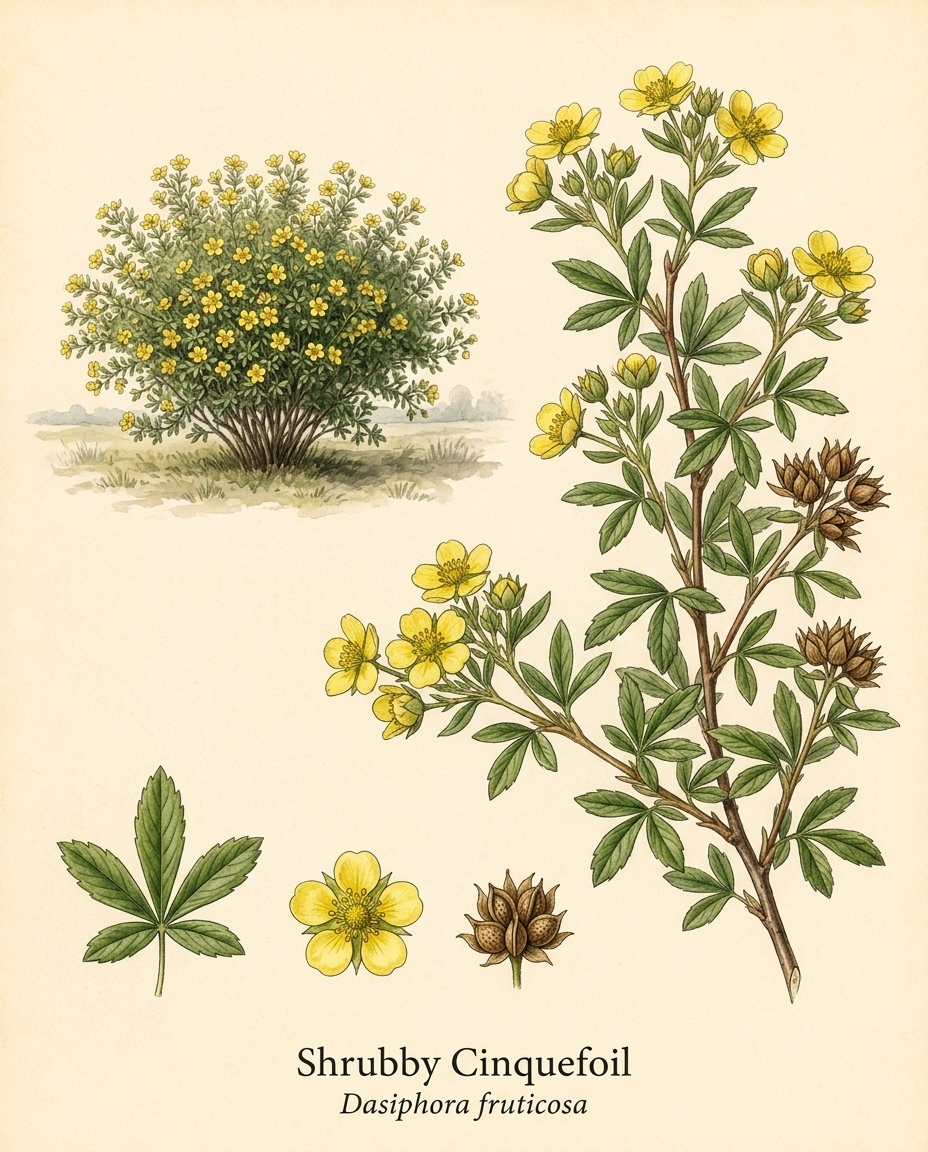
Shrubby Cinquefoil
NativeDasiphora fruticosa
Compatible on water, sun, and zone. Whether the combination reads well is your call.
- Blooms in fall and summer — extends color when Vine Maple isn't flowering
- Same water needs as Vine Maple — one irrigation zone
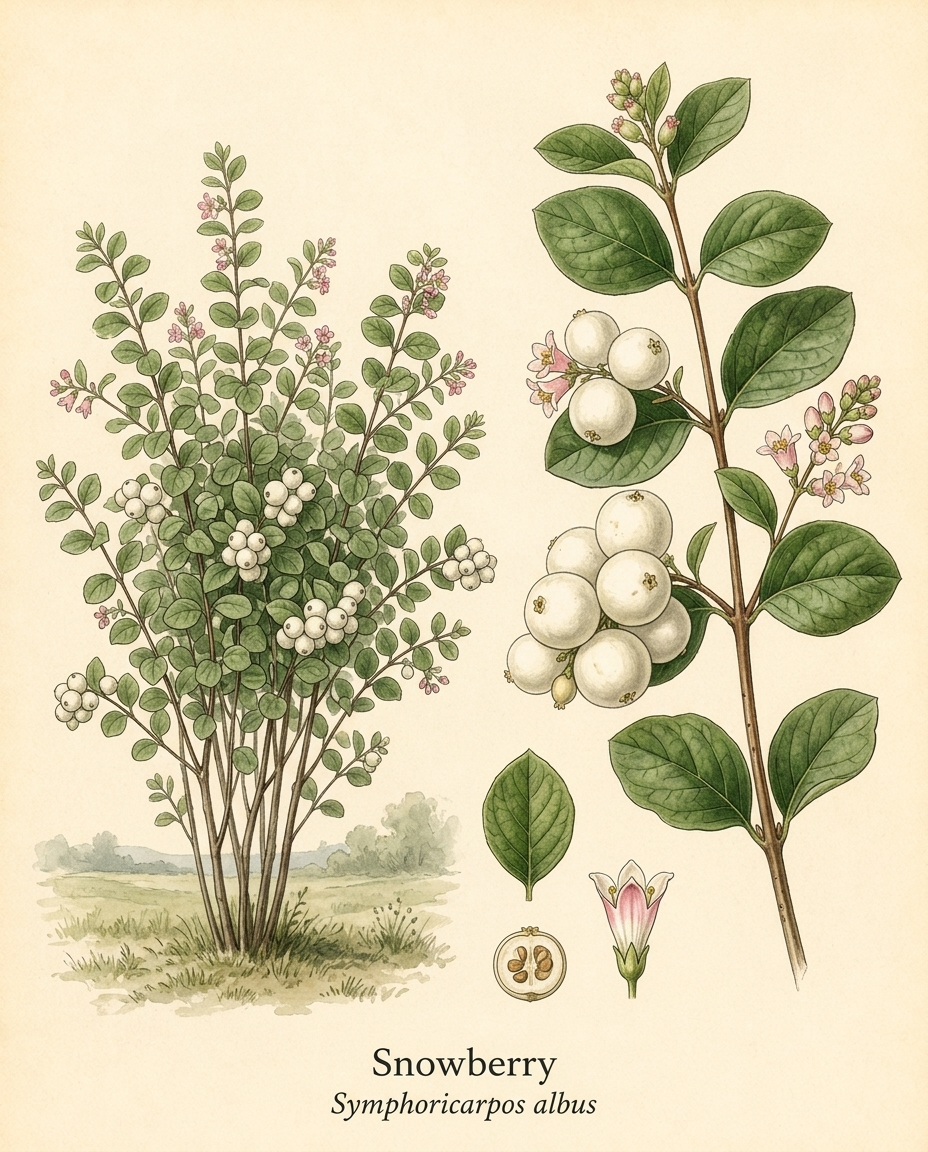
Snowberry
NativeSymphoricarpos albus
Compatible on water, sun, and zone. Whether the combination reads well is your call.
- Blooms in summer — extends color when Vine Maple isn't flowering
- Supports pollinators and wildlife
- Fire-resistant — good for defensible space
- Same water needs as Vine Maple — one irrigation zone